In Ark Nova, you will plan and design a modern, scientifically managed zoo. With the ultimate goal of owning the most successful zoological establishment, you will build enclosures, accommodate animals, and support conservation projects all over the world. Specialists and unique buildings will help you in achieving this goal.
Each player has a set of five action cards to manage their gameplay, and the power of an action is determined by the slot the card currently occupies. The cards in question are:
CARDS: Allows you to gain new zoo cards (animals, sponsors, and conservation project cards).
BUILD: Allows you to build standard or special enclosures, kiosks, and pavilions.
ANIMALS: Allows you to accommodate animals in your zoo.
ASSOCIATION: Allows your association workers to carry out different tasks.
SPONSORS: Allows you to play a sponsor card in your zoo or to raise money.
255 cards featuring animals, specialists, special enclosures, and conservation projects, each with a special ability, are at the heart of Ark Nova. Use them to increase the appeal and scientific reputation of your zoo and collect conservation points.
—description from the publisher
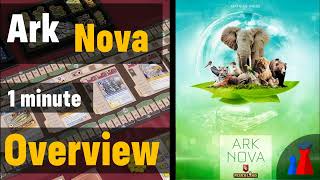
- Engaging hook from the action-card system that adds depth and planning
- Rich thematic integration with conservation and public appeal
- Flexible end-game scoring that rewards strategic pacing
- Steep learning curve for new players
- Iconography and color coding can be overwhelming at first
- Can become solitaire if players focus too much on engine-building without interaction
- Conservation, animal welfare, public appeal, and scientific progress
- Global zoo development and conservation in a modern world
- Strategic planning with evolving goals; strong thematic alignment with zoo management
- Pax Pamir
- Ora et Labora
- Gaia Project
Mechanics (from transcript analysis)
- action cards (card-driven action selection) — Five action cards determine what you can do on a turn; players can flip to improve actions and create synergy.
- end-of-game scoring tracks — Conservation and appeal markers move along tracks; end-game triggered by a marker reaching its end.
- Resource management — Managing money, conservation points, and appeal while funding projects.
- set collection / card drafting — Acquiring cards to unlock actions and build your zoo with diverse species and buildings.
- tile/board placement — Players place enclosures and buildings on their personal zoo board to gain resources and points.
Video topics + discussion points
Quotes (from this video)
- the conservation marker moving clock wisely on the track
- five action cards with which they perform various tasks
- end-game scoring can redefine your strategy in surprising ways
- donations and partnerships help you advance on your own track
- the game's end is triggered and we move to scoring
References (from this video)
- interesting pressure mechanics
- point system creates bonuses and mechanical benefits
- wildlife
- conservation
- Terraforming Mars
Mechanics (from transcript analysis)
Video topics + discussion points
Quotes (from this video)
- It is legitimately one of my favorite cooperative games, not just for being a game that uses a standard deck of playing cards, but it's just one of my favorite cooperative games, period.
- For a game that costs $100 is a pretty big let down
- There's an okay game here with a really interesting but unfulfilled promise out of the gimmick
- Board games facilitate a level of safe conflict
- It felt very wide without being deep
References (from this video)

- Multiple scoring paths create variability
- Strong theme-mechanic integration - animal actions match their real behaviors
- Continent system requires proper enclosures for animal placement
- Action card progression mechanic is unique and well-designed
- Must balance action upgrade choices affecting gameplay strategy
- Game-ending condition requires players to keep pace
- Emphasis on final turn strategy with possible big finishes
- Conservation goals feel thematic and satisfying to achieve
- Very replayable - plays different every time
- zoo management
- animal conservation
- animal habitats
- enclosure building
Mechanics (from transcript analysis)
Video topics + discussion points
Quotes (from this video)
- Kim is a little new to gaming... I've been in the business for maybe a couple decades... he's ancient he was around before the first board game was ever created
- The reason for that is if you check forums a lot of people will talk about how they don't like the semi-cooperative nature of the game
- I wish he was wrong but okay in my justification if you're playing a board game it's a physical tactile thing
- I have a lot of friends where English is not their first language... with this kind of game being abstract there are no there's no cards to read there's no complicated rule
- Argent is one of the most beautiful mess of the games imaginable
- If you've never seen this game before it is the cutest thing ever ever
- It's been my favorite game forever... I wouldn't bust this down if my family came over
- Every time I feel like playing a board game it feels like there's a part of me that's just like okay I should play Arc Nova again
- I really like when theme matches the mechanics
References (from this video)

- Deep, crunchy engine-building with many viable paths
- Accessible entry after grasping concepts; makes sense once learned
- Appealing components and thematic flavor despite abstraction
- Good two-player pacing; shorter play times when played two-handed
- Thematic translation is not perfect for all animals; some abstractions feel off
- High complexity may be intimidating for new players; rules heavy
- Zoo management, conservation, and infrastructure-building
- Zoo development in a modern world; global conservation focus
- Euroengine with thematic abstraction; long-term project planning
- Terraforming Mars
- Race for the Galaxy
- Catan
Mechanics (from transcript analysis)
- action_selection — Choosing actions from a central action selection system to build your engine.
- deck_building/hand_management — Drafting and playing animal cards; assembling zoo cards.
- engine_building — Actions combine to create a scoring engine around animals, buildings, and sponsors.
- set_collection/resource_management — Balancing cards, resources, and upgrades to maximize points.
- tile_placement/area_control — Place enclosures/tile placement to support animals and bonuses.
Video topics + discussion points
Quotes (from this video)
- Luck should be inversely proportional to the amount of investment you put into a game.
- Nobody wants to play a game where they feel like they never had a chance to win.
- The tension is what gives the unpredictability; that is what makes high moments happen.
References (from this video)

- stunning production and visuals
- deep strategic choices
- high player interaction on shared goals
- heavy and lengthy teaches
- may overwhelm casual players
- Conservation and museum-like expansion
- Global biodiversity and zoo architecture
- Strategic building with global scope
- Hadrian's Wall
- Sleeping Gods
Mechanics (from transcript analysis)
- deck-building — pull and play cards to gain actions and modules
- tile placement — arrange enclosures and habitats for scoring and bonuses
- worker placement — allocate actions to build the zoo and research improvements
Video topics + discussion points
Quotes (from this video)
- these shelves are too cool to suggest anything
- i'm drooling and looking at games
- i really like the looks of it
- best looking arrangement shelf
- i want this collection as well
References (from this video)
- hotness of the moment, very engaging
- strong thematic teaching through mechanics
- very long play sessions; heavy weight
- planning and ecosystem development
- zoo / conservation
- thematic heavy euro that teaches well
- Terra Mystica
- Gaia Project
Mechanics (from transcript analysis)
- deck_building — build a deck to enable zoo actions
- hand_management — manage cards and actions for efficiency
- worker_placement — place workers to perform actions with branching effects
Video topics + discussion points
Quotes (from this video)
- probably my favorite tire placement game of all time
- this one is like a companion game to el grande
- Arc Nova certainly the hotness at the moment
References (from this video)

- deep, thematic gameplay with strong production
- very heavy and long to teach
- zoo management and conservation efforts
- modern zoos and conservation
- system-driven with thematic flavor
- Lost Ruins of Arnak
Mechanics (from transcript analysis)
- action grid / planning — 3x3 grid of actions; players remove/shuffle for future turns
- engine-building — build an action/card engine to support zoo goals
Video topics + discussion points
Quotes (from this video)
- we call him a beige gamer because the color of my skin
- it's basically monopoly with cows
- beige is fine I like beige
- Rising Sun is the behemoth of modern euros
References (from this video)

- deep strategic depth
- high variability with powers and leaders
- beautiful production
- long play time for new players
- steep learning curve
- Strategic building and engine management
- Modern zoo development and conservation
- Heavy, highly thematic engine-building with branching paths
- Exemplar heavy strategy games
- Terraforming Mars (in terms of engine depth)
Mechanics (from transcript analysis)
- card drafting — Draft cards to unlock upgrades and actions
- engine-building — Develop an efficient engine to score and gain resources
- tile/board building — Place and upgrade facilities to attract animals and visitors
Video topics + discussion points
Quotes (from this video)
- the improvements or twists I guess that they make on the original Splendor formula are so much fun
- this game is going to be a keeper in the collection
- the overbuilding rules... room for creative strategic plays
- this mission was just tight and interesting
- Best in Class in terms of worker placement engine building
- three win conditions and deeds tokens make the game dynamic
References (from this video)

- deep strategy
- high replayability
- high component quality
- heavy rulebook
- potentially slow setup
- animal conservation and exhibition
- global zoo-building project
- euro-style systems-driven
- Decas
- Castles of Burgundy
Mechanics (from transcript analysis)
- card drafting — build a zoo by drafting cards to add animals and facilities
- tile placement — place enclosures and buildings on a central board
- worker placement — activate actions via worker placement mechanics
Video topics + discussion points
Quotes (from this video)
- I'm in a pretty angry mood at the moment. I'm quite frustrated with a number of things this week.
- The thumbnail that they are using contains a very attractive AI generated woman.
- The idea of fully developing the game before it goes to crowdfunding is like, well, why do you need crowdfunding if you've already fully developed the game.
- I prefer to play with other players, and I like to keep player turns short.
- If I get to 1,400 Patreon supporters, I will do a live stream of Freedom in the Galaxy.
- Crowdfunding has given terrible games a platform to be made.
References (from this video)

- Great action selection system
- Vetoed by one host
- One host gives it 7/10
- Building zoo and conservation
- Modern zoo
- Economic engine building
- Terraforming Mars
Mechanics (from transcript analysis)
- action selection — Cards slide down system - longer wait makes action better
- Card Play — Ton of cards to play
- engine building — Similar to Terraforming Mars - play cards to build engine
Video topics + discussion points
Quotes (from this video)
- Board Game Geeks top 100 sometimes feels like random people voting random stuff
- This is the way by two random people from Latvia
- Your mind feels like a fog after playing Spirit Island
- Frodo really doesn't want to destroy ring at the end he's like nah I'll go home
- It's a fine game it's super boring it just the same thing over and over
- Wrongfully not in the top 20 yet
References (from this video)

- Strong thematic integration with mechanics
- Huge card variety and asymmetry
- Engaging, puzzle-like action selection
- Rich endgame scoring options
- High production value and components
- Steep learning curve and long setup
- Two-player play can feel drawn-out
- Numerous icons can be intimidating
- Rule density and strategic depth may overwhelm new players
- Zoo management, conservation, and animal welfare
- Zoo-building and conservation in a modern world
- player-driven puzzle with conveyor-style card actions
- Terraforming Mars
Mechanics (from transcript analysis)
- Animal placement and habitat requirements — Animal cards require specific enclosures, proximity to water, and continent partnerships.
- Break token and income system — Break token advances as players take card actions, triggering income replenishment and endgame timing.
- Building and enclosures — Players place various buildings and enclosures with adjacency and size rules.
- Card-driven action selection — Players select an action card; its strength determines how many cards they can play or actions they can take.
- Conservation projects and donations — Players back conservation projects for points and can donate money for points.
- Conveyor card progression — Used cards move down the track, increasing the action power and sometimes enabling upgrades.
- Endgame scoring — Endgame occurs when conservation and appeal tracks meet; final scoring uses thresholds and card-based bonuses.
- Partnerships and discounts — Continent partnerships give discounts on placing animals and unlock bonuses.
Video topics + discussion points
Quotes (from this video)
- Ark Nova is hugely popular and highly recommended.
- This game is the puzzle on its own with conveyor-style card actions.
- Endgame scoring is based on conservation and appeal thresholds.
References (from this video)

- Tumble and Dice
- Underwater Cities
- Ticket to Ride
Mechanics (from transcript analysis)
Video topics + discussion points
Quotes (from this video)
- I landed on a bag called the Gorilla Grip heavyduty foldable reusable grocery bag.
- It is rated up to 50 lbs.
- 2 in gained here from 13 in to 11 in has completely solved that problem for me.
- What better place to put my board game bag when I'm not using it than to fold it down, collapse it down, and just slide it into one of those slots.
- I actually bought a three-pack of these. One cuz it had cost effectiveness. Two because I might sometimes want more than one of them.
References (from this video)

- Rich asymmetry and modular expansions
- Satisfying engine-building with clear long-term goals
- Very strong solo play potential (and 2p/4p variants)
- Complex rulebook; long learning curve
- Can feel solitaire-like if not playing with the right group
- animal husbandry blended with ecological conservation
- Zoo management and conservation
- serious, Euro-style engine-building
- Gaia Project
- Eclipse
Mechanics (from transcript analysis)
- Card/board synergy — Cards and board interactions create multiple optimization paths.
- engine-building — Produce resources and upgrade abilities to drive points.
- Tile/doman expansion and scoring — Diverse tiles provide different scoring opportunities.
- Worker placement with multiple action columns — Choose actions through a distributed action economy.
Video topics + discussion points
Quotes (from this video)
- the partner Dynamics in tiu are so fun because you can't talk to each other
- it's the best card game trick-taking game
- this is the game that we keep coming back to for group drama and big moments
- you can't beat the drama at the end when both teams are close to a thousand points
References (from this video)
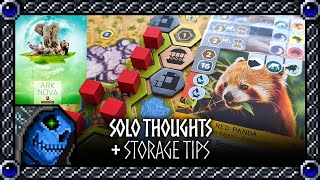
- Strong card-row mechanic that integrates well with engine-building
- Tight, puzzle-like decision making with dynamic variability via a large card deck
- Excellent solo mode with clear progression and time limits
- Clear, utilitarian art that supports playability and readability
- Upcoming expansion and variety of maps increase replayability
- Rule complexity and details easy to forget; requires careful study
- Non-conventional turn structure can create confusion; sequencing and triggers matter
- Some enclosure and animal-rule interpretations can be fuzzy; needs reviewer-made cheat sheets
- Zoo management, conservation, biodiversity, and visitor appeal
- Modern zoo development and conservation project planning
- Card-driven tableau engine-building with thematic progression
- Terraforming Mars
- Civilization on Udon
Mechanics (from transcript analysis)
- animal_enclosures_and_release_rules — Managing animals with enclosures and release constraints, with specific rules to track animals.
- Card_row_action_selection — Actions are taken from a row of action cards; choosing a card advances the round and enables subsequent actions.
- deck_building_and_card_play — Players acquire cards to build their personal tableau and enable future actions.
- polyomino_blocks_and_building — Placement of building components using polyomino-like shapes to shape infrastructure.
- resources_and_conservation_projects — Managing money, points, and conservation projects for scoring and expansion.
- tableau_engine_building — Assembling and upgrading cards to create efficient engine for zoo development.
Video topics + discussion points
Quotes (from this video)
- it's just pure joy every time that I've played this game
- I Adore the Apostle it's just so well done
- it's a very tight puzzle
- the art at least it's clear it is utilitarian it's not the prettiest game
- one page Less on a page really this is great
References (from this video)
- Strong, cohesive theme that drives action and decisions
- High replayability due to large deck and diverse objectives
- Excellent two-player experience with a compact yet deep play
- Engaging tile and card interactions create satisfying spatial and strategic puzzles
- Clear, attractive components and accessible learning curve
- Long playtime, especially with two players; 2-3 hours commonly
- Some may find luck elements in card draws mask skill
- Limited direct player interaction compared to heavier interaction games
- Can feel swingy if starting hands are unfavorable or sponsors are scarce
- End-game complexity can be intimidating for new players
- Zoo management and conservation with a strong educational flavor
- A modern, global zoo-building project where players manage habitats, guests, and conservation initiatives in a competitive environment.
- educational, with thematic tie-ins to real-world wildlife conservation
Mechanics (from transcript analysis)
- Card upgrades and synergies — Upgrading cards unlocks stronger abilities, but slots are limited, forcing strategic trade-offs.
- Card-driven action wheel — Players perform five basic actions whose power depends on position within the row, creating a rotating, variable action economy.
- Continental partnerships as resources — Gaining partnerships with continents provides access to research, donations, and sponsorship bonuses.
- deck-building / drafting — A large deck of animal, sponsor, and project cards is drafted and played to build your zoo engine.
- End-game scoring via dual tracks — Conservation and Appeal tracks determine the winner, with end-game triggers when one player reaches or passes both thresholds.
- tile placement — Establish enclosures and habitat tiles to place animals and gain scoring opportunities; spatial puzzle elements encourage optimization.
Video topics + discussion points
Quotes (from this video)
- it's my favorite game of all time
- it's a fantastic two-player game
- the theme is really well integrated into the game
- end-game triggers when the two markers are crossed
- variability is the name of the game; every play feels unique
- I crave this game; I keep coming back to it
- the puzzle aspect feels natural and engaging
- two to four players scales well, but two players is where it shines
- this is a game I would recommend in almost any collection
References (from this video)
- strong zoo theme and aesthetic execution
- large variety of cards with interesting abilities
- integrated action-selection system that supports meaningful decisions
- satisfying engine-building feel for eurogame fans
- game length is long, not very casual-friendly
- overall interactions perceived as low outside of animal-attacks moments
- some feel it is derivative of other games like New Dawn and Terraforming Mars
- Zoo building, animal collection, conservation, research
- Modern zoo development and management across diverse environments
- Eurogame-style engine-building with a heavy thematic veneer that simulates zoo management through tracked resources and card-driven actions
- A New Dawn
- Terraforming Mars
- Civilization: A New Dawn
Mechanics (from transcript analysis)
- Card-driven action selection — five action cards determine the available actions; played cards shift and influence future options
- deck-building / card acquisition — players draw, upgrade, and manage a large pool of unique cards with various effects
- engine-building — progress on tracks (appeal, conservation, knowledge) and upgrade actions over the game
- habitat management and animal placement — animals require habitats of adequate size; habitats and enclosures constrain where animals can go
- Resource management and scoring — income, costs, and scoring through cards, habitats, and conservation points
- Tile/Building placement — buildings and habitats are placed on a zoo board with size-based constraints
Video topics + discussion points
Quotes (from this video)
- this is going to be a tricky review and there is a lot to like in ark nova
- first and foremost its theme, making a zoo and collecting different types of animals is just neato
- the best thing about this game is the whole zoo thing, it's a great theme and it's well executed
- ark nova, a great mechanical mixtape
- it's also far too long to be very casual friendly
References (from this video)

- Strong thematic integration and depth
- Rich engine-building with long-term strategic payoff
- Beautiful production values and components
- Long play time and potential for rule complexity
- Steep learning curve for new players
- Conservation, biodiversity, and zoo management
- Zoo development and conservation in a modern, expanding world
- Procedural/engine-building
- Seventh Continent
Mechanics (from transcript analysis)
- action selection — Strategic action selection through a multi-action system that influences future rounds
- Card-driven interactions — Cards influence available actions and scoring opportunities
- engine-building — Developing an engine via animals, buildings, and projects to score and grow
- hand management — Managing a hand to optimize actions while pursuing long-term strategy
- tile/board placement — Placement of tiles on a central and personal board to develop the zoo
Video topics + discussion points
Quotes (from this video)
- the podcast is now available
- gridcon starts tomorrow
- it's mind bug this is mind bug this is a non-collectible dueling card game
- Mind Bug is going live on Kickstarter tomorrow
- I want to do an unboxing of the tapestry expansion
References (from this video)

- Great action selection system
- Favorite game of the host
- Limited engine building on tableau
- Building and managing sanctuary
- Zoo/nature setting
- Management game
- Civilization New Dawn
- Electrifying
Mechanics (from transcript analysis)
- Escalator Action Selection — Uses escalator system for action selection
- Limited Upgrades — Can flip cards or replace with new ones
Video topics + discussion points
Quotes (from this video)
- It's sort of like war with actual decisions
- It'll take two minutes
- That was amazing. I wonder if that game is like that every time
- It turns out that it was
- So many card games following it have been inspired by that obviously
- The coolest combo you can make in Mystic Veil is like here. The coolest combo you can make in Mystic Lands is like here, right? And the average is like there
- What I made, right? Even if you didn't win, right?
- The most unique way that I have ever encountered an engine builder
- An unbelievably satisfying gameplay experience to destroy
- Betting is like a way to make people care about an outcome
- Poker is a terrible game if you're just playing it right? Uh but the second you're betting with money and you care, right?
- Why do we root for sports teams, right? Like our the day after go Dodgers
- The sitting back and then seeing what happens - yeah there is a really fun aspect to that
- Train making time. When all the technology moves to a certain thing, everybody is making trains, right?
References (from this video)
- deep strategic choices
- beautiful production
- high replay value
- very heavy for casual players
- long setup and teach
- steep learning curve
- conservation and business strategy
- zoo management, nature preservation
- narrative-driven euro with strong theme
- Wingspan
- Terraforming Mars
Mechanics (from transcript analysis)
- Card row action selection — Five cards in a row; progress left-to-right as you use cards
- Resource management — Manage resources to unlock actions and score
- tile/board development — Place actions and buildings to grow your zoo and conservation efforts
Video topics + discussion points
Quotes (from this video)
- Sleeping Gods is a story game where there are tons of choices you just get stranded with your ship and a logbook.
- Arc Nova is on the heavy side, super heavy side where you build a zoo.
- You always can draw as many cards you want from your deck until you either burn or you stop.
- it's the party hit for this year for sure.
- Wavelength is the party hit for this year as well.
- The Crew Deep Sea Edition is the most played game this year because it's much easier to play.
References (from this video)

- Deep thematic integration
- Multiple viable strategic paths
- Very high learning curve
- Long play time can be prohibitive for some groups
- Biodiversity, ecosystem planning
- Global zoo development and conservation
- Semi-realistic, documentary tone
- Terraforming Mars
Mechanics (from transcript analysis)
- action selection — Three action discs (or action selection mechanism) guide what actions players take each turn.
- card drafting / engine-building — Draft cards to build an engine of actions and acquire animals, buildings, and sponsorships.
- Resource management — Manage money, workers, and other resources to meet goals and unlock abilities.
- tile placement — Place habitats and other tiles to develop the zoo and score points.
Video topics + discussion points
Quotes (from this video)
- Ark Nova faster than I do
- Ark Nova is welcoming
- Atmosphere is everything
- Think beyond yourself
- Don't be a jerk
- Celebrating the moments, not just the wins
References (from this video)
- deep, strategic engine-building
- great components (inferred from the talk)
- long playtime implied by the session
Mechanics (from transcript analysis)
Video topics + discussion points
Quotes (from this video)
- no one's made a game about that
- decorum is a co-op yes it is not too co-op
- we would shut the game down
References (from this video)

- deep, highly thematic Euro with extensive strategic depth
- dense decision space with meaningful long-term planning
- great for fans of engine-building and tableau-building
- heavy on setup and teach time
- can be lengthy and intimidating for newcomers
- conservation biology, ecology, and species management
- A modern, expansive zoo-building and conservation empire in a future-facing world.
- epic, multi-round planning with long-term strategy
- Ankamastra
- Feudum
Mechanics (from transcript analysis)
- engine-building — Players develop a personal arc of actions to improve efficiency and long-term scoring potential.
- progress tracking and objectives — A broad set of scoring opportunities across habitats, research, and animal welfare creates diverse paths to victory.
- tile and card drafting — Tactical placement of enclosures, businesses, and exhibits is balanced with a card-driven action economy.
Video topics + discussion points
Quotes (from this video)
- I'm very scared I even like I had a nightmare last night I was like I know I'm going to do so bad
- Camel Up does in fact actually play up to eight players
- you didn't fail you job number two man if I gotten eight that would have been perfect
- ark nova but you did quite well
- Baron Park you can add three points and you are now at four points for the game so far
- takenoko the chibies EXP Manion because it's from a panda
References (from this video)

- wide variability via maps and cards
- low maintenance solo mode that works well
- enjoyable puzzle integration
- expansion content adds complexity
- eco-building and conservation puzzle
- zoo/animal conservation theme
- highly interactive puzzle with a lot of variability
- Terraforming Mars
Mechanics (from transcript analysis)
- polyomino-like space management — tiles and spaces management alongside a large board.
- tableau building — engine-building via card play and positionally arranging actions.
Video topics + discussion points
Quotes (from this video)
- this is the zombie game in my collection
- gaming Nirvana
- my first ever certified dopamin award
References (from this video)
- Heavy euro that finally nails zoo theme
- Kicks Terraforming Mars to the curb
- Multiple paths to victory
- Excellent asymmetric powers on maps
- 250 different cards gives enormous replay value
- Great thematic flavor - feels like building a zoo
- Good artwork from Ryan Laukat
- Works well at all player counts (2-4)
- Solo mode works well
- Action row selection mechanic is excellent
- Great combination of mechanics
- Theme is relatable and strong
- Long game with four players
- Not the most interactive euro
- Building and managing a zoo
- Zoo management with various animals and exhibits
- Strong thematic wrapping on euro mechanics
- Terraforming Mars
- Rajas and the Ganges
- Civilization: A New Dawn
Mechanics (from transcript analysis)
- Action row selection — Cards in a row that activate actions, strength depends on position, card goes to back when used
- Deck building — 250 cards of different animals, sponsors, and projects
- Two Scoring Markers — Borrowed from Rajas and the Ganges with dual scoring tracks
- Worker Placement Style — Multiple action rows provide different options
Video topics + discussion points
Quotes (from this video)
- definitely kicks like Calico to the curb
- this is definitely the gateway seven wonders game, seven wonders is not a gateway game
- it's an opportunity game that's what I like
- it's interactive one of the more interactive euros out there
- no one is talking about this
- wow does it burn your brain
- the uniqueness factor at this game really works
- it's like the most flexible DM in the world
- every decision I make feels meaningful
- Ark Nova easily easily my number one of the year
- I fell in love with it like halfway through the game
- it's so good
- cannot wait to have this in my collection
- hallmark of a great game where you play it and you'll want to play it again as soon as possible
References (from this video)

- deep strategic puzzle with high variability
- lengthy playtime and complex rules
- Environmental planning and species preservation
- Zoo conservation and biodiversity management in a modern context
Mechanics (from transcript analysis)
- engine-building — Develop an engine of actions with cards and tokens to score points.
- tile placement / building layouts — Place enclosures and facilities to attract animals and visitors.
Video topics + discussion points
Quotes (from this video)
- Terraforming Mars. I'm not going to lie to you.
- You can't win three times.
- Never give up. Never give up.
- This is a World Series championship. Australia, the Netherlands, I mean it's all over.
- The three people or four people that really need to be recognized and that is Mr. Chris George, Marcy Stark, Ernie Gazowski, and Shane McB.
References (from this video)

- Clever five-card engine with tight sequencing
- Excellent thematic integration and engaging decisions
- High replay value with multiple paths to victory
- Some players find the system heavy or long to teach
- conservation, exhibits, and educational storytelling
- Zoo management in a modern, strategic framework
- card-driven engine with tight sequencing
Mechanics (from transcript analysis)
- Card-driven engine with slot system — Five bottom cards provide actions; actions slide back to the first slot after use
- Engine-building and sequencing — Plan action order to maximize combos and unlocks
- Zoo-building and animals — Construct enclosures and develop exhibits to score points and capabilities
Video topics + discussion points
Quotes (from this video)
- the moment there you are just deciding the path you're gonna go and you just have all this amazing stuff in front of you
- it's such a fun part of terraforming Mars
- this pacing of your hurting your cattle all the way through the path to Kansas City
- the order of actions is critical and you have to plan ahead
- it's the type of game that makes your brain mush in a good way
- it's a really accessible Cooperative game that I can play with just about anybody
References (from this video)

Mechanics (from transcript analysis)
Video topics + discussion points
Quotes (from this video)
References (from this video)

- deep engine-building
- rich thematic integration
- high replayability
- heavy rules
- long playtime
- building an eco-centric wildlife park with species management
- zoo/vizualized conservation and park development
- engine-driven, heavy thematic through actions and cards
Mechanics (from transcript analysis)
- deck-building — acquire cards to unlock actions and bonuses
- engine-building — develop a self-sustaining system to generate resources
- worker placement — place workers to take actions across multiple tracks
Video topics + discussion points
Quotes (from this video)
- I really love this idea of designer diaries.
- There are designer diaries actually at this point pretty much constantly on board game geek.
- There's tons and tons of reviews coming out on BG. People are asking questions.
References (from this video)

- huge card pool; high variety and depth
- very replayable; many strategies emerge from card interactions
- long play times
- steep learning curve for new players
- engine-building with card drafting and long-term planning
- modern zoo-building and animal conservation
- strategic, deep; highly replayable via card variety
- Terraforming Mars
Mechanics (from transcript analysis)
- Card drafting / selection — a large pool of unique cards to curate a personal engine
- engine-building — cards create engine strength and efficiency to perform actions
- tile placement / scoring — board layout and scoring based on enclosure and animal zones
Video topics + discussion points
Quotes (from this video)
- board games are not pizza you should not order a box up its content
- board games are art they should be savored and appreciated and shared with friends
- variability and replayability are the same thing they're not
- core gameplay is the key
- you can play forever and ever
References (from this video)

- Terraforming Mars
Mechanics (from transcript analysis)
Video topics + discussion points
Quotes (from this video)
- five action cards and you slide the rest of them down
- the puzzle of how to maximize your actions is so rewarding
- the simultaneous play fantastic
- the fast-paced, epic feel of Through the Ages
- the ultimate Lord of the Rings board game
- the money that you're paying and you build and collect in Millennium Blades
- the definitive racing game in Heat: Pedal to the Metal
- this is Arkham Horror: The Card Game—living card game experience
References (from this video)

- Array
- Array
- Array
- Array
- Array
Mechanics (from transcript analysis)
Video topics + discussion points
Quotes (from this video)
- Ark Nova oh oh I think I know this one okay
- I think this is great I all I remember is there was an elephant on the cover that's all I remember
- I'm winning yeah obviously because you actually at least drew an elephant
- it actually is really close like can for 30 seconds it's a train and someone going pew pew
- I am actually doing way better than I thought
- we encourage you to do some fun challenges with your friends and family for board games
References (from this video)

- Zoo and conservation theme is engaging
- Infinite strategic variety based on available cards
- Multiple viable strategies including different track focuses
- Interesting action selection system creates sequencing decisions
- High replayability with different card combinations
- Thematic and strategic satisfaction
- Zoo management and animal conservation
- Zoo and conservation setting
- Thematic resource management
- Terraforming Mars
Mechanics (from transcript analysis)
- Action queue system — Five action types; taking an action moves it to the back and strengthens other actions
- Animal acquisition — Acquire animal cards, meet their prerequisites, and place them in enclosures
- Card prerequisites — Similar to Terraforming Mars with card prerequisites and synergies
- Dual track progression — Manage appeal track and conservation track that determine game end
- worker placement — Place workers on conservation projects
Video topics + discussion points
Quotes (from this video)
- You play games less than you think. That is true.
- I play this game a ton. It's like I probably only play the game like three times. It just feels like more because the gameplay is so robust.
- This is what makes it so kind of infinitely playable
- I think that's one of the reasons why Pandemic was such a successful gateway game
- You didn't know board games could be this
- if you've only ever played Monopoly and sorry these kind of mass market games you got to show them something that's just different to that
- I've just I didn't know any of this could exist
- it was nuts. We were throwing down like six games a week probably easily. It was insane
- Better arches is unreasonably fun
- And then we finally dove farther and farther in and here we go
References (from this video)

- hot game, highly anticipated
- engaging thematic integration
- beautiful production
- long playtime (2-3 hours)
- eco-simulation and infrastructure planning
- Zoo-building and conservation planning
- serious strategy
Mechanics (from transcript analysis)
- action selection — select actions via action system
- board and card interactions — engine cards and zoo board interactively
- engine-building — build an engine to run zoo operations
- Resource management — manage funds, animals, and facilities
Video topics + discussion points
Quotes (from this video)
- it's a fun game
- we love y'all
- the artwork is gorgeous
- the colors are beautiful
- it's a thinky
- it's more thinking than the others
- don't wake the dragon
References (from this video)
- rich theme, deep strategy
- dense interactions and long-term planning
- steep learning curve
- heavy component management
- conservation and infrastructure planning
- modern zoo/world
- systematic strategy with thematic underpinnings
Mechanics (from transcript analysis)
- engine-building — complex resource and action economy to build and operate a zoo
Video topics + discussion points
Quotes (from this video)
- temper your expectations people
- i want board games to be different
- it's the hotness news at the moment
- i definitely want publishers to push the envelope
- i'm not hyped about this at all
References (from this video)
- Deep, satisfying strategy
- Elegant integration of multiple mechanics
- Heavy; long setup and play time
- Conservation planning and expansion
- Zoo/conservation and habitat management
- Strategic, engine-building
Mechanics (from transcript analysis)
- engine-building — Cards drive actions to build a large engine for scoring.
- hand-management — Smart card play to optimize combos and triggers.
- resource/worker-like actions — Workers or action selection to coordinate actions and progress.
Video topics + discussion points
Quotes (from this video)
- it's only a game
- New Zealand is definitely my factor
- I would give it a six out of ten
- Horse steak was surprisingly nice
References (from this video)

- Rich, thematic feel that makes zoo-building feel tangible and satisfying.
- Deep engine-building with meaningful choices in action sequencing.
- High replayability due to a large card/tile pool and varied scoring paths.
- Elegant integration of theme and mechanics when the session is flowing.
- Satisfying puzzle regarding tile/front-back tile management and exhibition placement.
- Long playtime and potential for fatigue during extended sessions.
- Action selection and pacing can feel slow or repetitive for some players.
- Market luck can disproportionately affect feasibility of certain strategies.
- Solvability can hinge on luck of the draw, reducing predictability.
- Complex rules can create a high entry barrier for new players.
- Conservation, education, and public engagement through strategic development of a zoological park.
- A modern, globally-minded zoo-building simulation where players plan, build, and manage habitats, exhibits, and research initiatives to attract visitors and advance conservation goals.
- Card-driven, often solo-engine-building play with heavy emphasis on long-term strategic planning and balancing multiple scoring tracks.
Mechanics (from transcript analysis)
- card drafting and action selection — Players curate a personal hand of action cards and select actions each round, shaping their engine and future options.
- Card-driven scoring and objectives — Multiple scoring tracks (appeal, conservation, VP from cards) that require attention to diverse objectives.
- engine-building and resource management — A complex system of cards and tiles that grows your zoo’s capabilities, requiring careful resource planning and timing.
- Market/tile market interaction — A rotating market of tiles and cards that players draft from, introducing variability and luck into each session.
- Tile and building placement — Players place enclosures, buildings, and facilities on their personal board, creating synergies and optimizing scoring opportunities.
Video topics + discussion points
Quotes (from this video)
- I don't find that I'm very strategically maneuvering the four cards in front of me.
- I was really hoping for that same type of tension in a quicker format. And that's not what to expect, I think, in this box.
- The puzzle on flipping those tiles and deciding what tile to front and back and forth is compelling, though sometimes luck plays a big role.
- I think there's a puzzle there, but whether it's solvable really depends on some luck of the draw.
- I think that it's a good game despite its big length.
- The action selection isn't thrilling, which is my favorite part of Ark Nova, ironically supporting the idea that the rest of the game can feel heavy at times.
References (from this video)

- deep strategic planning
- beautiful production
- very heavy, long setup and playtime
- ecology, management, and sustainability
- zoo-building and conservation in a sprawling park
- epic euro-style campaign
Mechanics (from transcript analysis)
- card drafting / action selection — players choose actions with card-driven engine to manage the zoo
- Resource management — balancing staff, money, and animal enclosures
Video topics + discussion points
Quotes (from this video)
- Root is my favorite game of all time
- it's just incredible looking i mean the tower is a toy and i don't care i want to play with it
- we're going to return to dark tower this is a showpiece
- wizard of oz was in it
- i sleeved all the cards i love the theme
- i'm really really excited to play this
References (from this video)

- Deep systems and thematic depth
- Beautiful components and thoughtful design
- Steep learning curve
- Prominent table presence and setup time
- zoo ethics, habitat design, biodiversity
- Wildlife conservation and zoo management in a modern conservationist dream
- serene but strategic
Mechanics (from transcript analysis)
- engine-building / set collection — players design habitats, acquire animals, and balance conservation goals
Video topics + discussion points
Quotes (from this video)
- Flamecraft as a human just let me describe them and you'll know what I mean
- Fage now Mage is that fancy foodie friend who brings a curated cheeseboard to literally every Gathering
- I nailed it
References (from this video)

- deep strategy
- high replayability
- strong thematic integration
- long playtime
- steep learning curve
- Zoo development and biodiversity
- Modern era zoo planning
- Strategic planning with modular advancement
Mechanics (from transcript analysis)
- card drafting — select cards to develop zoo and actions
- engine_building — build engine to generate resources and score points
- set_collection — collect cards to trigger scoring synergies
Video topics + discussion points
Quotes (from this video)
- Wingspan got I got four plays of wingspan in this last year and now that thinking back on it I did have a couple that I introduced it to earlier in the year
- I played 49 games of Uno 49 sessions
References (from this video)

- Rich, dense decision space
- Excellent production
- Heavy and long for some groups
- building and optimizing a wildlife park
- zoo management and conservation
- Terraforming Mars
- Dune: Imperium
Mechanics (from transcript analysis)
- card drafting / engine-building — assemble actions and cards to build and balance zoo projects
Video topics + discussion points
Quotes (from this video)
- five times if you don't you got to get rid of those games
- you're going to pick which pile I have to play five times or else I'm getting rid of that pile anyways
- my board game collection this is my board game shop
- Wingspan killer did I say that cuz I meant it
- it's a unique game where you're placing cards and literally a book and then turning pages
- thank you for watching
References (from this video)

- Deep strategic gameplay
- Unique action card mechanic
- High engagement despite cutesy theme
- Heavy rules and decisions
- Can appear deceptively cute for complexity level
- Zoo Building
- Animal Conservation
- Environmental Protection
Mechanics (from transcript analysis)
Video topics + discussion points
Quotes (from this video)
- 170,000 logged plays... almost 500 times each day - how can this be the most played game
- the news must be fake in 365 days
- by the mission 35 you're like are we even playing the same game
- you have to go fast but the faster you go the closer the corner gets
- took something classic trick taking games been around for hundreds of years and made it into something more modern
- a lot of people play solo and if you play game solo it's much easier to get the gaming group together
- what's on the board stays on the board
References (from this video)

- expansion adds marine worlds and deeper thematic layers
- strong balance of strategy and accessibility for a heavier game
- long play time can be taxing for casual sessions
- environmental planning with collaboration and competition dynamics
- eco-conservation and zoo development in a modern setting
- crunchy, long-tail strategy with modular systems
- Lorenzo Magnifico
- Terraforming Mars
Mechanics (from transcript analysis)
- action planning / efficiency optimization — players optimize actions to build enclosures and acquire animals
- deck-building / engine-building — cards drive animal acquisitions, buildings, and upgradable engines
Video topics + discussion points
Quotes (from this video)
- "it's a sandbox of fun"
- "the rules are very, very simple"
- "playing the long game"
- "this is one of the best co-op games"
- "the setup time for the size of the box is one of the best ratios"
References (from this video)

- Deep, rewarding Euro experience
- Tons of decisions and replayability
- Very heavy for some players
- Heavy euro engine-building and thematic depth
- Zoo management with conservation and exhibitions
- Narrative around zoo development and species care
- Gloomhaven: Jaws of the Lion
- Photosynthesis
Mechanics (from transcript analysis)
- card-driven action system — Actions are chosen from a row of cards that influence engine growth.
- Placement and zoning — Build enclosures, habitats, and facilities across the zoo map.
- Tableau/engine building — Cards become part of a stacked engine that drives actions.
Video topics + discussion points
Quotes (from this video)
- Dominion is the greatest deck building game of all time.
- It's a chess with dice.
- It's a horse betting simulator for the whole family.
- The biggest draw of Massive Darkness is that each hero is hugely asymmetric.
- In Space Base, you have your own fleet of ships that are flying into space to generate cash.
References (from this video)

- expansion adds huge variability and new strategic options
- strong upgrade and progression system with meaningful choices
- great thematic integration and visual design
- can be long and heavy for casual gamers
- the expansion may require re-adjusting existing strategies
- zoo management, conservation, biodiversity
- Zoo and wildlife conservation planning across a future-tinted world
- campaign-like euro with evolving goals and player-driven engine building
- Terraforming Mars
- Wingspan
Mechanics (from transcript analysis)
- card drafting / action selection — players draft and select actions to run and upgrade their park
- deck-building — each player uses a personal deck of action cards that shapes their options each round
- tile-placement / engine-building — placing enclosures, signage, and facilities to generate resources and points
- variable-scoring / objectives — end-game scoring is driven by diverse, sometimes conflicting, park-building goals
Video topics + discussion points
Quotes (from this video)
- the logic puzzle is a lot of fun
- it's one of those games that I don't want to play all the time
- the balance in it is really fantastic
- this expansion was wonderful
- we recreated you know this show that he's into and got to play a game together
References (from this video)

- beautiful art and components
- tight design and pacing
- rulebook density
- multi-tasking can be daunting
- eco-system design and strategic planning
- bio-diverse zoo-building and conservation
- procedural, heavily system-driven
- Terraforming Mars
- Gaia Project
Mechanics (from transcript analysis)
- set collection — building a diverse zoo with unique animals
- vector/hand-management — progress on multiple tracks while delaying others
Video topics + discussion points
Quotes (from this video)
- it's not plug and play, it just works like a switch
- five possible tables just cuz one isn't enough
- you own your board games, you own them; video games are a lease
References (from this video)

- Zoo management, biodiversity, and animal welfare
- Zoo-building and conservation in a modern, near-future theme
- humorous, lighthearted commentary on a top-10 list theme
- Mine Flex
- Prodigals Club
Mechanics (from transcript analysis)
- deck-building — Using action cards to perform game actions.
- engine-building — Developing a cohesive zoo-building engine over the game.
- Resource management — Managing funds and other resources to grow the zoo.
- tile placement — Positioning enclosures and buildings on the board.
Video topics + discussion points
Quotes (from this video)
- ALL THE KEYS ARE DIFFERENT.
- I never thought I'd die in a closet with my co-workers.
- Welcome ladies and gentlemen to another draft.
- This box is huge. WHAT'S THAT COWBOY DOING? He's big.
- Subscribe to continue. Three, two, continue. Dab on it.
- I've been out here all the whole time setting up decorations for New Year's.
- The chair incident was highly overblown.
- Dying in a closet with your friends.
References (from this video)

- Theme-forward with strong engine-building
- High-quality production
- Rule complexity can be intimidating
- Conservation, planning, and engine-building
- Zoo park civilization-building and conservation
- Modern euro-with-theme
- Gaia Project
- Brass
- Age of Innovation
Mechanics (from transcript analysis)
- Card drafting and deck-building — Seasonal actions via a personal tableau
- worker placement and resource management — Balance animals, grants, and developments
Video topics + discussion points
Quotes (from this video)
- I think it might just be the most underrated feature on Board Game Geek.
- I found it to be very very helpful for myself.
- the analyze feature is actually built into every game page.
- Lisboa might be one that I want to check out.
References (from this video)

- Infinite replayability with card-driven design
- Different puzzle each game based on card draws
- Many viable strategies and synergies
- Recently replayed and highly enjoyable
- Large card pool creates variation
- Conservation and zoo building
- Modern zoo management
- Economic strategy with conservation focus
- Terraforming Mars
Mechanics (from transcript analysis)
- card-driven gameplay — Large deck of animal cards drives the game with various effects and tags
- Conservation and appeal — Balance conservation efforts with visitor appeal
- Enclosure Building — Players build enclosures and place animals within them
- Pivot strategy — Adapt plans based on available cards and draw
- Synergy optimization — Create synergies between cards and animals for scoring
Video topics + discussion points
Quotes (from this video)
- the infinite replayability of cartographers...is because like the order that the cards come out that show those land types will always be different
- the game is how do I deal with the puzzle that's given to me right
- you're playing the player right...it's about positioning it's about all that kind of stuff
- this is a game that's been around for a very long time it's still such a lifestyle game for some people
- you can just play forever and ever and ever there's always strategies to explore
- the playability comes with the fact that there's this massive menu of options
- we'll never create the same Clover twice
- literally has millions of combinations of different puzzles
- the entire purpose of the game is you were given this hand of cards...how do I make this work
- the puzzle is always interesting because the puzzle is what's in your hand
- the puzzles going to be different every time and it's just always always interesting and fun to play
- every single one of these Spirits plays wildly differently...they're super asymmetric
- it's infinitely playable...it really is...a lifestyle game for so many many people
References (from this video)

- Deep synergy between cards and board actions
- rich engine-building with high replay value
- can be solitaire-feeling at times
- rules heavy for new players
- conservation and ecosystem management with heavy engine-building
- zoo-management and conservation, strategic tableau-building
- system-driven with thematic flavor
- Terraforming Mars
- Terraformed equivalents
Mechanics (from transcript analysis)
- actionCard drafting and engine development — cards provide one-time and ongoing benefits; synergies drive engine growth
- Card-driven tableau building — players curate a hand of blue and one-shot cards to trigger effects
Video topics + discussion points
Quotes (from this video)
- "I think this is my favorite Alexander Fisher game"
- "it's just it just works for me like it just clicks with my brain"
- "I adore teach you it's one of my favorite games"
- "terraforming mars is one of my favorite games"
- "you can gain hopefully some insight from that"
References (from this video)

- Rich theme and deep strategic space
- High replayability and player interaction via choices
- Long playtime and heavy teach
- Ecology and exhibits, institutional development
- Global zoo-building and conservation
- Deep strategic engine-building
Mechanics (from transcript analysis)
- Card-driven action selection — Actions are driven by cards; timing matters
- deck-building — Acquire cards that power actions and combos
- engine-building — Build a long-term engine to maximize points
- tile/board placement — Place enclosures and facilities to unlock scores
Video topics + discussion points
Quotes (from this video)
- Spirit Island's fantastic it is one of my favorite co-ops of all time
- it's not for everybody
- I love teaching games
- I just want a nice Speedy game
- The Crew is a great trick taking game
- Scythe is not a fun one to teach
- it's got the most stuff in it which also makes it the harder one to play with Noobs
- ironically the first game I ever played at a board game club that got me into the hobby was Seven Wonders with leaders included where I actually won the game
- it's a fantastic fun game
- I've played this game a lot