Between Two Castles of Mad King Ludwig is published by Stonemaier Games as part of a collaboration with Bezier Games.
The king demands a castle! You are a world-renowned master builder who has been asked by the Mad King Ludwig to help design his castles. Projects of such significance require the expertise of more than one person, so for each assignment you are paired with another master builder to execute your grandiose plans. Will your planning and collaborative skills be enough to design the most impressive castles in the world?
Between Two Castles of Mad King Ludwig is a competitive tile-drafting game in which each tile is a room in a castle. You work together with the player on your left to design one castle, and with the player on your right on another castle. On each turn you select two tiles from your hand, reveal them, then work with your partners to place them. To win, you have to share your attention and your devotion between two castles.
This game includes 147 regular room tiles with unique art, 83 other tiles, 20 bonus cards, 7 custom wooden castle tokens, 1 full-color, double-sided scorepad, and a 4-piece Game Trayz custom insert that reduces setup time to less than 60 seconds.
—description from the publisher

Mechanics (from transcript analysis)
Video topics + discussion points
Quotes (from this video)
- stats don't lie
- we love this game
- it's the perfect game to introduce people to worker placement
- the stats don't lie
References (from this video)
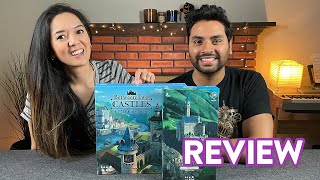
- Clear, approachable tile-drafting mechanic that scales well with player count
- Strong group dynamic when played with four to seven players
- Rapid play for a game with thematic depth and multiple scoring avenues
- Expansion-friendly and integrates neatly into the base box
- Shuffling a large number of tiles can feel tedious
- Three-player games can feel slower or less interactive
- Requires coordination with teammates, which can stall if players fail to communicate
- Castle-building, collaboration and negotiation between teammates who share a common board space.
- Medieval realm-building around the private kingdoms of a mad king, with two co-constructors shaping rival castles via shared tiles.
- Puzzly, competitive yet cooperative drafting; a marriage of two classic drafting concepts (Between Two Cities and Castles of Mad King Ludwig) realized as a joint castle-building puzzle.
- Between Two Cities
- Castles of Mad King Ludwig
Mechanics (from transcript analysis)
- dual castle construction — Players actively manage two separate castles at once, sharing responsibility with neighbors to build both structures toward high scoring layouts.
- placement restrictions by level — Throne rooms sit on ground level while some rooms must be placed underground; tiles indicate their allowable levels and scoring.
- round rotation — Over two rounds tile pools are rotated counterclockwise to keep drafting dynamic and encourage different partner decisions.
- scoring by room types and connections — Scores come from room types, with bonuses for diversity (e.g., all six room types) and other adjacency-based scoring rules.
- special tiles and bonuses — A yellow tray introduces special tiles that grant bonuses (extra tiles, extra placements) and unique scoring twists.
- tile drafting — Each round players secretly choose two tiles from a hand of nine and contribute one to the castle on their left and one to the castle on their right.
Video topics + discussion points
Quotes (from this video)
- the expansion is kind of a no-brainer
- this expansion fits in the base box
- it adds more player interaction
- eight players now possible, which is great for meetups
- shuffling the tiles is one of the most tedious parts of the game
References (from this video)
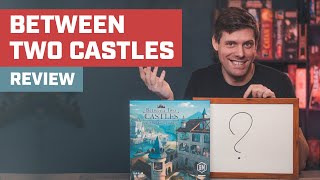
- Unique cooperative-competitive blend with scoring tied to the worst castle
- Strong fit for family nights and mixed groups
- Decent two-player variant beyond the box information
- Solid inserts and component quality; tidy packaging
- Tiles and room-theme visuals are appealing; drafting is engaging
- Lacks standout novelty beyond its cooperative twist
- Tile system can feel dense; not a gateway game
- No-talking rule can hinder spontaneous discussion during draft
- castle construction and architectural planning in a feudal setting
- Medieval castle-building around a shared table, with two neighboring castles to manage.
- tile-drafting and simultaneous selection with end-game scoring based on the weaker castle
- Sushi Go
- Carcassonne
- Wonders
- The Crew
Mechanics (from transcript analysis)
- multi-player / asymmetric pacing — the game scales from 2 to 7 players with a two-player variant.
- neighbor interaction — players can trade or buy resources from neighboring players.
- no-talking rule during draft — when selecting tiles you should not discuss with other players until revealed.
- scoring by weakest castle — final score is determined by the lesser of the two castles' scores.
- tile drafting — players draft two tiles from a pool for each of their two castles.
- tile placement — tiles are placed into each castle, contributing to room-based scoring.
Video topics + discussion points
Quotes (from this video)
- The unique thing is the cooperation with everybody and you can get this cooperation from three plus players.
- It's not really a cooperative game at all to be honest; it's just part of it, but it feels quite unique.
- I think everybody can get satisfied with this concept of you doing something together with somebody else.
- Between Two Castles will work; Sushi Go as you mentioned is much lighter and it's a lot more visually appealing.
- Just simply family night; it's not a gateway game; this is definitely not something you would just get into board games with.
- It's really good; it's a good game that I will enjoy whenever I play it.
References (from this video)

- Semi-cooperative gameplay is unique
- Easier to teach with experienced players helping
- Good balance of competition and cooperation
- More engaging after multiple plays
- Lots of things to juggle mentally
- Complex for players wanting simpler premises
- Requires remembering what different tiles do
- Castle construction and architecture
- Medieval castle building
Mechanics (from transcript analysis)
- Semi-cooperative — Mix of cooperation and competition
- Strategic depth — Multiple tiles with different functions
- tile placement — Players place different tiles to build castles
Video topics + discussion points
Quotes (from this video)
- I play Qwirkle every morning - it's a perfect way to start my day
- The art is just beautiful and I'm really proud to own and show off to people when they come over
- The game is whatever you create it to be
- This game blew my mind
- It feels like you can do anything and because of that I was just blown away
- You can play a hundred different ways and you could probably still win
- This is not gonna get old - we may not play it a ton but when we do play it it's always a blast
References (from this video)

- perfect mashup of Between Two Cities and Castles of Mad King Ludwig
- balanced difficulty between predecessors
- strong neighbor interaction and puzzle-like building
- castle design and collaborative building with a competitive edge
- Medieval castle-building with neighbors sharing walls
- mid-high complexity strategy with semi-cooperative dynamics
- Between Two Cities
- Castles of Mad King Ludwig
Mechanics (from transcript analysis)
- semi-cooperative play — Players cooperate with neighbors to influence outcomes while competing for personal goals.
- tile drafting — Select room tiles to place into two adjacent castles.
- tile placement — Place rooms in each castle while sharing walls with neighbors.
Video topics + discussion points
Quotes (from this video)
- it's freaking sick dad
- Between two castles is a perfect mashup of its predecessors between two cities and castles of mad king ludwig
- i love the working together with your neighbors aspect of between two cities
- these cards represent the influence of irish gods and heroes so it's only fitting that they could turn the tides
- ambush cards being able to tamper with your opponent's map from time to time really gives cartographers a much needed dose of player interaction
- nobody knows what anybody else's role is
References (from this video)
- Strong semi-cooperative mechanic makes teaching easy and alerts players to neighbor dynamics.
- Engaging tile drafting with clear strategic choices.
- Iconography can be small and reading the tiles may be challenging for new players.
- Semi-cooperative construction where you co-build a castle with the neighbor on each side.
- Castle-building in a medieval fantasy setting with neighbors.
- Social interaction-driven with a cooperative scoring twist.
Mechanics (from transcript analysis)
- semi_cooperative_play — Cooperation is necessary to maximize both neighboring castles’ scoring, while personal gain remains a factor.
- tile_drafting_and_selection — Choose tiles each turn and decide which castle the tile belongs to.
- tile_placement — Draft and place tiles to build two castles—one with the left neighbor and one with the right.
Video topics + discussion points
Quotes (from this video)
- it's such a classic and i would highly recommend it even if you're not into anime
- this game is what a push your luck game should be in my opinion
- i love this game i love the tension that it brings with such a simple concept
- semi-cooperative games and this one is a great example of the semi cooperative genre
- the mind is a super simple cooperative card game for two to four players where all you're trying to do is place your cards in ascending order
- between two castles is semi-cooperative because that means that it's really easy to teach new players
References (from this video)
- highly interactive drafting with strong player interaction
- great production quality and variety of tiles
- fun competitive yet cooperative vibe between players
- iconography and information density can be opaque for new players
- can be heavy for lighter gamers
- tile drafting, tile placement, and competitive castle building
- medieval fantasy kingdom design and castle building
- strategic and competitive with shared building space
- Between Two Cities
- Mad King Ludwig family
Mechanics (from transcript analysis)
- dice-free drafting and tile placement — draft two tiles, place in one of two castles per turn
- Set collection and scoring — score for groups of similar rooms; strategic placement matters
- tile rotation and monument tiles in expansion — expansion elements add monuments and variability
Video topics + discussion points
Quotes (from this video)
- This is the definitive Game of Thrones game if you want to capture the feeling of the epic battles for the throne.
- The best thing about this game is winning as House Lannister.
- The dice's combat is great and I personally do not like playing with the optional tides of battle cards.
- The art as always with Red Raven Games is stunning.
- Chinatown is deeply rooted in stereotypes of Chinese businesses and families; if you find that offensive, this game won't be for you.
- Circadian's First Light is a busy game with a heck of a lot going on.
References (from this video)

- easy pickup, strong replayability
- portability and quick plays
- great family and gamer crossover
- sudden scoring can feel surprising
- teach complexity can be a bit heavy for casual players
- collaborative yet competitive drafting to construct two castles
- medieval castle-building in a shared castle ecosystem
- highly thematic, competitive tile drafting
- Between Two Cities
Mechanics (from transcript analysis)
- shared scoring — score is determined by the shared layout and individual castle goals
- tile drafting — players draft tiles to fill two castles simultaneously
Video topics + discussion points
Quotes (from this video)
- Canvas is a really cool hand management set collection game with these really awesome transparent painting type cards that you layer on top of one another to score points
- the art is just absolutely amazing
- Wingspan continues to be one of my favorite games of all time
- this game is perfect for anyone who's interested in escape rooms or ciphers and puzzles
- it's really easy to get to the table which is one of the reasons why we played it so often
References (from this video)

- semi_cooperative_engagement
- interesting_scoring_mechanic
- castle_building
- royal_theme
Mechanics (from transcript analysis)
Video topics + discussion points
Quotes (from this video)
- I feel real sassy today
- I now have to accept that I was wildly inaccurate on both of those statements
- My favorite games right now are both co-ops and rolling rights
- I don't even care if I don't like it, I love it
- Everything about this game screams like I want to play you
- Where's Waldo adult board game
- This was both of our favorites
- Might be my favorite game I've played yet this year
- Vast is like an undercurrent game that no one really talks about but is super good
- The art is stunning, it reminds me of Coco
- We need to be better at playing our shelf of shame
References (from this video)
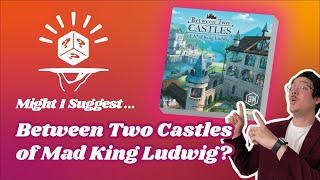
- Beautiful component quality and artwork
- Low barrier to entry with intuitive turn structure
- Flexible player count including a two-player variant
- Strong onboarding feel for new players and easy teaching moments
- Icons and text on tiles can be small and hard to read due to ornate art
- Endgame scoring is dense and can feel lengthy, especially for new players
- Rulebook/iconography can be dense for newcomers
- cooperative construction with competitive scoring
- medieval castle-building with neighboring players
- puzzle-like tile drafting and placement-with-endgame scoring emphasis
- Castles of Mad King Ludwig
- Between Two Cities
Mechanics (from transcript analysis)
- centerpiece throne room mechanic — Each round adds a throne room that affects scoring and strategy for the round.
- semi-cooperative scoring — Players coordinate to build while each castle is scored, ultimately using the lower of the two castles for final scoring.
- tile drafting — Draft and pass room tiles to shape your castle network.
- tile placement — Place tiles adjacent to existing rooms to expand your castle layout.
- variable room bonuses and symbol-driven scoring — Rooms provide multiple scoring conditions; bonuses can stack in varied ways.
Video topics + discussion points
Quotes (from this video)
- Between two castles took everything I loved about its two parent games
- it's surprisingly low barrier to entry
- endgame scoring can feel like it takes longer than the actual game
- there's an app for that
- barbie dream home fantasies
References (from this video)
- highly polished tile-placement experience
- strong emphasis on drafting and synergy with partner
- theme may feel abstract to some
- scaling to large player counts can be cumbersome
- asymmetric collaboration
- fantasy castle-building and crafting
- elegant, strategic tile drafting
Mechanics (from transcript analysis)
- tile drafting — players select building tiles to place in a castle shared with a partner
- tile placement — tiles are used to form two castles with differing scoring goals
Video topics + discussion points
Quotes (from this video)
- spirit island is really in my heart of hearts it's a game that i love solo and playing multiplayer it has unending amount of replayability and the synergy between the thematic resonance and the mechanical aspect of it the clock working and puzzle as you figure out every single scenario is just outstanding
- it's a condensed and succinct version it doesn't completely strip things away and it does add new mechanics to it
- distilling a larger concept into its most germane elements
- Between two castles is as far as i'm concerned one of the unsung heroes of the tabletop gaming world
- the cat's pajamas