Brass: Birmingham is an economic strategy game sequel to Martin Wallace's 2007 masterpiece, Brass. Brass: Birmingham tells the story of competing entrepreneurs in Birmingham during the industrial revolution between the years of 1770 and 1870.
It offers a very different story arc and experience from its predecessor. As in its predecessor, you must develop, build and establish your industries and network in an effort to exploit low or high market demands. The game is played over two halves: the canal era (years 1770-1830) and the rail era (years 1830-1870). To win the game, score the most VPs. VPs are counted at the end of each half for the canals, rails and established (flipped) industry tiles.
Each round, players take turns according to the turn order track, receiving two actions to perform any of the following actions (found in the original game):
1) Build - Pay required resources and place an industry tile.
2) Network - Add a rail / canal link, expanding your network.
3) Develop - Increase the VP value of an industry.
4) Sell - Sell your cotton, manufactured goods and pottery.
5) Loan - Take a £30 loan and reduce your income.
Brass: Birmingham also features a new sixth action:
6) Scout - Discard three cards and take a wild location and wild industry card. (This action replaces Double Action Build in original Brass.)
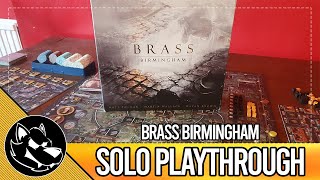
- Strategic depth
- Complex economic interactions
- Dynamic gameplay
- Complex for new players
- Requires careful planning
- Economic Development
- Industrial Revolution England
- Competitive Economic Simulation
Mechanics (from transcript analysis)
- economic engine building — Developing businesses and infrastructure
- network building — Connecting cities and industries
Video topics + discussion points
Quotes (from this video)
- I felt like I was being reactionary getting the booze and iron built along with Pottery but it all seemed to work out well
References (from this video)

- Rich economic depth and strategic choices
- Beautiful production values
- Heavy rules and long play time
- Can be punishing for newcomers
- economic development and railway expansion
- Industrial revolution in Birmingham
- dense economic strategy with economic engine
- Brass: Birmingham vs Brass: Lancashire
- Power Grid (economic engine comparison)
Mechanics (from transcript analysis)
- Economic engine / network building — Players grow networks and industries through rail and markets.
Video topics + discussion points
Quotes (from this video)
- Artwork does have a big impact on my interest in playing the game.
- I bought games just for artwork that I've never played.
- Santorini doesn't turn me off, and Arcadia Quest doesn't turn me off exactly but I would prefer it to be more realistic in general.
- I think games with Xavier Colette his kind of artwork he did the a lot of the dixit stuff.
- I love getting up and coming down here and shooting a video and editing a podcast and developing content for the next show.
- quit drinking soda it's poison.
- Feast for Odin is a Viking-era title that rewards careful planning.
References (from this video)
- Rich strategic depth and polished presentation
- Strong historical flavor
- Complex rules and longer play time
- Steep learning curve for newcomers
- economic development and rail expansion
- Industrial revolution in Birmingham
- deep economic simulation
- Brass: Lancashire
- Power Grid (economic engine comparison)
Mechanics (from transcript analysis)
- Economic engine / network building — Develop industries, connections, and markets.
Video topics + discussion points
Quotes (from this video)
- Artwork does have a big impact on my interest in playing the game.
- I bought games just for artwork that I've never played.
- Santorini doesn't turn me off, and Arcadia Quest doesn't turn me off exactly but I would prefer it to be more realistic in general.
- I think games with Xavier Colette his kind of artwork he did the a lot of the dixit stuff.
- I love getting up and coming down here and shooting a video and editing a podcast and developing content for the next show.
- quit drinking soda it's poison.
- Feast for Odin is a Viking-era title that rewards careful planning.
References (from this video)

- Interactive gameplay
- Economic ecosystem
- Industrial development
- Industrial Birmingham
- Economic interaction
Mechanics (from transcript analysis)
- Resource management — Building industries and delivering resources
Video topics + discussion points
Quotes (from this video)
- we put in the time and effort to play the best Euro AKA Resource Management games
- each game will feel completely because you will have completely different cards
References (from this video)

- Intense strategic decision-making
- Tight action selection
- Blend of long-term strategy and tactical decisions
- Economic development
- Industrial Revolution England
Mechanics (from transcript analysis)
- card-based action selection — Players use cards to build railways and industries
Video topics + discussion points
Quotes (from this video)
- Take this as just my opinion, it's my gut feelings on a game
- If I say I don't like a game that you enjoy don't let that take away from the fact that you enjoy the game
References (from this video)

- Complex Euro game
- Innovative design
- Economic development
- Gloomhaven
- Puerto Rico
- Twilight Struggle
Mechanics (from transcript analysis)
Video topics + discussion points
Quotes (from this video)
- the number one game is kind of like the face of the hobby
- I can push and pull and do whatever I freaking want to do based on my mood
- there's not really a good concrete objective objective
References (from this video)

- tight, interlocking engine with multiple viable paths
- high replay value and strategic depth
- lesson to play can be steep; long first session
- player interaction can be limited in some variants
- industrial growth, mining, and rail expansion
- Industrial Revolution era in Birmingham, England
- economic strategy with network building
- Agricola
- Railways of the World
Mechanics (from transcript analysis)
- hand management — select actions from a personal card hand to develop industry
- Network/link-building — connect coal, iron, and cloth markets through a network to maximize income
Video topics + discussion points
Quotes (from this video)
- this is the a to z board game challenge
- we love to challenge ourselves and each other
- there's no timer this isn't speed round because there's going to be some where it's going to be harder
- you should definitely do this at home it was super fun
- that is not easy that is so much harder than you would think
References (from this video)

- elegant, integrated euro engine with heavy player interaction
- complex rules for newcomers
- Railroads, canals, and industrial production
- Industrial England during the early Industrial Revolution
Mechanics (from transcript analysis)
- economic engine-building — Develop networks of industries to generate income and points.
- network optimization — Connect cities and maximize transport links for efficiency.
Video topics + discussion points
Quotes (from this video)
- Terraforming Mars. I'm not going to lie to you.
- You can't win three times.
- Never give up. Never give up.
- This is a World Series championship. Australia, the Netherlands, I mean it's all over.
- The three people or four people that really need to be recognized and that is Mr. Chris George, Marcy Stark, Ernie Gazowski, and Shane McB.
References (from this video)
- fantastic artwork and a strong table presence
- deep economic engine-building when it clicks
- theme felt boring to the speaker
- card system is restrictive and can be punishing
- some players feel the game is bloated or repetitive
- economic strategy, industry development, network building
- Industrial Revolution-era Birmingham, England
- historical economic simulation with heavy interaction
- Nucleum
- Barrage
Mechanics (from transcript analysis)
- Card-driven actions — player actions are largely determined by a hand of cards; some cards are wild or versatile
- engine/area control — players develop industries and build networks to generate income and VP
- Resource management — players juggle coal, iron, beer, steel, and other goods to optimize production and sales
Video topics + discussion points
Quotes (from this video)
- it's an open world exploration and survival game
- the rule book's just poorly laid out
- Ticket to Ride Legacy is a legacy Ticket to Ride game
- it's probably an eight out of ten for me at the moment
- an event deck which does you know get added to and subtracted to as the games go on
- nucleum does the job 6,000 views
- this is mean and punishing Euro
- I hate it, I want it to burn in hell
References (from this video)

- Industrial Development
- Industrial Era England
Mechanics (from transcript analysis)
- Canal building — Involves constructing canal networks
- Train Routes — Involves building train connections
Video topics + discussion points
Quotes (from this video)
- You have 10 seconds to figure out which board game is hiding underneath this blanket
References (from this video)

- Rich strategic depth
- Excellent production and pacing
- Dense rule set; can be intimidating to new players
- economic development and network building
- Industrial Revolution England
- heavy economic strategy
- Power Grid
- Caverna
- Age of Steam
Mechanics (from transcript analysis)
- engine-building — Develop a network of industries and capabilities to generate income.
- resource/hand management — Gather and spend coal, iron, and goods to upgrade and score.
Video topics + discussion points
Quotes (from this video)
References (from this video)

- Simple to learn
- Fast playing
- Rich historical context
- Challenging AI system
- Complex strategic decisions
- Economic development
- Industrial Revolution in Birmingham, UK
- Historical simulation
Mechanics (from transcript analysis)
- card-based action selection — Limited hand of cards with strategic placement
Video topics + discussion points
Quotes (from this video)
- Everything about this game you know the history and the fact that he can learn stuff
- The actual playing of the game itself is just so simple
References (from this video)

- deep, satisfying strategic engine
- strong theme integration with industrial growth
- great two-player play balance and space efficiency
- rule complexity can be daunting for new players
- table space can be tight with multiple players
- economic development, industry, transport infrastructure
- Industrial Britain during the early development of the rail and canal networks
- immersive strategy with thematic narration about markets and networks
Mechanics (from transcript analysis)
- economic engine — players develop industries and networks to generate income and score points
- Route Building — players lay rails and canals to connect industries and towns
- set collection / market dynamics — cards and market boards influence availability and scoring
- variable scoring — points depend on network depth, city development, and industry placement
Video topics + discussion points
Quotes (from this video)
- it's happening
- foster the meeple this is our board gaming table
- it's my first one so it's a little rough
- will dinosaur world fit
- boats and hoes
- it's a jazz game
- surprise one of my new favorite games
- i hate brass just kidding i love it
- thank you for coming to my ted talk
- and that's it for our new table thank you for watching and we hope to see you again soon
References (from this video)

Mechanics (from transcript analysis)
Video topics + discussion points
Quotes (from this video)
- oh dang I only got a minute to talk about some board games
- let's blind rank five games I don't know what's coming next
References (from this video)

- Complex but learnable
- Heavy player interaction
- Appeals to many game styles
- Thematic implementation
- Element of luck involved
- Multiple paths to victory
- Can be played suboptimally and still have fun
- Relatively easy actions despite complexity
- Some fiddly rules especially in Birmingham edition
- Steep learning curve
- Building industrial networks and infrastructure
- Industrial Revolution England
- Economic card-driven worker placement
- Gloomhaven
- Blood Rage
Mechanics (from transcript analysis)
- Area Control — Building networks across the board
- card play for actions — Play cards to take actions instead of traditional worker placement
- Economic gameplay — Managing resources and infrastructure for economic advantage
- player interaction — Heavy player-to-player interaction and manipulation
Video topics + discussion points
Quotes (from this video)
- Overrated has a very negative connotation but if i say something's overrated it means to me this game is ranked something on bgg and i think it's higher than what it should be
- Raiders of the north seas is just like has a really unique work replacement mechanism but all the actions are pretty boring
- The crew is not necessarily like a heinous game i don't think it's a 0 out of 10. i just i'm shocked that it's in the top 50
- Azul is the perfect entry-level game it's very easy to teach it's beautiful it's very quick to play
- Viticulture should be about making the wine right you should be making wine you should be fulfilling wine contracts to to win the game
- Gloomhaven is a dungeon crawler that was kind of a first adopter but it's almost been surpassed
- Losing gloomhaven sucks it sucks so hard because if you lose you gotta replay that mission if you lose you just spent four hours
- I think brass does things so well it's complex but it's not so complex that everybody can learn it
- This is maybe more of a me problem but i get kind of quarterback-y in gloomhaven because i don't want to lose
References (from this video)
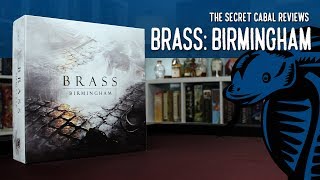
- Beautiful production and artwork; some of the best aesthetics in euro games.
- Deep, brain-burn style of strategy; high skill ceiling and replayability.
- Rich interactivity; players influence each other’s resources and paths.
- Two-era structure adds variety and long-term planning with mid-game and end-game scoring.
- Flexible to play as both a full Brass system or as stand-alone with Lancashire; cohesive design.
- Very heavy and complex; not approachable for casual players or newcomers.
- Steep learning curve; teaching requires time and careful explanation.
- Possibility of analysis paralysis; the board reads many possibilities and requires careful reading of opponents.
- industrialization, manufacturing, transportation networks, and urban growth
- Industrial Revolution-era Birmingham, England
- economic strategy with layered timing and adaptive competition
- Brass: Lancashire
- Puerto Rico
- Through the Ages
- Agricola
Mechanics (from transcript analysis)
- building — construct industries by paying coins and sometimes building materials; coal/iron supply is location-dependent.
- card_play — play a card from your hand to take actions; cards come with location or industry types and costs.
- competitive_resource_take — players can take or steal resources from others or their own, creating interaction and potential disruption.
- era_transition_and_scoring — two eras (Canal and Rail) with separate scoring and removal of lower-level techs at Canal end.
- networking/links — lay links to connect industries to markets and other networks; scoring is influenced by end-links.
- resource_management — manage coal, iron, beer and other resources; supply/demand drives scoring opportunities.
- technology_development — develop technologies by pushing to higher levels; costs and unlocks yield higher scoring.
- tile_flipping_and_scoring — flip industry tiles to scoring sides when selling into connected markets, with scoring phases mid-game and end-game.
Video topics + discussion points
Quotes (from this video)
- beautiful artwork
- the most beautiful euro games that I have in my collection
- this is a deep complex brain burning wonderful experience of a euro game
- one of the best euro games ever designed
- it's a race against the clock
- you can flip your industry tiles to their scoring side
- you have to read all the players and what their intentions are
- there are some classic euro games ... must play
References (from this video)

- Tight, strategic euro with deep optimization
- Great for longer game sessions with planning
- Beautiful production and snack-friendly components
- Steep learning curve
- Richness can be overwhelming for newcomers
- economic engine-building through resource networks
- Industrial England during the coal-and-iron expansion
- economic simulation with historical flavor
- Gloomhaven
- Panamax
- Terra Mystica
Mechanics (from transcript analysis)
- economy/resource_management — Strategic resource timing governs income and scoring.
- industrial_networks — Players build and optimize networks of mines, factories, and markets.
- tile_development — Placement of teal/brown tiles to unlock income and actions.
Video topics + discussion points
Quotes (from this video)
- it's a beautiful and amazing game called cartographers
- 100 players playing cartographers
- Cash and Guns yes correct
- one man's trash is another man's treasure
- peasy lemon squeezy
References (from this video)

- tight, interlocking strategy
- satisfying economic decision points
- high replay value and interaction
- steep learning curve
- heavy on-table maintenance
- longer play sessions
- economic development, industry, and networks
- Industrial Revolution-era Britain
- economic simulation with engine-building tension
Mechanics (from transcript analysis)
- economic_engine — Advance industries and optimize production to maximize income and scoring.
- hand_management — Schedule actions and coordinate card play to time industry activations.
- market_pricing — Dynamic market forces affect commodity prices and profits.
- network_building — Lay rails and canals to connect towns, enabling more profitable cycles.
Video topics + discussion points
Quotes (from this video)
- I love a big box game
- I hate these chairs I hate them so much
- most anticipated by us like it has a video this is the video we've been excited to do
- it's blue you've got literally the heat on Jamie
- I love a there's no way I can say without you laughing
References (from this video)

- tight optimization and planning
- great player interaction via competition for routes
- heavy
- long setup and long sessions
- canal era economic development
- Industrial England
- economic strategy with route/network building
- Kanban
- Glenmore
Mechanics (from transcript analysis)
- economic engine building — players develop industries and transport networks.
- tile placement — building networks and factories in a city grid.
Video topics + discussion points
Quotes (from this video)
- it's a fantastic engine building game
- Rules are important for checking mine
- cheater cheater pumpkin eater
- I am crushing you like a grape
- Town 66 going right above
- that Lord of the Rings confrontation pack
- this is the cube challenge
- Calico fits perfectly in the cube with room to spare
References (from this video)

- Complex economic gameplay
- Highly interactive
- Thematic depth
- High replayability
- Interesting player interactions
- Can be overwhelming for new players
- Relatively complex ruleset
- Economic development and industrial expansion
- Industrial Revolution England
- Economic simulation
- Brass: Lancashire
- Age of Industry
Mechanics (from transcript analysis)
- Card-driven actions — Players use cards to build industries, develop technologies, and take actions
- network building — Connecting industries through canals and railways
- Resource management — Managing iron, coal, and beer resources
Video topics + discussion points
Quotes (from this video)
- Capitalism is a theory on paper, and then capitalism in practice
- Finding that little hole and then exploiting it for profit - that's really all business ever is
References (from this video)
- Perfect internal balance
- Tactical depth
- Thematic richness
- High replay value
- Exceptional component quality
- Potentially complex for new players
- Requires strategic planning
- Industrial Development
- Industrial Revolution Midlands, UK
- Economic Strategy
Mechanics (from transcript analysis)
- action selection — Limited actions per turn, strategic decision making
- Economic Development — Building and upgrading industries, managing resources
- network building — Connecting cities and industries via canals and railways
Video topics + discussion points
Quotes (from this video)
- One mistake or misplay at the highest level and you'll be toast
- It's not often games come along which meld that fine line so precisely
References (from this video)
- high interactivity and player agency
- dynamic market effects
- steep learning curve
- apparent dryness to non-Euro players
- economic strategy, industrial networks
- Industrial England during the early phase of the Industrial Revolution
- economic simulation with high interaction
Mechanics (from transcript analysis)
- economic negotiation and resource management — timing and opportunism drive scoring
- engine-building — players develop production networks and cities
Video topics + discussion points
Quotes (from this video)
- Spirit Island my all-time favorite game
- Arkham Horror holds a special place of my heart
- it's joy in a box
- Leaving Earth is my favorite in that space
- this is one of those few games where I'm like yeah I think the streamlined version is the way to go
- June is the original game for this spot
References (from this video)
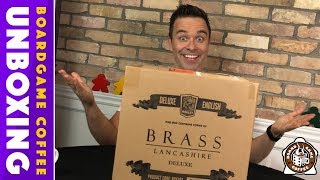
- Premium production quality and components (heavy boxes, embossed branding, wooden components)
- Beautiful, thick boards with strong artwork and dual-era concept
- Thoughtful packaging and organization (punch boards, trays, and labeled bags) that enhance setup and play
- Two distinct map faces (day vs night) add thematic depth and replayability
- Rulebook presentation and layout are accessible for new players while preserving depth for experienced players
- Very large and heavy product can be cumbersome to transport and store
- Setup involves many components and layers of packaging, which may feel daunting to new players
- Some edition-specific details (Kickstarter exclusives) can cause confusion about what is included in a standard release
- Economic development through industrialization, with a two-era progression (canals then rail) and a shifting urban landscape
- Industrial England during the late 18th to early 19th century, focusing on industrial expansion and market development
- historical economic simulation with evolving infrastructure and market networks across two eras
- Rising Sun
- Brass (original edition)
Mechanics (from transcript analysis)
- area/market access and end-game scoring — Final scoring rewards efficient network placement, connected markets, and the density of productive industries.
- Card-driven action selection — Actions are determined through playing action cards that encode both action type and timing, guiding industrial development, network building, and selling.
- engine-building and resource management — Players collect and convert resources (coal, iron, etc.) and currency to develop industries and optimize income over the course of the game.
- network development (canal and rail) — Players construct and expand networks to connect industries to markets, with different era rules shaping strategy.
- tile/board-driven spatial layout — The board layout and dual-sides (day/night themed sections) influence placements and potential revenue opportunities.
Video topics + discussion points
Quotes (from this video)
- this is the prettiest brown box we've had to date
- Brass is ugly that's what everybody tells me
- it's awesome
- these are heavy these are like legit poker chips
- it's embossed I just love the detail
- wow done
References (from this video)

- Gorgeous artwork
- Luke hates this game
- Card system introduces unwanted luck
- Can be very mean
- Players can be shut out early
- Too predictable after playing once
- Expansion doesn't help
- 19th Century Industrial Revolution
- Coal and Cotton
- British History
- Great Western Trail
- Lancashire
Mechanics (from transcript analysis)
Video topics + discussion points
Quotes (from this video)
- I'm one of these people that just likes to play the game for fun I'll try to win and if I don't win then whatever doesn't matter
- as soon as you start putting cash prizes ranking statistics and things like that into board gaming I find that some people take it a little bit too far and you lose that sense of fun
- I don't even like the ranking system on board game arena frankly
- I give reviews top tens and my honest opinions regardless of the consequences
- it's still only a game so remember to have fun that's the main thing
- I certainly wouldn't be very good if I played it in the tournament
- Love 10 out of 10 game
- I hate this game I hate it I hate it
- it's one of those ones where I'm in the minority
- this is a speed run through the world series of board games main games
References (from this video)
- deep strategic euro with tight optimize-or-collapse decisions
- high learning curve
- merges heavy tech with long playtime
- economic development and market optimization
- industrial revolution-era Britain
- economic strategy with historical flavor
- Gloomhaven
- Pandemic: Season One
- Power Grid
Mechanics (from transcript analysis)
- economic engine-building — Players build an economic network, connecting cities and scaling industry.
- route/rail expansion — Rail/industry network expansion to maximize income and routes.
Video topics + discussion points
Quotes (from this video)
- gloomhaven well everybody knows that right
- pandemic season one is a cooperative game
- it's the crew
- code names
- magic maze
- the correct answer is sheriff of Nottingham
- subscribe like and comment on this video
- time stories isn't it but time stories isn't as well so one point for you
- you don't know board games
- Terraforming Mars
References (from this video)
- Highly acclaimed
- Beautiful design
- Point salad mechanics
- Steph resistance
- economic
- industrial
- network_building
Mechanics (from transcript analysis)
Video topics + discussion points
Quotes (from this video)
- the fastest-growing boardgame community in the world
- I'm a big fan of Kitchen rush
- why isn't this an everybody toy store this should be sold alongside uno
- I think one of the best low-complexity games over the plate
- my favorite board game reviewer is a channel called alas board games
- so bloody good game
- wow this is I should have played at ages ago
- reckoners is really cool game
- this is a fabulous looking game real-time submarine warfare game
References (from this video)

- Deep strategic decisions, tight feedback loops, strong theme integration
- Rules complexity can be intimidating for newcomers
- High planning commitment required
- economic development, networks, industry growth
- Industrial England during the early 19th century
- economic engine-building with development and upgrade choices
Mechanics (from transcript analysis)
- economic engine-building — Develop industries and networks to generate income and scoring opportunities.
- hand management — Use and time cards to optimize actions and timing.
- Route Building — Construct rail and canal networks to connect towns and unlock production.
Video topics + discussion points
Quotes (from this video)
- it's almost like you're playing a video game
- nothing was automated and it was a real chore moving every single coin back and forth
- TableTopia has seen a lot of play for me because of the variety
- John gets games is 100% of my income
- it's really fun to hang out with a bunch of friends and laugh together
- sheltering in place has shifted how we game and how we connect with people
References (from this video)

- Deep, engaging engine-building
- High replayability
- Steep learning curve
- Complex to teach
- Brass: Birmingham (title variant)
Mechanics (from transcript analysis)
- Economic development / network building — Player-driven industrial development with resource and interaction management.
Video topics + discussion points
Quotes (from this video)
- I'm very bold in my opinions, I hate it but I'm still willing to give it a second and third try because it's better it's an expensive game
- America blue shell is when you brace Mario Kart and then if you're in last place you get rewarded the blue shell
- it's a shared objective, you really pay attention to what other people are doing
- canvas... what a stinker... you're a pile of poops I love that game
- Rise of X added ... I had the Dreadnought portion and it replaced the main board
- I'll take it from me, I think he's French no he's Jamaican
References (from this video)

- deep economic engine
- great with experienced players
- complex to learn
- may be intimidating for new players
Mechanics (from transcript analysis)
- economic simulation / route-building — industrial-era economic engine with network building
Video topics + discussion points
Quotes (from this video)
- our top 50 is like a living breathing thing that changes every day by the day by the minute
- these games are all incredible even if something's like a number 600 from 700 it's probably still a good game
- ranking is subjective; it's hard to compare a 18 card game to a heavy Euro
- we rank in the moment based on our gut feeling and that's just how the chips fall sometimes
References (from this video)

- Beautiful, moody cover with detailed industrial feel
- The art direction might feel very brown/palette-specific
Mechanics (from transcript analysis)
Video topics + discussion points
Quotes (from this video)
- It's iconic. It is at least eye-catching; it's a classic.
- The box should tell us what we're doing in the game and how we're going to feel.
- This is top-notch stuff.
- I actually just ordered my copy, so this is obviously working for me.
- The cover sells the game, it screams what you're going to do.
References (from this video)

- Everything can be useful - you can use your own items or have others use them
- Complex positive interaction system creates strategic depth
- Constant tension of wanting to benefit more than opponents while both benefit
- Theme strongly supports the positive interaction
- Can be difficult to understand the positive interaction on first play
- Building industrial network and trade infrastructure
- Industrial Birmingham during Industrial Revolution
- Network building and economic engine
Mechanics (from transcript analysis)
- Dual benefit system — Both the player placing tile and players using it gain benefits
- Era-based gameplay — Divide gameplay into canal and railway eras
- Mooching off others' infrastructure — Players benefit by using others' placed tiles and resources
- Network building for point scoring — Score points by building canals/trains to cities with others' buildings
- Shared resource tiles with flip upgrade — Place resource tiles that others can use; when completely depleted, flip for upgrade benefits
Video topics + discussion points
Quotes (from this video)
- If I'm interacting with people, I want it to be that we're each getting a little something something.
- Any game where you get to kind of mooch and be like, 'Hey, great. Thanks for doing that. I'm going to do this over here and score these points. That's fantastic for me. Makes me feel good.'
- I don't particularly enjoy just blocking in games. I don't really find that kind of interaction to be fun or interesting.
- You're always engaged with the game. You're always playing. You're always making decisions and doing things and that's super duper satisfying.
- There's never a time where you don't really want one.
- It's that positive interaction where you're always, every single turn, people are always going to be giving you cards.
- It's that constant stress of like making sure I get out of this a little bit more than you because we're both going to benefit.
- You're still trying to win the game. It's not a cooperative game by any means, but it's the fun tension of you're going to get something out of this.
- Hey, I get to use your stuff. That's really really cool.
- Everyone's infrastructure kind of works for you. It's just really really good.