A quick and nifty card game by the publisher of Faraway.
Each player will spend coins to draft 9 cards from 2 open markets on the table (the lower and upper city), creating along the game a 3x3 square of people interacting with each other to trigger instant effects and end-of-game bonuses.
Castle Combo is a tableau-building game that combines simplicity with deep, engaging gameplay, offering highly satisfying experiences.
Each turn, you add a character to your tableau—a seemingly straightforward action that packs a punch regarding strategic decisions. You'll need to carefully manage your Keys to influence the Messenger pawn at critical moments, as it controls which characters are available for recruitment from two different areas – peasants and nobles.
Balancing your Gold reserves is equally important, ensuring you can afford the characters that best suit your strategy throughout the game. Selecting the right characters is crucial to maximising their immediate effects and the points they will contribute at the game's end. Finally, carefully arranging these characters on your 3x3 board is key to unlocking their full potential.

- engaging puzzle
- streamlined family weight
- fun messenger mechanic
- may need a larger player count to shine
- castle-building and township development
- fantasy/city-building grid
- playful
Mechanics (from transcript analysis)
- Grid building — place cards onto a 3x3 grid to form a castle/town layout.
- Pattern scoring — score based on completing patterns and combinations across the grid.
- treacherous messenger — a messenger token moves along roads to influence card flow and timing.
Video topics + discussion points
Quotes (from this video)
- Rock Hard 1977 is my top game of 2024 right now
- Flip seven is a Wonder to behold
- the gang is awesome
- it's Texas hold em but cooperative
- Pixies very small box
References (from this video)

- clear decisions with satisfying scoring
- art and theme support tense competition
- tableau emphasis may be dense for some players
- tableau building and competition
- Medieval town and markets with royalty themes
- playful, competitive
- Zenith
Mechanics (from transcript analysis)
- market / messenger dynamic — messenger position influences which market you can access; moving him costs keys
- tableau building — construct a 3x3 grid of cards to maximize points
Video topics + discussion points
Quotes (from this video)
- Rebel Princess is fantastic.
- The premise is it's kind of like a slight social deduction setting.
- it's a tableau building game
- the end-game via last tile is clever
- the cutest little game
- Dune Imperium is my number one
- hidden roles add tension and intrigue
- the eight rounds
- tiles and shared space create intense competition
References (from this video)

- Accessible and fun with family-friendly appeal
- Expandable with new content
- May lack depth for more hardcore gamers
- Castle-building and dungeon exploration
- Castle, village, dungeon setting with modular expansion
- Light, family-friendly
- Chateau Combo
Mechanics (from transcript analysis)
- card drafting — Draft cards to build the castle and trigger dungeon/ village interactions.
- Modular expansion / tile-based progression — Add dungeon and village components to expand play variety.
Video topics + discussion points
Quotes (from this video)
- Ark Nova faster than I do
- Ark Nova is welcoming
- Atmosphere is everything
- Think beyond yourself
- Don't be a jerk
- Celebrating the moments, not just the wins
References (from this video)

- tight card-collection with spatial dimension
- fast to teach and play
- scales well with groups
- card drafting into a spatial grid
- puzzle-building
Mechanics (from transcript analysis)
- Card drafting + spatial placement — Draft cards that contribute to a 3x3 grid, placing scoring and resource cards to optimize combos.
- Immediate scoring via card effects — Cards give instant scoring opportunities and shape future selections.
Video topics + discussion points
Quotes (from this video)
- it's just it is that quick card drafting. You know, the simultaneous play keeps everyone engaged.
- scouting, which is taking one of the outermost cards on the set that's currently out and taking it into your hand and slotting it anywhere.
- you can't communicate what each of you have outside of in between rounds.
- it's all around, you know, you're rolling these dice behind your little map and then using, you know, dice placement out on kind of a shared board to ultimately try to fly the plane successfully.
- Tumbling Dice had a way of getting to his heart.
- Sausage Sizzle is just absolutely knocked it out of the park in that regard.
- This is the definitive filler game.
- Escape the temple for 10 minutes of excitement and fun.
References (from this video)
- highly interactive drafting with spatial dimension
- great pacing and decision points
- can be surprisingly strategic for a filler
- card drafting with spatial placement
- puzzle-building
Mechanics (from transcript analysis)
- Card drafting with spatial grid placement — Draft cards that provide immediate resources and then place them on a grid to form combos.
Video topics + discussion points
Quotes (from this video)
- it's just it is that quick card drafting. You know, the simultaneous play keeps everyone engaged.
- scouting, which is taking one of the outermost cards on the set that's currently out and taking it into your hand and slotting it anywhere.
- you can't communicate what each of you have outside of in between rounds.
- it's all around, you know, you're rolling these dice behind your little map and then using, you know, dice placement out on kind of a shared board to ultimately try to fly the plane successfully.
- Tumbling Dice had a way of getting to his heart.
- Sausage Sizzle is just absolutely knocked it out of the park in that regard.
- This is the definitive filler game.
- Escape the temple for 10 minutes of excitement and fun.
References (from this video)
- tight, quick decision-making
- high variability with big decks
- great for casual and family groups
- can feel restrictive with row-drafting limits
- may have awkward early picks
- card drafting and spatial scoring
- Medieval grid-based drafting
Mechanics (from transcript analysis)
- 3x3 grid drafting — Draft from two active rows, pay to switch rows, and score based on placement.
- Mitigation and variation with mission tiles — Optional tiles add restrictions and new scoring opportunities.
Video topics + discussion points
Quotes (from this video)
- a lovely mediumweight Euro by board and dice
- the dice has dual use
- I love the way that everything is driven here through dice
- spatial puzzle
- an instant classic
- a great example of its genre
- I instantly fell in love with it
- Kitzia at his best
- Punchy, colorful and very engaging
- top tier kitzia for me
References (from this video)

- Tight 3x3 grid promotes precise placement and strategic depth
- Interesting twist on drafting with two rows and a resources mechanic
- Instant rewards and a mitigation option keep the game dynamic without overcomplicating decisions
- Charming art style and brisk play time (~20 minutes)
- High card variety supports strong replayability and enduring appeal
- Not wildly original; sits solidly in familiar drafting/tableau space
- Some players may crave a more innovative core mechanic to stand out from similar games
- Castle building, drafting, and card synergy
- Medieval castles / kingdom-building environment
- Bright, breezy, accessible
Mechanics (from transcript analysis)
- card drafting — Draft cards into two rows (nobility and peasants) with the option to switch between rows using keys; different rows influence costs and scoring opportunities.
- Combo-driven scoring — Card interactions amplify points when aligned with specific positions, shields, or other cards, encouraging strategic chaining.
- End-game scoring optimization — Final scoring depends on card placement, synergies, and grid configuration, driving the long-term planning of each move.
- Grid/ tableau building — Place drafted cards onto a 3x3 grid to create scoring synergies and unlock end-game scoring opportunities.
- Instant rewards and resource mitigation — Some placements grant immediate resources; players can also flip a card facedown to gain quick cash and keys to aid future turns.
Video topics + discussion points
Quotes (from this video)
- The drafting system in this game is quite familiar but it does have a slight Twist on it to differentiate itself from a lot of other drafting games
- The ability to switch between the different rows you can draft from is quite important because you need to spend these keys in order to do that
- Very Charming art style extremely fast to play
- I love the theme you know I love medieval castles
- This one ticks so many boxes for me it's just very Breezy enjoyable to play
- Although it's not wildly different I think this is one of the strongest examples of a game like this in its genre
References (from this video)

- simple, streamlined drafting with meaningful decisions
- strong sense of player agency in drafting
- card draw luck can affect early planning
- castle-building and drafting
- medieval castles with modular tableau-building
- light, whimsical
Mechanics (from transcript analysis)
- adjacency/row-column scoring — points from color/object adjacencies and row/column alignments
- double-row drafting with a messenger — choose from silver and gold rows; limited by a messenger piece
- grid tableau construction — place cards into a 3x3 grid to score
- upgrade & keys — spend keys to move the messenger or wipe rows to draw new cards
Video topics + discussion points
Quotes (from this video)
- it's like a summer camp where I get to play lots of games
- this is one of the coolest things about this game
- the turns are so Snappy; you're always ready to go
- it's a bigger game where you are building out and visiting villages in the Black Forest
- two things that I love in games: dice placement and engine building
- the art is fascinating; some people really did not like the art and some people really did
References (from this video)
- Easy entry, deep strategy
- Strong puzzle with many scoring combinations
- 20-minute playtime feels tight and focused
- Some players may find it light on direct interaction
- Engine-building and resource management
- Village/Castle building with drafting and engine bonuses
- Strategic, compact puzzle with depth
Mechanics (from transcript analysis)
- Drafting and activation — Draft nine cards; activate abilities to build an engine of money and keys.
- End-game scoring with many options — Over 70 scoring cards create a layered puzzle for harmony.
- Resource engine building — Manage keys, money, and cards to unlock powerful bonuses.
Video topics + discussion points
Quotes (from this video)
- I absolutely love the sanctury cards in this game. They offer a lot of endgame scoring.
- it's mean like really mean
- it's a rockus blast to play
- this is such a fun racing game and it's one of the few racing games that actually feels like a racing game
- I'll never understand why this game doesn't get pushed more as a mainstream title
- you cut the right wire
- it's co-op
- the big chunky gavel smashing it off the ground
References (from this video)
- cute, approachable with depth
- easy to teach yet offers strategic planning
- artwork noted as not as strong
- combo-building and market/messengers
- medieval/kingdom
- whimsical, family-friendly
Mechanics (from transcript analysis)
- grid-based tableau building — 3x3 grid where players build combos from cards.
- market choice and messenger mechanics — choose markets and use keys to influence the messenger for points.
Video topics + discussion points
Quotes (from this video)
- Black history is personal to us.
- Black history is American history 247 365.
- keep the foot on the gas.
References (from this video)
- Perfect 30-minute filler game length
- Great variety with unique characters
- Enough depth to make meaningful decisions
- Turn-by-turn tension with limited choices
- Characters want different configurations and scoring
- Great table presence and enjoyment
- Highly successful with all players tested
- Easy to teach and quick to play
- Limited player interaction
- Building character combos
- Castle with various characters
- Abstract character combinations
Mechanics (from transcript analysis)
- Character drafting — Select one of three characters and pay money
- Combo System — Characters have instant abilities and endgame scoring based on grid configuration
- grid placement — Place 9 characters in 3x3 grid
- Row selection and scrapping — Choose to shift rows or scrap with keys
Video topics + discussion points
Quotes (from this video)
- 2024 was not my favorite year ever not just in board gaming but kind of just in life in general
- it's nice that there's actually a game that says no how about we stop War for a change
- you want to stick Miyazaki from studio Ghibli and shove it into a board game it's just like that
- silky smooth silky smooth like the river itself
- I suspect this list is going to be very different to a few of yours
- this is the ultimate balance like you need a balance of complexity versus depth
References (from this video)
- accessible entry point to grid-based puzzling
- fast play time
- no strong thematic hook for some players
- card/grid puzzle
- medieval palace
- abstract strategy
- Flip Seven
Mechanics (from transcript analysis)
- Card-driven selection — a messenger/row mechanic guides which cards can be taken from specific rows.
- grid placement — nine-square (3x3) grid where players arrange cards to maximize points.
Video topics + discussion points
Quotes (from this video)
- Stara Month is officially over.
- This is one of the most diverse and inclusive conventions we've been to. It felt like a warm hug.
- Grand Con is a family reunion.
References (from this video)

- Simple and easy to teach
- Great art design
- Good synergies between cards
- Quick 30-minute game
- Small travel-friendly size
- Artist diary shows extensive research and iterations
- Plays quickly and easily
- Building a castle and village through card acquisition
- Medieval castle and village
- Light thematic
- Cascadia
Mechanics (from transcript analysis)
- Scoring Combos — Cards provide scoring multipliers based on other cards in the same row/column with matching shields
- set collection — Players collect cards that synergize with each other for bonus points
- tableau building — Players build a 3x3 grid of nine cards over nine rounds
Video topics + discussion points
Quotes (from this video)
- Cribbage is one of those games that gets passed down through generations and we absolutely adore it
- Scout just brings a level of joy with just about everybody we've encountered playing this game
- It's just super simple kind of in-your-face game where you're running around trying to catch this fish
- You get this big kind of game experience and not a ton of time
- Castle Combo is an absolute banger amongst many bangers from last year
- The art in this game is absolutely unmatched
- Dice Miner is quick. It's easy. You can kind of teach to everyone
- There's just all this like interesting kind of math going on
- I'm a massive Lord of the Rings fan. The movies and the books, but particularly the books
- We played through My City twice the entire campaign two times, loved it both times
References (from this video)
- fast, punchy 30-minute play time
- high decision density for such a short game
- strong return on time investment with crunchy choices
- high variability and replayability through card calls and row manipulation
- intuitive to teach and quick to learn
- some cards can feel underpowered or swingy depending on draft luck
- early economy management can disproportionately impact mid-game options
- a few card interactions may require careful memory to optimize endgame scoring
- castle-building, resource optimization, and endgame scoring based on grid placement
- Medieval village/castle context with a drafting and 3x3 grid layout
- Seven Wonders Architects
- Seven Wonders
Mechanics (from transcript analysis)
- card drafting — Draft nine cards across the game and place them into a 3x3 grid in front of you.
- card-specific effects and cost — Each card has a cost paid with coins and an immediate effect when purchased, plus endgame scoring mechanics.
- currency and victory points via bags/keys — Coins are earned and stored; keys provide victory points, and some cards offer bag-based endgame scoring.
- grid placement and scoring — Position cards to maximize column-based scoring, with bonuses for green shields in each column.
- messenger mechanic — A messenger token moves between rows based on symbols on played cards, altering available choices.
Video topics + discussion points
Quotes (from this video)
- Castle Combo is a recent favorite of mine.
- Nine rounds, pick your nine cards.
- Very punchy game.
- Great return on my time investment, 30 minutes, but they're packed with little decisions.
- Castle Combo is one of my go-to quick and punchy games lately.
- Seven Wonders Architects is a simplified game from those games.
- This is a spin-off of Seven Wonders; it's simplified and fast.
References (from this video)

- easy to teach
- great for family gaming
- vibrant art
- not deeply strategic
- may play quickly with experienced players
- castle construction and combo-building
- Fantasy castle-building tableau game for families
- light, whimsical, family-friendly
- King of Tokyo
- Sushi Go Party
Mechanics (from transcript analysis)
- color/cost balancing — managing color tokens and costs to optimize tile purchases.
- Pattern scoring — scoring based on matching patterns across the castle tableau.
- set collection — players collect tokens of different types to maximize scoring opportunities through combos.
- tile placement — tiles placed to create patterns and castle structures that trigger points.
Video topics + discussion points
Quotes (from this video)
- Vegas is Vegas
- luck be a lady tonight
- Don't Mess with Cthulu
- Texas Holdem... the spirit of Texas Holdem
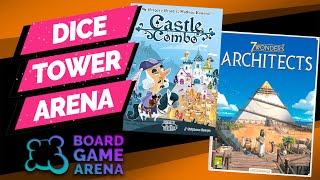
- Castle Combo is currently on board game arena
- It's a two-player duel that you can enjoy in under 20 minutes
References (from this video)

- deeply satisfying drafting puzzle
- fast playtime for the depth
- art style may not appeal to everyone
- noble and peasant card drafting for a 9-card grid
- medieval castle drafting
- light and competitive
Mechanics (from transcript analysis)
- drafting — build a 9-card grid from drafted cards
- row/column manipulation — use keys to hop rows or refresh a row
Video topics + discussion points
Quotes (from this video)
- Detective Club is going to be one where you have these different cards that are all different kinds of images that are really beautiful and very unique
- it's a clever timeline; accessible and easy to explain to anyone
- the expansion really elevates the gameplay on Aquatica
- it's the best slaughter game and it's very deep, but accessible
References (from this video)
- Quick gameplay
- Every decision matters
- Unique cards
- Engaging decision-making
- Scoring can take a while
- Cannot sustain a full game night
- Social network building
- Medieval castle and village
- Strategic card placement
- Far Away
- Acropolis
Mechanics (from transcript analysis)
- card drafting — Players draft cards from a central display with a messenger pawn limiting options
- grid placement — Players place cards in a 3x3 grid with strategic positioning for scoring
- set collection — Collecting cards with matching or complementary badges for points
Video topics + discussion points
Quotes (from this video)
- The best thing about this game is how every single decision matters
- Castle combo: the perfect little game
References (from this video)
- Strategic depth with messenger pawn manipulation
- Key-based tactical options
- Character combo focus
- Complex rule interactions
- medieval
- kingdom building
Mechanics (from transcript analysis)
Video topics + discussion points
Quotes (from this video)
- When the leaves won't, Vegas will. That's the official slogan of Dice Tower West
- Heliocentrism
- This game is broken and it can just go off the rails, but that's the fun
- Pocket Galactic
- I would love to watch this one and not play it
- Card counting is a valid strategy in Happy Salmon
- This is like crypto on speed
- Dead on, pun intended
- You would be surprised to see just how much strategery would come out
References (from this video)

- Easy to learn
- High player interaction
- Multiple scoring methods
- Engaging decision space
- Castle building
Mechanics (from transcript analysis)
- card drafting — Players draft cards to build a 3x3 tableau
- hate drafting — Strategic card selection to block opponents
Video topics + discussion points
Quotes (from this video)
- BGA is an amazing platform that I'm sure all of you already playing on endlessly
References (from this video)

- great filler game under 20 minutes
- easy to teach and quick to play
- solid synergy and optimization decisions
- not particularly innovative
- may have some downtime with larger player counts
- fantasy storefront/kingdom-building
- castle-building with grid-based drafting
- light, theme-light, puzzle-like
- Fantasy Realms
Mechanics (from transcript analysis)
- card drafting — draft cards that grant benefits and build a 3x3 grid in front of you
- grid-based placement — place cards on a grid to optimize endgame scoring
- Resource management — collect money and keys to enable actions and row/column bonuses
Video topics + discussion points
Quotes (from this video)
- it's such an easy game for people to enjoy because you're kind of doing your own thing
- you have all the scoring cards visible up front and you know they're going to score, twice over the course of the game
- it's really quick to teach
- this one really hits the spot
- the tactical gameplay of this is so good
- there you go. Sold you on it
- I am really hooked on this one
- it was one of those unbelievable moments that sometimes only dexterity games can provide
References (from this video)
- Rich, modular card design with many synergy options (Pilgrim, Devout, Goldsmith, Potter).
- Discounts and purse mechanics add meaningful long-term planning and money management.
- Clear sense of thematic integration and narrative flavor through character cards and actions.
- Strong two-player interaction with draft blockers and direct competition for key cards.
- High complexity and potential for analysis paralysis for new players.
- End-game scoring requires careful bookkeeping and planning across rows/columns.
- Reliance on card availability can create awkward moments depending on draws and discards.
- Courtly intrigue and resource management with a strong thematic flavor tied to factions (faith, crafts, scholarship, peasantry, nobility).
- A medieval castle courtyard where nobles, craftsmen, and villagers converge to draft, recruit and score points.
- Card-driven drafting in a 3x3 grid with immediate and end-of-round effects; narrative flavor is delivered through character cards.
Mechanics (from transcript analysis)
- Card drafting and 3x3 grid placement — Players draft villagers or castle cards to populate a 3x3 grid; cards grant immediate powers and impact future scoring.
- Coin economy and purses — Coins can be placed on purse symbols for end-of-game points; purses have limited capacity and coin-value scales with placement.
- Draft lookahead and payouts from corners — Card placement in corners and specific alignments yield higher point multipliers; placement strategy is central.
- End-game scoring by rows/columns by faction — Points are awarded based on the composition of each row/column (faith, crafts, scholarship, peasant, etc.), creating strong incentives to balance factions.
- Immediate vs. ongoing effects — Most cards provide immediate effects when drafted; others modify future drafting or discount rules.
- Key tokens and the messenger — Keys are spendable resources that influence which cards you can draft or remove; messenger position determines which card pool you draft from.
- Two-player dynamic and discounts — Discounts depend on row/column composition and which pool you draft from; the two-player setup creates direct competition.
- Wipeout and redraw option — Keys and certain actions allow wiping a section and drawing new cards to alter options mid-game.
Video topics + discussion points
Quotes (from this video)
- we're taking a look at castle combo
- I'm going to show you how this works today in a two-player run through
- this Potter says get two coins immediately on each pouch I've got in my area
- this is the first card in my 3x3 grid
- don't move stay there
- Jen is going to take the beggar who is totally free
- it's going to cost me six and the next time I recruit if it's from the village I get a one coin discount
References (from this video)

Mechanics (from transcript analysis)
- deck-building/combination — Players combine growing card sets to score through a castle-building theme.
Video topics + discussion points
Quotes (from this video)
- There will be only one topic. Only one.
- We wanted to do our traditional deep dive into this year the 2025 American Tabletop Award winners, nominees, and recommended games.
- To prevent conflicts of interest, we ask people who have any connection to a game … to not submit any game that they have a conflict of interest with during that nomination process.
- The fundamental nature of taxonomic organization, right? There is no one rule that will satisfy every single person for where a game belongs in terms of like is it a good game for people that are getting into gaming?
References (from this video)
- One of the newest on the shelf
Mechanics (from transcript analysis)
Video topics + discussion points
Quotes (from this video)
- Shelf 16 is kind of a an odd mix here
- This shelf has twice as many games as most shelves
- one of my favorite two-player games, but it's very difficult to learn and play
- Fantastic abstract strategy game
- Such a classic game and I like it a lot
- I don't know why I like it so much, but I do
- one of the most beautiful dexterity/party games there are
- There are so many games on the shelf
References (from this video)
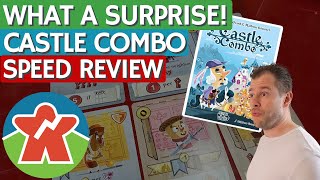
- Very quick to teach and approachable; the rules fit on the back of the rulebook and can be demonstrated with examples in front of players in under a couple of minutes.
- Excellent component quality for a filler; chunky coins, thick card stock, and a dedicated score pad that is easy to use during scoring.
- Solid depth for a 30-minute filler game: meaningful decision points without overbearing complexity, allowing for satisfying combos and strategic planning.
- High replay potential for a lightweight game; players can experiment with different card synergies and grid placements to optimize scoring.
- Clear tension between immediate card gains and longer-term grid placement; players must consider what their grid could become while watching opponents.
- Iconography and rule explanations rely on a single reference aid, with some icons not immediately intuitive, which can cause occasional rule-hiccup moments.
- Punching out components can be a little fiddly, and there can be minor durability or fit issues in the card stock; not a major flaw but noticeable.
- The thematic distribution of card types (village vs castle vs noble) is spread unevenly and may feel over-complicated for a simple filler; some players might perceive it as extraneous rather than thematically consistent.
- As a gateway or teach-for-new-players title, it can still present a learning curve due to iconography and strategy nuance; a few players may overthink early rounds.
- Castle-building and character-driven scoring, with a light, almost abstract thematic hook rather than a heavy narrative arc.
- A light, medieval village near a castle where characters populate a 3x3 grid to score points across multiple conditions, with card types tied to village and castle regions.
- Abstract Euro-style card drafting and grid optimization rather than a story-driven experience.
- Forest Shuffle
Mechanics (from transcript analysis)
- end-of-round reveal and final scoring — After nine cards are placed by each player, a final tally occurs to determine the winner; rounds end after ten or more cards depending on player count and the scoring method.
- face-down cards and risk management — If a player passes on the face-up options, they may take a face-down card for a guaranteed payoff (coins/keys) with no direct points, introducing a risk-reward dynamic.
- grid-based scoring — A 3x3 grid is filled with acquired cards, and points are tallied via multiple layered conditions such as the number of shields of different colors, spatial arrangement (left/right emphasis), and row-based bonuses.
- instant abilities and scoring on placement — Each bought card triggers an instant ability (e.g., gaining keys) and also provides a scoring condition that depends on its position in the grid (top row, color distribution, and other card-type-specific bonuses).
- Resource management — Money and Keys are earned and spent to buy cards, move the row, and enable future scoring opportunities. The flow requires balancing short-term gains with longer-term card synergies.
- two-deck draft with row access — Players interact with two decks of character cards arranged beside two face-up displays. A central row exists that players can buy from, with the option to spend keys to scrap cards or to move the guiding figure to the next row so future access is opened. Only one card from the active row may be purchased each turn.
Video topics + discussion points
Quotes (from this video)
- it's castle combo
- the name isn't exactly grabbing me
- this is a very simple game to teach basically
- it's not outstanding its welcome for a filler
- I'm giving it a nine out of 10
- this is an excellent filler
- deserving of a 9 out of 10 sale of Distinction
- top 100 games ever
References (from this video)
- Killer design with interlocking conditions
- Nine turns keeps pacing tight and engaging
- Complex scoring around grid completion may slow beginners
- fantastic, resource-management with endgame scoring weave
- Castle-building and drafting into a 3x3 grid
- snappy, turn-limited puzzle
Mechanics (from transcript analysis)
- Card drafting into a 3x3 grid — Drafted cards populate a 3x3 grid with immediate and end-scoring effects
- End-game scoring conditioning — End scoring checks only when the 3x3 grid is completed
Video topics + discussion points
Quotes (from this video)
- This is a two-player only trick-T game that is really clever.
- It seems to be the MO—the cleanest, most straightforward way possible.
- Castle Combo is a killer design that manages to in 20-25 minutes tops give me so many fun little moments.
References (from this video)

- Light game, fun break during convention
- Cute and approachable
- castle-building, quick plays
- abstract, light strategy
- light, casual game feel
Mechanics (from transcript analysis)
Video topics + discussion points
Quotes (from this video)
- I still really really like our first game and hopefully y'all will too.
- New Foundations to people who play a lot of Oath, people who had never played Oath. It worked out well either way.
- Psycho Raiders, who knew I wanted a horror hex encounter game, but it's fun.
- It's Circle DC like everybody does something cool during Circle DC, right?
- I am really, really glad I went.
References (from this video)

- simple to teach (5 minutes)
- elegant design
- excellent draft mechanic
- tension-filled gameplay
- great filler game
- fast play time (10-15 minutes)
- compelling decision-making
- medieval
- castle
- courtyard
- Azul
- Calico
Mechanics (from transcript analysis)
Video topics + discussion points
Quotes (from this video)
- one of the best if not the best boss battler out there
- this is the must get expansion if you're only going to get one
- you've never seen dragons quite like these they are stunning
- Simone Luciani strikes again
- freaking brilliant
- one of my top three favorite Thematic settings in board games
- live the best life you can
- be the best human being you can
- probably my game of the year
- there is no way it doesn't make it into my top 10 of the year
References (from this video)

- engaging drafting and tableau system
- clever scoring that rewards planning
- appealing artwork
- may have a steeper learning curve for new players
- tableau-building and drafting
- medieval castle construction
- abstract
Mechanics (from transcript analysis)
- card-drafting — select and place cards to maximize synergies and scoring rows/columns.
- tableau-building — draft cards into a 3x3 grid to score based on adjacency and placement.
Video topics + discussion points
Quotes (from this video)
- Inflation is true. Everything costs more.
- There is a lot still you can buy for £20.
- Code Names is a tremendous game that you can get for $19.95.
References (from this video)
- fast to learn and easy to teach
- great for families and casual gamers
- portable with optional coin components
- coin components can be optional and may affect play balance
- box and component durability could be improved
- castle and village markets with card-driven combos
- fantasy kingdom tableau
- light, family-friendly
- Cafe Baris
- Cities
Mechanics (from transcript analysis)
- deck-building / drafting — draft cards to build a tableau of castle and village structures
- messenger / keys as endgame modifiers — special tokens influence scoring and interaction
- set collection / tableau scoring — score based on combinations and card placement
Video topics + discussion points
Quotes (from this video)
- it's the cutest little game with these cute oversized Rocap bars
- Green Team always wins
- Endeavor Deep Sea... due to problematic slavery mechanic
- Windmill Valley is beautiful to look at
- I love cities
- Arcs is hot
- Cities USA coming soon
- Telestrations was hilarious
References (from this video)

- Incredible gameplay depth in under 15 minutes
- Fast filler game with crunchy mechanics
- High tension and push-your-luck elements
- Simple to teach but strategic in play
- Engaging drafting system with meaningful decisions
- Medieval castle
- Village drafting
- Kingdom building
- Far Away
Mechanics (from transcript analysis)
Video topics + discussion points
Quotes (from this video)
- you don't take my word for it folks I was watching the uh Dice Tower Essen excitement list
- I vouch for each of these quite highly
- so much game play depth in less than 15 minutes
- one of the prettiest games you will ever see
- a good tile layer needs to be so kind of connected together
- I want a statue to myself
- it just really seems like a very exciting modern trick-taking game
- beautiful and then you see the completed thing that's one of my favorite things
References (from this video)
- Fast gameplay
- Engaging decision-making
- High-quality components
- Charming artwork
- Card combo creation
- Castle-building
Mechanics (from transcript analysis)
- card drafting — Players purchase cards from a market row determined by a messenger pawn
- tableau building — Players create a 3x3 grid of cards with combo potential
Video topics + discussion points
Quotes (from this video)
- We want to do this segment a little more frequently
- It's a big puzzle like that's what the game is
References (from this video)

- short playtime (20-30 minutes) with high return on investment
- engaging drafting and placement together
- may be less thematic for some players; abstract feel
- interlocking scoring, 3x3 grid, resource and positioning
- fantasy kingdom / medieval city
- engine-building with tight timing
Mechanics (from transcript analysis)
- card drafting — players draft a card each turn to place in a 3x3 grid.
- grid placement — cards placed on a 3x3 grid with scoring dependent on all cards.
- money and position management — manage resources and character placement to optimize scoring.
Video topics + discussion points
Quotes (from this video)
- This is a critical darling, a bestseller of the year, and one that really earns that place with its interesting gameplay and punchy return of investment in time to game play.
- Really love this one. Certainly one to play if you value your time.
- gorgeous world that you are living in for those 30 minutes to an hour.
- This is a really neat game that also plays very quick because you are drafting them into your deck.
- one of the funniest games that you will have your entire family rolling on the ground laughing about.
References (from this video)
- tight grid system
- strong card variety and synergies
- fast, breezy yet deeply strategic
- endgame scoring can feel complex
- may be less approachable to non-drafters
- drafting and grid-building with synergies
- medieval kingdom
- elegant, fast-paced
Mechanics (from transcript analysis)
- grid placement and scoring — Place characters on a 3x3 grid; endgame scoring via multiple scoring criteria.
- instant rewards and endgame objectives — Immediate bonuses when placing cards; variable endgame scoring through objective grid.
- two-row drafting (nobility and peasants) — Draft from two rows; switch rows with keys to access different lines and abilities.
Video topics + discussion points
Quotes (from this video)
- it's very simple where the first player we'll be playing a particular card then all the other players are trying to either match that card to trumpet or play a chunk
- it's almost a little bit too wacky and silly to appeal to Serious trick taking players
- there really isn't any blo to this game at all
- the pacing and drafting speed is just quick and satisfying
- a very enjoyable tile placement game with some cool twists
- the hidden layers of gameplay here
- this game pulls you in different directions
- one of the strongest examples of this design in its genre
- I love the simple kind of three-phase system in this game
- the resource management mechanism... is a very novel concept
References (from this video)
- Essen release
- Quirky artwork
- Good reviews
- Cute aesthetics
- Faraway
Mechanics (from transcript analysis)
Video topics + discussion points
Quotes (from this video)
References (from this video)

- Easy to teach and learn
- Great for new players
- Strong, satisfying combo potential
- unknown
- unknown
- unknown
Mechanics (from transcript analysis)
- card drafting — Draft nine cards with immediate, one-off abilities that trigger as you take them.
- Endgame scoring — Points are tallied at the end, influenced by the cards drafted and their interactions.
- Tableau building / engine-like combos — Construct a combo-oriented tableau to maximize synergies between drafted cards.
Video topics + discussion points
Quotes (from this video)
- It's super easy to teach and learn and it just always feels good to play.
- Harmonies is one of my favorite cozy puzzler games.
- The island map (mean version) is the harder, more interactive option.
- A Jest of Robin Hood is a stroke of genius.
- This game is dripping in the theme of the comic book itself.
- Seven Wonders Duel... but my gosh, is this an satisfying, beautifully wonderful two-player game.
References (from this video)
- fast filler with deep scoring potential
- widely accessible and replayable
- could feel familiar or simple to some
- scoring specifics may take time to master
- grid-based card placement in a 3x3 setup
- filler-style city-building
- refined, polished filler with familiar mechanics
- Castles of Mad King Ludwig
Mechanics (from transcript analysis)
- grid/row building — you place cards to build a 3x3 grid with unique scoring
- set collection scoring — each card provides distinct scoring conditions that interact
Video topics + discussion points
Quotes (from this video)
- it's such a wonderfully implemented tug-of-war game, and I love the way you do not have to focus 100% on the tug-of-war
- the replayability and just the elegance of this brilliant dice-driven Euro
- this is Mandala, the original one here
- it's so quick and it's just a delight to play
- Captain Flip, evergreen family style game