Collection Status
Your Rating
Description
Daybreak is a co-operative game about climate action. Each player controls a world power, deploying policies and technologies to both dismantle the engine of global heating and to build resilient societies that protect people from life-threatening crises.
If the global temperature gets too high, or if too many people from any world power are in crisis, everyone loses. But if you work together to draw down global emissions to net-zero, you all win!
Year Published
2023
Transcript Analysis
Browse transcript mentions, sentiments, pros/cons, mechanics, topics, quotes, and references.
Total mentions: 24
This page: 24
Sentiment:
pos 20 ·
mix 1 ·
neu 2 ·
neg 1
Showing 1–24 of 24
Video LbsXowwnCcc
3 Minute Board Games game_review at 0:00 sentiment: positive
video_pk 13753 · mention_pk 40204
Click to watch at 0:00
Overall sentiment (raw)
positive
Pros
- Brings engine-building mechanics into a cooperative space in a structured, pivotable way
- Cooperative play that requires considering weaker/stronger player positions and balancing needs
- Grounded, well-researched climate science that informs the game dynamics
- Five-project limit forces smart play, clever combos, and responsive pivots
- Clear path to tension and engagement without resorting to pure chaos
Cons
- One shouty or domineering player can potentially spoil the group experience
- Subject matter and explicit climate science framing may offend some players
- Initial learning curve and complex interactions can be challenging for newcomers
- Scale and track complexity can feel different with fewer players, requiring adjustment
- Narrative weight may overshadow lighter, more casual play sessions
Thematic elements
- collaborative climate action with strategic resource and crisis management
- Earth, near-future climate crisis response; global governance competing to avert environmental collapse
- procedural, engine-building runway with shifting focal needs among players
Comparison games
- Terraforming Mars
- CO2
- Thunderbirds
Mechanics (from transcript analysis)
- asymmetric player needs and balancing — Players are unbalanced in power and needs, which fosters cooperative negotiation and role-based support.
- card drafting and activation — At turn start, players draw two Global Projects and collectively decide which to activate, driving shared agency.
- card management and set collection — Multiple card sets (e.g., Global Projects, blue/orange/purple symbols) provide distinct effects; players can stack cards for enhanced abilities.
- cooperative resource and crisis management — Teams coordinate to manage emissions, temperature tracks, and crises to avoid losing via clock or catastrophe thresholds.
- engine-building — Players build and leverage powerful card-driven actions to create long-term payoff combos; five action cards per player lead to strategic sequencing.
- track-based economy and tipping point resolution — Temperature, emissions, and environmental damage are tracked; tipping points trigger negative effects that change future turns.
Video topics + discussion points
No key topics recorded for this video.
Quotes (from this video)
- Daybreak does a lot of things I really like but the first big one is to take engine building mechanics you would normally see in a competitive game like terraforming Mars and bring them into a cooperative space
- the way Daybreak is structured you can pivot and change Focus quickly
- you must take into account the needs of other players because the players are so totally unbalanced and that's wonderful
- the best thing about this game is only having five projects in play means you have to play smart and play Combos and pivot
- this is 100% a Cooperative game and that means one shouty person can ruin its fun
- it's also very well researched and grounded in hard climate science which will offend some people
- after a few plays it might get a bit easier to beat even with some extra difficulty cards
References (from this video)
No references stored for this video.
Video btL7Sz6MXbM
The Broken Meeple discussion at 3:43 sentiment: negative
video_pk 11883 · mention_pk 34836
Click to watch at 3:43
Overall sentiment (raw)
negative
Pros
none
Cons
- almost close to bad
- did not deserve the hype
Thematic elements
none
Comparison games
none
Mechanics (from transcript analysis)
Mechanics unknown.
Video topics + discussion points
No key topics recorded for this video.
Quotes (from this video)
- Remember it's only a game
- I am very much one of these people that if you go after my family or friends there will be hell to pay
- Five out of ten is average, it's a game that I would still play if you put it on the table
- I do really like closed drafting in games
- I love the way that you plan for this sort of stuff
- Power Grid is the worst contender for this, auctions in this just refuse to freaking end
- I want to see it more - the typewriter mechanic
- Area control is just kind of meh
- It's just so many of these games are just like oh we need to make a quick buck
References (from this video)
No references stored for this video.
Video MCm1ihKHX5I
Unknown Channel top_10_list at 0:31 sentiment: positive
video_pk 11449 · mention_pk 33650

Click to watch at 0:31
Overall sentiment (raw)
positive
Pros
- Timely, urgent theme that connects with contemporary climate policy and real-world challenges, elevating the topic beyond generic ecological abstractions.
- Engaging engine-building loop that rewards foresight, collaboration, and shared planning, creating a satisfying sense of progress over multiple sessions.
- QR-coded information empowers players to learn real-world topics in-context, providing an educational dimension that transcends typical hobby-game fare.
- Strong thematic cohesion between mechanics and subject matter, with the cooperative framework easing accessibility for players who prefer teamwork over direct rivalry.
Cons
- High price point relative to perceived value for some players, potentially limiting adoption, especially for casual or new hobbyists.
- Theme can be heavy or depressing for certain players, which may affect enjoyment or pace of play in a casual setting.
- Learning curve and rule intricacy can create a steeper onboarding process, potentially slowing initial play sessions.
- Some players may desire more direct interactivity or variance in scenarios to boost replayability.
Thematic elements
- Environmental sustainability, collective action, equity between nations, and the ethics of industry versus planetary health.
- A global, near-future climate crisis scenario where nations cooperate to reduce emissions and avert planetary tipping points. The setting places players in a world where policy decisions, infrastructure investments, and collective action determine ecological outcomes, introducing a sense of urgency and moral responsibility.
- Cooperative engine-building narrative that uses real-world policy themes. The design leans into a didactic yet immersive storytelling approach, blending gameplay with topical education and a shared mission.
Comparison games
none
Mechanics (from transcript analysis)
- card-driven_actions — Policy cards drive engine growth, offering immediate effects plus longer-term bonuses. Strategic sequencing and synergy between cards are crucial for efficient emission reduction.
- cooperative_deck_management — Resource and card management within a cooperative deck system requires players to balance risk, timing, and consensus under uncertainty.
- cooperative_play — All players work toward a common objective—keeping emissions below the planet's carrying capacity. Decision-making is collective, with emphasis on synergy, role specialization, and responsive adaptation to events.
- engine-building — Players collaboratively construct an engine of policies, infrastructure, and behavioral shifts. Each action improves future options, reduces emissions, and unlocks better long-term outcomes while maintaining a shared track toward the target sustainability goal.
- QR-code_learning — Each card features a QR code that links to real-world explanations about topics like dirty electricity, phase-out strategies, and reforestation, creating an educational bridge between game and actuality.
- variable_events — Event cards simulate real-world shocks (energy price fluctuations, political shifts, environmental incidents) that perturb the plan and require nimble re-planning.
Video topics + discussion points
No key topics recorded for this video.
Quotes (from this video)
- this is by far the game that has made me feel like a detective
- it's a detective movie in a box
- the rule book freaking sucks
- the visuals for this game and the components are 10 out of 10
- the play is somewhere way below that
- this goes into my friends collection
References (from this video)
No references stored for this video.
Video asup7n53YhU
Getting Games playthrough at 0:55 sentiment: positive
video_pk 10909 · mention_pk 32119
Click to watch at 0:55
Overall sentiment (raw)
positive
Pros
- Engaging cooperative play
- Innovative tuck/activate card-management system
- Rich thematic feel and discussion potential
- Multiple strategic routes and asymmetrical board setups
Cons
- Rule complexity and occasional misprints noted by players
- Reliance on RNG for crises and planetary effects
Thematic elements
- Environmental management, carbon sequestration, and policy
- Earth during a climate crisis
- Cooperative, card-driven, scenario-oriented
Comparison games
none
Mechanics (from transcript analysis)
- Carbon sequestration and removal — Trees, oceans, and specific card effects remove or reduce carbon, altering the balance between emissions and sequestration.
- Card drafting and tuck/activate system — Players hold cards and tuck them behind or place them in front of action stacks; activations occur in columns with inter-card interaction.
- Energy/demand management with assets — Players balance energy demand with production, build infrastructure, and use green energy mechanisms to sequester carbon.
- Planetary die effects and crisis resolution — At crisis resolution, a planetary die is rolled to generate global effects, including potential tipping points.
- Temperature track and crises — Emissions drive a thermometer. As temperature bands fill, crises occur and the board becomes harder to manage.
Video topics + discussion points
No key topics recorded for this video.
Quotes (from this video)
- Welcome to the Earth and Daybreak, where we're trying to save the world.
- The tuck mechanic is neat.
- We sequester more carbon than we actually add.
References (from this video)
No references stored for this video.
Video KxvvXAOmipM
Gling Anog Podcast general_discussion at 8:53 sentiment: positive
video_pk 9564 · mention_pk 28305

Click to watch at 8:53
Overall sentiment (raw)
positive
Pros
- streamlined feel with a tangible, hopeful climate theme
- accessible rules and approachable for new players
- snappy play that remains thematic and engaging
Cons
- theme-heavy messaging may feel preachy to some players
- depth may be lighter for veteran heavy gamers
Thematic elements
- Sustainable development and emissions reduction
- Global climate action, near-future Earth
- hopeful and constructive, with real-world resonance
Comparison games
- Wavelength
- Canvas
Mechanics (from transcript analysis)
- cooperative_play — All players work together to reduce emissions and manage global crises
- engine-building — Actions build toward stronger future turns and more efficient outcomes over rounds
- risk_and_crisis_management — Crisis cards and calamity dice introduce variability and collective pressure
- simultaneous_action_planning — Many actions are revealed and resolved in a streamlined, fast tempo
- tableau-building — Players assemble a personal tableau of actions to execute in sequence
Video topics + discussion points
No key topics recorded for this video.
Quotes (from this video)
- it's not simple, it's streamlined
- you can win by communicating and collaborating
- the theme is super important for me, it draws you in
References (from this video)
No references stored for this video.
Video ySr4Tm-t-7M
Cardboard general_discussion at 2:27 sentiment: neutral
video_pk 9458 · mention_pk 27946

Click to watch at 2:27
Overall sentiment (raw)
neutral
Pros
- Accessible entry for new players
- Solid thematic hook
Cons
- Mechanics clarity not detailed in transcript
- Possible balance concerns without further info
Thematic elements
- Survival strategy and coalition-building
- Futuristic/post-apocalyptic backdrop
- Short-session, high-stakes engagement
Comparison games
none
Mechanics (from transcript analysis)
- card-driven events — Event cards drive narrative shifts and tactical decisions.
- cooperative survival — Players cooperate to endure events while managing scarce resources.
Video topics + discussion points
No key topics recorded for this video.
Quotes (from this video)
- we will make independent board game reviews, they will be biased by things like our mood and how annoyed our friends were when we asked them to play the same game for the seventh time
- we don't accept sponsorships from anyone, we don't even accept review copies
- if you can afford it please consider supporting us on patreon
- two voices subliminally influencing you to buy more board games
- we film, edit, write everything ourselves
- whatever we end up making this year whatever we succeed or fail at I can guarantee you one thing we will always take time to look after ourselves
- we are developing a new series that is exclusive for Patron only called only €
References (from this video)
No references stored for this video.
Video OBb96J7UWiA
Getting Games general_discussion at 1:17 sentiment: positive
video_pk 9110 · mention_pk 26837

Click to watch at 1:17
Overall sentiment (raw)
positive
Pros
- Dynamic engine-building with an adaptable action economy
- Strong cooperative communication and planning
- Engaging loop where pollution, trees, and ocean absorption create meaningful decisions
Cons
- Can be lengthy and potentially punishing in a heavy four-player game
- Initial learning curve and luck can impact early outcomes
Thematic elements
- Cooperation to fix climate change and manage energy/pollution
- Global climate change mitigation; multi-regional focus
- Tableau-building/puzzle-like strategy with ecological theme
Comparison games
- SETI
- Terraforming Mars
- Ark Nova
Mechanics (from transcript analysis)
- Action selection / simultaneous play — Players activate cards in five columns; actions can be free or paid, with possibilities to discard or tuck cards behind stacks to modify the engine.
- Card-based economy and engine-building — Cards serve as currency; discarding or tucking cards changes future actions and engine capabilities.
- End-of-round risk management — Pollution and temperature progress drive the risk of negative effects; players must manage and mitigate these risks across rounds.
- Pollution tracking and mitigation — Pollution tokens accumulate and must be mitigated via removing dirty power plants, trees, and ocean absorption; temperature increases as pollution accumulates.
Video topics + discussion points
No key topics recorded for this video.
Quotes (from this video)
- the mechanism of building the engine and then constantly destroying it by covering up other cards is genius
- Cooperative games are just really good now
- iconography totally saved her brain because it really pieced out all the different things that you do
- the worker bumping mechanic is cool
- iconography is excellent
- we finished this game and talked about it for like almost an hour afterwards
References (from this video)
No references stored for this video.
Video 0di0nj5yVcE
Unknown Channel general_discussion at 0:43 sentiment: positive
video_pk 8668 · mention_pk 25538

Click to watch at 0:43
Overall sentiment (raw)
positive
Pros
- Cooperative play
- engaging engine-building
Cons
- Potential rule complexity for newcomers
Thematic elements
- cooperative engine-building to stop overheating
- Earth, near-future climate crisis
- cooperative, heroic action
Comparison games
- Pandemic
Mechanics (from transcript analysis)
- cooperative engine-building — Players build engines via cards to control climate and prevent overheating.
Video topics + discussion points
No key topics recorded for this video.
Quotes (from this video)
- it's time to rate your shelfies
- I'm good with numbers
- this collection is crazy gamer like
- Dune Imperium good choice, my preferred mechanic is deck building
- Star Wars Clone Wars uses the Pandemic system
- the bigger the Box the better with this guy
- I'm not into board games at all
References (from this video)
No references stored for this video.
Video bHfqdwbOkQQ
The Broken Meeple kickstarter_project_roundup at 6:27 sentiment: neutral
video_pk 8089 · mention_pk 23780

Click to watch at 6:27
Overall sentiment (raw)
neutral
Pros
- Asymmetric player boards add variety
- Good artwork
- Card combination system is interesting
- Different challenges for each nation
Cons
- Designer pedigree shouldn't be sole reason to back
- Feels similar to Pandemic with climate change reskin
- Not fundamentally unique from other cooperative games
- Lacks compelling differentiator
Thematic elements
- Climate change and cooperation
- World facing climate crisis
- Cooperative problem-solving
Comparison games
- Pandemic
- Terraforming Mars
Mechanics (from transcript analysis)
- Area control with cubes — Carbon cubes spread across map
- asymmetric player powers — Different world powers with unique challenges
- Card stacking combos — Stack cards with similar tags for powerful combos
- Card-based actions — 150 unique cards with limited action choices
Video topics + discussion points
No key topics recorded for this video.
Quotes (from this video)
- Kickstarter is here to stay whether you like it or not
- I give my honest opinions regardless of whether someone a hero or not
- Just because the creator of pandemics on it doesn't make it an instant hit
- This is the best fantasy based story driven campaign game I've ever played
- The value you get is obnoxious... it's obscene
- Put the how to play Early in the campaign all right not miles at the end
- Board games just aren't worth this kind of money anymore
- I'm not spending 330 on this thing
- Money is tighter the world economy has gone to pot
- Quick turns and simple actions is such a marketing tool line that I can't place any reliance on
References (from this video)
No references stored for this video.
Video 98t-R9G5Iqw
Dice Tower top_10_list at 6:07 sentiment: positive
video_pk 7200 · mention_pk 21304

Click to watch at 6:07
Overall sentiment (raw)
positive
Pros
- Malleable engine building system
- Forces meaningful cooperation
- Improves with replay as strategies become clear
- Thematiclly engaging
Cons
- Requires cooperation to win, can't just focus on own board
Thematic elements
- Fighting pollution and climate change
- Global environmental crisis
- Cooperative engine building with environmental theme
Comparison games
none
Mechanics (from transcript analysis)
- Card tucking — Tuck cards under action spaces for symbols to power actions
- cooperative play — Multiple players as different countries fighting pollution
- Limited Cooperation Cards — Only specific cards allow cooperation, forcing teamwork
- Tableau Engine Building — Personal engine of cards that powers actions
Video topics + discussion points
No key topics recorded for this video.
Quotes (from this video)
- It's like a gumbo. You want to have a little bit of worker placement? Cool. You want to have a little bit of interesting card play? Cool.
- You're trying to colonize the moon, baby.
- I love that there's just positive interaction that is people trigger the incomes.
- When do I kill my people? Like when do I use them for such a strong action and then reset them down to one?
- This game is stupid good.
- Don't be an alpha player. Done. This game is fantastic.
- Look what we all made.
- I'm so sorry I'm over here. (Said repeatedly in Project Elite)
References (from this video)
No references stored for this video.
Video KuLkjIXXIxY
Board Gameco top_10_list at 3:09 sentiment: mixed
video_pk 6826 · mention_pk 20224

Click to watch at 3:09
Overall sentiment (raw)
mixed
Pros
- Early appeal and solid mechanics
Cons
- Becomes sy (samey) with repeated play
Thematic elements
Comparison games
none
Mechanics (from transcript analysis)
Mechanics unknown.
Video topics + discussion points
No key topics recorded for this video.
Quotes (from this video)
- I gave it a 4.5 out of five. I think I would bump it to a five out of five.
- Massive Darkness 2 is still here. I just think it's an excellent game system.
- Cascadia Alpine Lakes was the second time I gave a five out of five to a Cascadia game.
References (from this video)
No references stored for this video.
Video cWOeAIpBBOE
Our Family Plays Games general_discussion at 7:18 sentiment: positive
video_pk 6862 · mention_pk 20312

Click to watch at 7:18
Overall sentiment (raw)
positive
Pros
- strong topical theme
- cooperative teamwork
Cons
- potential complexity
- learning curve
Thematic elements
- Climate action and policy design
- Global policy and technology development to combat climate change
- Policy-driven cooperative gameplay
Comparison games
- Pandemic
Mechanics (from transcript analysis)
- cooperative_play — players work together to achieve common goals
- policy_development — develop policies and technologies to dismantle the engine of global heating and build resilience
- scenario_resolution — resolve scenarios to prevent crises and protect people
Video topics + discussion points
No key topics recorded for this video.
Quotes (from this video)
- Sean Connery is Bond period
- Idris Elba yes it's yourself oh God I didn't bring it up it was me family it was me
- I would love to see him do it
- Sean Connery forever Bond
- Roger Moore was the comic relief kind of sort of bond
- I wish that was true it's a co-op game
References (from this video)
No references stored for this video.
Video YcktPtGOPuk
Might I Suggest game_review at 13:31 sentiment: positive
video_pk 5058 · mention_pk 15003

Click to watch at 13:31
Overall sentiment (raw)
very positive
Pros
- Educational
- Optimistic approach to climate change
- Reduces quarterbacking
- High player agency
Cons
none
Thematic elements
- Cooperative environmental management
- Global climate crisis
- Collaborative problem-solving
Comparison games
- Pandemic
- Spirit Island
Mechanics (from transcript analysis)
- Cooperative — Players work together to solve global challenges
- tableau building — Players develop individual solutions
Video topics + discussion points
No key topics recorded for this video.
Quotes (from this video)
- Playing board games is so much more than just the game itself
- Board games allow you to run simulations to see a future that has not yet been realized
References (from this video)
No references stored for this video.
Video iwLHFUamP0U
Dice Tower top_list at 0:00 sentiment: positive
video_pk 4766 · mention_pk 13939
Click to watch at 0:00
Overall sentiment (raw)
positive
Pros
- game of the year candidate
- excellent cooperative gameplay
- engaging puzzle mechanics
- hopeful and optimistic theme
- works solo and with groups
- excellent replayability
- both hosts love it
Cons
none
Thematic elements
- climate change
- hope
- cooperation
- optimistic future
- environmental crisis
Comparison games
none
Mechanics (from transcript analysis)
Mechanics unknown.
Video topics + discussion points
No key topics recorded for this video.
Quotes (from this video)
- hey everybody this month's Roundup is brought to you by Arcane wonders
- April was a fantastic month J and I played 15 really great games
- turning out is arguably a game of the year
- if anybody can make a traditional pickup and deliver palatable for me and Jen it's going to be Dev
- as a longtime Die Hard Gloom fan gloomy is my top five games of all time this thing is amazing
- one of the most um um thematically strong worker placement games I've ever seen
- I love everything about this game and I haven't even told you about the really cool way
- this is such a fun puzzly game and not for nothing a gorgeous game too
- a rising tide floats all boats
- 10,000 times better than the original castles of Mad King Ludwick
- Daybreak just broke in to my number one spot for best game of 2023
References (from this video)
No references stored for this video.
Video mxL598kQ7t8
Going Analog general_discussion at 43:48 sentiment: positive
video_pk 4498 · mention_pk 13206

Click to watch at 43:48
Overall sentiment (raw)
positive
Pros
- strong cooperative play with forward momentum
- replayability through technology/policy variety
- clearly topical and relevant theme
Cons
- steeper learning curve for newcomers
- requires good group coordination
Thematic elements
- sustainable development and emissions reduction
- Global climate policy and technology landscape
- optimistic, problem-solving
Comparison games
none
Mechanics (from transcript analysis)
- Card-driven actions — cards represent technologies and policies driving the engine.
- cooperative engine-building — teams coordinate to deploy technologies and policies.
Video topics + discussion points
No key topics recorded for this video.
Quotes (from this video)
- blob party is one of those really interesting games where a single component really elevates the entire experience
- there's only nine rounds in this game you better figure out what you want to do
- Sea Salt and Paper... I love the form factor of the box it's so tiny
- Daybreak is a Cooperative uh game where players are leveraging current and future Technologies and policies to try to solve the problem of an ongoing and changing climate
- Thunder Road Vendetta ... racing game where you it's like you're just purposefully getting in each other's way basically
- it's a flip and right uh where the game has like these kind of it's like a network of transit systems
- my island is uh also sort of like a tile placing game where you're building out an island a deserted island
- Dune Imperium the deck-building plus worker placement game
- Nucleum is a real heavy game about an alternate reality where we discovered nuclear power way earlier
References (from this video)
No references stored for this video.
Video mxL598kQ7t8
Going Analog general_discussion at 43:48 sentiment: positive
video_pk 4498 · mention_pk 13214
Click to watch at 43:48
Overall sentiment (raw)
positive
Pros
- impassioned, timely theme
- clear sense of progress and impact over time
Cons
- may be dense for casual players
- teaching curve for new players
Thematic elements
- emissions reduction via technologies and policy choices
- Global climate technology policy environment
- optimistic, policy-driven
Comparison games
none
Mechanics (from transcript analysis)
- cooperative engine-building — players jointly deploy tech and policy options to reduce emissions.
Video topics + discussion points
No key topics recorded for this video.
Quotes (from this video)
- blob party is one of those really interesting games where a single component really elevates the entire experience
- there's only nine rounds in this game you better figure out what you want to do
- Sea Salt and Paper... I love the form factor of the box it's so tiny
- Daybreak is a Cooperative uh game where players are leveraging current and future Technologies and policies to try to solve the problem of an ongoing and changing climate
- Thunder Road Vendetta ... racing game where you it's like you're just purposefully getting in each other's way basically
- it's a flip and right uh where the game has like these kind of it's like a network of transit systems
- my island is uh also sort of like a tile placing game where you're building out an island a deserted island
- Dune Imperium the deck-building plus worker placement game
- Nucleum is a real heavy game about an alternate reality where we discovered nuclear power way earlier
References (from this video)
No references stored for this video.
Video b18UKce56CI
Unknown Channel general_discussion at 0:25 sentiment: positive
video_pk 3857 · mention_pk 11314
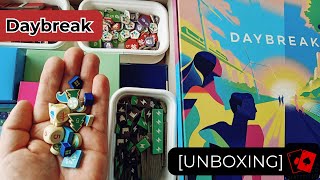
Click to watch at 0:25
Overall sentiment (raw)
positive
Pros
- Stunning art style and theme
- Thoughtful, magazine-like rulebook layout
- High-quality, heavy components with organized storage
- Eco-friendly packaging with no plastics
- Potential for strong solo mode along with cooperative play
Cons
- Rulebook is lengthy and somewhat dense; setup explained late
- Initial pages focus on IDs and long intro rather than immediate setup
- QR code usage and some components require learning curve
Thematic elements
- Climate change mitigation and cooperative governance
- Global climate policy and action themes across multiple regions
- Cooperative, scenario-driven with real-world environmental issues
Comparison games
- Terraforming Mars
- Pandemic
Mechanics (from transcript analysis)
- Card-driven actions — Cards determine actions; cards are multi-purpose and can be played front or back for different effects, with QR codes linked to digital content.
- Five-stage rounds — Each round consists of five stages, with players working cooperatively until a win/lose condition is met.
- Front/back card asymmetry — Cards can be played in different modes (front vs back) to power other cards or actions, enabling combos.
- Global crisis and project cards — Global project cards and crisis events drive the strategic decisions; cards represent policy and events.
- Solo mode and cooperative play — Supports solo play as well as 1-4 players; the creator emphasizes cooperative gameplay.
- Tableau/board setup with dual-layer boards — Double-layer boards to organize regions and player components; cardboard tokens and region-specific powers.
- Thematic wooden components and eco-friendly packaging — Thick tokens and wooden components with minimal plastic and highly thematic artwork.
Video topics + discussion points
No key topics recorded for this video.
Quotes (from this video)
- the artwork is already great
- 100% FC certified and no plastics in there
- environmental theme like a very political theme
- imagine like terraforming Mars having that kind of artwork
- the rule book is quite small which is good
- this is a long rule book ... 30 pages; 40 pages, oh wow
- the solo mode is best, which is good for all of you because if you want to see it played solo I will play it on the channel
- the art and the box are heavy, but the game is impressive
References (from this video)
No references stored for this video.
Video HNQDJcL3WgA
Runthroughs top_list at 0:01 sentiment: positive
video_pk 3507 · mention_pk 10447
Click to watch at 0:01
Overall sentiment (raw)
positive
Pros
- Optimistic message about climate action
- Solid gameplay
- Innovative QR code technology
- QR codes link to real-world information
- Living rulebook via web pages
- Inspiring and aspirational story
Cons
none
Thematic elements
- Climate change
- Cooperation
- Science
- Resilience
Comparison games
none
Mechanics (from transcript analysis)
Mechanics unknown.
Video topics + discussion points
No key topics recorded for this video.
Quotes (from this video)
- 2023 was the greatest year in board game history for my tastes
- Conveyor belts are my favorite board game mechanism period
- This is a technological breakthrough for Games
- The greatest bag building game of all time
- Ode to the power and resiliency of Science and cooperation
- Wall-to-wall optimism and an Ode to the power and resiliency of Science and cooperation
References (from this video)
No references stored for this video.
Video jfGFH-HsZsQ
Beyond Solitire interview at 28:15 sentiment: positive
video_pk 3312 · mention_pk 9800
Click to watch at 28:15
Overall sentiment (raw)
positive
Pros
- Strong cooperative design that teaches climate policy and global interdependence
- Uses real data and realistic solutions to illustrate feasible pathways
- Promotes active communication, negotiation, and collective problem solving
- Clear link between policy choices and macro-scale outcomes
Cons
- Complexity can be daunting for casual players
- May require longer session times to explore deeply
Thematic elements
- Global warming, cooperation, policy-making at the country level
- Global governance arena addressing climate policy and emissions
- Policy-driven simulation with cooperative dynamics
Comparison games
- Pandemic
- Memory
- Paul and Wright
- The Lord of the Rings trick decking game
Mechanics (from transcript analysis)
- cooperative play — Players work as a group to prevent climate crises rather than compete to win individually.
- End-of-round reckoning with shared win condition — The group aims for net-zero and resilient communities; success is collective.
- Global crisis events tied to emissions — Emissions rise in the shared space, triggering crises that intensify as temperatures rise.
- Local actions and shared atmosphere — Players execute local actions that contribute to a collective atmospheric/emissions pool.
- Policy cards and policy decisions — Cards representing economic and social policies shape outcomes for economies and populations.
- Regional roles and asymmetry — Players represent major regions (US, Europe, China, Majority World) with distinct capabilities.
Video topics + discussion points
No key topics recorded for this video.
Quotes (from this video)
- I don't think that 'serious games' adds much to the word 'games'.
- Daybreak has been played, we estimate, by about a million people so far, both online and offline.
- The win and the lose conditions are cooperative.
- Global warming is a global problem and therefore it requires solutions at that scale.
- A cooperative engine builder without turns.
References (from this video)
No references stored for this video.
Video owrJJv-U0j8
Unknown Channel game_review at 0:00 sentiment: positive
video_pk 3120 · mention_pk 9149
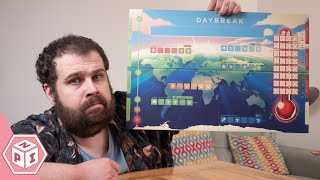
Click to watch at 0:00
Overall sentiment (raw)
positive
Pros
- Grounded, pragmatic approach to a complex global issue
- Innovative use of QR codes to connect gameplay with real-world context
- Zero plastic production and accessibility-friendly components
- No fixed turn order fosters dynamic cooperation and negotiation
- Modular difficulty and solo mode add replayability and narrative depth
- Rich combinatorial gameplay that rewards clever card management and synergies
- Strong design philosophy that blends entertainment with education
Cons
- Fictional framing may oversimplify real-world economics and governance
- Reliance on cooperative negotiation can be challenging for less communicative groups
- Effectiveness depends on players buying into the premise; could feel didactic to some
- Abstracted financial mechanisms may leave some players craving more realism
Thematic elements
- International cooperation to reduce temperature rise through energy transition and policy alignment
- Global political landscape; contemporary era framing a climate crisis
- fictional but grounded simulation of real-world climate initiatives with educational background
Comparison games
none
Mechanics (from transcript analysis)
- Absorption by forests/oceans — Forests and oceans absorb carbon, mitigating rise; balance between production and absorption is critical.
- Carbon cubes and energy tokens — Dirty vs clean energy tokens and carbon cubes track emissions and color-coded consequences on the board.
- card-driven action system — Five cards per player representing actions; players play, discard, overlay, or tuck cards to modify effects and drive cooperation.
- Crisis and events deck — End-of-round crises and dynamic events introduce uncertainty and strategic pivots.
- Green Tech exports and power plant management — Green tech cards enable inter-player support and strategic plant management to reduce emissions.
- No turn order; real-time negotiation — All players act in a cooperative, simultaneous-flow manner, emphasizing diplomacy and coordination rather than strict turn sequence.
- Overlay and regulation tags — Cards can be overlaid or relocated to enhance effects; regulation tags amplify changes across the board.
- QR-code background articles — Each card features a QR code linking to real-world background articles and rules glossaries, enriching learning and play.
- Temperature rise track — Accumulated carbon affects a global temperature track; reaching thresholds ends the game.
Video topics + discussion points
No key topics recorded for this video.
Quotes (from this video)
- Daybreak wants you to save the world and feel good doing it
- it's a modern Co-op design it's variable and mutable in its difficulty
- no turn order in Daybreak everyone hatches their own plans
- this is revolutionary this version of events is a lot more grounded and pragmatic
- the medium of board games this is revolutionary
- Daybreak blends the game you expect from fun board games with storytelling and accessibility
References (from this video)
No references stored for this video.
Video aLQaVTvfEbo
Dice Tower top_100_list at 8:34 sentiment: positive
video_pk 2531 · mention_pk 7389

Click to watch at 8:34
Overall sentiment (raw)
positive
Pros
- unique theme
- cooperation emphasis
- card-driven decisions
Cons
none
Thematic elements
- carbon neutral / sustainability
- Modern era with environmental themes
- card-driven, cooperative puzzle
Comparison games
- Thunderbirds
Mechanics (from transcript analysis)
- card-driven — Deck-driven actions with combinatorial possibilities.
- cooperative play — Players cooperate to achieve shared objectives.
Video topics + discussion points
No key topics recorded for this video.
Quotes (from this video)
- Welcome back to the top 100 games of all time.
- I am not a crook.
- Continuity. Continuity.
- Let's get started. Here we go.
- The people love it.
References (from this video)
No references stored for this video.
Video h9HX8jJAjnw
B Hangover general_discussion at 3:05 sentiment: positive
video_pk 1648 · mention_pk 4801

Click to watch at 3:05
Overall sentiment (raw)
positive
Pros
- cooperative design
- flexible actions
Cons
- less mainstream
Thematic elements
- cooperative action planning to save the world
- Earth-safety crisis with monsters and pollution
Comparison games
none
Mechanics (from transcript analysis)
- card actions — cards can boost or delete actions
- cooperative play — all players work together
Video topics + discussion points
No key topics recorded for this video.
Quotes (from this video)
- board games are the most accessible form of gaming
- no screen if you want to play a video game what do you need a screen
- Should you sleeve your board games? yes, it depends
References (from this video)
No references stored for this video.
Video RZxs9pAv99Y
Unknown Channel top_10_list at 7:32 sentiment: positive
video_pk 1534 · mention_pk 4402
Click to watch at 7:32
Overall sentiment (raw)
positive
Pros
- Sustainability-friendly design
- Accessible entry point for serious topic
- Engaging engine-building gameplay
Cons
- Some players may find the theme heavy in certain settings
Thematic elements
- engine-building with a hopeful tone
- Cooperative game about solving climate change
- learning tool-like while being fun to play; hopeful
Comparison games
none
Mechanics (from transcript analysis)
- cooperative engine-building — Players collaboratively build mechanisms to address climate challenges
- educational/hopeful theme — Designed to inject hope while remaining realistic
Video topics + discussion points
No key topics recorded for this video.
Quotes (from this video)
- Why in the Watcher's name would you make Slay the Spire into a board game when it is already a board game
- Daybreak... it's a miracle
- This game... it's a miracle.
- In it you play either as Sauron or the Fellowship and, just like the famous epic you'll be collecting cards in a tableau to combine abilities.
- There is nothing I can say in a segment that could explain what Arcs actually is
References (from this video)
No references stored for this video.
Video 7hzFPsvDVdg
Board Stupid top_5_list at 11:21 sentiment: positive
video_pk 60 · mention_pk 137

Click to watch at 11:21
Overall sentiment (raw)
positive
Pros
- Strong cooperative design; environment-conscious production
- Engaging and timely theme
Cons
- May require careful balancing for groups who want more structure
Thematic elements
- Hopeful, collaborative policy-making to combat environmental challenges
- Global climate policy discussions and cooperation
- Cooperative, no fixed turn order; table-wide involvement
Comparison games
- Pandemic
- The Lord of the Rings: The Fellowship of the Ring (trick-taking)
Mechanics (from transcript analysis)
- no fixed turn order — players coordinate actions without a strict turn sequence
- policy drafting / card sharing — players exchange cards to create and implement policies
Video topics + discussion points
No key topics recorded for this video.
Quotes (from this video)
- We do love a trick taker on the channel and the big craze for cooperative trick takers was born with this game.
- This is Daybreak... a fabulous game.
- Endeavor Deep Sea... definitely my favorite of all of the Kenes winners so far.
References (from this video)
No references stored for this video.
Transcript Navigation
Showing 1–24 of 24