In Descent: Journeys in the Dark (Second Edition), one player takes on the role of the treacherous overlord, and up to four other players take on the roles of courageous heroes. During each game, the heroes embark on quests and venture into dangerous caves, ancient ruins, dark dungeons, and cursed forests to battle monsters, earn riches, and attempt to stop the overlord from carrying out his vile plot. Featuring double-sided modular board pieces, countless hero and skill combinations, and an immersive story-driven campaign, Descent: Journeys in the Dark (Second Edition) transports heroes to a vibrant fantasy realm where they must stand together against an ancient evil.
With danger lurking in every shadow, combat is a necessity. For such times, Descent: Journeys in the Dark (Second Edition) uses a unique dice-based system. Players build their dice pools according to their character's abilities and weapons, and each die in the pool contributes to an attack in different ways. Surges, special symbols that appear on most dice, also let you trigger special effects to make the most of your attacks. And with the horrors awaiting you beneath the surface, you'll need every advantage you can take...
Compared to the first edition of Descent: Journeys in the Dark, this game features:
Simpler rules for determining line of sight
Faster setup of each encounter
Defense dice to mitigate the tendency to "math out" attacks
Shorter quests with plenty of natural stopping points
Cards that list necessary statistics, conditions, and effects
A new mechanism for controlling the overlord powers
Enhanced hero selection and creation process
Experience system to allow for hero growth and development
Out-of-the-box campaign system
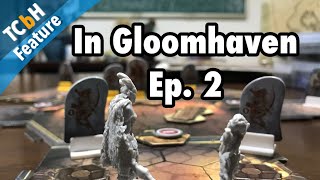
- deep tactical depth and strong synergy between teammates
- clear, large-scale planning enabled by perceived perfect information
- satisfying stealth and ambush dynamics leading to boss-killer sequences
- curse one-time effects can introduce volatile swings and RNG variance
- some missions hinge on draws; poor luck can undermine otherwise solid plans
- cooperative dungeon crawl with stealth, ambushes, and siege-like battles
- Barrow dungeon delve in a fantasy world with evil curses and central boss rooms
- scenario-based progression with boss encounters and variable enemy waves
Mechanics (from transcript analysis)
- boss encounter design — Bosses feature openings and special abilities that create tactical windows for players.
- combat deck management — Actions, attacks, and outcomes hinge on a deck of cards with options and weights.
- defense up / utility tools — Items like smoke bombs and defensive boosts enable defensive setups and setup plays.
- flanking — Positioning to attack from the side or rear to improve damage or reach.
- invisibility / stealth — Characters can become invisible to enemies to set up ambushes and manipulate threat focus.
- one-time curses — Curse cards are injected into combat decks as one-time modifiers that alter outcomes.
- poisoned dagger / weapon effects — Weapons provide added effects, enabling extra damage or status effects.
- surprise attack — Initiating from stealth to deliver a tactical opening and damage spike.
Video topics + discussion points
Quotes (from this video)
- this is where the tactical gameplay through myriads of options and perfect information and solo play shines
- worthy of gloating about on the Internet
- 15 damage will do either way
- the plus one comes after the doubling
- kick ass and that's just what we did
- this has been the cardboard Herald
References (from this video)
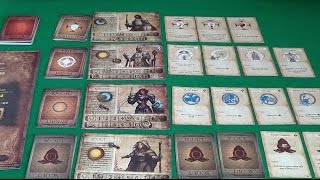
- Tense, rewarding exploration with meaningful loot and relic collection
- Strong thematic presentation with setting pieces like monasteries and ruins
- Dramatic combat sequences that reward planning and dice management
- Dice luck can slow progress and lead to failures
- Complex rules with multiple interlocking tracks (secrecy, darkness, durations) can be challenging to track
- Character downturns like the priest taking hits can be punishing
- heroic fantasy and occult relic quest
- fantasy dungeon crawl across monasteries, forests, ruins, and mountains
- cooperative, scenario-driven exploration with event cards and quest tokens
Mechanics (from transcript analysis)
- darkness/shroud progression — track darkness and encounter different enemies (shades, necromancer)
- Dice-based combat — resolve attacks and defenses with dice pools and modifiers
- elude vs attack — special actions to evade enemies using dice and exhaustion mechanics
- event and quest cards — draw events and quests that add durations and challenges
- exploration and treasure mapping — map cards and treasure management to progress goals
- resource/gain items — collect keys, relics, and relic-enhancing items like dust tokens
- secrecy track — track secrecy that restricts actions and triggers events
- turn-based cooperative pacing — multi-character team with role-specific abilities (priest, scout)
Video topics + discussion points
Quotes (from this video)
- this makes it an automatic elude success
- it's a 50-50 on this one
- we've got two keys between us which i'm pretty happy with
- we need one more to get ourselves a holy relic
- the priest is taking the beating
- okay whew, happy
- we can't drop below zero anyway
- let's see what we can do yes we got it
- excellent keys please ruins yeah we got a key excellent
References (from this video)
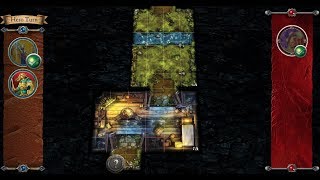
- Powerful reanimate and vampiric-blood interactions that create high-potential combat options and strategic layering
- Intricate two-player cooperative play with meaningful decisions on both sides of the screen
- Campaign progression via gold and shop items provides a sense of growth and attachment to the narrative
- Clear, tangible sense of tactical depth during combat rounds, with satisfying synergy between familiars and the necromancer's toolkit
- Thematic flavor is reinforced by specific monster archetypes (e.g., Flesh Molder, Master variants) and the density of encounter design
- The exploration and loot loop keeps sessions varied, rewarding risk-taking and scenario-specific planning
- Line-of-sight, range, and dice mechanics create a tactile, cinematic feel during engagements
- The system encourages proactive play and strategic experimentation with reanimate positioning and fatigue budgeting
- High rules complexity can intimidate new players and lengthen the initial onboarding
- Encounter density, especially with flesh molder waves, can cause lengthy turns and potential pacing friction
- Some dice outcomes can feel punishing or inconsistent, particularly when key surges are missed
- Fatigue management introduces an additional layer of bookkeeping that may slow down play for some groups
- Line-of-sight and range resolution can require frequent rule checks and careful spatial measurement, potentially slowing pace
- Cooperative dungeon crawling pitting a small band of heroes against an overlord who commands monsters, traps, and occult powers, with a focus on tactical combat, resource management, and narrative escalation across missions.
- Terrinoth dungeon realm, featuring ruined keeps, caverns, crypts, and eldritch locales where heroes confront undead forces and aberrant horrors.
- Campaign-driven experience driven by scenario cards, map tiles that evolve between encounters, shop-rolling for loot between missions, and a persistent sense of danger as the overlord counterplays with monsters and special abilities.
Mechanics (from transcript analysis)
- campaign shop and loot economy — Gold earned during exploration and encounters is spent in a shop between missions to acquire weapons, armor, and miscellaneous items. The shop system adds a meta progression layer, linking each session to the next and creating incentive to optimize routes, risk-taking, and resource allocation across the campaign.
- Dice-based combat — Each attack and defense uses a pool of dice (blue, red, yellow, brown) where surges modify outcomes. The balance of dice results is shaped by range, weapon quality, character abilities, and special effects. Surges can generate extra damage, healing, or additional outcomes, adding depth to minute-by-minute combat decisions.
- environmental and special encounters — Certain map tiles and encounter cards introduce environmental hazards or special encounter rules. These elements can shift risk-reward calculations, forcing players to adapt to dynamic threats while balancing their offensive push against the overlord.
- equipment synergy and dyes — Equipment interacts with color dyes and text effects, enabling players to tailor defense, attack, and special abilities to their current strategy. Armor and weapons provide numeric bonuses and may require dye resources to activate additional defenses or effects, introducing layer of customization and optimization decisions.
- fatigue system — Actions exhaust fatigue resources that must be managed across turns. Fatigue can be recovered by healing effects or specific actions. The fatigue mechanism constrains the volume of high-impact plays, encouraging careful sequencing, tempo control, and strategic timing of fatigue recovery opportunities.
- overlord and monster activation — The overlord manages a hierarchical monster cadre consisting of masters and minions. Masters introduce special actions and global effects that can alter threat density, while minions flood the board and pressuring the heroes. This creates a dual-layer threat system that rewards top-down management and micro-level positioning.
- range, line of sight, and positioning — Attack range, line of sight, and terrain impact hit probability and damage outcomes. Positioning relative to monsters, heroes, and terrain features can determine who is in range for a given attack and which targets are possible, making tactical movement a central pillar of play.
- reanimate and familiar tokens — A necromancer-style mechanic lets players raise dead and place reanimate tokens adjacent to the caster. Reanimates can be activated with limited autonomy, can be discarded to re-spawn or re-assigned, and gain enhancements (such as extra dice or buffs) via card text. The system emphasizes risk vs. reward in resource allocation and positioning.
- resource-based spell and item economy — Spells, abilities, and items often hinge on limited resources such as dice pools, fatigue, or specific symbols. Proper resource budgeting and timing can unlock powerful combos and explosive turns, but mismanaging resources can leave players stranded in high-risk moments.
- search and exploration — Spaces on the map can be searched to reveal loot, gold, or clues. Searches involve skill checks and can be influenced by hero positioning, gear, and the presence of allies. The results can trigger further encounters or grant meaningful bonuses that affect subsequent maps.
Video topics + discussion points
Quotes (from this video)
- it's quite interactive there's some buttons down here to show you the skills that you've trained the inventory
- this necromancer ability that says raise dead
- place your reanimate familiar token in a space adjacent to you
- I can control one reanimate at a time
- vampiric blood scale your reanimate adds one additional yellow power die to its attack pool
- pretty powerful attack
- we've killed this elemental
- it's a melee
- recover one fatigue
- between levels to buy new shop items
- a chest is tucked away beneath the bed in the corner
- blood spatters the grounds in a few places leaving a trail into the underbrush
References (from this video)
- Rich thematic dungeon-crawl experience with tactile combat and tactical decision-making
- Deep combat system with dice, rerolls, payback, and several conditional effects
- Engaging treasure/trap mechanics and coin-driven progression (e.g., six coins to bypass certain obstacles)
- Campaign flavor through death curses and persistent effects that influence long-term play
- High complexity and lengthy play sessions, which can be challenging for new players or casual sessions
- Rule-heavy moments that require careful tracking of tokens, curses, and various card effects
- Cooperation can devolve into temporary alliances that feel brittle or fragile depending on player goals
- Heroic dungeon exploration with a persistent campaign flavor including death tokens and death curses
- Fantasy dungeon-crawl with modular dungeon layouts, treasure hunts, traps, and monster encounters
- Campaign-driven dungeon exploration where players manage resources, cursed items, and boss encounters
Mechanics (from transcript analysis)
- cooperative strategy with social dynamics — Players coordinate plans for coins, doors, and portals; alliances can form and be reneged as the game progresses
- death tokens and death curses — When a hero dies they receive death tokens and must cope with death curses affecting future turns
- Dice-based combat — Attack and defense resolved with dice pools, rerolls, and payback/retribution reactions from monsters
- line of sight and guard reactions — Movement and ranged actions rely on line-of-sight; enemies trigger guard reactions if you exit spaces or attack nearby heroes
- persistent dungeon and campaign flavor — Rooms, portals, doors, and coins create a continuing dungeon scenario with evolving risks and rewards
- trap and treasure exploration — Exploration spaces yield traps or treasure chests that alter health, tokens, and player status
Video topics + discussion points
Quotes (from this video)
- Collect six coins to get in; the six-coin objective is a core early milestone
- the front door cannot be opened and the red portals cannot be used until certain conditions are met
- death curses stay with the hero and affect future turns, adding lasting weight to defeats
- guard reactions trigger when you move away from a space, creating positional tension
- you may attack multiple enemies close to the target with certain cards, which can swing a fight
References (from this video)
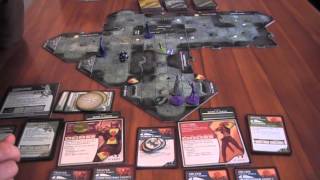
- Dynamic monster activation creates tension and strategic pacing
- The Drow-based villain with distinct movement and attack patterns adds thematic flavor
- Clever use of dungeon layout (narrow passages) to shape encounters
- Rule memory complexity and occasional confusion about the timing of drawing encounter cards
- Memorization and reference checks can slow down play during tricky interactions
- Heroic fantasy dungeon exploration with boss encounters and tactical combat
- Underground dungeon crawl with a Drow-focused antagonist and monster force advancing through a narrow, peril-filled map
- Scenario-driven, episodic battle against a powerful villain with monster waves
Mechanics (from transcript analysis)
- combat resolution — Characters roll dice to meet or beat armor class, apply damage, and utilize special abilities (e.g., Giant Strength).
- Encounter cards — Encounter cards introduce events and effects during the villain phase or attack, sometimes causing direct damage or status effects.
- Exploration phase — Players explore tiles, reveal new areas, and position for optimal defense or offense.
- Monster activation — Monsters move toward heroes within range and attack if in proximity, creating threats like goblin cutters, drow duelists, and spider swarms.
- Tile interactions — Narrow passages and tile adjacency affect line of sight, movement, and combat outcomes.
- Villain phase — The vaunted Matriarch/Matrix-like boss and its minions act, with the active hero drawing encounter cards and resolving effects.
Video topics + discussion points
Quotes (from this video)
- this is pretty cool because she's got to get through this narrow passage to have a crack in my guys
- the active hero must draw the top encounter card
- takes two damage
- caterpillar takes a step backwards and fires her bow at this drow duelist
- it's going to be category it's going to move adjacent
- unlucky
References (from this video)
- Strong thematic dungeon crawl
- Solid production and components
- Complex rules and steep learning curve
- Outpaced by newer designs
- Heroic fantasy quest under threat of monsters
- Fantasy dungeon crawl with a faction-driven dungeon master
- Campaign-driven progression with quests
- Gloomhaven
- Descent 2e
- Mansion of Madness
Mechanics (from transcript analysis)
- asymmetric roles (DM vs heroes) — One player-led DM controls monsters
- Campaign progression — Heroes gain abilities across sessions
- dice combat and skill checks — Resolution via dice and static stats
- modular dungeon and storyline — Scenario-based missions with evolving content
Video topics + discussion points
Quotes (from this video)
- Hero Quest is a great game but it's also great because it's kind of bad.
- it's a framework... you start thinking about what other races, classes, monsters, furniture, stories, weapons, items could be added
- the anticipation that anything could be around the corner by populating the board with the furniture as you go
- Damage Buff... I'm going to help other people succeed
- I would do this full-time tomorrow if I could
- the ham sandwich on white bread leaves you room to explore all the possibilities