Dragons Down is inspired by the classic board game, Magic Realm.
I thought they were crazy, rebuilding civilization on the exact place where the dragons had come down from the sky. Even if it had been over 200 years, everyone knows a dragon's lifetime can be far longer than that. Yet, here I am like all the other fools. Driven by my thirst for fame and to fill my satchel with coin, I arrived in the village at the same time as the other adventurers...
Dragons Down is an adventure game inspired by the classic game, Magic Realm. The game is set in Western fantasy where players act as adventurers seeking fame and glory seeking hidden treasure sites, looting great treasures and epic artifacts, fighting monsters... and perhaps each other, all while attempting to become a legend.
Each turn, players can hide from monsters and other players, move around the realm, search for treasure sites and hidden paths, loot found treasure sites, stay alert for trouble, prepare magic, enchant the realm, and/or rest from their wounds. By slaying monsters, looting epic treasures, completing quests, or even hunting down your fellow adventurers, players accumulate fame and fortune. Although a winner is crowned for collecting the most fame and retiring (or dying), the game is a very large sandbox that can be played with your own goals in mind.
—description from the publisher

- deep, asymmetric design with high interaction
- strong emergent storytelling potential
- flexible playstyles and strategic depth
- steep learning curve
- long setup and potentially long sessions
- not ideal for casual players
- emergent narrative through asymmetric powers
- Fantasy dungeon-adventure world with dragons and exploration
- open-ended, sandbox-style
- Magic Realm
- Merchants of Venus
- Descent Second Edition
- Dungeons & Dragons
Mechanics (from transcript analysis)
- Asymmetric powers — each player has access to unique or highly varied abilities driving distinct playstyles
- deck-building — start with identical 12-card decks; players acquire and insert new cards to customize powers
- face-down action selection — cards are played or revealed to determine actions; DM adjudicates outcomes
- turn order by progress — who acts first is influenced by points or in-game progress rather than fixed order
Video topics + discussion points
Quotes (from this video)
- it's a deck builder of sorts
- the powers are diverse like it's really asymmetric
- Noi Hyimat will easily be the most checked out game of BGCon 2026
- Magic Realm saved my life when I was a kid
References (from this video)
- Demonstrates a flexible, non-combat-focused build (spellcasting and exploration) as a viable path
- High replayability through sandbox/open realm mode and randomized terrain/map setup
- Clear, thorough exposition of spell mechanics, combat steps, and loot/treasure interactions
- Strong emphasis on resource management (legend points, fame, gold, charisma) and meaningful quests
- Rule complexity and heavy component tracking may be daunting for newcomers
- Spell reliability depends on dice and timing; some situations can be punishing (e.g., giant bats, curses)
- Long play sessions with numerous tokens, cards, and status tracking can be cumbersome
- Narrative flow relies on viewer patience to absorb numerous procedural details
- Spellcasting, exploration, treasure hunting, and risk management with minimal direct combat
- Fantasy dungeon crawl with an open-world sandbox realm (Wicked Woods, Cruel Caves, ruins, temples, gates, altars)
- First-person, iterative playthrough detailing setup, exploration choices, and combat/spell interactions
Mechanics (from transcript analysis)
- Combat system with two sequences per combat and potential extra rounds — Combat proceeds through steps (Hero tactics, etc.) and is executed twice per encounter unless wounds end the combat; some spells can be cast during combat but may fizzle
- Looting, treasure, and item management — Treasure tokens include deep treasures, epic treasures, and curses; looting a shrine/altar/treasure site yields points, fame, and possibly legendary items; curses can impose penalties and alter loot rules
- Missions, quests, and merchant interactions — Visit merchants (Crone, Smith, Astrologer) to draw missions, buy items or legendaries, and replenish quest boards; completing missions yields gold, fame, or legend points
- Resource and victory point economy — Legend points, Fame, Gold, and Charisma are earned via exploration, merchants, quests, and treasures; some actions convert gold into permanent bonuses or legend points
- Sandbox map generation and randomized terrain packs — The map is built with Wicked Woods and Cruel Caves terrain packs, with two-sided terrain tiles and randomized title cards; lineage/class choices influence starting spells and advantages
- Spellcasting system using cubes and turn-based durations — Spells are cast by placing cubes on spell cards; some spells last a turn, others extend into the next turn; spells can fail as attacks and may require dice rolls when monsters are present
- Terrain flipping and tile manipulation — Certain actions allow flipping or rotating tiles to access new areas (e.g., altars, shrines, gates), sometimes consuming extra actions
Video topics + discussion points
Quotes (from this video)
- this type of build where you don't fight is viable
- spells can fail when you cast them
- you get to cast two spells
- open realm mode
- a total of 26
References (from this video)
- Strong emergent storytelling
- Flexible character/class options
- Engaging exploration and encounters
- Newer title with evolving opinions
- Rule complexity for full expansion integration
- Overland exploration with dungeon-like encounters
- Modern-inspired fantasy with exploration and mythic threats
- Emergent through map exploration, loot and encounters
- Folklore: The Affliction
- Explore It (Forest of Adrion)
Mechanics (from transcript analysis)
- Deck-based combat and loot progression — Loot acquisition and card-based actions shape advancement.
- Overland exploration with a map layer — Exploration across a randomly generated landscape.
Video topics + discussion points
Quotes (from this video)
- This game is amazing at creating an emerging narrative.
- I voted this number one adventuring game this year.
- Emerging narratives are just fantastic in Explor It.
- The lore, the art, the setting—the Gothic vibe here is unmatched.
- You can play solo without a DM and still have a deep experience.
- This is one of the best dungeon crawlers you can buy today.
References (from this video)
- Rich sandbox with numerous strategic branches and choices
- Dynamic combat that rewards careful cube allocation and timing
- Deep progression via missions, treasures, and dragon/giant encounters
- Retroactive mission completion and flexible tile-set interactions add variety
- Rule complexity and occasional wording gaps noted by players
- High RNG risk can lead to sudden death or punishing turns
- Inventory and tracking add-ons outside core components can be cumbersome
- Adventure, exploration, dungeon-crawling combat
- Fantasy realm with realms, civilizations, and token-driven exploration
- Solo playthrough with live-rule explanations and commentary
Mechanics (from transcript analysis)
- Civilization Tiles & Merchants — Civilization tiles host merchants who offer missions, treasures, and rewards.
- Combat Sequence — Monster activation, attack speed, maneuver speed, dice resolution, armor interactions, and damage resolution occur every turn (even with no monsters).
- Gates & Realms — Tokens can indicate gates that connect realms for longer-distance travel.
- Loot, Treasures, and Missions — Treasure and spell items, mission cards, and merchant interactions drive progression and endgame scoring.
- Open Realm / Outside Map Start — Hero begins outside the map and must spend the first action entering through an edge path.
- Retirement Scoring — Endgame scoring combines fame, legend points, and special endgame bonuses; retirement can be chosen if conditions are met.
- Sneak / Alert / Hide — Actions to evade monsters; sneaking reduces encounter risk but can lead to later monster reactions if misused.
- Tile-based Navigation — Tiles have types (plane, forest, mountain, cave, etc.) that affect movement cost and encounter dynamics.
- Wilderness Tokens — Drawing and flipping wilderness tokens when entering tiles drives events and gate mechanics.
Video topics + discussion points
Quotes (from this video)
- solo playthrough of dragons down
- the goal for solo is to collect 12 or more Legend points without dying
- combat sequence happens every turn
- you always have to cast spells during the combat sequence
- open realm rules which means that your hero starts outside of the map
- this is a sandbox with a lot of RNG and decision points
- I've picked my lineage and class in this case I've picked the human lineage and the night class
References (from this video)
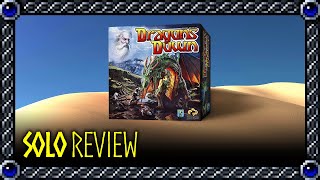
- Highly replayable sandbox with extreme variability
- Single-character focus allows personal storytelling
- Strong component design and organization (poker chips, tiles, tokens)
- Clear rulebook with comprehensive iconography
- Smooth setup: maps generate quickly (5–10 minutes mastery)
- Lack of player aids and quick-reference for actions
- Steep learning curve requiring study, notes, and external guides
- Insert not accommodating sleeved cards or all base tiles
- Card backs for deep treasure and treasure cards are too similar for sorting
- Some rule clarifications needed; some gameplay aspects require inference
- Exploration, loot collection, character progression through lineage and class
- Fantasy sandbox with randomly generated maps and a quest-driven structure
- Open-ended, player-driven adventure with multiple paths and outcomes
- Magic Realm
- Explore It
Mechanics (from transcript analysis)
- Legend/Fame points — A currency used to progress and complete objectives; Fame translates into Legend points under certain conditions.
- Lineage and class selection — Players choose a lineage and class (double-sided tokens) with starting items that affect playstyle.
- Loot, treasure, and spells — Rich item decks including armor, weapons, exotic items, and spells.
- Monster combat system with cubes — Monsters have stats mirroring player stats; combat uses limited cubes to determine attack speed and movement, with die flips adding risk.
- Random map generation — Maps are created from terrain packs and double-sided tiles to create varied layouts each game.
- Terrain packs and map exploration — Terrain packs add variety; map tiles are double-sided allowing many configurations.
- Tile flipping and exploration risk — Tiles may flip mid-game, potentially changing accessible routes and quests.
- Turn-based actions — Typically four actions per turn with options including movement, combat, spellcasting, and interaction.
- Vendor missions and quests — NPC vendors provide missions and loot objectives as part of exploration.
Video topics + discussion points
Quotes (from this video)
- this is a true sandbox
- this is the most insane sandbox I've ever experienced
- you don't have to control a party of characters you only have to control one
- it's a true sandbox and it has offered me a sense of exploration like no other board game I have played
- this is a very unique game and one of the best adventuring games that I ever played