A game from designers who made 1960: The Making of the President. The goal here is to be the founding father with the most renown at the end of the game, which consists of the making of the US constitution.
Each round, an article of the constitution is put up for consideration, which is either a Federalist, Anti-Federalist, Big State, or Small State issue. Players have a hand of three delegate cards that represent their respective states and also have a special ability. Players may use these cards' special abilities, use the cards to vote for or against the issue under consideration, or to try and claim tokens in each of the four types of issues. When a round ends, the issue either passes, or is flipped to its opposite side (Federalist/Anti or Big/Small).
Players score points for having voted with the majority, and also for having tokens matching the issue types that are voted into the constitution.
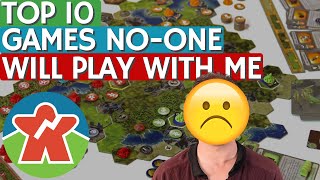
- strong thematic flavor in a classic drafting framework
- good for social play and banter
- aesthetics may be bland
- not ideal for complete newcomers
- political drafting and governance
- early American independence era
- historical-poli-themed but with light modular storytelling
- Innovation
- Libertalia
Mechanics (from transcript analysis)
- Multi-use card drafting — cards provide scoring opportunities and political actions
- vote/defeat dynamics — players influence votes to advance their goals
Video topics + discussion points
Quotes (from this video)
- nobody wants to play with me
- three hour negotiation game
- it's not the easiest to sell
- it's a pretty sizable box
- this is edge of darkness, a very niche game
- Dream Home is fluffy, light, and pleasant
References (from this video)
- strong historical emphasis
- educational value for civics and history curricula
- potentially polarizing to some students
- card-driven historical decision making
- Founding era of the United States
- educational political history
- Paths of Glory
- East Front
Mechanics (from transcript analysis)
- card-driven — cards reflect political actions and policy choices
Video topics + discussion points
Quotes (from this video)
- The Dietz Foundation is the world's only not-for-profit game company so that we are set up that when we make money in however we make it that our funds and our profits go towards helping education.
- Donations always go directly to the cause, after the PayPal fee, 97 percent goes where it's supposed to go—much more than the 50 or 60 percent you get from most charitable organizations.
- Games are a great way to learn about everything.
- I don't like working for them anymore, I prefer working for myself.
- Education can be wide and varied, and can be by subject matter as well as by the educational goal.
- If you want to learn about civil rights, you can take the game to your home and interact with it in a safe space to think through difficult topics.