Inis is a game deeply rooted in Celtic history and lore in which players win by being elected King of the Island (Inis). Players can try to achieve one of three different victory conditions:
Leadership: Be the leader — i.e., have more clan figures than any other player — of territories containing at least six opponents' clans.
Land: Have your clans present in at least six different territories.
Religion: Have your clans present in territories that collectively contain at least six sanctuaries.
Over the course of the game, players also earn deeds, typically chanted by bards or engraved by master crafters, that reduce by one the magic total of six for any condition. While one victory condition is enough to claim the title of King, a game of experienced players usually has a tight balance of power, emphasizing the leadership of the capital of the island.
At the start of each round, players draft a hand of four action cards (with 13 action cards for three players and 17 for four players) during the Assembly. Action cards not played at the end of one season are not held for the next. Players also have access to leader cards for the territories that allow it and where they were elected leader during the assembly. Each Assembly reallocates those cards. Finally, they collect "epic tales" cards that depict the deeds of the ancient Irish gods and heroes, like Cuchulainn, the Dagda, Lugh and many others. These will be kept and used to inspire the clans and achieve extraordinary feats...under the right circumstances. The cards provide a variety of actions: adding clans, moving clans, building/exploring, and special actions.
Careful drafting, hand management, bluffing (especially once players understand the importance of passing their turn), good timing, and a precise understanding of the balance of power are the keys to victory. After a discovery game you'll be ready for a full and epic game, where an undisputed player will be king by the Assembly for his merit and wisdom.
While Inis has "dudes" that are "on a map", it's a beginner's mistake to play this as a battle game because eliminating other clans reduces your chances of scoring a Leadership victory condition. Peace among different clans, with or without a clear territory leader, is the usual outcome of a clan's movement. Battles will occur, of course, as the Celtic clans can be unruly and a good player will listen to his clan's people (i.e., his hand of cards). That battle aspect is reflected in the clan's miniatures representing warriors. Woodsmen, shepherds and traders complete the set of twelve minis for each player; these occupations have no impact on the game, but give it flavor.

- Stunning artwork and high-quality components
- Large cards and visually striking tiles
- Strong negotiation and player interaction
- Drafting, memory, and passing mechanics add depth
- Engages players throughout and prevents a single runaway leader from dominating
- Generally rewarding with thoughtful tension and strategic play
- Pacing can drag and exceed an hour, depending on group
- Kingmaker dynamics can influence the outcome and feel unearned in some games
- Epic cards can introduce imbalance if not managed by group consensus
- Political maneuvering and power struggles among Celtic clans
- Ancient Celtic Britain/Ireland; Celtic clan politics
- mythic Celtic politics
Mechanics (from transcript analysis)
- Area control / territory influence — Players place clans on territories; victory can depend on controlling territories and the presence of sanctuaries.
- card drafting / hand management — Each round involves drafting and passing action cards to build four-card hands and enable different actions.
- Citadel / Sanctuary placement — Players may build citadels or sanctuaries to secure territories and influence end-game scoring.
- Clash resolution — Clashes occur when clans contest territories; outcomes depend on card effects and negotiation, with peace options.
- Flock of crow token and direction — A crow token determines the round's direction and influences play order and tactical choices.
- Pretender tokens and victory conditions — Pretender tokens track objective completion; meeting one of several conditions can end the game with a winner.
- Season actions — Season phase allows playing season cards and triggering effects to meet victory conditions or sustain momentum.
Video topics + discussion points
Quotes (from this video)
- artwork and with each card being simply a masterpiece
- the negotiation and balance of needing other players while achieving your own goals
- memory and passing mechanic
- the end result led to a kingmaker scenario where the game just builds until multiple candidates can simply win
- no runaway leader as the players keep him in check making everyone else invested in the game up until the very end
- it's a fine game that works in the end
References (from this video)
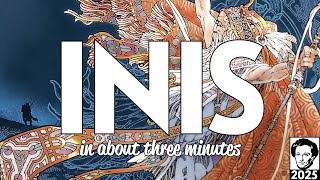
- Art and oversized cards with Celtic theme are visually striking
- Card drafting adds meaningful choice and tension
- Epic red cards add variety without breaking the balance
- Powerful swings keep games dynamic and exciting
- Aggressive play can overwhelm others and isn't for every group
- Pacing can be volatile; easy to lose track of win conditions
- Clans can be wiped off the board quickly if targeted by opponents
- political influence through clan management, territory control, and sacred sites
- Celtic myth-inspired island politics; a chieftain vying for regional influence
- mythic epic with album-like events and storytelling through cards
- Arcs
- Kit
Mechanics (from transcript analysis)
- alliances_and_tactical_movement — Card types allow movement and alliances that can influence board layout and combat.
- area_control — Control of regions by placing clans; majority in a region yields benefits and victory points.
- card_play_and_resource_management — Every action uses a card; managing hand and playing epic 'red' cards for swingy effects.
- combat_and_battle — Clans engage in battles with escalating outcomes; battles can swing the game and end by consensus or forceful advancement.
- drafting — Players draft cards each round to build actions and strategies, shaping the flow of play.
Video topics + discussion points
Quotes (from this video)
- it's an absolute work of art.
- The cards are oversized and the art is just amazing.
- I love card driven games, and this one adds drafting to that
- I love the one-off epic red cards and how they shake the game up dramatically
- The best thing about this game is how it manages to feel epic with such a low pace count.
- Inish needs more slan, but it's a gold medal game.
References (from this video)
- deep drafting mechanics with strong flavor
- great for groups that enjoy asymmetric play
- reputation and complexity can intimidate newcomers
- requires familiarity to perform well
- mythic, tribal conflict
- Celtic world with island control and diplomacy
- grim but humorous negotiation around cards
- Dune: Imperium
- Twilight Imperium (lite)
Mechanics (from transcript analysis)
- Area Control — control islands to gain points and advantages
- card drafting — draft cards that shape actions and scoring options
Video topics + discussion points
Quotes (from this video)
- nobody wants to play with me
- three hour negotiation game
- it's not the easiest to sell
- it's a pretty sizable box
- this is edge of darkness, a very niche game
- Dream Home is fluffy, light, and pleasant
References (from this video)
- Didn't enjoy
- Historical conflict
- Celtic Ireland
- Thematic
Mechanics (from transcript analysis)
- card-driven conflict
Video topics + discussion points
Quotes (from this video)
- It wasn't just the hundred sort of best designed games this was the hundred games that I feel that I'm particularly sort of connected to
- The games that have a place in my heart really games that I've got a lot of nostalgia for
- It felt a bit like doing a roll and write game but without all of the sort of convenience
- I wish I still had castles of burgundy and notre dame
- The main thing that got in the way for me was all the iconography
- I do use board games as an escape from screens and technology
- I really like the production of cockroach poker
- I found it was a game where I could see the ending coming and then someone would just go and there we go we've got another 20 minutes now
- It feels like something other than a board game
- The decisions you make in the game are very very slight
- Right up my alley
- I do really like push your luck
- That's my favorite game
- Abyss is my second favorite game
- I love pekka pig
- I just think it's ugly
References (from this video)
- Interesting card-driven decisions
- Tight, tactical gameplay
- Can feel abstract or less thematic for some players
Mechanics (from transcript analysis)
- card-driven area control — A card-based system that drives actions and map control.
Video topics + discussion points
Quotes (from this video)
- Dominant species is a truly awful game that I really really dislike
- this is a very very light worker placement game
- the seventh continent for us
References (from this video)

- strong theme integration
- tight play rhythm
- high interaction
- steep learning curve for new players
- rules can be opaque at first
- island politics, diplomacy, and conflict
- fantasy island with Celtic-inspired themes
- mythic, epic
- Root
- Seven Wonders
Mechanics (from transcript analysis)
- area-control — players compete for influence over regions on the action map.
- hand-management — order cards and actions are managed and revealed to drive play.
Video topics + discussion points
Quotes (from this video)
- this is the going analog quiz show
- do you have a license for that so it's all about different licensed games
- name one katan based on a licensed property
- you know your history i was recently at the museum of play in rochester new york
- and that's the going analog quiz show everybody now you can stop watching and go play a game
References (from this video)
- Easy to learn but hard to master
- Replayability is high due to tale cards and tile variability
- Stunning production and absolutely gorgeous visuals
- Deliberate and strategic with meaningful choices
- Can require a long playtime, especially with more players
- Steep learning curve for newcomers to the system
- Downtime can be noticeable in multiplayer sessions
- chieftains vying for leadership, clan politics, religion, and territorial expansion
- From Ireland to a newly discovered land, inspired by Celtic history and legends
- mythic epic with a distinctly Celtic flavor
- Blood Rage
- Kemet
- Spirit Island
Mechanics (from transcript analysis)
- Area Control — Players contest presence in territories to gain leadership and victory conditions.
- card drafting — Draft action cards and illness cards that influence later rounds and strategic options.
- clan movement and conflict — Move clans across the board, clash with others, and build sanctuaries to secure territory.
- season-based actions — Two-phase rounds (assembly and season) determine which actions are available and how they resolve.
- tile/variable setup — Epic tale cards and tiles create high replayability and varied setups each game.
Video topics + discussion points
Quotes (from this video)
- it's easy to learn but hard to master
- replayability is one of its best attributes because of the epic tale cards and the many tiles
- the thing no one can dispute that it looks absolutely gorgeous
- if you want meaningful choices and a bit of conflict and you don't mind games that take several hours then you're gonna love it
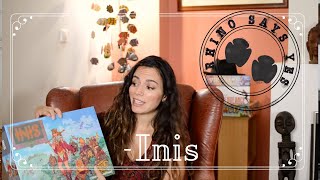
- Rhino says a big yes to Inis you should definitely give it a go
References (from this video)

- Elegant drafting that drives confrontation
- Beautiful components and visual presentation
- Die-based movement can feel luck-driven
- Some players dislike the older, direct-die movement mechanic
- Area control and strategic tension
- Ancient Celtic island with strategic conquest
- Mythic, folk-tale flavor with a focus on positioning
Mechanics (from transcript analysis)
- Area Control — Compete for control thresholds across the map
- Asymmetric powers — Different factions/heroes provide unique abilities
- card drafting — Draft actions from a personal hand to execute turns
Video topics + discussion points
Quotes (from this video)
- my number ten game is one of my oldest one of my deepest loves talisman
- the board develops as you play—it's a novel instead of a book
- the mythos deck heavy in the hp lovecraft theme
- the drafting in this is the funnest part
- it's a beautiful game, it's lovely, gorgeous
- you really create your own clank based on your memories
References (from this video)

- Creative initiative/turn order mechanic using victory points as bidding currency
- Well-designed for two-player play
- Best with three players
- Many shifting variables - kaleidoscope of options
- Analysis paralysis potential from too many options
- Bruno Cathala game-breaking powers (Gins) add unnecessary complexity
- Hard to get invested without feeling like work
- Bidding system underutilized (people rarely bid aggressively)
- Celtic Mythology
- Ancient Ireland
Mechanics (from transcript analysis)
Video topics + discussion points
Quotes (from this video)
- it delivers what it promises and it does have that true epic feel to it
- bless you you've got you've got a game that's tailor-made for you
- you can be set for life playing Magic with your group but yeah it's not for me
- this is a game where if you are playing with somebody who knows the game they are going to absolutely trounce you
- I think you'd cut 30% from this game and it wouldn't be a worse game for it
- taking myself out of the equation this is like 10 but with my own enjoyment into it it's definitely significantly lower