Keyflower is a game for two to six players played over four rounds. Each round represents a season: spring, summer, autumn, and finally winter. Each player starts the game with a "home" tile and an initial team of eight workers, each of which is colored red, yellow, or blue. Workers of matching colors are used by the players to bid for tiles to add to their villages. Matching workers may alternatively be used to generate resources, skills and additional workers, not only from the player's own tiles, but also from the tiles in the other players' villages and from the new tiles being auctioned.
In spring, summer and autumn, more workers will arrive on board the Keyflower and her sister boats, with some of these workers possessing skills in the working of the key resources of iron, stone and wood. In each of these seasons, village tiles are set out at random for auction. In the winter no new workers arrive and the players select the village tiles for auction from those they received at the beginning of the game. Each winter village tile offers VPs for certain combinations of resources, skills and workers. The player whose village and workers generate the most VPs wins the game.
Keyflower presents players with many different challenges and each game will be different due to the mix of village tiles that appear in that particular game. Throughout the game, players will need to be alert to the opportunities to best utilize their various resources, transport and upgrade capability, skills and workers.
Keyflower, a joint design between Richard Breese and Sebastian Bleasdale, is the seventh game in the "Key" series from R&D Games set in the medieval "Key" land.

- Favorite work placement feature - building your own spaces
- Shared sense of community where opponents can use your buildings
- Actual village building feeling over abstract mechanisms
- Resource transportation with horse and buggy mechanics
- Great auction mechanic that's easy to explain
- Push-your-luck bidding strategy
- village building
- worker placement
- community
- resource exchange
Mechanics (from transcript analysis)
Video topics + discussion points
Quotes (from this video)
- Kim is a little new to gaming... I've been in the business for maybe a couple decades... he's ancient he was around before the first board game was ever created
- The reason for that is if you check forums a lot of people will talk about how they don't like the semi-cooperative nature of the game
- I wish he was wrong but okay in my justification if you're playing a board game it's a physical tactile thing
- I have a lot of friends where English is not their first language... with this kind of game being abstract there are no there's no cards to read there's no complicated rule
- Argent is one of the most beautiful mess of the games imaginable
- If you've never seen this game before it is the cutest thing ever ever
- It's been my favorite game forever... I wouldn't bust this down if my family came over
- Every time I feel like playing a board game it feels like there's a part of me that's just like okay I should play Arc Nova again
- I really like when theme matches the mechanics
References (from this video)
- one of the best worker-placement/bidding hybrids
- deep strategic options
- high interaction may deter some players
- workers and seasons with bidding
- medieval village
- worker-placement with strong engine
- Agricola
- Cantalope? (not literal; intended as general genre comparison)
Mechanics (from transcript analysis)
- auction_bidding — seasonal bidding for workers and tiles
- worker_placement — seasonal worker placement with tile/tile-building interactions
Video topics + discussion points
Quotes (from this video)
- probably my favorite tire placement game of all time
- this one is like a companion game to el grande
- Arc Nova certainly the hotness at the moment
References (from this video)

- tight, tense bidding system
- great replayability
- solid design and proven reliability
- can be punishing and complex for newcomers
- board state can be dense
- busy auction/placement mechanics with tiles and workers
- medieval tile-based city
- grid-like city-building with bidding
- Lost Ruins of Arnock
- Yokohama
Mechanics (from transcript analysis)
- Tile placement / engine building — build a city by placing tiles activated by bids
- Worker placement with bidding — bid with workers to activate locations and tiles
Video topics + discussion points
Quotes (from this video)
- Breaking news… our fan plays games will be at Cardboard Caucus in Des Moines October 22nd to the 24th.
- There is light at the end of that tunnel.
- We love Cascadia and we want to thank Efka and Ellen for the shout-out.
References (from this video)
- deep, satisfying puzzle with many viable paths to victory
- strong inter-player interaction; not a solo euro
- works well at 2-6 players and with full expansion
- rulebook can be dry or dense; learning curve
- some players find bidding mechanic heavy at first
- settlement-building; bidding with colored tokens
- village-building with seasonal workers
- thematic euro
- Carcassonne-esque map-building
- other color-meeple bidding euros
Mechanics (from transcript analysis)
- color meeple bidding on tiles — players bid with color meeples to acquire tiles for their village
- multi-use resources — collected resources feed into multiple upgrade and expansion options
- seasonal timing and production — tiles and workers interact with seasonal timing to drive scoring
- tile placement / worker placement hybrid — tiles extend the player's village and provide resources or bonuses
Video topics + discussion points
Quotes (from this video)
- oh my god this is one of the most tense abstract games I've ever played
- it's that fast
- I will teach you the game in 30 seconds and chances are we'll finish in the next nine and a half minutes
- this is really solid
- Keyflower is just stuck with me
References (from this video)

- Innovative interaction between workers and money
- Rich thematic integration
- Can be heavy for first-time players
- Rule familiarity required
- Resource conversion via tiles and workers
- A seaside village driven by seasonal tile placement
- Tile-laying with vehicles of labor and money conversion
Mechanics (from transcript analysis)
- Tile-laying — Tiles placed to unlock new actions and resources.
- worker placement — Workers/meeples trigger actions across the board.
Video topics + discussion points
Quotes (from this video)
- you become that family yes you become that person who's making sure this town develops
- our top 10 worker placement games are what we're sharing
- it's a heavyweight it has a large table press but it's a beautiful game
- you can throw yourself into the theme yes you can
- you gotta feed them
- I love the dice
References (from this video)
- excellent two-player scaling
- variety of viable strategies
- initial learning curve and rules density
- resource management via workers and tile bidding
- island-based medieval village
- deep strategic Euro with modular components
- Istanbul
- Cabo
Mechanics (from transcript analysis)
- tile_laying_and_bidding — bid with meeples to secure tiles, then place them on a personal board
- worker_placement — use workers to acquire resources and upgrade tiles
Video topics + discussion points
Quotes (from this video)
- a simple engine building style game
- not overly complicated and it plays in around an hour
- this is one of those games that really did bypass me really despite me loving Wolfgang Kramer games
- this game is absolutely phenomenal
- the top placement style of this as well
- tons of different ways to get points
References (from this video)
- Harmonized multi-mechanism design
- Dynamic economies and shifting tiles create varied play
- Rich interaction and player-driven tension
- Can be mechanically dense for new players
- Can require long play sessions
- tile bidding and worker placement with shifting economies
- Medieval village construction and expansion
- village-building with a moving economy
Mechanics (from transcript analysis)
- passive worker economy — Workers move between tiles and villages, creating a dynamic flow.
- shifting resource economy — Resources move along roads and boards as you upgrade buildings.
- tile bidding with communal meeples — Bid with tiles/meeples and place workers on tiles to develop your village.
Video topics + discussion points
Quotes (from this video)
- I love the sense of urgency when it comes to rushing to these islands and getting them populated as quickly as you can.
- This game is the absolute best of the best. You know, the top 1% of the top 1% of the games that I've played.
- I could not speak more highly of this design.
- The dice-driven twist, the engine-building, the tension—this is why I play board games.
References (from this video)

- Deep, crunchy euro with multiple victory paths
- Shared-worker mechanic adds unique strategic layer
Mechanics (from transcript analysis)
- Tile/bid resource cycling — Tiles contribute to a personal town and bidding shifts workers among players.
- Worker placement with bidding — Bid on tiles to place workers and gain resources; shared workers introduce bidding tension.
Video topics + discussion points
Quotes (from this video)
- I love how streamlined this game is.
- it's a drafting style game as you're trying to build up the civilization of cards
- one world worthy of all the hype
- this engine builder
- it's the crunchiness
- this is widely considered to be one of the best if not the best economic style board game of all time
- it's a joy to play
- you are destined to love it
References (from this video)

- Really fun auction mechanic
- Interesting player interaction
- Solid euro design
- High player interaction
- Well-balanced gameplay
- Pinky mechanism creates memorable moments
- Not readily available currently
- Building a small city/town
- Village development
- Economic auction and worker placement
Mechanics (from transcript analysis)
- Auction with worker placement — Players bid with meeples hidden behind screens to acquire tiles for their city
- Hidden information bidding — Meeples kept behind screen for bid secrecy
- Multi-use spaces — Players can place workers on own or other players' city tiles
- Resource management — Careful management of limited worker resources
Video topics + discussion points
Quotes (from this video)
- Overrated has a very negative connotation but if i say something's overrated it means to me this game is ranked something on bgg and i think it's higher than what it should be
- Raiders of the north seas is just like has a really unique work replacement mechanism but all the actions are pretty boring
- The crew is not necessarily like a heinous game i don't think it's a 0 out of 10. i just i'm shocked that it's in the top 50
- Azul is the perfect entry-level game it's very easy to teach it's beautiful it's very quick to play
- Viticulture should be about making the wine right you should be making wine you should be fulfilling wine contracts to to win the game
- Gloomhaven is a dungeon crawler that was kind of a first adopter but it's almost been surpassed
- Losing gloomhaven sucks it sucks so hard because if you lose you gotta replay that mission if you lose you just spent four hours
- I think brass does things so well it's complex but it's not so complex that everybody can learn it
- This is maybe more of a me problem but i get kind of quarterback-y in gloomhaven because i don't want to lose
References (from this video)
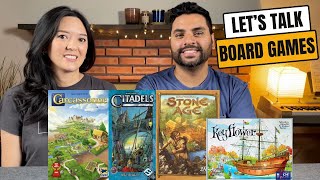
- Excellent integration of auction and worker placement
- Very high player interaction and strategic depth
- Tempo and round structure feel tight and balanced
- Heavier and more complex; less approachable for new players
- Color tracking and bid management can be challenging
- auction and worker-placement synergy
- Village development with Tile-tiles and multi-color workers
- heavy interaction, economic strategy with multi-layer planning
Mechanics (from transcript analysis)
- Auction — Tiles start in the middle and are bid on using color-coded workers; ownership transfers round to round.
- resource_delivery_and_upgrade — Deliver resources to tiles to upgrade them for points.
- tile_activation — Activated tiles yield resources or upgrade opportunities; competition shapes future rounds.
- worker_placement — Place workers to activate tiles, with color-based rules affecting bidding and activation.
Video topics + discussion points
Quotes (from this video)
- This is the grandparent of all tile-laying games.
- You draw a tile and then you must place that single tile.
- It's very simple. It's very laid-back, but there's just enough strategy to it that it's quite enjoyable.
- I actually really enjoyed it.
- There are no ways to mitigate the dice.
- This is the heart and soul of the game. It's this resource gathering mechanic.
- I actually really liked it.
- The tempo of the game is really nice.
- Your entire economy is built off of these workers that you have.
- There are three different colors of workers and you have to keep them hidden.
- This is the heaviest of the four games that we played.
References (from this video)
- strong hybrid of multiple Euro mechanisms (tile placement, bidding, resource management, worker placement)
- dynamic shared economy yields rich strategic depth
- high complexity may intimidate new players
- can be unforgiving depending on tile availability
- bidding, resource management, and shared economy
- village development through tile bidding and worker placement
- system-driven with dynamic worker reuse
Mechanics (from transcript analysis)
- round-end and endgame scoring — endgame tiles and multiple scoring opportunities across tracks
- shared worker economy — workers placed on tiles may be used by other players at round end
- tile bidding and worker placement — bid to claim tiles while simultaneously placing workers to activate them
Video topics + discussion points
Quotes (from this video)
- board gaming Perfection such a an intricate and nuanced design
- the best negotiation game out there
- fast so engaging
- I can't find a fault with this game it is just so much fun
- one of the original area control style games
- the time track system I've ever seen
References (from this video)

- deep strategic memory layer
- replayable bidding decisions
- complex rules grind for new players
- memory of meeples and bids for later rounds
- auction/placement in a flexible tile-laying ecosystem
- El Grande
- For Sale
Mechanics (from transcript analysis)
- Auction — remember what meeples others may have and bid accordingly
Video topics + discussion points
Quotes (from this video)
- the game is super fast
- I highly recommend that one
- Witness used memory in quite an interesting way
- it's really good family weight game where the actual lack of memory skills can actually make the game better
- Extremely charming and I think um very underrated actually
- This is a cool party game because even if your trivia knowledge isn't very good, you can still get the answers correct based on the previous clues given
References (from this video)
- Appealing village-building feel
- Popular with many players in the group
- Can be heavy with many components and setup
Mechanics (from transcript analysis)
- Worker placement with auction — Bid meeples to secure actions and tile placement on a modular board.
Video topics + discussion points
Quotes (from this video)
- Dominant species is a truly awful game that I really really dislike
- this is a very very light worker placement game
- the seventh continent for us
References (from this video)
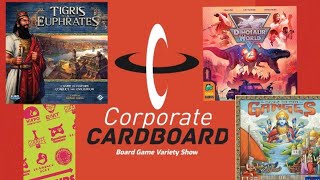
- tight engine-building with clear, tense decisions
- strong scoring tiles and late-game tension
- scoring and teaching can be dense
- learning curve may be steep for new players
- worker placement with auctions and tiles
- medieval village development
- deep economy and engine-building
- Abyss
- Caverna
Mechanics (from transcript analysis)
- tile placement with area majority — place tiles to score in regions and trigger end-game bonuses
- worker placement / auction — use different colored workers to bid and activate tiles
Video topics + discussion points
Quotes (from this video)
- i think this game is actually a huge step up when it comes to decisions choices
- it's not the best game in the world but it's fun
- the more you upgrade the jeep track, the more movement you get in your park
- this is did it so well that replaced the game for you
- it's a race game and the more you upgrade, the more income you receive
- the q system is really clever and unique
References (from this video)
- Innovative and well-implemented auction system with clear bidding visibility
- Lucrative tile decisions create engaging blocking and interaction
- Good fit for higher player counts (up to six)
- Tension between bidding and resource upgrading keeps decisions meaningful
- Table hog at higher player counts
- Memory load can be heavy as the tile interactions multiply with more players
- Rulebook is dense and can be hard to teach
- Not ideal for casual or lighter-weight gamers
- Tile-placement and resource management with auctions
- Seasonal village-building over spring, summer, autumn, winter
- Strategic negotiation and planning with player interaction
- Carcassonne
- Archipelago
- Psychiatrists
Mechanics (from transcript analysis)
- Auction/bidding on tiles — Players bid meeples to win tiles from a central display
- Resource conversion and upgrading — Convert resources via upgrades (hire, mason, etc.) to unlock stronger actions
- Season and winter phase — New tiles appear each season; winter tile selection and final scoring
- Tile placement and village growth — Place owned tiles to form a village and score points
- Transport/donkey mechanism — Move resources between tiles using donkey transports
- Use of opponent's tiles and wild tiles — Draft tiles from others, or use a purple meeple as a substitute for colors
Video topics + discussion points
Quotes (from this video)
- it's a massive table hog
- the rule book is too dense for a game of this sort of simplicity
- an enduring euro game that plays up to six
References (from this video)

- Strong simultaneous decision flow for up to six players
- crunchy mid-weight Euro with satisfying tableau growth
- Can be lengthy; requires table space and careful management
- Resource management, tile drafting, worker placement
- Medieval village economy with tile work and resource management
- Mechanistic
Mechanics (from transcript analysis)
- Simultaneous card drafting — Players draft cards at the same time; cards are passed around
- Tile placement / tableau building — Drafted tiles are placed to build a tableau that yields actions and resources
- worker/resource management — Resources on cards are moved and managed to trigger actions
Video topics + discussion points
Quotes (from this video)
- it's a euro style game that plays up to six
- it's fully simultaneous
- Concordia Venus ... brings in team play and that lets you play two on two which is a four player game and it also lets you play two versus two which is a six player game
- not a euro game really it's more of a deduction style game where it's one versus many
- I started to work on that video and I'm hoping to make it happen
- Miniatures don't do anything for me
References (from this video)

- best hybrid of worker placement and bidding
- deep strategic layering with approachable rules
Mechanics (from transcript analysis)
Video topics + discussion points
Quotes (from this video)
- Mandala blew me away this year
- Chinatown is the best negotiation game out there
- barrage is a 10 out of 10 game for me
References (from this video)
- layered strategy
- interesting worker/tiles synergy
- learning curve
- tile placement and resource management
- tile-driven village economy
- thematic, midfield strategy
Mechanics (from transcript analysis)
- set_collection — collect resources to activate tiles
- tile_laying — tile-based village construction
Video topics + discussion points
Quotes (from this video)
- Carcassonne is one of those beginning games and it's a gateway classic
- number two is Umbra Alhambra plays 2 to 6 players and it was published by Queens games
- Lantern family favorite
- Petropolis number one comes the story
- let's open your mind up and it's a great tile laying game
References (from this video)

- rich decision space; tense, narrative-like pacing
- learning curve; can be heavy for casual players
- resource management with asymmetrical tile and leader interactions
- tile-drafting and worker placement in a village-building frame
- euros-inspired theme with a strong feel of growth and negotiation
- Yellow and Yangy
- Twilight Struggle
Mechanics (from transcript analysis)
- Leader Placement — placing leaders to gain resources and influence
- tile drafting — bidding and drafting tiles to shape actions and building plans
Video topics + discussion points
Quotes (from this video)
- it's aggressive, but it's very like light aggressive
- an extremely just interactive, tense, and aggressive game of going back and forth and trying to score the most points there
- there's not a lot of times this game that it feels like, oh my gosh, why?
- this is the most aggressive but interactive game
- it's six people all jousting for victory points
- you are dropped onto a map right next to everyone else and immediately you're scoring your objectives
References (from this video)
- extremely nuanced and deep with many strategic layers
- rich interaction through bidding, tile placement, and shared tile use
- considered by the speaker as among the best games ever for its mechanisms
- high complexity and potential opacity for new players
- multilayered tile and worker economic engine with color coded meeples
- village building through tile placement and worker bidding
- deep strategic planning with locked in choices and in game interaction
Mechanics (from transcript analysis)
- hybrid bidding worker placement — tiles are bid using colored meeples that then lock their color significance
- meeple lock and reuse — workers used to bid for tiles return to the winner and can be used against the former owner later
- tile placement and workers on tiles — you place tiles to build your landscape and use meeples as workers on tiles instantly
- tiles from others and shared benefits — you can use other players tiles if you win the bid, creating dynamic interaction
Video topics + discussion points
Quotes (from this video)
- I love the fact that the game itself is so simple but the action selection system is just that compelling
- this is one of the best games of all time I could have argued to have this from higher on the list
- there is an amazing level of interaction here where the more you collect these Noble tokens on the map will not only score your points but give you voting power
- the level of interaction here is very high and the dynamics around kicking off spots are interesting
- on paper I should not like this game because I do not like terribly cutthroat games but this one is logical
- El Grande is the forefather of the area control genre and still the best among its peers
References (from this video)
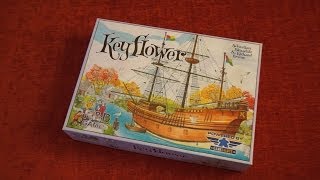
- Strong player interaction through bidding and outbidding.
- Rich euro-game depth with multiple strategic paths.
- Replayability due to variable tiles and scoring options.
- Theme represented through season-based phases and tile variety.
- Well-presented mechanics and components.
- Steep learning curve and accessibility concerns for new players.
- Balance not perfectly tuned; some paths yield higher VP with fewer workers.
- Long-term strategy feels less long-term in execution.
- Complex setup and rules may be daunting for casual players.
- Seasonal labor, bidding, resource management, and tile placement in a village
- Seasonal, village-building in a pre-industrial setting across four seasons
- Euro-style abstracted theme with seasonal storytelling
Mechanics (from transcript analysis)
- bidding — Players bid resources and turns to acquire land tiles and season tiles.
- resource_management — Produce and move resources to tiles and upgrade tiles.
- season_end_scoring_and_final_scoring — Seasonal goals and end-game scoring across winter.
- tile_placement_and_building — Draft and place tiles to construct houses and village layout with constraints.
- turn_order_and_outbid_mechanics — Turn order tiles and outbid mechanics influence order and strategy.
- worker_placement — Place workers on tiles to perform actions, limited by color and tile occupancy.
Video topics + discussion points
Quotes (from this video)
- there's even a small element of bluffing
- player interaction is strong as using your meeple to outbid another player
- Keyflower gets eight Bol full of workers
- if you like Euro games with worker placement bidding and resource management and player interaction then do check out keyflower
- the learning curve is also a little high though so I'm a little worried for accessibility
References (from this video)
- Online play options through Board Game Arena and TableTopia.
- Turns-based play enables remote multiplayer.
- Can be complex and heavy; not everyone enjoys it.
- resource management with immigrant villagers
- village development in a harbor town, season-driven growth
- abstract
Mechanics (from transcript analysis)
- Seasonal mechanics — Turns progress through seasons affecting actions and scoring.
- Tile bidding / resource management — Manage resources and tiles through a bidding-like system using workers.
- tile placement — Build out the village by placing tiles representing buildings and improvements.
- worker placement — Place workers to activate actions and gain resources.
Video topics + discussion points
Quotes (from this video)
- we should ban together as one race because we always talk about you know diversity and we talked about divisions
- this is a time when we should realize that it goes beyond black or white because neither those are races
- our hobby is a great thing and I think this is gonna make a lot of people happy
- wash your hands yes social distancing this to sing right yeah keep your distance from people
References (from this video)

- deep strategy
- varied paths
- complex rules
- seasonal worker placement
- village-building, auctions
Mechanics (from transcript analysis)
- Auction — bid for actions and resources
- worker placement — place workers to take actions
Video topics + discussion points
Quotes (from this video)
- the apps really made it immersive in Mansions of Madness
- open drafting, set collection, take-that in Buried Treasure
- please play as many games as possible and listen to other podcasters
- truth is the state of being the case
References (from this video)
- Deep, interacting auction and tile-placement loop
- Diverse end-game scoring opportunities
- Strong player interaction in bidding and activations
- Custom rule interactions can be complex
- Long playtime at higher player counts
- Setup complexity can slow initial plays
- Tile bidding and resource management
- Medieval village building through seasons
- Abstract engine-building flavor with thematic elements
- A Feast for Odin
- Ora et Labora
- Agricola
Mechanics (from transcript analysis)
- auction/bidding — Players bid with colored meeples on tiles and actions, with no fixed maximum bid.
- Resource management — Collect resources via tiles and upgrade to gain points.
- seasonal progression — Game progresses through four seasons; certain tiles enter auctions per season.
- set scoring and tile-based scoring — End-game scoring based on specific tiles and resource sets.
- tile placement — Acquired tiles are placed in the player’s village to unlock bonuses and scoring.
- worker placement/activation — Meeples placed to activate tiles in one’s own or other players’ villages and in auctions.
Video topics + discussion points
Quotes (from this video)
- the player who drew the home tile with the lowest number becomes the first player
- an upgrade on a tile often yields victory points and new scoring opportunities
- the winner of a tile bid gains control of that tile's bonuses in the season