Kingdom Death: Monster is a fully cooperative tabletop hobby game experience. Set in a unique nightmarish world devoid of most natural resources, you control a settlement at the dawn of its existence. Fight monsters, craft weapons and gear, and develop your settlement to ensure your survival from generation to generation.
Campaign System
Embark alone or with up to 3 friends (5 with game variant) on a 5-30-lantern-year campaign, with each year consisting of a cycle of hunt, showdown, and settlement phases. The settlement phase is an intricate civilization building game in which you spend very limited resources to build buildings, research new technologies, train your warriors, and set up your strategy for survival. During the hunt, you'll encounter a series of stories in a "choose your own adventure" style journey through various events and encounters. Finally, when you meet the monster you're pursuing, you'll engage it in an a massive arena-style battle where only one party is going to survive. If your party lives, you'll be able to bring the spoils back home to use in expanding your settlement.
Monster AI System
Each of the 7 monsters included are controlled by their own pair of decks that scale to 3 levels of difficulty (except for the final encounter, which has only 1 level and it's HARD!). Every encounter, even with the same monster, is highly variable and no two showdowns will resolve the same way. Players will have to plan their gear and keep their minds sharp to prevail.
Gear System
In Kingdom Death: Monster, survivors will craft gear from resources earned from defeating monsters or found on their hunt. Each survivor has a 3x3 gear grid. Selection and arrangement of your gear cards is critical, as many provided bonuses and activate special rules when aligned correctly.
Story Event System
40+ Story Events plus over 100 hunt encounters will shape and guide your campaign. Story Events detail important evolutions in your civilization, introduce new monsters, and provide rich detail for your campaign. Some will trigger automatically as you progress through the campaign, but most will be entirely based on choices players make.
Story Events cover everything from setting up and fighting a monster to key events that happen within the overall story. Some are triggered directly from the timeline and others from choices you make in game.
- strong thematic immersion and narrative weight
- high replayability due to random events, AI deck variability, and settlement choices
- large table presence and collaborative storytelling with friends
- deep progression with aging, enhancements, and unique artifacts
- very heavy and complex rules that can be daunting for newcomers
- long play sessions with a crowded rule book and numerous components
- grim tone and brutal mechanics may be off-putting to some players
- survival, community-building, ritual, and the horror of encountering grotesque, existential threats.
- grim, dangerous settlement environment where survivors hunt monstrous beings and survive a harsh ecosystem.
- campaign-driven, narrative-heavy with evolving settlements, artifacts, and story events.
Mechanics (from transcript analysis)
- AI-driven monster deck — monsters act via an AI deck and reflex checks, creating unpredictable and dynamic combat encounters.
- campaign-driven progression — survivors age, gain innovations, unlock new tools, and evolve the settlement across years.
- Resource management and crafting — players gather bones, hides, organs, and other resources to craft weapons, armor, and tools.
- seed patterns and innovations — innovations and seed patterns drive new equipment, table interactions, and settlement capabilities.
- settlement events and tableaus — settlement phase events influence population, food, and available upgrades or dangers.
Video topics + discussion points
Quotes (from this video)
- That was literally the fastest fight I've ever played.
- We are influencers. So we influenced ourselves to fight the envelope.
- That was an eventful event.
- We killed it.
References (from this video)
- Extremely adult content
- Some consider it pornographic
- Dark and inappropriate for children
- Survival horror and crafting
- Dark horror world
- dark narrative
- Kingdom Death: Little Monsters (proposed child version)
Mechanics (from transcript analysis)
- Combat and survival — Fighting monsters for survival
- crafting system — Complex settlement building and resource crafting
Video topics + discussion points
Quotes (from this video)
- the most fun part is building the castle itself
- kids love hearing the same stories over and over
- a giant space exploration game with ships like this I doubt I would have left the house for at least a year
- the vicious politics of 18th century New York translated exceedingly well to the average American high school
- if any game out there needs a kid-friendly version its Kingdom death monster
- a wonderfully wholesome game already but a kids version of this game would be amazing
References (from this video)

- Deep, thematic cohesion between story, mechanics, and setting
- Rich tension from the AI-driven boss encounter and the survival/insanity tracking
- Dynamic turn order and terrain interactions add variety each session
- Rewards feel meaningful (resources, loot, advancements) after a hard-fought win
- High complexity and long setup time can be intimidating for new players
- Rules interactions and edge-case clarifications can require frequent FAQ checks
- Expensive baseline investment due to model kits and expansion content
- Survival, horror, tragedy, mythic beasts, and community growth through loss and risk.
- Dark fantasy survival world with settlements deep in a hostile, nightmare landscape; campaigns follow survivors as they contend with monstrous threats and evolving hunter society.
- Campaign-driven, story-event heavy with persistent consequences (injuries, age, insanity) and evolving lore through hunts.
Mechanics (from transcript analysis)
- AI Deck System — The monster (e.g., phoenix) uses a draw-from-deck mechanic to determine its actions with basic, advanced, and legendary cards that drive the encounter.
- Displacement and Collision — Monsters can relocate and collide with survivors, causing knockback, armor effects, and collision damage based on positioning.
- Hunt XP and Crest Progression — Earn hunt XP to advance the settlement cycle; crest cards unlock new abilities and consequences as the campaign progresses.
- Resource Harvest and Loot — Victory yields basic resources and monster-specific resources; terrain and gear influence what is found and how it’s used.
- Story and Secret Events — White Secret/story events introduce story-driven consequences that interact with the fight and hunting phases.
- Survival, Injury, and Madness — Characters accumulate age tokens, disorders, and insanity through events and combat, influencing future abilities and survival chances.
- Targeting and Blind Spots — Certain gear provides bonuses for attacks from blind spots; movement and terrain influence attack resolution and outcomes.
Video topics + discussion points
Quotes (from this video)
- me at the table
- continuing our playthrough of kingdom death monster
- epic win after such a tense fight
- this is probably gonna be epic fail
- meet me at the table
References (from this video)
- Rich, narrative-driven system with deep lore and meaningful progression
- Dynamic AI-driven monster encounters that create tense, varied combat
- Settlement phase introduces long-term planning and customization
- Loot and scavenging mechanics provide tangible rewards and strategic choices
- Cooperative play with humor and high-energy interaction
- High complexity and steep learning curve for new players
- Rulebook-driven experience with potential ambiguities requiring clarifications
- Component count is large; setup and organization can be time-consuming
- Sessions can be slow due to the scale of Showdowns and settlements
- Memory and bookkeeping (insanity, wounds, progression) can be fiddly
- Survival horror, deeply narrative-driven co-op campaign with evolving settlements
- Dark fantasy in a grim world with stone-faced idols and lantern-lit survival settlements
- Card-driven encounters, AI-driven storytelling with per-encounter narrative progression
- Primal
- Kingdom Death: Monster (series as a benchmark)
Mechanics (from transcript analysis)
- AI deck-driven monster behavior — Each encounter uses the top AI card to determine actions. The monster targets the closest non-dead survivor facing in range, and turns to face the attacker, creating a dynamic, asymmetric encounter.
- Campaign milestones and long-term design — Milestones (First Child, population thresholds, and innovations) track campaign progression across years and influence future events.
- D10 combat resolution and hit location — Attacks resolve with a d10 system: 2+ typically hits, 1 always fails. Wounds require meeting or exceeding a target's toughness, and hit locations reveal specific body parts that can have reflexes or special effects.
- Dodge during the monster phase — Dodge is permitted only during the monster attack phase, not during reactions to AI cards, adding timing tension to combat resolution.
- Equipment crafting and armor sets — Players craft weapons and armor (e.g., bone blade, skull helm, rawhide armor) from resources. Full armor sets grant stat bonuses and special effects.
- Injury, insanity, and brain damage — Injury tokens and insanity tracks affect survivors and AI behavior. Targeting survivors can generate insanity, and brain injuries influence courage and other attributes.
- Innovation deck and tech discoveries — Innovations are drawn and resolved, spending basic resources to unlock tools and improvements (e.g., language, bone smith, skinnery).
- Movement, range, and facing — Players move across spaces with a range mechanic. The monster has turning behavior to face the attacker; positioning relative to the monster influences hit chances and reactions.
- Quarry and hunting rotations — Quarry adds a monster to hunt; the party selects a hunt target and uses gear to improve outcomes in future hunts.
- Reflexes and basic actions — Certain hits provoke reflex actions by the monster, requiring careful sequencing and sometimes altering the attacker’s options during the turn.
- Scavenging and loot from Showdown — After a showdown, survivors scavenge the monster’s corpse to gain resources (bone, hide, lantern scrap, etc.), which feed settlement progression.
- Settlement phase and inspiration — In settlement, survivors heal, gain endeavors, and unlock innovations. Endurance and hunt XP accumulate, and language becomes the first technological discovery.
- Wound locations and critical wounds — Successful wounds reveal hit locations. Some wounds are critical, granting powerful effects (e.g., permanent strength increases) and triggering additional outcomes like location-specific consequences.
Video topics + discussion points
Quotes (from this video)
- We killed our first monster. Congratulations.
- Scavenging the monster's corpse the survivors earn resources.
- Language consequences to The Innovation deck.
- We're going to fight a white lion.
- Bone blade please.
- The skull Helm is three armor points for the head.
References (from this video)
- Rich, dark storytelling with memorable boss encounters
- Deep, collectible-driven customization and progression
- Extremely complex and lengthy setup/playtime
- Expensive and sprawling components can be unwieldy
- Survival, horror, and emergent storytelling
- Dark fantasy world with brutal, narrative-driven campaigns
- Campaign-driven, storybook-like progression
Mechanics (from transcript analysis)
- Campaign progression — Long, narrative-driven campaigns with evolving encounters.
- heavy miniatures & components — Scale-rich production supporting immersive storytelling.
Video topics + discussion points
Quotes (from this video)
- none of these games are bad games
- this is an absolutely fantastic game
- this is a polyomino game
- cockroach poker is the best party game I have played
- this entire list is a bluff
- it's the best game that awakened realms has produced with the exception of iss Vanguard
References (from this video)
- Deep, unique, and atmospheric combat against terrifying monsters
- Rich, evolving narrative with lots of branching events
- Dynamic gear progression and settlement upgrades
- Cooperative play with meaningful decisions that shape the story
- Very heavy setup and lengthy play sessions
- Rulebook density can intimidate newcomers
- Expansions and variants increase complexity
- Survival, risk, scarcity, and communal storytelling
- Dark fantasy post-apocalyptic world where survivors hunt monstrous beings and manage a settlement
- Campaign-driven narrative with episodic hunts and evolving consequences
Mechanics (from transcript analysis)
- Equipment crafting and customization — Gear is crafted from animal parts and resources; equipment grants stats, abilities, and sometimes special effects.
- Monster AI and events — Monsters are driven by AI cards with events (Rampages, Straggler, Gambler, etc.) that steer combat dynamics.
- Narrative events and disorders — Story events (Hoarder, Matchmaker, etc.) influence morale, insanity, courage, and long-term outcomes.
- Persistent injuries and resources — Survivors can suffer injuries and gain resources that influence future hunts and upgrades.
- Risk/reward and resource management — Rerolls, luck, courage, and insanity tokens shape decisions and hunt outcomes.
- Settlement phase and innovations — After hunts, players archive resources, craft gear, and implement innovations to develop the settlement.
- Turn-based survivor combat — Players control survivors, select actions, and resolve outcomes using a D10-based system with weapon proficiencies and monster defenses.
Video topics + discussion points
Quotes (from this video)
- Every fight in Kingdom Death is so cool and unique.
- Hello Patreon, this is a Patreon video.
- What a fantastic three games.
- What a good intro though, I mean that was fun.
- This is patreon content and it's exciting to see the full campaign unfold.
References (from this video)
- Dense, thematic expansion with expanded content (Gambler's Chest).
- Robust campaign framework with evolving mechanics (collective cognition, knowledges, philosophies).
- New encounter monsters and node-based progression add variety.
- Seed patterns and indomitable patterns provide rich flavor and incentives.
- High complexity and learning curve.
- Potential bugs and stability issues (stone clouds bug; dwelling resets).
- Large footprint and setup time; heavy component management.
- Content decisions can be controversial (dice roll governance).
- Horror survival, ritual sacrifice, philosophical progression through knowledge and myth.
- A grimdark, survival-focused campaign where a small settlement studies and hunts monstrous beings in a dangerous, lore-rich world.
- Evolving campaign with knowledge and philosophy decks; modular, story-driven with boss encounters and lore.
Mechanics (from transcript analysis)
- collective cognition — Points tracked as survivors hunt monsters; higher-level monsters yield more points, driving progression to harder threats.
- dashboard / knowledge tracking — Dashboards and pantries track knowledge cards, philosophy, and settlement progression for thematic flavor.
- encounter monsters / hunt deck — Encounter monsters act as dungeon-like mini-showdowns; appear in the hunt deck and on the board with unique mechanics.
- indomitable patterns and resources — Special resources gained from killing higher-level monsters that enable powerful weapons.
- knowledge cards / knowledges — Progressive, replace fighting arts with upgradable knowledge cards accessed via lummy costs and brain trauma observations.
- node-based monster progression — Progress via node-based monster progression: node 1, node 3, etc., with different monsters and synergies.
- philosophies & philosophy deck — Characters gain philosophies at age milestones; drawing from a deck that unlocks stats and gear and interacts with knowledge.
- seed patterns — Crafting recipes from seed pattern deck, requiring era-specific resources and unique components; flavorful crafting system.
- watcher / kings / level pacing — Watchers and kings affect pacing and level requirements; Watcher pushes players to fight at level 3 counters.
Video topics + discussion points
Quotes (from this video)
- I love the gamblers chest.
- Isn't it nice? It's a nice big space.
- This is an entirely new kind of monster.
- I think it's nice to showcase how that works.
- I'm very excited to be jumping into the deep end.
- the White Lion is at least an A grade, sometimes even S tier for me.
References (from this video)

- rich world-building and art
- epic Showdown encounters with a strong narrative hook
- board design and modularity add a tactile feel
- high price point
- very heavy rules and lengthy setup
- availability and supply challenges for some editions
- grim survival, boss encounters, storytelling-driven campaigns
- grim fantasy horror campaign world centered on survivial peril and nightmarish encounters
- campaign-driven, episodic with evolving narrative threads
- Exoplanet World Survival
Mechanics (from transcript analysis)
- Campaign progression — story-driven progression across a living campaign with escalating threats
- cooperative play — players cooperate to guide Survivors through escalating threats and Showdowns
- Resource and risk management — managing Survivor resources, morale, and risk during sessions
- Terrain/board integration — modular Showdown boards with stylized terrain patterns that affect tactics
Video topics + discussion points
Quotes (from this video)
- Go Vikings that's right go Vikings
- I love pain and Agony
- this board actually has some really neat things in it
- blood for the blood God it's one of the greatest paints
- these ugly tyranids
- The Showdown board for Kingdom Death Monster
- this board is going to look amazing
- Beetle Juice
- Raiders of the Lost Ark
- Independence Day
- Jaws
- Bill & Ted's Excellent Adventure
- Monty Python and the Holy Grail
- The Holy Grail
- Go Ninja Go Ninja Go
- Napoleon scenes are good
- crunch crunch
References (from this video)

- epic production
- deep, rich gameplay
- extremely expensive
- heavy rules
- survival, boss fights, settlement development
- fantasy-dark world with monsters
- story-driven campaign
- Gloomhaven
Mechanics (from transcript analysis)
- Campaign progression — leveling and building settlements over time
- cooperative dungeon-crawl — story-driven monster encounters and settlements
Video topics + discussion points
Quotes (from this video)
- no matter what, gloomhaven remains top-rated board game
- please subscribe don't go stay with the best heavy solo game
- it's just epically big
References (from this video)
- Epic boss battles and dramatic moments
- Rich customization, flavor, and storytelling
- Tangible, tactile components that reinforce immersion
- Occasional production/deck issues and table clutter
- Steep learning curve and lengthy campaigns can grind on players
- Survival, resource management, boss fights, and narrative progression
- Dark fantasy horror with a surviving settlement facing monstrous threats
- Emergent storytelling driven by events, injuries, aging, and settlement development
- None
Mechanics (from transcript analysis)
- Aging and experience progression — Survivors gain age tokens, unlock abilities, and sometimes retire or promote into new roles.
- Cooperative survival campaign — Players work together to endure hunts, manage resources, and grow a settlement.
- Event deck and injuries — Injuries and event cards shape survivor stats, abilities, and future hunts.
- Positioning and ambush mechanics — Dueling map layout with wind effects, pushes, and monster ambushes that influence outcomes.
- Resource gathering and gear crafting — Collect resources to craft weapons, armor, and gear to improve survivability.
Video topics + discussion points
Quotes (from this video)
- Phoenix belly spills open. Any adjacent survivors begin to vomit and are knocked down.
- This is Fighting Phoenix's, man. There just no survival for it.
- Dingle Sneak won't be able to use plus one speed anyway without grand weaponing.
- I'm cursed.
- This is such a cursed settlement. This is what you get.
- Zanbotto with no name. Perfect hit.
- We love crossarm block here.
References (from this video)

- rich, cohesive theme with strong art direction
- deep strategic combat with meaningful decisions
- strong community and philanthropy angle during the stream
- very complex rules that demand long learning and setup
- very long plays can be required to finish a campaign cycle
- high component and table space requirements
- survival, trauma, community-building, grimdark horror
- A dark fantasy post-apocalyptic setting where shattered civilizations endure hunts against monstrous entities and build a settlement.
- campaign-driven with evolving milestones, lore fragments, and knowledge card lore
- Sun Stalker
- Dragon King
- Phoenix
Mechanics (from transcript analysis)
- Bleeding and insanity management — bleeding tokens power effects but increase risk; insanity and related disorders influence choices.
- Hit locations and armor customization — combat uses hit locations; armor and weapon proficiencies shape survivability and efficacy.
- Knowledge/Philosophy cards — collective cognition and philosophy knowledge cards grant abilities and insights for the group.
- Seed patterns and Endeavors — patterns determine what can be built or crafted and tie to resource and innovation progression.
- Settlement phase and timeline — players manage returning survivors, gain Endeavors, and advance the settlement ledger with events.
Video topics + discussion points
Quotes (from this video)
- KDM has five or six artists they continue to use, and the philosophy books are illustrated by different artists, which is pretty awesome.
References (from this video)
- ambitious, deep world-building
- rich customization options and art
- strong dedicated fan community
- very heavy rules and upkeep
- high component cost
- challenging to schedule for playgroups
- survival against eldritch threats with heavy narrative arcs
- grim fantasy horror with monster-centric campaigns and settlements
- campaign-driven, evolving storyline with character progression
- Wingspan
- Root
- Gloomhaven
- Frosthaven
- Kingdom Death
Mechanics (from transcript analysis)
- boss encounters — epic, monster-focused battles with unique mechanics and loot paths
- Campaign progression — long-running campaign where characters and settlements evolve over time
- character customization — persistent upgrades and gear choices shaping survivability
- cooperative play — players cooperate to defeat monstrous threats and advance the narrative
Video topics + discussion points
Quotes (from this video)
- board game content channels on YouTube are very wide and shallow
- we're narrowing that down and identifying five categories of videos
- the next year for the channel is really about building back relationships with the community
- I want to bring our channel down to probably about five identifiable series
- defund Kickstarter is an idea we talked about
- we're not going to trade Shabbat for conventions
References (from this video)

- epic scale and atmosphere
- rich, narrative-driven campaign
- immense theme and table presence
- extremely heavy rules and upkeep
- high cost and long play times
- niche appeal for downtime with a dedicated group
- survival, moral compromise, relentless escalation
- Dark fantasy horror in a brutal, surreal world where monstrous threats loom over a fragile settlement
- campaign-driven, evolving narrative with personal progression
- Gloomhaven
Mechanics (from transcript analysis)
- Campaign progression — character and settlement development across sessions with persistent gear and monster encounters
- Monster-driven combat — asymmetric boss fights with unique monster stats and behaviors
- Resource/gear management — acquiring, upgrading, and managing equipment to survive longer campaigns
Video topics + discussion points
Quotes (from this video)
- I jumped straight into Kingdom Death Monster those were like in my first 10 games.
- i'd rather just play kingdom death for me, time and again
- my second biggest regret is failing to introduce so many games
- i have not yet effectively learned how to read and learn a game not only efficiently but accurately
- the core of it it's about facilitating and building relationships
- we have a responsibility to be careful the way we present something and try our best to let the audiences understand what they will and won't like
- get out there and stare in somebody's eyes subscribe to table dots
References (from this video)
- Strong thematic flavor and sense of danger
- Deep co-op experience with meaningful choices
- Rewarding progression and character development
- Extremely complex and lengthy rules
- High learning curve and setup
- Heavy game for casual play sessions
- survival, horror, conquest, and community growth
- Dark fantasy survival and hunting in a mythic world
- episodic campaigns with event-driven storytelling
- League of Legends
Mechanics (from transcript analysis)
- Equipment crafting and resource management — Loot from hunts (bones, hides, organs) used to craft armor, weapons, and gear
- Hunt phase and AI monster behavior — Turn-based combat with monster actions driven by AI cards; target closest threat logic
- Monster controller — One player acts as the monster and drives the threat; coordination with others via action rules
- Random event deck and environmental hazards — Event cards modify the risk and terrain (heat, ambushes, etc.) and affect survival
- Settlement management and aging — Population growth, milestones, intimacy, and survivability decisions across years
- Survivor progression and injury system — Tracking brain damage, insanity, bleeding, and armor integrity across hunts
Video topics + discussion points
Quotes (from this video)
- We've killed our first real White Lion.
- it's a game changer
- GG's
References (from this video)
- Vivid storytelling and immersive playthrough with a strong sense of progression.
- Deep, recognizably thematic mechanics that reward careful planning and adaptation.
- Energetic presenter with clear enthusiasm and willingness to explain rules contextually.
- Complex system with a lot of rules interactions; potential for confusion if not familiar with the game.
- Significant risk of character loss and mission resets due to harsh event outcomes.
- grim survival, teamwork under pressure, consequence-driven progress, and the relentless threat of catastrophic misfortune.
- A dark, desolate world where survivors build a fragile settlement while facing deadly monsters and existential threats.
- live-play diary-like narration with a strong emphasis on personal decisions, luck, and dramatic outcomes.
- Level 2 butcher
- Level 1 phoenix
Mechanics (from transcript analysis)
- Auger and Intimacy/Intimate Events — Systemic checks to recruit new survivors or alter current ones via intimacy outcomes, sometimes granting new stats or skills at a cost.
- Equipment and Gear Management — Loot like Nightmare Training cards, phoenix finger, monster hides, broken lanterns, weapons, and armor that modify combat and survival.
- hunt phase — Players select a creature to hunt, perform resource gathering steps, roll dice to resolve outcomes, and accumulate gear, hunt XP, and survivors for the settlement.
- Nightmare Training — High-risk training where survivors may gain powerful bonuses at the cost of resources and possible penalties or failures.
- Random event deck and environmental hazards — Event cards drive surprises like cracks in the ground, acid rain, and other environmental hazards that influence the fate of survivors and the timeline.
- Resource Gathering and Vermin/Verid Resource Cards — Herbs, minerals, acanthus, vermin, and other resources are gathered on rolling dice, with outcomes affecting survival and meal potential.
- settlement phase — Post-hunt, players upgrade the settlement through innovations, breeding of encounters, managing resources, and selecting options like face painting and nightmares training to influence future hunts.
Video topics + discussion points
Quotes (from this video)
- what a fun fight
- it's a two speed five plus and has plus five strength
- we successfully hunted the level one phoenix
- we gained nightmare training which is pretty cool
- the phoenix has so many interesting mechanics
- look all our guys made it yay
- thank you so much for watching
- i hope you're enjoying the playthrough
- we're going to gain our last principle
- we successfully hunted the level one phoenix
References (from this video)
- Immersive, heavy-theory world with a strong narrative through gameplay
- Distinctive mechanical design combining AI, hit locations, and survival elements
- Excellent table presence and striking miniatures; strong painting and display value
- Live audience participation can directly influence outcomes and pacing
- Significant complexity and long play time; steep learning curve for new players
- High cost and logistics (table space, components, painting requirements)
- Potential accessibility barriers for casual players
- Survival, horror, and communal storytelling through episodic encounters
- Post-apocalyptic nightmare world where settlement-building and monster-hunting drive the overarching campaign
- Story-driven, collaborative, player-driven lore with modular storytelling
- Warhammer (tabletop wargaming)
- Gambler's Chest (Kingdom Death expansion)
- Warhammer 40,000
Mechanics (from transcript analysis)
- AI deck-driven combat — The monster's actions are guided by drawing AI cards that resolve its behavior during each encounter.
- Campaign and settlement phases — Post-encounter phases where survivors return, innovations are built, and settlement locations are developed.
- Hit locations — Wounds are resolved against specific hit locations on the monster with location-based effects.
- Resource gathering and innovation — Players collect basic resources to craft gear and unlock innovations that alter capabilities in future sessions.
- Survival and insanity management — Characters gain wounds, insanity, and stinky tokens that influence actions, survivability, and future rounds.
- Thematic hazard deck (farts) and other flavor cards — Humorous and grotesque hazard mechanics (e.g., fart deck) that introduce unique risks and effects.
Video topics + discussion points
Quotes (from this video)
- It's going to be awesome.
- This is going to be amazing.
- We are playing Kingdom Death Monster.
- Kate Frenzy Jr. got it.
- For the children you know for the children.
- Kate Frenzy Jr. is going to get it.
References (from this video)

- phenomenal art and miniatures
- deep, multi-layered customization and story
- strong thematic immersion and narrative weight
- very expensive and heavy to assemble
- lengthy setup and play time
- not for casual gamers
- survival, tragedy, and epic settlements rising from peril
- fantasy horror settlement-building with monstrous threats
- vast narrative through settlement development and event decks
Mechanics (from transcript analysis)
- AI-driven monsters with hit location decks — monsters have customizable AI and varied hit locations
- Extensive miniatures assembly and customization — survivor miniatures are stitched together from components
- Settlement-centric progression — focus on settlement growth and resource management over individual character power
Video topics + discussion points
Quotes (from this video)
- this game is fast and fun
- the themed aliens is a wonderful sci-fi universe it's probably my favorite one of all time
- the living world of folklore said in the dark fantasy comes in at number 9
- it's such a unique game and has a really cool feel
- the continent is absolutely huge and the crafting system is unique
- fail forward is a huge bonus in my book
References (from this video)
- Deep narrative experience
- Complex tactical gameplay
- Unique campaign progression
- Challenging monster encounters
- High complexity
- Punishing gameplay
- Random disorder mechanics
- Survival against monstrous creatures
- Dark fantasy survival world
- Campaign-based storytelling
- Gloomhaven
- Dark Souls board game
Mechanics (from transcript analysis)
- Campaign progression — Characters develop and change between fights
- Survival management — Players must carefully manage character survival and resources
- Tactical combat — Grid-based combat with complex monster AI
Video topics + discussion points
Quotes (from this video)
- We are going to start our Kingdom Death playthrough
- Long story short, we have a collective cognition card
- These spiders are killing us!
References (from this video)
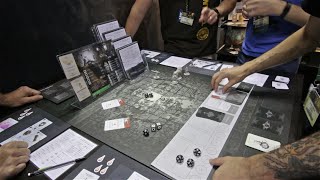
- Deep, narrative-driven, tactical combat
- Rich artwork and production value
- Gear grid and synergistic equipment adds depth
- AI-driven monster design allowing flexible play
- Set-up offers a sense of epic scale and final showdown
- Very high complexity and cost
- Brutal difficulty and risk of player death
- Large box with extensive components may be intimidating
- Survival, trauma, community, and ritualistic hunting
- A dark fantasy survival world with a settlement fighting horrific monsters in a cooperative campaign
- Story-driven, episodic campaign with evolving settlement and monster encounters
Mechanics (from transcript analysis)
- Affinity and gear grid — Connecting same-color gear in a grid yields synergy bonuses and stat improvements.
- Armor and equipment — Armor reduces damage; gear cards and synergy bonuses via a gear grid.
- Bleeding tokens — Bleeding tokens accumulate and can cause death when reaching five.
- Hit locations — Damage is resolved by drawing hit location cards that correspond to body parts.
- Priority Target — If you wound a monster, you gain a Priority Target token affecting next attacks.
- Severe injuries — Severe injuries trigger on heavy hits and can temporarily remove a survivor from active combat.
- Showdown (boss battle) — Cooperative combat against a monster controlled by AI cards with wound resolution and hit locations.
- Survival actions — Spending Survival for actions like Dodge and Encouragement; available actions determined by settlement tech.
- Trap cards — Monsters can have trap hit locations that counter-attack if triggered.
- Wound deck — After successfully wounding, draw wound cards that determine effects and potential traps.
Video topics + discussion points
Quotes (from this video)
- wow that game was crazy there's so much going on in that game
- it's brutal to ensure that it's still in there
- we're fighting one giant monster and the attacks that you receive and are brutal
- we developed language so now we can actually communicate in battle
- it's narrative driven, story driven
- the MSRP box for the game is the $400
- don't get too attached to your characters they will be dropping like flies
- you can move and attack in any order you want
References (from this video)
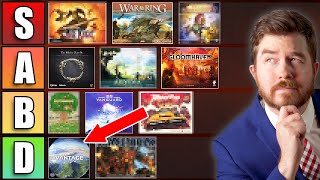
- dark, unapologetic tone
- interesting world-building
- combat often felt sluggish
- extreme scale and cost
- monster hunting with brutal tone
- grim dark survival
- epic, with heavy personal and world-building layers
- Descent
- Kingdom Death: Monster Sanity Systems
Mechanics (from transcript analysis)
- campaign with enormous scope — massive scale, long campaigns, challenging fights
Video topics + discussion points
Quotes (from this video)
- This is obviously an S tier game.
- I'm combining a few Clank games here, but they're all A tier.
- I hate Kingdom Death Monster. I hate it.
- This is an easy A tier game.
- This is an S tier game.
- Don't yuck yums.
References (from this video)
- Rich, immersive narrative with heavy storytelling and character arcs
- Deep gear crafting and shrewd equipment choices influence combat efficiency
- Milestone-driven development creates a sense of evolving world and stakes
- High replay potential due to branching outcomes and collections
- Graphic content and mature themes may not be suitable for all audiences
- Complex rule set with a steep learning curve and dense table work
- Time-intensive sessions can be lengthy and demanding
- survival, tragedy, and mythic ritual within a brutally gorgeous, lore-rich world
- grimdark post-apocalyptic fantasy where a small settlement lives under the looming threat of nightmarish monsters
- episodic, milestone-driven storytelling with dire consequences and dramatic character arcs
Mechanics (from transcript analysis)
- Age and survivor progression — Survivors gain hunt XP milestones, unlock weapon proficiencies, earn permanent stat boosts, and face age-related effects that permanently alter their capabilities.
- Hunt and aftermath sequence — After defeating a monster, survivors roll on outcome tables to gain abilities, heal injuries, and accrue resources that influence future hunts and settlement events.
- Innovations deck and symposium — A deck-based drafting of innovations that drive story, survivability, and capability, with consequences that modify future actions and gear.
- Insanity, courage, and mood effects — Interactions like Endless Screams affect fear and courage, trigger hunting decisions, and can grant or reduce insanity through the aftermath of events.
- Principles of Death and grave events — Principles govern dramatic choices when a survivor dies or is gravely injured, including cannibalize or build a grave monument, with long-term effects on the settlement.
- Resource crafting and gear construction — Rawhide gear, cat-eye visors, bone weapons, and other crafted items provide protective bonuses and strategic options for encounters.
- Settlement phase and milestones — The settlement tracks events, resources, and principles. Milestones such as death or child births unlock new narrative threads and gameplay consequences.
Video topics + discussion points
Quotes (from this video)
- this game may not be for all ages
- I love Kingdom Death Monster, it's a great game
- I'm ready to start the settlement phase
- Endless Screams might be an opportunity to gain knowledge
- inner lantern consequences... that one might be the one we choose
References (from this video)

- Epic-scale encounter that can refresh the campaign with fresh mythos.
- Offers opportunities to experiment with new weapons and masteries.
- Very high difficulty and complexity for a one-off arc; can overshadow ongoing campaign flow.
- Adds significant rule overhead without guaranteed payoff within a single session.
- Escalation, epic-scale threats, and the allure of a legendary fight.
- Giga Lion encounter as a potential one-off boss in the campaign.
- One-off boss encounter with campaign implications and reward pathways.
- Kingdom Death: Monster
Mechanics (from transcript analysis)
- Boss encounter mechanics — Multi-location monster with specialized D10 rolls and injury sequencing.
- Injury risk and insanity — High-stakes damage can impact survivor sanity and long-term progression.
- Resource pacing — Careful expenditure of resources to maximize damage while sustaining the camp.
Video topics + discussion points
Quotes (from this video)
- we could learn mighty strike
- the hooded knight insists on training the uncouth survivors in martial combat
- we're not dying on this hunt
- the tail is destroyed ruining it
- you gain plus one understanding and plus one insanity
References (from this video)
- Rich, emergent storytelling with memorable encounters (e.g., hooded knight, white lion).
- Deep progression via armor, weapons, and weapon mastery that rewards planning.
- Dynamic events and consequences create a strong sense of saga and consequence.
- Complex rule set with many interconnected subsystems; steep learning curve.
- Long play sessions with heavy bookkeeping can be time-consuming.
- Resource management and random events can feel punishing in early campaigns.
- Survival, risk management, community rebuilding under grim threats.
- Dark fantasy world of monster hunts with a survival-forward settlement arc.
- Campaign-driven progression with evolving encounters, scars, and gear.
- Giga Lion (one-off boss variant)
- Phoenix (discussed as an optional future adversary within the campaign)
Mechanics (from transcript analysis)
- Combat System — Dice-based wound resolution with location-specific effects, damage tracking, and crits.
- Expansion-driven variance — Story and encounters can shift with expansions; some alter the narrative while others don’t.
- hunt phase — Monster setup and hunt board interaction; event resolution drives progression.
- Narrative consequences — Population, injuries, and long-tail events (nicknames, destinies, nemesis encounters) shape the campaign.
- settlement phase — Resource management, aging, innovations, armor and weapon crafting, and baby-making mechanics.
- Weapon mastery / specialization — Weapons grant proficiencies; mastering a weapon yields bonuses and unique effects for survivors.
Video topics + discussion points
Quotes (from this video)
- we could learn mighty strike
- the hooded knight insists on training the uncouth survivors in martial combat
- we're not dying on this hunt
- the tail is destroyed ruining it
- you gain plus one understanding and plus one insanity
References (from this video)
- Immersive, lore-rich world and thematic consistency
- Deep, emergent strategy with meaningful player collaboration
- Rich customization and crafting options in a live session
- High complexity; steep learning curve for new players
- Long runtime and heavy setup during live streams
- Rule interactions can be dense and occasionally confusing in real-time play
- survival, horror, narrative-driven progression
- grim fantasy, settlement-based hunting campaign
- lore-dense, modular events, seed-pattern crafting
- John Wick (movie reference)
Mechanics (from transcript analysis)
- Combat and injury system — D10-based combat with hits, wounds, criticals, and guard mechanics influenced by luck and weapon status (e.g., frail weapons).
- Endeavors and drum/seed patterns — Innovations with drums and seed pattern cards unlock abilities and new gear paths.
- Gear crafting — Crafting armor and weapons from resources (silk whip, butcher cleaver, etc.).
- Guardianship and surges — Protection mechanics and surge actions grant extra turns or survivals.
- Knowledge deck and Forum — Knowledge cards grant bonuses; the Forum presents choose-your-path options for characters.
- Settlement phase and events — Annual settlement activities drive resource management, insanity, and gear creation.
- Survivor management and insanity — Track survivor insanity, courage, and death tokens; manage wounds and healing between hunts.
Video topics + discussion points
Quotes (from this video)
- John Wick Colin I don't even know that reference but
- Braah Myra is like one of the like gurus of Kingdom Death
- This is going to be the final blow we're going to need
- We survived our settlement event okay
- I believe in you Zach
References (from this video)
- deep thematic experience
- high production quality
- campaign-driven variety
- high complexity and upkeep
- grim theme may be off-putting
- horror-crawl co-op survival with campaign progression
- grim dark fantasy world with monstrous threats
- campaign-driven, emergent storytelling
- Descent
- Gloomhaven
Mechanics (from transcript analysis)
- campaign progression and loot — loot and upgrades shape long-term advancement
- cooperative play — players work together to survive and hunt monsters
Video topics + discussion points
Quotes (from this video)
- it's not plug and play, it just works like a switch
- five possible tables just cuz one isn't enough
- you own your board games, you own them; video games are a lease
References (from this video)
- Rich, emergent storytelling with a strong sense of consequence and progression
- Deep character and survivor customization through fighting arts, gear, and innovations
- Dynamic narrative events (intimacy, new life, hooded knight) that drive ongoing campaign development
- Satisfying sense of weight in victories and losses, with meaningful aftermaths
- High complexity and dense rules can be intimidating for new players
- Long play sessions with slow setup and numerous bookkeeping elements
- Narrative management can become chaotic without meticulous record-keeping
- Balancing randomness with tactical planning can feel punishing on bad rolls
- survival against cosmic horror, companionship under strain, moral ambiguity in a brutal world, and the way communities adapt through many harsh trials.
- grim, high-stakes fantasy where small survivor communities grapple with monstrous threats in a perilous, hostile world; escalating lantern-year campaigns with child survivors and ritual challenges.
- campaign-driven storytelling with branching events, personalized survivor arcs, and dramatic narrative milestones anchored by ritual events, intimacy, and tragedy.
Mechanics (from transcript analysis)
- Endeavors and innovations — After hunts, players gain endeavors used to unlock innovations and improvements, shaping future gameplay and options.
- Evolution of gear and survivors — Weapons, armor, and equipment are redistributed and reinterpreted across survivors, including arm/gear swaps to reflect narrative shifts.
- Fighting arts and weapon proficiencies — Characters gain unique fighting arts and weapon proficiencies that modify attack dice, damage output, and special effects during combat.
- Hunt phase / Showdown setup — A chosen quarry (monster) is hunted, with hunt decks and event cards guiding the encounter. The showdown board is configured and survivors prepare for a climactic fight.
- Insanity, injuries, and death tracking — Survivors may gain insanity, suffer wounds, or die. These changes affect combat effectiveness, leadership, and the group's trajectory.
- Intimacy and new life — Intimacy events during certain story moments can birth new survivors, altering population dynamics and long-term planning.
- Random events and special showdowns — Events such as the Hooded Knight, lantern plays, or special showdowns inject unpredictability that reshapes the narrative and board state.
- settlement phase — Between hunts, players manage survivors, resources, innovations, and milestones. This phase progresses the campaign timeline and unlocks future story events.
Video topics + discussion points
Quotes (from this video)
- I had so much fun
- we're gonna move into the hunt phase
- the hooded Knight leaves with unfinished business and will return later
- this has been his wonderful settlement face
- I think it's time that we lose Ellis and I think we're also going to lose Raceland
- it's horrible
References (from this video)

- Deep gameplay with multiple phases
- Allows for community feedback
- Veteran player input available
- Very complex and time-consuming
- Host has not completed campaign previously
- Requires expertise to navigate successfully
- dark fantasy
- survival
- boss battle
- civilization building
Mechanics (from transcript analysis)
Video topics + discussion points
Quotes (from this video)
References (from this video)
- Dense, thematic experience with high storytelling weight and memorable boss battles.
- Rule presentation balances depth with a relatively compact core set of rules that scale with expansions.
- High drama and unpredictability thanks to AI cards and random events.
- Immersive production value and minis that fit the grim aesthetic.
- Rule density can be intimidating and easy to misread; lengthy sessions are common.
- Token and card proliferation can overwhelm new players and slow down play.
- Balancing narrative flow with crunch can feel uneven for some groups.
- Survival, ritual combat, sacrifice, and moral ambiguity within a grim mythic world.
- Isolated, perilous settlements in a dark, nightmare-fantasy world where monstrous threats emerge from the shadows.
- Gothic, mythic storytelling driven by AI-driven monsters and narrative cards.
- Lord of the Rings: The Card Game
Mechanics (from transcript analysis)
- AI cards / Wound deck / Sematic empathy — Revealed AI cards during combat drive monster behavior and wound-based reactions.
- Bleeding / Insanity / Brain damage — Tokens track physical and mental injuries that modify stats and actions.
- Gear grid / weapon proficiencies — Characters manage weapons, armor, and survivability to improve combat effectiveness.
- Hit locations / body targeting — Attacks target specific body locations with variable outcomes per location and weapon.
- Reflexes / knockback / gore-driven reactions — Monsters respond with reflex attacks, knockbacks, and location-based effects.
- Showdown / escalation — Showdown sequences with AI-driven escalation and reward cycles for the settlement.
- Survival — A core resource used to power actions, influence survival across gear grids, and drive character development.
- Token economy (sematic/static, etc.) — Various tokens influence combat and survival state, including empathy and bleed tokens.
Video topics + discussion points
Quotes (from this video)
- Kingdom Death. They do such a good job of being able to give you a large amount of rules in a condensed format that makes perfect sense.
- This game's awesome.
- I love Kingdom Death.
References (from this video)
- Rich depth of combat with meaningful gear synergies and hit-location strategy
- Dynamic monster AI creates tense, tactical decision points
- Excellent potential for meaningful loot, resources, and settlement progression
- Rule complexity and chaotic dice results can be challenging to manage in real time
- Long play sessions with heavy bookkeeping may deter casual players
- Reliance on AI deck randomness can occasionally undermine predictability
- Survival, sacrifice, and community resilience against cosmic horror threats.
- Dark fantasy, post-apocalyptic world where a small settlement confronts brutal monsters in a deadly environment.
- Campaign-based storytelling with evolving threats, emergent narratives, and tiered monster engagements.
- Level 1 Phoenix (Kingdom Death: Monster)
Mechanics (from transcript analysis)
- AI-driven monster behavior — Monster actions are resolved by drawing from an AI deck, yielding dynamic movements, attacks, and special abilities each turn.
- Diabolical and trample actions — Monsters possess diabolical cards that push targets, modify ranges, and trigger chain reactions, creating dangerous battlefield situations.
- Hit location combat and injury tracking — Wounds are applied to specific hit locations; wounds and injuries influence future attacks, performance, and morale.
- Hunt phase and settlement progression — Victory or failure in hunts yields XP and resources used to craft gear and expand the settlement's capabilities.
- Injury, insanity, and morale effects — Brain damage, insanity, and other injuries influence survivor actions, choices, and the ability to sustain further engagements.
- Movement, dash, and positioning rules — Survivors use dashes and movement tokens to reposition, often affecting end-of-turn alignments and opportunities for future attacks.
- Resource collection and terrain scavenging — Terrain tokens and debris enable scavenging outcomes, with possible gains or special events affecting the upcoming round.
- Survivor gear, surges, and multi-hit interactions — Gear like beast knuckles, daggers, shields, and weapons provide surges and multiple attack options with location-based outcomes.
- Trample zone and collision — Survivors can be knocked down or moved by monsters entering or traversing the trample zone, with consequences like brain damage or knocked-down states.
Video topics + discussion points
Quotes (from this video)
- we have gone ahead and defeated our level two antelope
- when the monster collides with the survivor they suffer damage equal to the monster's level to a random hit location
- we totally took this guy out
- an absolute monstrous amount of resources
- nom nom nom nom just like pac-man
- this is ridiculous
References (from this video)

- Deep, story-integrated gameplay
- Flexible group dynamics with population-based progress
- High replayability from randomized events and hunts
- Strong thematic cohesion with setting and monsters
- Very heavy rules and setup complexity
- Long play sessions and steep learning curve
- Manufacturing and production delays cited by creator
- Story-driven, cooperative survival with community progression and ritualized hunts.
- A dark fantasy survival world where survivors build a settlement while fending off monsters.
- Campaign narrative with year-based events and narrative-driven hunts.
- Descent 2nd Edition
Mechanics (from transcript analysis)
- Campaign progression — Settlement population drives advancement and equipment; seasons/hunts vary based on population and resources.
- hunt-based combat — Group hunts monster targets with iterative combat and hazard management.
- modular expansions — Core game supports a large catalog of expansions adding content and variations.
- randomized narrative events — Yearly story events drive plot and settlement decisions.
- resource and item management — Gather resources, craft gear (including special items like acanthus) to improve survivability.
Video topics + discussion points
Quotes (from this video)
- It's very story driven.
- This was the vision.
- You can tailor for the specific hunt.
- There are twelve expansions.
- The first guy that comes to your settlement to beat you up -call them 'nemesis monsters'.
- it's like playing in a small sandbox instead of a big one.
- That's co-operating though, like you do that sometimes.
- I wanted to do good by the people who... came out of nowhere and were like 'We believe in this vision. Let's do it.'
References (from this video)
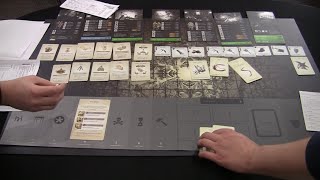
- Complex narrative progression
- High replayability
- Challenging gameplay
- Unique survival mechanics
- High difficulty
- Permanent character death
- Complex rule system
- Survival horror cooperative campaign
- Dark fantasy survival world
- Persistent campaign with evolving characters
Mechanics (from transcript analysis)
- Campaign progression — Characters evolve and can die permanently
- Survival management — Players manage limited resources and survivors
Video topics + discussion points
Quotes (from this video)
- don't get attached to your survivors
- we were about to innovate in a second
- the game does really Hammer you hard on the difficulties
References (from this video)
- highly thematic and cinematic
- deep customization and progression
- miniature assembly and painting can be a barrier
- heavy and expensive
- survival, miniatures, and existential horror
- grim fantasy world with monstrous threats
- campaign-driven with persistent character progression
- Allianz
Mechanics (from transcript analysis)
- miniature-based dungeon exploration — players assemble/install miniatures and explore a campaign with custom scenarios
Video topics + discussion points
Quotes (from this video)
- probably the greatest party game of all time
- it's a betting racing game
- this is basically one huge massive rondell of a game
- I hate painted miniatures
References (from this video)

- strong thematic depth
- high quality art and components
- very expensive
- extremely complex and time-consuming
- survival and horror in a campaign-driven world
- grim fantasy horror world
- dark, intense and cinematic
- Demon/Doom style thematic games
- D&D board games
Mechanics (from transcript analysis)
- Campaign — long multi-session story-driven play
- miniature_assembly — creating highly detailed miniatures
- tactical_battles — combat with custom dice and equipment progression
Video topics + discussion points
Quotes (from this video)
- I think Twilight Imperium is bananas
- I will sit and play it for 10 hours and be delighted by it
- Blood Bowl is one of the only games where Jamie usually beats me
- Star Wars Legion is going to be similar quality miniatures but if Rune Wars is any indication the miniatures weren't that much better
References (from this video)
- Story-driven progression with meaningful decisions affecting population and resources.
- Rich customization through a wide array of weapons and armor options.
- Phoenix Feather and epiphany mechanics provide strong, narrative-driven rewards.
- Corrective discussion about previous settlement mistakes helps clarify rules and improve future play.
- High complexity and potential for misinterpretation of rules ( Graves principle, intimacy results, etc.).
- Resource and time management can be lengthy and dense for on-camera play.
- Numerous micro-decisions may hinder pacing and audience engagement during a video.
- Survival, horror, community-building, and endurance in the face of grotesque dangers.
- Post-apocalyptic fantasy world where settlements endure monstrous threats and must manage resources, population, and lore over successive hunts.
- Array
Mechanics (from transcript analysis)
- Character progression and affinities — Systems like blue affinities, courage, and epiphany that drive lasting bonuses and story development.
- Endeavors and innovations — Spending resources to gain new abilities, gear, and deck improvements that influence future actions.
- Gear crafting and the Stone Circle — Crafting and archiving resources to build powerful items (e.g., Beast Knuckles, Screaming Gear) and artifacts through a built infrastructure.
- hunt phase — Exploration and combat against monsters to gain resources, experience, and equipment.
- Intimacy events — Narrative events tied to population growth and relationships that can birth new survivors or alter stats.
- Quarry and Phoenix feather — Narrative quarry mechanics that introduce special events/resources like the Phoenix feather, enabling powerful rewards.
- settlement phase — Survivors process resource gathering, aging, population management, and development choices that shape future cycles.
Video topics + discussion points
Quotes (from this video)
- "Phoenix feather looks pretty awesome"
- "I think we're gonna take family; that's gonna be our innovation"
- "that's the end of our development we are done with that now"
- "we're going to auger these endeavors just to see if we can have another intimacy event"
References (from this video)

- Deep, immersive theme and world-building
- High-quality models and components
- Provides rich material for painting education and demonstrations
- Very heavy rules and steep learning curve
- High cost and long play time
- Complexity may deter new players
- survival, risk, and community-driven storytelling
- grim fantasy horror campaign world with monstrous encounters
- campaign-driven with evolving world
Mechanics (from transcript analysis)
- Campaign progression — Persistent campaign with upgrades, gear, and evolving monster encounters.
- cooperative play — Players collaborate against monsters and manage resources and morale.
- gear crafting and loot — Crafting equipment from monster drops and collected resources.
- monster encounters — Boss-level monsters with unique behaviors and encounter structures.
Video topics + discussion points
Quotes (from this video)
- Sponsored by Kingdom Death so I'm using Kingdom Death models; we have a lot of skin and there's a good way to teach realism
- There is nowhere else in the US that you can get this many people, this many artists together from not only everywhere in the US but around the world... the ability to come here and interact with so many different people is, it's just phenomenal
- It's about spreading the love
- The best reason to take classes at DefCon is that you can get personal feedback on how you work
- You can do very small short focus classes up to full-on six to eight hours boot camp style stuff where you're really digging into something
- I love teaching at DefCon because I end up with gamers and artists in one classroom and forcing them to interact with each other
- There’s always something to learn from somebody, even if someone is not as good of a painter as you; you can always learn something
References (from this video)
- Marked the premier Kickstarter miniature big-box game
- Catalyzed the growth of large-scale board game Kickstarters
- horror
- survival
- dark fantasy
- miniatures
Mechanics (from transcript analysis)
Video topics + discussion points
Quotes (from this video)
- We are coming up at the end of a decade and that's an important thing
- There have been monumental shifts, an absolute monster releases this decade
- The game that has most inspired my imagination and stretched my strategic muscles in the most satisfying way of the 2010s
- It changed the way that gamers thought about games as experiences
- No more was it about a game that I could replay eight bajillion times but one in done experiences or disposable experiences that convey a specific story
- When gaming historians are looking at the most important games that have come out amongst the last 100 years I honestly think that pandemic legacy is going to be one of those milestone games
- Gloomhaven has brought so many new people to the Hobby because the mainstream success of it
- As far as a game that is this in depth and this meticulously put together could appeal to as many as possible gloomhaven has succeeded like no other game has
References (from this video)
- Brutal, dark and immersive experience
- Deep campaign with extensive customization
- Very expensive
- Brutal learning curve and intense rules
- Character advancement through a brutal monster-hunting campaign
- Dark fantasy, brutal survival
- Dark, mature, campaign-based
- XCOM-inspired games
- Mage Knight
Mechanics (from transcript analysis)
- Four-character campaign with heavy thematic content — Squad management, brutal encounters, and progression outside combat
- Settlement phase and campaign loop — Resource gathering, research, and equipment crafting between missions.
Video topics + discussion points
Quotes (from this video)
- it's such a bizarre game
- this is one of the best translations from video game IPs into board game form
- it's basically like Star Wars themed XCOM
- the closest thing you'll get to a first person shooter in board game form
References (from this video)
- Rich thematic experience
- High-quality miniatures and components
- Very long setup and play time
- Very high price point
- Survival, horror, and narrative-driven campaigns
- Dark fantasy dungeon-crawl with bespoke miniatures
- Campaign-driven, heavily story-led
- Gloomhaven
- Oathsworn
- Doom
Mechanics (from transcript analysis)
- boss_battler — Encountering monstrous beings with unique mechanics.
- campaign_progression — Long narrative arcs with escalating threats and character advancement.
Video topics + discussion points
Quotes (from this video)
- it's all centered around those games that we said we were going to obsess over
- we're not doing conventions this year
- ADHD diagnosis and access to medication has been pretty darn good
- the first 10 episodes of Crimson Scales will 100% be here
- you cannot underestimate how impactful comment and a like are
References (from this video)
- Very approachable onboarding for such a heavy game; the rule book introduces only what’s needed to start playing quickly.
- Rich, emergent storytelling that expands across both hunts and settlement, creating memorable arcs.
- Exceptional production value: art direction, graphic design, and the overall aesthetic convey a strong, cohesive vision.
- Deep customization of survivors and gear with meaningful grid-based bonuses that add strategic depth.
- High replayability; even with the base box, campaigns feel distinct and can diverge dramatically.
- Miniatures are stunning but extremely fiddly to assemble due to numerous tiny parts, which can test patience.
- Absence of a digital rulebook hampers quick lookup; glossery and references would have helped for navigation.
- Hardcover rulebook is premium but inconvenient; many players would prefer a spiral-bound or printable digital version.
- Solo play requires meticulous upkeep across multiple characters and statuses, which can be burdensome over time.
- Premium pricing creates a barrier to entry for some buyers, even though the component quality and depth justify it for many.
- survival horror, grotesque fantasy, ritual sacrifice, and the tension between vulnerability and stubborn resilience
- A grim, brutal, and desolate world where a small settlement of survivors lurches forward by hunting nightmarish monsters and scavenging their remains to keep the community alive.
- emergent and event-driven storytelling that unfolds across the settlement and hunt phases, producing unique arcs with each campaign
- XCOM
- Shadows of Brimstone
- Oathsworn: Into the Deepwood
- Evolve
Mechanics (from transcript analysis)
- Asymmetric boss fight — A single powerful monster (the boss) battles four survivors with distinct rules and strategies for balance and tension.
- Gear grid bonuses — Gear and equipment are placed on a grid; the arrangement yields positional bonuses that affect combat and survivability.
- hunt phase — Send survivors out to track and confront a monster; obtain monster parts used for crafting and progression.
- Injury and limb system — Damage and injuries affect survivorship in increasingly meaningful ways via injury charts and limb-specific outcomes.
- Narrative emergence — Dice outcomes, event cards, and injuries drive storytelling, creating memorable, often dramatic, narrative beats.
- Resource management and progression — Acquiring and spending resources to upgrade gear, unlock events, and influence long-term survivability.
- settlement phase — Post-hunt phase where the settlement grows, resources are allocated, gear is purchased, and events shape the narrative.
- Upkeep across Lantern Years — Campaign progression is tracked over Lantern Years, with accumulating effects that alter future hunts and settlements.
Video topics + discussion points
Quotes (from this video)
- the game is very dark and brutal
- Miniatures ... extremely detailed and gorgeous
- I didn't have to read the entire rule book before I had some fun rolling dice
- asymmetric fight that was so interesting
- I punched off the Lion's testicles
- this is a pretty dang unique experience
- emerging story powers
- I would not play this without an insert
- the rule book easy to get into the table
References (from this video)

- Immersive gameplay
- Rich narrative experience
- Complex mechanics
- Unique world-building
- Long play time (60-120 hours)
- Complex rules
- Potentially overwhelming
- Survival, human resilience
- Dark, hostile world with stone faces
- Cooperative campaign
Mechanics (from transcript analysis)
- Campaign-based — Ongoing story with changing characters and settlement
- cooperative gameplay — Players control a settlement of survivors
- Resource gathering — Collecting resources from monsters to develop settlement
Video topics + discussion points
Quotes (from this video)
- If there is a rule where you don't understand or if two rules or mechanics conflict you follow whichever one is worse for your survivors
References (from this video)
- Deep, thematic gameplay with persistent decks
- Rich art and world-building
- Emergent civilization development through innovations
- Rules-heavy; long setup and learning curve
- Can be overwhelming for new players
- Survival, civilization-building, mythic horror
- Dark fantasy post-apocalyptic settlement-building
- Story-driven with branching events and legends
Mechanics (from transcript analysis)
- Crafting equipment — Spend resources to build armor and weapons with color-linked bonuses for synergy.
- Encourage action — Survivors gain courage; spending survival can help non-dead survivors stand or act.
- Hunt and showdown phases — Hunt the monster and resolve a showdown, driving progression and gear acquisition.
- Innovation deck — Language and other innovations are drafted, affecting future options and deck composition.
- Narrative/story events — Settlement timeline and story cards drive progression and emergent storytelling.
- Quarry and language event — A survivor utters first words, adds quarry and language, and unlocks consequences and deck effects.
- Resource management — Manage hides, organs, bones, and other resources to craft equipment and upgrades.
- settlement phase — Players document progress, manage resources, gain innovations, and grow the settlement between hunts.
Video topics + discussion points
Quotes (from this video)
- the deck persists, so we're going to keep this deck just like this and every time we come back to the civilization
- we're going to gain one for each returning survivor from our showdown
- I love the art in this game it's really good
- I think we're going to buy these four leather items using our four hide resources
References (from this video)
- Rich thematic immersion and brutal, cinematic combat
- Deep, asymmetric character progression and gear variety
- High-fidelity miniatures and model design that reward painting and display
- Steep learning curve and complex rule interactions
- Long setup and play sessions with heavy bookkeeping
- horror, survival, micro-epic monster encounters
- grim fantasy horror world with monstrous hunts and a dark settlement progression
- cinematic, grimly atmospheric, story-driven progression
- Kill Manor
Mechanics (from transcript analysis)
- Hit location combat — Attacks target specific hit locations on the monster; damage and effects vary by location and armor.
- Lunacy/Insanity tracking — Brain damage and lunacy tokens influence behavior, cause frenzy, and alter survivior options.
- Monster AI deck and Showdown cards — The monster uses a shuffled AI deck (e.g., Fast Target, Berserker, Infectious Lunacy) to generate reactive actions and traps; cards interact with the board state and hit locations.
- Settlement phase and forum/knowledge progression — Knowledge cards, Lumi tokens, and knowledge/forum mechanics drive long-term character and settlement improvements.
- Survival actions — Survivors spend survival and take actions like Dodge, Dash, Surge, Endure, and others; survival points regulate actions and outcomes.
- Trophies and Showdown progression — Dreaded trophies grant monster bonuses; outcomes can be altered by the survivors' choices and the deck's randomness.
Video topics + discussion points
Quotes (from this video)
- Gold never fails when it's important
- We are taking on the butcher
- This is our one year anniversary of Meet Me at the Table
- We hit we hit really good
- The lantern frenzy card is coming into play
References (from this video)
- Rich, cohesive world with strong narrative through play sessions
- Deep, tactile crafting and combat systems tied to the monster’s design
- High degree of player cooperation and tension, especially in monster encounters
- Dynamic settlement progression that evolves between hunts
- Very complex rules and lengthy setup
- Brutal difficulty that can lead to early character death
- Time-intensive sessions, which may deter casual players
- Survival, sacrifice, horror, and communal growth within a dangerous world
- Dark fantasy world where survivors inhabit a settlement and contend with monstrous threats in a harsh landscape
- Story-driven campaign with modular scenarios and a strong storytelling emphasis
- Primal
- Nemesis
Mechanics (from transcript analysis)
- Campaign and settlement progression — Knowledge decks, philosophy cards, collective cognition, dreamkeeper, and advancement track the settlement's growth.
- Hit locations and wound resolution — Attacks resolve via hit-location cards; locations can be impervious or cause special effects; wounds progress through a deck and state changes.
- Monster AI and Instincts — Monsters use AI cards, with a consistent first-action rule and occasional predatory instincts that alter behavior.
- Survival, Insanity, Fear, and Terror tokens — Characters accumulate survival points and brain/insanity effects; fear/terror dynamics shape risk and decisions.
Video topics + discussion points
Quotes (from this video)
- This is going to be awesome
- This is the coolest thing every one of these Monsters has something that's really kind of unique about it
- The monster always goes first
- Kingdom Death Monster the monster
References (from this video)
- Immersive, dark theme with memorable monsters and moments
- Rich table presence and dynamic storytelling during fights
- Deep strategic options in combat, gear selection, and mutations
- Strong sense of progression as settlements evolve
- Excellent community engagement when streamed live
- High rules complexity and lengthy setup/turn duration
- Graphic content may be off-putting for some players
- Inventory/gear management can feel heavy during play
- horror-survival, risk-reward, community rebuilding after brutal encounters
- grim, dark fantasy world of survival and monster hunts with settlement life between hunts
- mature, often macabre, blending dark humor with grim moments
- Puerto Rico
- Primal
- TMNT Unmatched
- Primal (board game)
Mechanics (from transcript analysis)
- Boss monster encounters — Narrative-driven boss fights with unique attack patterns and location-based effects.
- Injury and trauma — Brains, trauma, and insanity tokens influence actions and outcomes.
- Loot and gear crafting — Gaining armor pieces, gear upgrades, and tools from hunts and innovations.
- Survivor management — Track survival, insanity, and gear across expeditions and settlements.
Video topics + discussion points
Quotes (from this video)
- This game is amazing.
- Two sphincters. Why two?
- This is real, people. This is real.
- Frog dog density and fart mechanics are ridiculous in the best way.
- Look to the books. Look to the books.
References (from this video)
- Immersive, narrative-driven play
- High tension and humor with live reactions
- Creative cake surprise added engagement
- Rule complexity and long play sessions
- High variability leading to sudden character loss
- survival, community-building, horror, risk-reward, morality
- Dark fantasy horror world where settlers battle nightmarish monsters and manage a fragile community.
- campaign-driven, episodic with random events and evolving settlement
- Gambler
- Overwhelming Darkness
Mechanics (from transcript analysis)
- Campaign progression — Hunt and settlement phases drive long-term progression across multiple sessions.
- cooperative storytelling — Players collaboratively narrate outcomes and risks.
- Resource management and upgrades — Settlement collects resources to upgrade locations and craft better gear.
- Survivor customization and injuries — Characters gain permanent injuries and insanity affecting future actions.
- Unique event system — Story-driven events (e.g., gamblers, phoenix hunt) drive narrative.
Video topics + discussion points
Quotes (from this video)
- Two guys and cake. That's right.
- What flavor is the cake? Looks like chocolate with raspberry.
- This cake is the coolest thing I've ever seen.
- Hit and miss. Yes, we hit and miss.
References (from this video)
- Extensive customization and depth of gear and events
- New 1.6 contents streamline updates with stickers and rules
- Narrative potential remains high with redesigned components and locales
- Rulebook updates and settlement events add cohesion to ongoing campaigns
- New craftables and weapons expand strategic diversity
- Complexity and a steep learning curve can be daunting for new players
- Balance shifts may require reworking existing campaigns or previous handoffs
- Expansion content can be costly and space-intensive for players with full collection
- Survival, ritual sacrifice, and personal storytelling through evolving gear and settlements
- Dark fantasy, monster hunting in a dangerous, gothic world
- Campaign-driven, episodic storytelling with lore-driven consequences and a heavy emphasis on world-building
Mechanics (from transcript analysis)
- Deterministic yet thematic combat — Damage, location effects, and unique keywords such as barbed, lantern, and sword keywords influence outcomes and tension.
- Gear crafting and item cards — Players collect materials and craft weapons and armor using an extensive set of item cards that alter combat and survivability.
- Interlinked card geography — Card placement across locations like stone circle, barber surgeon, and pulmonary to drive exploration and progression.
- Randomized equipment paths — Weapons and armor can be crafted from varied components, offering multiple upgrade trajectories and playstyle options.
- Resource management — Management of basic resources, leather, bone, straw, and other components to fuel crafting and survival actions.
- settlement phase — Long-term development of survivors and settlements through events, resources, and decisions that shape future campaigns.
- Showdown combat — Structured boss-style combat against a monster with AI-driven behaviors, event triggers, and evolving risks.
Video topics + discussion points
Quotes (from this video)
- this is going to upgrade 1.5 to 1.6
- one of my favorite games i've had an absolute blast playing this
- it's absolutely fantastic there are extra cards here as well
- these are updated areas i'll go through those we have maybe some newer areas
- there could be some spoiler stuff in here as well so i do want you to be warned of that
- the updates to these settlements are right here that you're going to replace
- i'm going to guess some of them are new from other places
References (from this video)
- Best tutorial ever played
- Immersive storytelling
- Tactical combat
- Unique campaign progression
- Potentially overwhelming complexity
- Long campaign duration
- Survival horror cooperative campaign
- Nightmarish world with survivors fighting for survival
- Choose your own adventure
Mechanics (from transcript analysis)
- Campaign Progress — Progressing through 25 lantern years with evolving characters
- Miniature Combat — Turn-based fighting against monsters
- Resource management — Collecting resources to build settlement and gear
Video topics + discussion points
Quotes (from this video)
- We were still planning out moves and planning what's the best position to be standing in.
- The rulebook literally just starts, first page, is art and story.
References (from this video)
- rich, emergent storytelling with a strong thematic mood
- deep integration of gear, upgrades, and settlement progression
- highly tactile crafting and strategic decision-making in a brutal setting
- very heavy rules and bookkeeping can be overwhelming for new players
- high risk of players losing survivors and resources on tough outcomes
- survival, civilization-building, ritual danger, and inexorable threat from ancient predatory forces
- grim fantasy setting where a small group of survivors builds a settlement and contends with nightmarish monsters in a brutal, harsh world
- event-driven storytelling via settlement and hunt encounter cards with branching outcomes
Mechanics (from transcript analysis)
- hunt phase — survivors venture into a hunting grounds deck, draw and resolve monster encounters, and acquire resources and gear
- innovation and equipment crafting — resources from hunts are spent to craft armor, weapons, and innovations at the Blacksmith and other facilities
- random events and nemesis encounters — lantern-year events and nemesis encounters drive the narrative arc toward climactic confrontations
- resource and trauma tracking — survivors gain and lose resources (bone, scrap, leather, organs) and incur insanity, injuries, or disorders
- settlement phase — after hunts, players update the settlement with endeavors, injuries, scarcity, and population changes
Video topics + discussion points
Quotes (from this video)
- riverwind is now gone for good
- the ultimate weapon
- this is an awesome card
- let me know in the comments below
- we're going to gain three insanity
- we found a mask
References (from this video)
- Engaging and chaotic combat with tactical depth via AI cards and hit locations.
- High rewarding loot and resource generation that fuels the settlement phase.
- Sense of tension and risk management from terrain, insanity, and traps.
- Narration and playthrough energy are infectious; the host clearly enjoys the experience.
- Rule interactions and token onslaught can be overwhelming and intimidating for new players.
- Occasional misreads or fast-talking explanations may blur some rules (as admitted by the player).
- Combat can feel punishing due to multiple layers of modifiers, traps, and state changes.
- Survival, sacrifice, and community under constant threat from horrific beings.
- Dark fantasy, post-apocalyptic world where survivors hunt colossal monsters and attempt to build a settlement.
- AI-driven monster battles with scripted events, random attacks, and emergent storytelling.
Mechanics (from transcript analysis)
- AI-driven monster behavior — The monster operates via an AI deck; negotiation of actions is determined by drawing AI cards.
- Hit locations and wound resolution — Attacks target specific hit locations; wounds and reflexes can radically change the fight and AI behavior.
- Insanity, bleeding, and death tables — Insanity and brain damage track the psychological toll; evil/death tables drive dramatic, high-stakes consequences.
- Long, multi-phase combat and AI prioritization — Combat is driven by a sequence of AI cards as the monster alternates between targets and actions.
- Loot and resource generation — Defeated monsters yield a variety of parts and resources that feed settlement progression.
- Survivor activation economy — Survivors dash, surge, and spend activations with risk of knockdown or insanity; coordination matters.
- Terrain and terrain-eating mechanics — Terrain (like acanthus plants) can be consumed to gain speed or healing effects.
Video topics + discussion points
Quotes (from this video)
- this is one of my favorites i had a fantastic time
- the power of the arc bow has again done damage
- this is going to be absolutely awesome
- one of my favorites
- i had a fantastic time
References (from this video)
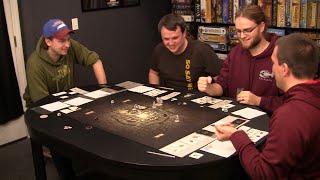
- Deeply strategic gameplay
- Unpredictable narrative
- Complex resource management
- Intense combat encounters
- Complex ruleset
- High learning curve
- Potentially frustrating randomness
- Survival horror campaign game
- Dark fantasy survival world
- Emergent storytelling
- Other campaign-based board games
Mechanics (from transcript analysis)
- AI-driven monster encounters — Randomized monster behavior decks
- Campaign progression — Settlement development between monster fights
- Survival management — Resource allocation and character development
Video topics + discussion points
Quotes (from this video)
- Death is always a die roll away
- We beheaded him!
- If you get frustrated with a lot of rules, this game will get you frustrated quick