GAME SYSTEM
This entry is to allow for discussion/rating of the game system as a whole. It is not for a specific product or release. Versions will appear on the individual item pages.
From the official website: In the Magic game, you play the role of a planeswalker—a powerful wizard who fights other planeswalkers for glory, knowledge, and conquest. Your deck of cards represents all the weapons in your arsenal. It contains the spells you know and the creatures you can summon to fight for you.
This is the grandfather of the collectible card game (or CCG) genre. Cards are categorized as common, uncommon, rare, and mythic rare. Players collect cards and build decks out of their collection.
Players build a deck of cards and duel against an opponent's deck. Players are wizards attempting to reduce their opponent's life total to zero. The first player to reduce his opponent's life to zero (or meet another set win condition) wins the game.
An important part of the game is deck construction, which is done prior to the actual game by selecting what cards are included in a particular deck. There are over 25,000 different cards from which to build your deck!
Cards can be lands, which usually generate mana of various colors, or spells, which require a certain amount of mana to be used. Some cards (creatures, artifacts, and enchantments) stay on the board and continue to affect the game, while others have a one-time effect.
Players randomly draw spells to see what they get and can play each turn. Although this limits your choices, there is a lot of strategy in how you play those spells. A robust list of game mechanics, including intricate rules for reactive card play called "the stack," provide for rich tactics and tough choices each turn.
Though traditionally a two-player duel, there are several casual and tournament formats to Magic that allow more players to play.
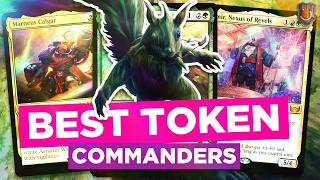
- Token strategies in Commander
- Multiplayer Commander format
Mechanics (from transcript analysis)
- Commander damage — Dealing combat damage with the commander
- token generation — Creating creature tokens with various abilities and synergies
Video topics + discussion points
Quotes (from this video)
- Tokens are very hierarchical. Yeah. In the trees there's ones above the other ones.
- You can turn your entire board into mana rocks.
- Drown them in the juice.
References (from this video)
- Commander format growth and popularity driving broader engagement
- IP crossovers (Universes Beyond) creating new excitement and accessibility
- Power level inflation moderated, enabling broader deck diversity
- Overabundance of product, pricing pressure, collector fatigue
- Premium/secret lair releases adding complexity to the market
- Balancing challenges in a non-rotating format with rapid design iterations
- Strategic card combat, mana economy, deck-building impulses, and IP-driven expansions
- Multiverse spanning numerous planes (e.g., Dominaria, Innistrad, Forgotten Realms crossover) with a fantasy/mythic theme
- Epic fantasy narratives tied to planeswalker conflicts and cross-ipl events
- Dungeons & Dragons
- Walking Dead
- Warhammer 40k
Mechanics (from transcript analysis)
- Board interaction and removal — Removal spells, board wipes, and various forms of disruption
- Creature Combat — Attacking and blocking with creatures to deal damage and trade
- draw and hand management — Managing card draw and hand size to access key plays
- Mana system — A resource-based system to cast spells and activate abilities
- Spell Casting — Playing spells from hand by paying mana costs
Video topics + discussion points
Quotes (from this video)
- commander is the most popular way to play magic I think all signs point to that
- modern horizons 2 again had a huge impact on us because of all the reprints
- the pendulum finally we could say now just like commander is the most popular format
References (from this video)

- Flying ability
- Vigilance
Mechanics (from transcript analysis)
- Summoning sickness — Creatures cannot attack when first summoned
- Vigilance — Creature can attack without tapping
Video topics + discussion points
Quotes (from this video)
- I hate it. I know.
References (from this video)
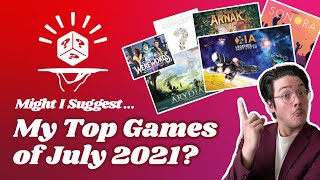
- Long-standing staple of the hobby
- Rich tactical depth
- Complex rules for newcomers
- fantasy combat
Mechanics (from transcript analysis)
- deck-building — Construct a deck and cast spells to defeat opponents
Video topics + discussion points
Quotes (from this video)
- zia is chaotic it's exciting it's cruel it's beautiful and it's everything in between
- if you want to make the most out of your four and a half hour gaming window and you want a robust deep space experience
- it's labeling it a green legacy game and promising a full reset at campaign end
- this has been a mind at suggested game production and i'm alex your board game sommelier signing off
- Sonora is a combination of a dexterity and a roll and write game
References (from this video)

- Iconic, highly strategic with deep depth
- Vast card pool and variety
- High complexity for new players
- Mythic battles and spellcasting
- Fantasy multiverse with planes
- Fantasy lore-driven
Mechanics (from transcript analysis)
- Combat — Creature vs. creature combat with keywords and abilities.
- deck-building — Construct a 60-card deck from a broad card pool to optimize draws and combos.
- mana/resource management — Different mana types power spells and abilities.
Video topics + discussion points
Quotes (from this video)
- I'm absolutely pumped and I'm going to get every question 100% correct there will be no guessing I will definitely know all the answers exactly.
- we'll see how good your semic Curren board game knowledge is all right we'll see so let's go to the first picture and name this game.
- I have to check this out I'm so interested.
- these were all deck builders and so very nice.
References (from this video)
- Rich, lore-driven mechanics that parallel scholarly inquiry
- Widely accessible entry point for discussing antiquity-inspired themes
- Financial cost to maintain a competitive collection
- Deck-building, strategy, and lore-driven mechanics
- Fantasy realms built into collectible decks
- Card-based storytelling with evolving lore
- Hearthstone
- KeyForge
Mechanics (from transcript analysis)
- Drafting and deck-building — Build a deck around synergies and tactics.
- Tangible interactions with cards — Cards dictate board state; synergy and timing matter.
Video topics + discussion points
Quotes (from this video)
- archo gaming as a term I've only started to hear it recently
- games spaces as archaeological spaces and how inscriptions are read through ludic environments
- turn-based lets me think that I'm enjoying life and then go back to the dissertation writing
- modders flesh out rosters in Rome Total War and really do their homework
- there is a heightened level of reception to game reception and incorporating that into the toolkit of ancient history
- open access does help to democratize scholarly resources
References (from this video)
- Deep legacy in hobby and nostalgia; cross-media potential
- Flexible formats and plethora of expansion content
- Complexity and cost of maintaining a collection with many sets
- Over-saturation of releases can be overwhelming for new players
- Speculative, collectible card game with rich lore
- Fantasy card combat with IP crossovers possible via sets
- Nostalgic, personal storytelling through deck-building and drafting
- Pokemon TCG
- Netrunner (older deck-building games)
- Ankh variants
Mechanics (from transcript analysis)
- deck-building / drafting — Construct a deck from a pool of cards; draft formats add variability
- Resource management / mana curves — Resource generation and conversion to spells and abilities
Video topics + discussion points
Quotes (from this video)
- this edition is beautiful and if you didn't have it and i played it at a convention i'd probably be like all right Comet you're coming back to my collection
- one of the best revitalizations of a game out there
- it's the best version of what this game does best
- the components are upgraded and the pyramids look cool
- this edition is a beautiful representation of a classic
- you can frame the art on the back of the board and show it off, but you still need the board to play
References (from this video)
- Accessible entry into strategy gaming
- Strong social and collector aspects
- Expensive to keep up with new sets
- strategy card game, resource management
- Fantasy multiverse
- sets and storylines across expansions
- Star Wars: X-Wing Miniatures Game
- Warhammer Underworlds
Mechanics (from transcript analysis)
- deck-building — players build decks from a collection of cards
- resource management and combat — mana as resource, spells and creatures interact in combat
Video topics + discussion points
Quotes (from this video)
- bellwether is the person that picks a direction and starts the ball rolling
- it's easier on them to learn a skirmish game because the investment of time is usually lower
- the bellwether of the group had something to do with it
- i'll run it and help you roll up your characters
References (from this video)
- Deep strategic depth, enduring gameplay
- Rich thematic backdrop with multiverse lore
- Well-established competitive ecosystem
- Complex rules can be intimidating for new players
- Balancing and updates can shift card power dynamics
- Learning curve for color/mana systems
- Magic duels, resource management, strategic card play
- Fantasy realms with spellcasting duels and multiverse planes
- Abstract competitive strategy with emphasis on deck construction and in-game decisions
Mechanics (from transcript analysis)
- Card draw and hand management — Players draw cards to find spells and creatures while managing hand size.
- Combat phase — Creatures attack and defend, with damage dealing and removal mechanics.
- Deck building and card interactions — Constructing a 60-card deck with synergy and counterplay.
- Mana resource system — Mana produced by land cards used to cast spells.
Video topics + discussion points
Quotes (from this video)
- the rules committee adopted a kitten
- the kitten's a tiger and it's too big for them to keep
- they've done a really good job for a really long time but
References (from this video)
- Excellent value for budget blue cards with versatile, unique effects
- Strong cross-deck applicability in Commander and casual formats
- Provides both disruption and ramp-like acceleration in blue shells
- Offers memorable moments and interactive possibilities
- Some cards require heavy blue commitment to shine
- Mana costs or situation-specific power may limit utility in low-power games
- Availability and price pressure can affect budget feasibility
- Knowledge control, tempo, and card advantage in a blue-dominant archetype
- Multiplayer, planewide fantasy setting with focus on blue spell-slinging and control elements
- Strategic analysis of card options and deck-building implications
- Cryptic Command
- Mystic Confluence
- Force of Will
- Tidespout Tyrant
- Future Sight
Mechanics (from transcript analysis)
- Card draw and card advantage engines — Instant and spell variants that churn through the deck and increase resources quickly
- Counterspells and targeting interaction — Blue cards that counter, redirect, or copy spells, enabling control of the stack and opponent plans
- Mana acceleration and storm-like potential — Low-cost blue spells and temporary mana boosts that enable powerful plays ahead of schedule
- Selective bounce and re-use of permanents — Effects that return or replay permanents to swing board state and tempo
- Top-deck manipulation — Effects that reveal or place cards on top of the library to enable explosive turns
Video topics + discussion points
Quotes (from this video)
- we're talking about budget blue cards today
- criteria I used was the power level of the card
- this is a really really good card
- it's a game winner
- the top end is amazing and often a game-winner when played correctly
- Future Sight becomes insane when you can peek at the top of your library and play from it
References (from this video)

- Epic, multi-turn battles with large value engines
- Strong synergy between Warhammer 40K legendary creatures and MTG commander format
- High level of interaction and comeback potential
- Extremely volatile with potential for blowout wipes
- Complex interactions requiring careful sequencing; can be overwhelming for new players
- Epic, high-powered commander battles with artifact and spell copy interactions
- Multiple planes; cross-over with Warhammer 40K lore; commander format battles
- Competitive strategy with deck-building and engine-building elements
Mechanics (from transcript analysis)
- Board wipes and mass removal — Effects that destroy or exile multiple creatures at once, altering the board state dramatically
- Commander format — Players use 100-card decks with a legendary creature as commander; commander interactions and color identity matter
- Copy effects — Effects that copy spells or abilities, triggered by artifacts or creatures (e.g., copying X spells)
- Life gain / life total management — Strategies revolve around gaining life to trigger certain abilities (e.g., Resurrection) and stabilize
- X-spells / costs — Spells whose effects scale with variable mana paid; players copy or copy effects through artifacts
Video topics + discussion points
Quotes (from this video)
- Card Kingdom.com command is the best place to go to get your cards you need and support the content you enjoy
- Ultra Pro just has the best stuff they've got all the best deck boxes all the best sleeves
- we are the main event there at Magic 30
- Thank you to Card Kingdom and Ultra Pro for supporting the show
- this is an epic game with twists and turns that kept everyone on their toes
- we are back with them they were our sponsor for years and years and years
References (from this video)
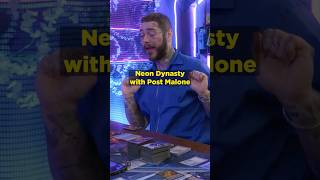
- Card game mechanics
- Technical explanation
Mechanics (from transcript analysis)
- Activated abilities — Abilities that have a cost before the colon and an effect after the colon
- Charge Counters — Special counters used to track ability usage
Video topics + discussion points
Quotes (from this video)
- everything before is the cost and everything after is the effect
References (from this video)

- Inefficient mana rock
- Unnecessary color fixing
- Mental overhead
- Easily disrupted
- Mana management
- Card game
Mechanics (from transcript analysis)
- Mana generation — Using cards to generate mana resources
Video topics + discussion points
Quotes (from this video)
- it's straight up bad bad
- how much that has to go wrong that I have five Mana sources and I don't have all five of my colors
References (from this video)
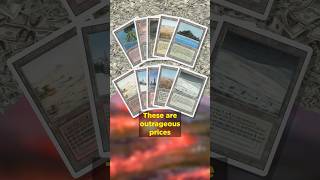
- Fetchable lands
- Dual land functionality
- Extremely high card prices
- Expensive dual lands
- Trading Card Game
Mechanics (from transcript analysis)
- Land Cards — Resource generation for gameplay
Video topics + discussion points
Quotes (from this video)
- we've been saying this for years
- you don't need them at all
References (from this video)

- Clarifies the essential distinction between replacement effects and triggers, reducing common misinterpretations in casual and organized play.
- Provides a concrete, real-world example set (Commander contexts and damage scenarios) that helps players recognize edge cases in rules discussion.
- Heavy terminology and dense logic can be daunting for new players; without prior rules background, comprehension may be challenging.
- The excerpted format limits broader coverage of related rules interactions beyond the given scenario.
- Strategic spellcasting, timed decisions, and card-driven power consolidation that interacts through complex rules texts.
- Multiverse of fantasy planes where players battle with spells, creatures, and artifacts across a broad interplanar backdrop.
- Rule-centric exploration of edge cases, illustrated via practical in-game examples and hypothetical scenarios.
- Magic: The Gathering (Commander format)
Mechanics (from transcript analysis)
- Damage modification in combat and spells — Damage that would be dealt can be increased or reduced by replacement effects (for instance, global burn from red-damage-enhancing effects) before any damage is actually dealt.
- Replacement effects — Effects that modify the outcome of spells or abilities before they would resolve, potentially changing damage, targeting, or other result-oriented aspects.
- Stack and resolution order — Players place spells and abilities on a stack and choose order for resolution; misunderstanding can lead to incorrect calculations of outcomes like damage dealt.
- Targeting and controller decisions — Determines who decides how effects apply when multiple parties are affected; the rules can allow the affected player or the controller to influence certain outcomes, which is a nuanced and often overlooked facet.
- Triggers vs. replacements — Triggers occur after certain events complete, while replacement effects modify the event itself; distinguishing the two is crucial for correct play sequencing.
Video topics + discussion points
Quotes (from this video)
- there's a two damage difference depending on how you stack these
- these are not triggers these are replacement effects
- whoever is being affected by the spell or the controller of the permanent being affected by spell it is completely up to the person being affected
- I had it written wrong I was so confident I don't know anything anymore
References (from this video)
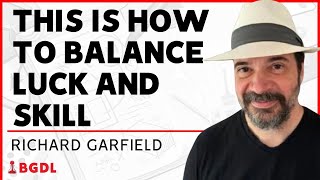
- Pioneered a revolutionary model for trading card games that defined an entire genre
- Deep, enduring strategic space with near-limitless deck-building permutations
- Strong community and ecosystem: frequent new cards expand play modes and themes
- High complexity and steep learning curve for new players
- Long-term investment and collection pressure can be daunting for casual players
- Balance is a constant maintenance challenge due to continuous expansion
- Collectible spell-based combat with a deep fantasy universe and a persistent growth arc through card release cycles
- Fantasy planes and realms with a rich, evolving lore where magic and mythical beings intersect in combat
- Lore-forward but primarily gameplay-driven with ongoing card-text interactions that expand the world gradually
- Rando chess
- Chess
- Poker
- Tic-tac-toe
- Go
Mechanics (from transcript analysis)
- Mana/resource-based play and combat — Card outs and spell resolution revolve around a mana economy, which is managed across turns and affects threat levels and defense options.
- Multiplayer collectible card construction — Players draft, build, and refine decks from a vast pool of cards each with unique abilities, creating emergent strategies and counter-strategies.
- Stack-based spell resolution — Spells and abilities resolve in a last-in, first-out order, enabling tactical counterplay and timing decisions that sculpt turn-by-turn drama.
Video topics + discussion points
Quotes (from this video)
- The amount of variance in G in the game is what I call luck; if there's a lot of swing in how it plays out among players of equal skill, that’s a measure of luck.
- I definitely see luck and skill as a continuum, not a dichotomy, with different payoffs depending on how the game is structured.
- Rando chess is chess plus a randomizer: you roll a die and if you roll a one, the winner is the loser; it demonstrates that even 'high-skill' games can harbor significant luck.
- Guess a digit of pi is a toy game that shows complexity can create luck; it’s deterministic but feels like luck for most people, which reveals how perceived luck can emerge from complexity.
- Bake luck in, don’t remove it entirely; let it shape the drama and the arc of play rather than being tacked on as a single mechanic.
References (from this video)

- Strategic depth
- Social interaction
- Creative deck building
- Complex rule interactions
- Complex rules for beginners
- Expensive to collect cards
- Potential for power imbalance
- Wizards battling with magical spells and creatures
- Fantasy world
- Competitive card-based strategy
Mechanics (from transcript analysis)
- Card drawing — Players draw cards from their deck to play spells and creatures
- Combat — Players attack each other with creatures and spells
- Mana resource management — Players use land cards to generate mana for casting spells
Video topics + discussion points
Quotes (from this video)
- Magic in particular just taught me how to think about games
- We didn't know the cards were going to be worth $1,000
- It gave us a platform to communicate and understand each other
References (from this video)

- Playful interaction
- Creative gameplay
- Targeting specific players
- Magic creature types and gameplay
- Playful conversation
- Humorous dialogue
Mechanics (from transcript analysis)
- Commander — Multiplayer format of Magic
- Tapping for Mana — Generating magical resources
Video topics + discussion points
Quotes (from this video)
- Where's your sense of friendship?
- Come out to the coast we'll get together play some Commander have a few laughs
References (from this video)

- Iconic cards and deep nostalgia tied to MTG’s identity
- Multiverse setting provides rich thematic material for discussion and fan engagement
- Groundbreaking design established enduring conventions for CCGs
- 30th anniversary edition signals a cultural moment and collector value
- Strong storytelling through card art and lore that sustains long-term interest
- Powerful, infamous cards (e.g., Black Lotus) contribute to balance concerns and market dynamics
- Nostalgia can complicate new-player onboarding when old cards carry outsized cultural value
- Collector editions can inflate secondary markets and create accessibility gaps
- Fantasy combat and strategy driven by a color-based mana system; artifacts and powerful spells shape tempo and deck archetypes.
- Magic: The Gathering operates across a multiverse of planes with distinct ecosystems, cultures, and conflicts. The discussion nods to the iconic status of foundational cards within this multiverse and the way retrospective editions curate a memory of those settings.
- Lore-rich with episodic cross-plane narratives; the game’s history is reinforced by landmark cards that become cultural touchstones.
Mechanics (from transcript analysis)
- Card draw and hand management — Players draw cards each turn and must decide how to curate a hand to execute plans while managing risk of running out of gas.
- color-based strategy and ramp — Different colors support distinct strategies (greed, speed, control, or combo). Efficient ramp and mana acceleration can dramatically alter late-game trajectories.
- Combat — Creatures attack and block, with damage resolving during the combat phase, allowing for strategic tempo plays and removal decisions.
- mana-based casting — Players generate mana from lands and mana-producing cards to pay the mana costs of spells, creating a resource management backbone to every turn.
- reprint economy and power milestones — Iconic cards (like Black Lotus) shape the economy and power expectations across formats, influencing why and how players value certain editions.
Video topics + discussion points
Quotes (from this video)
- Oh, it's the 30th anniversary edition.
- A black lotus. I knew these were the OGs of magic, but oh my goodness.
- Black lotus. Make a black lotus. Do a black lotus thing.
- I might need to do a black lotus. Not just because it's good, but because the table wants it.
References (from this video)
- huge, active community
- long lifespan with continual development and sets
- flexible entry points and formats
- ongoing cost to stay current with new sets
- collectible model can be financially demanding
- collectible card game with evolving metagame
- Fantasy universes across many IPs; ongoing card game
- lore-rich, player-driven narratives via card interactions
- Netrunner
Mechanics (from transcript analysis)
- Collectible Card Game — players build decks from a large pool of cards and duel
Video topics + discussion points
Quotes (from this video)
- board games are not pizza you should not order a box up its content
- board games are art they should be savored and appreciated and shared with friends
- variability and replayability are the same thing they're not
- core gameplay is the key
- you can play forever and ever
References (from this video)
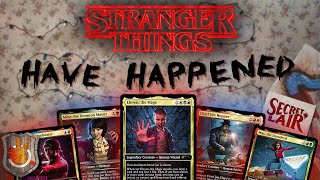
- Flavorful integration of Stranger Things and other IPs into MTG lore and gameplay
- Friends Forever mechanic provides a novel, contained two-commander dynamic
- Clue/investigate token ecosystem adds interactive pathways and deck-building opportunities
- Accessibility concerns due to limited-time Secret Layer release windows
- Potential balance and power concerns in Commander when integrating outside IPs
- Risk of perceived dilution of core MTG identity with heavy cross-IP content
- IP crossover and cross-media marketing within a traditional trading card game
- Fantasy multiverse with cross IPs; planes and crossovers across Stranger Things, Walking Dead, Godzilla, etc.
- Analytical/narrative discussion around design philosophy, balance, and player experience
- Walking Dead
- Godzilla
- Dungeons & Dragons
- Lord of the Rings
- Warhammer 40K
- Forgotten Realms
Mechanics (from transcript analysis)
- Friends Forever — A mechanic where seven legendary creatures share a 'Friends Forever' text that enables two commanders to be in the command zone at once if both have Friends Forever, creating a contained pairing ecosystem
- Goad / Attack-based Triggers — Creatures and attack-based effects that interact with opponents or ETB triggers, often tied to clue generation and artifact ecosystems
- investigate — Clue token system where clues are created or drawn via specific card abilities and can be spent for card draw or other effects; synergizes with other card interactions
- Transform / Flip Lands — Transforming lands such as Hawkins National Laboratory that flip to a different form with new abilities, adding a micro-arc within a single card
- Untap and Cast Spells — Mana acceleration through untapping spells and repeated casting, enabling explosive turns when paired with other mana engines
Video topics + discussion points
Quotes (from this video)
- universes beyond in general and i want to note before we start this discussion you and i both recently were featured in an article on ign
- the most important thing to me is not the integrity of like the game when you pull your opening hand and all of a sudden you've got three different ips in your hand
- cosmic soup is a great term for where magic might be going
- i would much rather they make strange things characters as legendary creatures that are mostly fine than a bunch of hole breachers
- the thing that matters to me is whether or not these cards make commander playable or unplayable
- it's nice that they plan to print in universe versions of these mechanically unique cards later so you can choose either version
References (from this video)
- Increases deck consistency and predictability over the long game
- Provides flexible options to respond to threats and opportunities
- Helps hitting land drops and ramp timing by smoothing draws
- Enables a broad range of strategies through tutoring and selection
- Too much draw can clog hands or reduce the perceived value of specific cards
- Draw-heavy decks may dilute other strategies or fail to address immediate problems
- Card draw is not a universal fix; situational board states can still overwhelm a draw-heavy deck
- Resource management, agency, and tactical interaction among players
- Multiplayer tabletop fantasy card dueling
- Analytical discussion with practical deck-building examples
- Reese the Redeemed
- Jin-Gataxis Core Augur
- Arcanis, the Omnipotent
Mechanics (from transcript analysis)
- card_advantage — Gaining value greater than or equal to opponents via spells, permanents, or effects that effectively provide more resources.
- card_draw — Effects that increase the number of cards in a player's hand beyond the immediate one-card-per-turn baseline.
- card_selection — Looking at multiple draw options and choosing which cards to keep or reorder to optimize future draws.
- cycling — Discarding a card to draw another, replacing a card with an improved option.
- Tutoring — Searching the library for a desired card and putting it into hand or revealing it to influence play.
Video topics + discussion points
Quotes (from this video)
- Card draw is any effect or spell or creature or just anything that has is going to increase the number of cards above what you would normally have by just drawing one the turn.
- Card advantage is the attrition war. My cards trade for your cards.
- Hitting your land drops. Hitting all your land drops.
- The winner eventually is the person that spent more mana over the game.
- Skull Clamp. It's a one mana for an equipment. Equip creature dies, draw two cards.
References (from this video)
- Tutor cards provide flexible outs and powerful search capability
- Out-based planning gives players a clear strategic framework
- Widely used in decision making and deck refinement
- Outs can oversimplify complex matchups
- Reliance on tutors may slow play or create stale game states in long games
- Board states and card availability can vary widely
- Resource management, combat, and strategic deck-building
- Fantasy multiverse of planes and magical conflicts
- Competitive strategic play; scenario-driven outcomes
- Magic: The Gathering
Mechanics (from transcript analysis)
- Card draw and library tutoring — Drawing cards to find needed answers; tutoring cards allow searching the library for targeted cards.
- Combat and direct damage — Combat phase and damage can be dealt to players or creatures; supports aggressive or defensive strategies.
- Life total — Players start with a life total (commonly 20) and lose when it reaches zero.
- Mass manipulation and board state control — Cards that affect multiple permanents or reset board states (e.g., overrun/overload style effects) and control tempo.
- Spell casting and mana resource management — Casting spells requires mana of different colors, managing available resources to play timing-sensitive effects.
Video topics + discussion points
Quotes (from this video)
- playing to your outs a very common way
- that's why tutors are so good if you playing to your outs a tutor is all of your outs
References (from this video)
- collectible card game; deck-building and strategic play
- Fantasy planes; multiverse
- lore-heavy but primarily competitive gameplay
- Star Wars: X-Wing
Mechanics (from transcript analysis)
- collectible card deck-building — players build decks from a large card pool and cast spells, summon creatures, and interact with each other
- turn-based phases and resource management — draw, main, combat, and end phases govern play; resource (mana) management drives decisions
Video topics + discussion points
Quotes (from this video)
- the majority of games get played at home
- miniatures agnostic means it's about the rules
- i still kind of hate the activation scheme
- i like things to be a little bit more back and forth
- the comments sections are toxic and nasty
References (from this video)

- Deck Building
Mechanics (from transcript analysis)
Video topics + discussion points
Quotes (from this video)
- I'm going to try this whole board game thing everyone keeps going crazy about
References (from this video)

- Encourages creative and chaotic interactions that create memorable moments
- Fosters social bonding and playful banter in casual settings
- Showcases emergent strategy from unpredictable card interactions
- Can produce volatile boards and confusing states for new players
- Gifting or swapping cards can disrupt balance in non-competitive groups
- Potential to strain friendships if play becomes too disruptive
- Transformation and copying effects that alter creature identity
- Fantasy multiverse; cross-plane interactions among players
- Lighthearted, banter-driven casual play
Mechanics (from transcript analysis)
- Commander play — Mentions of 'your commander' suggest a casual nod to the Commander format dynamics within the home group.
- Social/card gifting — Players gift or swap cards to influence the board state and social dynamics at the table.
- Transform / Copy — A creature becomes a copy of another creature you control, often dramatically altering power, toughness, and abilities.
Video topics + discussion points
Quotes (from this video)
- it's the most dangerous card in the home table
- Friends are kind of wack
- Kenrith's Transformation and I'm going give you a elk on what isan
References (from this video)

- Meld creates dramatic, high-stakes moments and deep cards interactions.
- Flavors and terminology (Phyrexia, Mishra) enrich the session's thematic immersion.
- The dialogue showcases strategic negotiation and real-time decision-making.
- Rules-explanation segments imply complexity that can overwhelm casual viewers.
- Emergent strategy may rely on specific card lines, reducing accessibility for newcomers.
- Potential ambiguity around how deals and terms are interpreted in play.
- Powerful combos, artifact-driven engines, and mythic confrontations between strategic factions.
- Cross-planar battles among the Multiverse's planes featuring artifacts, legendary creatures, and the color wheel of mana.
- Card-driven storytelling where flavor text and card interactions shape the perceived story of a duel.
Mechanics (from transcript analysis)
- Artifact engine — Engines built around artifacts (e.g., the Dragon Engine) to accelerate or win the game.
- Creature Combat — Typical attack/defend system with combat damage resolution.
- Graveyard/recursion — Cards and effects that interact with the graveyard to reuse threats or protect plans.
- Haste — Creatures with haste can attack or use abilities immediately upon entering the battlefield during the same turn.
- Meld — Two cards combine to form a single larger card with new abilities and power level.
- Temporary immunity — A one-turn immunity effect, protecting a permanent or player from interaction in that window.
Video topics + discussion points
Quotes (from this video)
- Mishra lost to phyrexia
- Mishra of course does not have the ability to attack without haste
- going to put these Grieves on the dragon engine
- the deal I would let you melt I did let
- you melt no no that wasn't the deal
- Gotta check with our lawyers really quickly here
- remember we promised to allow Prof to meld has he melded now I can do what I want
- I very much worded it
- what was I thinking
- thank you
References (from this video)
- Rich, expansive card pool enabling deep deck-building
- Strong social and tournament culture
- Multiple game modes (duel, multiplayer, commander)
- Clear, tangible sense of progression and puzzle-solving per card choices
- Creative potential to build around almost any card concept
- Can be very expensive for serious play
- Competitive pressure can be intense
- Complexity and learning curve can be daunting for newcomers
- Luck of the draw (land floods) can be frustrating
- Resource management, combat strategies, deck-building
- Fantasy duel between planeswalkers on a stylized battleground
- Netrunner
- Dice Throne
Mechanics (from transcript analysis)
- Card keywords and abilities — Cards can have keywords (e.g., flying) and abilities that interact in complex ways.
- Combat and combat damage — Creatures attack and block; damage equals power; blockers and combat outcomes determine casualties.
- deck-building — Build a 60-card (typical) deck from lands and spells before play, with limits and synergy.
- Instant and sorcery timings — Instants can be played any time; sorceries/spells have timing restrictions.
- Mana resource system — Play cards by paying mana produced from lands; mana is spent and replenished each turn.
- Tapping — Activating a card requires tapping it, indicating it has been used this turn.
Video topics + discussion points
Quotes (from this video)
- magic is an amazing puzzle to solve, there is this massive pool of cards you can draw from but only so many can go into your library
- the best thing about this game is looking at an innocuous card and thinking can i build a deck around this
- it's evil but it is brilliant
- with players of comparable skill and card quality magic is an intensely fun dueling game and can be a great social activity for a group of friends
References (from this video)

- Reduces the dominance of fast mana and overpowered combo elements in high-power play
- Potentially balances the field by removing rulers that enable unfair turns
- Encourages deckbuilding creativity and alternative strategies in casual and competitive play
- Affects players who own and enjoy powerful cards, diminishing value and nostalgia
- Uncertainty about long-term balance and meta shifts in Cedh
- Some listeners view bans as negative signals for the health of the format
- Resource management, tempo, and strategic card interactions
- Fantasy multiverse spanning multiple planes and color identities
- Competitive strategy with player-driven narratives via decks
Mechanics (from transcript analysis)
- Artifacts and enchantments — Permanents that provide ongoing effects, accelerants, and utility.
- Card drawing — Drawing cards to increase options and finding answers or threats.
- Combat — Creatures engage in combat; damage and blocking determine outcomes.
- Commander format dynamics — Decks built around a legendary creature that defines color identity and unique rules.
- Mana system — Players generate and spend mana to cast spells, creating tempo and resource management dynamics.
Video topics + discussion points
Quotes (from this video)
- I'm excited for all my cards to be worthless this is the best day ever
- I don't mind seeing them gone
- I think it's a terrible move
- I'm against bands I don't like
- these bands I think they're a bad call
References (from this video)
- Diverse events
- Creator meetups
- Live game sessions
- Artwork showcases
- Fantasy collectible card game
Mechanics (from transcript analysis)
Video topics + discussion points
Quotes (from this video)
- This is the biggest magicon ever
- You need more dice
- Three days of magic Mayhem and Dungeons and Dragons
References (from this video)

- Potential to gain extra land
- Helps players who are behind
- Can be a strategic trap
- Might benefit opponents
- Resource management
- Strategic card interaction
Mechanics (from transcript analysis)
- Land searching — Players can search their library for land cards
- Tempting offer — Card that offers benefit to all players with potential drawbacks
Video topics + discussion points
Quotes (from this video)
- if somebody's behind they're not going to say no to get an extra card
- it's never good to take the tempting offer it's a trap
References (from this video)
- Deep strategic space and long-term meta
- Huge player base and ongoing product support
- Complex for new players; steep learning curve
- Meta can be volatile with new expansions
- Strategy and deck-building competition with evolving card interactions.
- Fantasy world with multiverse planes and stories.
- Array
- Pokémon
- Hearthstone
Mechanics (from transcript analysis)
- deck-building — Players construct a deck from a large card pool to compete in matches.
- Resource management — Mana systems and card plays require strategic resource planning.
Video topics + discussion points
Quotes (from this video)
- Isle of Cats does a really great job of it
- it's got a fantastic proper game as i call it and a really good beginner's game as well
- make sure your board game makes an outstanding first impression
- but also continues to surprise and delight with subsequent plays
- Expansion material
- nobody needs this sort of stress in their life
- there are parallels to these business practices in the board game industry
References (from this video)

- Flexible ability usage
- Strategic deck manipulation
- Risky life point spending
- Fantasy combat
- Card game battlefield
- Player commentary
Mechanics (from transcript analysis)
- Life points — Player spending life points to activate abilities
- Surveilling — Looking at and potentially rearranging top cards of deck
Video topics + discussion points
Quotes (from this video)
- I believe in you man keep going
- This game's going to be over so fast if you keep spending life like this
References (from this video)
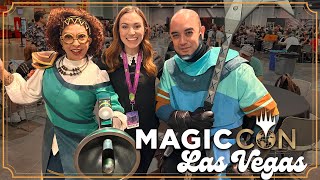
Mechanics (from transcript analysis)
- Trading Card Game — Collectible card game with strategic gameplay
Video topics + discussion points
Quotes (from this video)
- Magicon Vegas was an incredible experience
- I traded 42 dual lands in a bizar of Baghdad for this Lotus today
References (from this video)
- deep strategic depth and card interactions
- iconic and familiar entry point for many players
- strong long-term appeal for hobbyists
- intimidating for newcomers due to complexity
- commitment to learning and building competitive decks
- fantasy combat and card synergy
- Fantasy multiverse with planes and mana
- lore-driven living card game
- Pokemon Trading Card Game
Mechanics (from transcript analysis)
- Deck-building / card interactions — Players build decks and leverage card abilities to gain advantage.
- Summoning sickness — Creatures cannot attack the turn they are played, adding timing considerations.
- Tap/Untap — Resources (mana) are used by tapping and untapping cards to take actions.
Video topics + discussion points
Quotes (from this video)
- there's always room for family
- Magic the gathering is a living game and the amount of cards and abilities is always growing
- Fuse is a real time cooperative dice game
- the twist is the game has a strict 10 minute timer
- Werewords is a really simple game but the cool crossover between social deduction and word game
- Concept is a game that i hadn't played for a few years maybe but when we first got it it was one of my favorite games
- Cartographers is another one of those games that's really compact and you don't need much to learn it and start making your map
References (from this video)

- First modern board/card game for host
- Amazing two-player experience
- Easier to get into now with jump packs
- Still strong after all these years
- One of first competitive CCGs
- Might feel dated
- Negative comments expected
- Wizards battling with spells and creatures
- Fantasy multiverse
- Competitive card game
Mechanics (from transcript analysis)
- Collectible Card Game — Build decks from collected cards
- Combat — Summon creatures and attack to reduce 20 life points
- Spell Casting — Play spells for various effects
Video topics + discussion points
Quotes (from this video)
- What does it tell about the board game if you play it a lot - you don't have any other board games or it's really really good
- It's freaking amazing - one of the best games of all time
- Best story writing I have ever played in board games - it makes me feel things
- This is a game where you cannot lose
- All the heroes have died fighting these monsters and all that's left is well you
- There's a reason why this really old game is still on BGG's top 100
References (from this video)
- Festive framing around MTG product mentions
- Clear linkage between traditional MTG booster concepts and the holiday gifting theme
- Inclusion of recognizable MTG set references (Commander Legends, Collector Boosters)
- Limited in-depth gameplay discussion or analysis of card strategies
- Transcript brevity constrains broader context for newcomers
- Generosity vs. mischief, with a playful jab at competitive collecting
- Holiday-themed gift exchange set within a festive, game-night context
- Dialogic, festive skit centered on booster-pack discussions and holiday hierarchy
Mechanics (from transcript analysis)
- Card rarity distribution — Booster content with common, uncommon, rare, and mythic rare cards driving collection goals
- Collector booster emphasis — Premium boosters with higher odds of foil or specialty cards, used as desirable gifts
- Pack opening — Opening randomized booster packs to reveal cards of varying rarities
Video topics + discussion points
Quotes (from this video)
- OH, SANTA.
- IT IS I, SANTA, bringer of both gifts and vengeance.
- Now, Josh, you have been the nicest little boy, breaking all the Vegas odd books.
- I get a Commander Legends booster pack.
- I have gotten a Edge of Eternities collector booster.
- Oh, but Jet and Zach, please. We can talk about this.
- Though I am jolly, I am unforgiving. So your gifts will be a little crappier.
- I got a FALLEN EMPIRE Homeland.
- What a good pack to get.
- Oh my gosh. What does that mean?
- Merry Christmas. Merry Christmas everyone.
References (from this video)
- Iconic, deep and influential in the hobby
- Rich card interactions and strategic variety
- Can demand ongoing financial investment to remain competitive
- Complex format interactions may overwhelm new players
- Competitive collectible card game
- Fantasy multiverse with recurring planes
- Lores-based storytelling through cards
- Dominion
- Lord of the Rings: The Card Game
- Pokemon TCG
- Yu-Gi-Oh!
Mechanics (from transcript analysis)
- deck-building — Players build a deck from a large pool of cards and customize strategies.
- resource and mana system — Playing cards requires mana from lands; strategic resource management drives play.
Video topics + discussion points
Quotes (from this video)
- we're here to hang out and talk about an academic survey about war games and the kind of data that he's hoping to collect
- the data collection is staying open all the way through July 1st
- the market has definitely changed the composition of the game audience
- the bigger papers won't show up until early to mid 2025
- people wrote paragraphs, like High School essays on this
- please go complete the survey
References (from this video)
- Casual banter and dynamic in-game interaction that keeps the session lively.
- Visible tension and decision points around land drops that demonstrate tempo considerations.
- Transcript-level limitations make specific card interactions hard to verify.
- Humor-centric commentary may obscure precise rule interpretations for newcomers.
- Themes of resource management, tempo, risk versus reward, and archetypal battles between different color philosophies and card types.
- The Magic: The Gathering multiverse, a sprawling collection of planes such as Dominaria, Zendikar, Ixalan, and many others, each with its own ecosystems, factions, and legendary histories. The setting provides a flexible backdrop for abstract strategic competition where players assume the roles of powerful planeswalkers commanding armies of spell and artifact synergy.
- Card-driven storytelling; the narrative emerges through card flavor, tribal synergies, and key moments rather than a fixed campaign narrative within the gameplay session.
Mechanics (from transcript analysis)
- Card-based permanence — Spells, creatures, enchantments, and artifacts transition the game state and shape ongoing strategies.
- Discard interactions — Some cards reference discarding cards or sacrificing lands to enable effects or chain plays.
- Mana system / land drops — Players play land cards each turn to generate mana used to cast spells and summon permanents.
- resource management and tempo — Players balance mana availability, land count, and tempo to pressure opponents while protecting avenues of play.
- Tap/Untap and timing — Activation of abilities requires tapping; untap steps reset available actions each turn.
Video topics + discussion points
Quotes (from this video)
- YOU DON'T CONTROL.
- What are you doing? Fine. You don't really need swamp.
- Punished by my own silliness.
- Disgusted.
References (from this video)

- Encourages practical organization to support quick deck-building and trades
- Applicability across multiple formats and play styles
- Easily discussed in the context of collection management and display
- Not a conventional board-game experience; entry is meta-analysis rather than a game review
- MTG ecosystem is dynamic, so fixed metrics may quickly become outdated
- Collecting, deck-building, format-specific play
- Fantasy plane-based universes
- N/A
- Commander Legends
Mechanics (from transcript analysis)
- deck-building — Create a 60+ card library from a pool of cards, tailored to a chosen strategy and format.
- format_constraints — Formats (e.g., Commander, Modern, etc.) dictate which cards may be included and how decks are constructed.
Video topics + discussion points
Quotes (from this video)
- without a method it's madness
- it's all about function
- go forth and organize today
- hopefully the visuals we give you are going to be a little bit more elucidating
- it's a space-efficient way to organize your collection
- deck building is a high priority
References (from this video)

- Strategy card game
Mechanics (from transcript analysis)
- Card draw — Using Howling Mine to gain additional cards
- Sacrificing — Player mentions sacrificing a card with Braids
Video topics + discussion points
Quotes (from this video)
- I just got to hope I top deck something that draws me more cards
- Thanks for nothing
References (from this video)

- Sci-fi card game narrative
- Spaceship
- Role-playing storytelling
Mechanics (from transcript analysis)
- Card-based combat — Using game cards as action and combat mechanisms
Video topics + discussion points
Quotes (from this video)
- This is the most ambitious thing that we've ever done in our decade here now at the command zone.
- We just thought it would be cool. We thought the community would like it.
- Without EDHRC support, it would have been really hard to do this.
References (from this video)

- elegant, deep design
- enduring depth and breadth
- requires ongoing collection and upkeep
- collectible card game
- fantasy realm with spells
- lore-driven
Mechanics (from transcript analysis)
- card collection / deck building — build and refine decks over time
- strategic depth with evolving rules — core mechanics remain simple but depth grows with sets
Video topics + discussion points
Quotes (from this video)
- this is my absolute favorite
- mind is bent it is broken when you try to teach this game
- it's a different style of Euro game
- it's all in the dice combat
- you could be into this Miniatures game for under $20
- it's just such a fun game
- the board is beautiful
- it's 100% the best Star Trek game ever designed
References (from this video)

- Scryfall provides powerful search and filtering for finding cards.
- Advanced search and syntax help narrow down large pools.
- Scryfall tags and the tagger feature enable semantic, strategy-driven searches.
- EDH Rec rank sorting and result refinements save time when building decks.
- Prints, legality, and color identity information are accessible in one place.
- Learning curve for syntax, especially for new users.
- Some complex searches can yield broad results if not carefully constructed.
- Block filters can exclude commander product cards, requiring awareness of edge cases.
- Spellcasting, combat, deck-building
- Fantasy multiverse, planeswalkers, mana
- n/a
- EDH Rec
- Architect (online deck-building tool)
Mechanics (from transcript analysis)
- Color identity — Defines what cards can be included in a Commander deck based on mana symbols in the card's cost and rules text.
- Commander format (EDH) — A multiplayer format where players construct a deck around a legendary creature (the commander) with color identity constraints and unique interactions.
- Oracle text — Official, updated rules text for cards; used to determine interactions and rulings.
- Printings and format legality — Cards exist in multiple printings; legality varies by format (Commander, Modern, etc.).
Video topics + discussion points
Quotes (from this video)
- I am obsessed with scryfall
- this is the Google of magic cards
- the world of magic cards this episode
- the advanced search page handles a lot of the heavy lifting
References (from this video)

- Live audience interaction and banter adds energy to the session
- Inclusion of collector booster product as a promotional moment
- Readability/readability of shirt discussed; not directly related to game
- Limited context for full game-state; based on a short excerpt
- Fantasy warfare, resource management, strategy
- The multiverse of MTG; duels in a competitive arena
- Competitive duels with emergent storytelling
Mechanics (from transcript analysis)
- Card drawing — Draw cards to gain options.
- Creature Combat — Attack and block with creatures to deal damage.
- hand/board state management — Strategic decision making based on hand and battlefield.
- mana/resource management — Use mana to cast spells and activate abilities.
- spell casting (instants and sorceries) — Cast spells during turns to affect the board.
Video topics + discussion points
Quotes (from this video)
- gosh you have three creatures coming at you
- you've done six damage to me
- this collector booster as a thank you
- half the audience is wearing that shirt
- could you read that shirt from up here
References (from this video)
- Extremely popular
- Deep strategy
- Collectible model
- Randomness in boosters
- Expensive to maintain
- fantasy
- magic
- Yu-Gi-Oh
- Living Card Games
Mechanics (from transcript analysis)
Video topics + discussion points
Quotes (from this video)
- board games are diverse but card games really could feature anything
- players are all doing this simultaneously and so you want to be the player that stays in the longest
- if you turn over to many matching cards then you end up with nothing
- auction games are are well served by the sort of card game mechanisms
- play very quickly for three to six players
- an excellent excellent game
- take that card games or I think the most combative sort of card games
- totally silly extremely random but essentially we're playing cards to attack other players
- still one of my favorite games
- each card is a floor on a building
- there's a whole genre of what we call take that card games
- you could place bombs or or murderers into these buildings or the police can then take away a murderer
- Seven Wonders was the sort of figurehead for the cloud drafting games
- sushi go has been an enormous hit
- now the figurehead for the genre is probably sushi go
- deck building was created really by the game of Dominion
- there's something delightful about the simplicity of a game like Dominion
- you can teach to people really easily and play very very quickly
- a form of set collection again
- classic tableau builder would be something like San Juan
- this is a fantastic card game
- buying cards laying them out in front of us and they're going to keep generating us money
- this really is one of my favorite genres
- anybody can play these games and not everybody can play them well
- I love speed games I think it's a fantastic category of card games
- trick-taking games very very straightforward in their basic format
- the basic mechanism can be turned into all these different games
- all tweak it slightly in different ways
- my top ten card game mechanisms
- hopefully I've given you a broad picture of the world of card games
References (from this video)
- Iconic status in gaming culture
- deep strategic depth and long-tail replayability
- head-to-head interaction and tension
- Complex for newcomers
- Non-traditional board-game format for some audiences
- Arcane combat and resource management
- Fantasy plane-based duels with spellcasting
- Competitive face-to-face duels with evolving card interactions
- Innovation
- Love Letter
Mechanics (from transcript analysis)
- collectible/drafting-like deck-building — players assemble a deck by drafting or adding cards to cast spells and creatures
- life-point combat — players aim to reduce opponents’ life total to zero
- Mana-based resource system — color-coded mana accelerates or constrains spell casting
Video topics + discussion points
Quotes (from this video)
- my default would probably be innovation by carl chadwick
- you're my soul mate
- pre-meeple built he performed as a comedian and a magician
- meepleville board game cafe in las vegas
- it's a huge upgrade
- the board game quiz show by going analog
References (from this video)

- Strong art and flavorful color identity
- Engaging mana symbolism in gameplay
- Longstanding design with deep strategic space
- High complexity for new players
- Rule-heavy for casual players
- Mana as resource shaping strategic choices; color identity and flavor
- Fantasy multiverse with planar travel and color-coded mana
- humorous casual commentary about art and game mechanics
Mechanics (from transcript analysis)
- Drawing Cards — Players draw cards to increase options each turn.
- Mana system — Colored mana sources must be tapped or generated to pay spell costs, linking color identity to gameplay.
- Spell Casting — Players cast spells by paying mana costs from their mana pool.
- tap/untap cycle — Card or land cards can be tapped to produce mana; taps as a resource management mechanic.
Video topics + discussion points
Quotes (from this video)
- Delicious green mana. And the art here is better.
- They say it's better when you tap with the good art.
- Famously.
- Many people are saying this.
- Phil told me. He called me one night.
References (from this video)
- Defined the deck-building genre
- Vibrant fantasy setting
- Can be expensive to collect
- Competitive card battles
- Fantasy world
- Non-linear, evolving through expansions
- Dominion
- Ascension
Mechanics (from transcript analysis)
- deck-building — Players build a deck from a pool of cards to battle opponents.
- Resource management — Mana resources used to cast spells.
Video topics + discussion points
Quotes (from this video)
- be more boring if the audience anticipated a particular plotline
- the beauty of wingspan is not that it's innovative it's that it's gloriously masterfully boring
References (from this video)
- Still one of the best advanced two-player games
- 30 years strong and still popular
- Great with starter decks or commander decks
- Balanced dual deck options available
- Very expensive hobby with boosters
- Requires understanding deck building concepts
- Extensive rules with 20-mile-long FAQ
- Collector mentality makes it costly
- Trading card game
- Fantasy
- Abstract head-to-head competition
Mechanics (from transcript analysis)
- card effects — Different creatures and effects with complex timing rules
- Deck building — Collecting and building custom decks
- Resource management — Managing mana and card plays
Video topics + discussion points
Quotes (from this video)
- through the Ages it has basically killed the physical version of this game with the app and I'm the bad guy
- Magic the Gathering is still one of the best Advanced two-player games out there
- this is basically if you took the Pixar movie Inside Out and turned it into a giant three hour Euro game
- I pretty much I you can convince me to play this for free I will outright refuse to play it with four
- this is just one of the best Star Wars games that's out there
- I love this Euro this euro is so much fun it has climbed up my top 100
- give me a game that gives me a lot of options you know it's not a case of oh it's so tight
- it's gonna be an absolute blast
- this game has a ton of rules the FAQ is 20 miles long