Collection Status
Your Rating
Description
Elegant, graceful, and refined – that’s how you should design your Japanese garden! Careful planning and watchful eyes are needed as you tend your garden. Only by skillfully placing stones, bushes, trees, ponds and pagodas on multiple levels can a player become the best garden designer of the season. Think you’ve got it figured out? Try one of the five included expansions!
—description from the publisher
Year Published
2019
Transcript Analysis
Browse transcript mentions, sentiments, pros/cons, mechanics, topics, quotes, and references.
Total mentions: 8
This page: 8
Sentiment:
pos 8 ·
mix 0 ·
neu 0 ·
neg 0
Showing 1–8 of 8
Video becIwihoVWU
Chairman of the Board game_review at 0:00 sentiment: positive
video_pk 11479 · mention_pk 33784

Click to watch at 0:00
Overall sentiment (raw)
positive
Pros
- Deep, elegant puzzle that rewards planning and foresight
- Vertical dimension adds a satisfying multiplier mechanic
- Highly customizable via modules for replayability
- Tension and interaction through tile grabbing and majority scoring
Cons
- Player boards are flimsy/cardboard and can warp
- Color-blind distinguishability can be challenging for some tokens
Thematic elements
- Zen garden aesthetics, vertical building, majority scoring
- Stylized Japanese garden/building environment with vertical growth and tile placement
- abstract spatial puzzle
Comparison games
- Number Nine
Mechanics (from transcript analysis)
- Area majority and end-game bonuses — Score based on majority of symbols and tier-based end-game bonuses.
- modular expansions — Optional modules alter scoring and introduce new scoring opportunities (e.g., zen gardens, frog).
- Pattern building with vertical stacking — Place tiles on escalating levels to unlock multipliers for scoring.
- Restriction tokens — Tokens move to restrict future placements, shaping strategic options over the game.
- tile drafting — Draft a tile from a display and place on your board, constrained by row/column rules and future-blocking tokens.
Video topics + discussion points
No key topics recorded for this video.
Quotes (from this video)
- I really enjoy these puzzly style games where you're trying to fit shapes together to get points in different ways and I particularly love it when games like Miyabi do it to a whole new dimension where you can build vertically as well as horizontally
- the restrictions add so much more in than you'd initially think
- mechanically this game is so so simple and so elegant
- I massively prefer Miyabi to Number Nine
- this is a lovely game
- the interaction between the players is pretty much based on the tension of grabbing the tiles
References (from this video)
No references stored for this video.
Video D23pxUErRiE
general_discussion at 3:42 sentiment: positive
video_pk 10798 · mention_pk 31879

Click to watch at 3:42
Overall sentiment (raw)
positive
Pros
- New title from HABA
- Elegant tile-placement mechanics
Cons
none
Thematic elements
- garden design
- Japanese-inspired garden
Comparison games
none
Mechanics (from transcript analysis)
- tile placement — place tiles to build and optimize garden patterns and scoring
Video topics + discussion points
No key topics recorded for this video.
Quotes (from this video)
- "I played a lot of smaller games"
- "we didn't get to sample any of those eight"
- "Don't Get Got"
References (from this video)
No references stored for this video.
Video zF3rDMbl020
Chairman of the Board top_10_list at 19:46 sentiment: positive
video_pk 8268 · mention_pk 24222

Click to watch at 19:46
Overall sentiment (raw)
positive
Pros
- Highly tailorable to player group
- Wide variety of scoring paths keeps replayability high
- Excellent table presence and tactile components
Cons
- Not as widely known as other Kiesling designs
- May require onboarding for very new players
Thematic elements
- polyomino tiling with stacking and restricted placements
- medieval Japan-inspired tile placement and sculpture building
- elegant, modular design
Comparison games
- Lords of Waterdeep
- Stone Age
- Calico
Mechanics (from transcript analysis)
- Polyomino-like scoring — Score for empty spaces and largest connected region; table presence rewarded.
- Tiered rule complexity — Tailorable rules let you drip in advanced twists over time.
- tile placement with column restrictions — Place tiles in columns with placement rules that create strategic tension.
Video topics + discussion points
No key topics recorded for this video.
Quotes (from this video)
- it's absolutely fantastic how engaging this game is
- i've never had a duff game of this one
- this one should be considered one of the best party games out there
- this game did have a couple of production issues as well
- this game is unbelievable good it has so many things that people like
References (from this video)
No references stored for this video.
Video jINNUoW2010
Gaming with Edo top_10_list at 8:25 sentiment: positive
video_pk 5918 · mention_pk 17529

Click to watch at 8:25
Overall sentiment (raw)
positive
Pros
- solid flow from tile placement to scoring
- well-known designer makes it appealing to Azul fans
- strong group play across varied groups
Cons
- might feel familiar to fans of Kiesling's other titles
- the zen garden theme is not universally loved
Thematic elements
- tile-laying and symmetry
- Zen garden aesthetics
Comparison games
- Azul
Mechanics (from transcript analysis)
- pattern-building — Strategic placement to maximize collective garden score.
- Tile-laying — Place tiles to create patterns and pathways for scoring.
Video topics + discussion points
No key topics recorded for this video.
Quotes (from this video)
- I dug it I thought it was super cool and interesting and it just worked.
- it's heavier it's like a denser worker placement game with this giant board.
- the best unlock that has been done to date.
- this is truly a cooperative family-friendly experience.
- My City is a Kanensia game but this is a legacy builder … it increments nicely and stays fresh.
References (from this video)
No references stored for this video.
Video zgPVVoQl_VU
Chairman of the Board analysis at 7:49 sentiment: positive
video_pk 5259 · mention_pk 15552

Click to watch at 7:49
Overall sentiment (raw)
positive
Pros
- clever sequencing and scoring via modular scoring paths
- accessible but with meaningful depth
Cons
none
Thematic elements
Comparison games
none
Mechanics (from transcript analysis)
Mechanics unknown.
Video topics + discussion points
No key topics recorded for this video.
Quotes (from this video)
- Mandala blew me away this year
- Chinatown is the best negotiation game out there
- barrage is a 10 out of 10 game for me
References (from this video)
No references stored for this video.
Video FqKfdAlRLxM
Cardboard Herald interview at 35:30 sentiment: positive
video_pk 5279 · mention_pk 15686

Click to watch at 35:30
Overall sentiment (raw)
positive
Pros
- deep strategic depth for a family game
- beautiful components and visuals
- good entry point to heavier strategy
Cons
- steeper learning curve for newcomers
Thematic elements
- aesthetics and tile-based scoring
- Japanese-inspired interior design and tiling motifs
- elegant, strategic
Comparison games
- Azul
Mechanics (from transcript analysis)
- pattern building / tiling — placing tiles to form mosaics and maximize scoring opportunities.
- tile drafting — players draft tiles to create patterns and score based on placement.
Video topics + discussion points
No key topics recorded for this video.
Quotes (from this video)
- Habba actually has child psychologists on staff, which informs our game development and age ratings.
- The difference in the amount of fun that you have as an experienced gamer and engaging something even like my First Orchard.
- Miyabi is very simple to get up and start learning and to play but then there's a lot of strategic depth and potential in that game.
- Color It works super well over Zoom or Skype and coloring sheets are available online.
References (from this video)
No references stored for this video.
Video khVt8nzIk7c
Unknown Channel top_10_list at 14:36 sentiment: positive
video_pk 4117 · mention_pk 12058

Click to watch at 14:36
Overall sentiment (raw)
positive
Pros
- family-friendly puzzle with depth
- tailorable complexity via modules
- tight scoring across fronts
Cons
- some modules add complexity and length
Thematic elements
- pattern building and area scoring
- feudal Japan tile-placement
- puzzle-driven strategic tile laying
Comparison games
none
Mechanics (from transcript analysis)
- layered modules — modules can be added to increase complexity and interactivity
- tile placement with column restrictions — place tiles to create columns; placing a symbol blocks further placement in that column for the remainder of the round
Video topics + discussion points
No key topics recorded for this video.
Quotes (from this video)
- it's basically a race to deploy or all your influence markers on the board
- this screen really did blow up this last year or two and rightly so
- it's a classic; it feels like I'll be playing this in five or ten years time
- Hidden Gem
- insanely clever
References (from this video)
No references stored for this video.
Video aWf9Wr8kmF4
Before You Play playthrough at 0:05 sentiment: positive
video_pk 1623 · mention_pk 4700
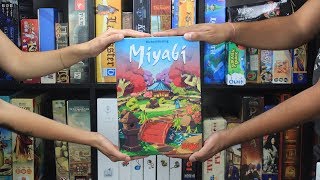
Click to watch at 0:05
Overall sentiment (raw)
positive
Pros
- multi-layer strategy that remains approachable through clear mechanics
- tight tile-drafting and placement decisions create meaningful tension
- high production quality and components (with minor quibbles about one element)
- strong replayability via modular extensions and tile variety
- clear end-game scoring via symbol majorities adds a satisfying arc
Cons
- learning curve can feel steep for newcomers to abstract tiling games
- tile droughts or blocked placements can stall rounds and lead to suboptimal turns
- bonsai component is a minor fragility and some pieces can feel flimsy
Thematic elements
- order, balance, and beauty through tile-driven garden construction
- Japanese garden design and tiling, with multi-layered garden aesthetics
- abstract strategy
Comparison games
none
Mechanics (from transcript analysis)
- expansion modules — The game supports extension modules that alter scoring and setup for added replayability.
- layered scoring — Scores are computed as the number of objects on a tile multiplied by the tile's level; higher levels increase the multiplier for future placements.
- level bonuses — When a symbol reaches a higher level, the player may claim a bonus tile that grants additional points.
- majority end-game scoring — At game end, players tally exposed symbols; the highest counts earn majorities and points.
- placement constraints — A drafted tile must be placed so its symbol aligns with the corresponding symbol on your board; placement also drives where lanterns/objects are placed.
- round-based progression — Six rounds in a 2-player game (fewer rounds with more players); each round tightens the decision space as tiles stack and columns/rows fill.
- tile drafting — Players draft tiles from a shared pool, selecting tiles that advance their board setup.
Video topics + discussion points
No key topics recorded for this video.
Quotes (from this video)
- it's surprisingly difficult
- the layers of strategy are rich
- these single tiles they're great and frustrating at the same time
- the component quality is fantastic
- it's fantastic
- it's tough
References (from this video)
No references stored for this video.
Transcript Navigation
Showing 1–8 of 8