The new moon is a symbol for a new beginning, the perfect time to start something new and to plan your future — and that is what Nova Luna (lat. for new moon) is all about. In each round of this abstract tile-laying game, you have to plan your future anew, developing a new strategy to cope with what the moon wheel has to offer you.
On each turn, you have to decide which new tile from the moon wheel to place in front of you. Every new tile brings a new task you have to fulfill. In order to do so, you need to place tiles of the correct color adjacent to the task you want to complete, but these of course again bring you new tasks. Each time a task is solved, you may place one of your markers on it. So decide wisely and be the first one to place all your markers.
—description from the publisher

Mechanics (from transcript analysis)
Video topics + discussion points
Quotes (from this video)
- we own a copy of that and we've never played our copy
- we're a family of collectors
- we could probably play that during the gameon ship
- it's going to be awesome we're going to have so much fun
- return to Dark Tower and we've never played our copy
References (from this video)
- light and approachable
- good variety in scoring options
- perhaps a bit light for heavier gamers
- abstract puzzle
- pattern-building with card drafting
- Uwe Rosenberg titles (in vibe)
- other light card/placement hybrids
Mechanics (from transcript analysis)
- card_drafting — draft cards to perform actions and shape scoring
- polyomino_placement — place shapes on a personal board to optimize points
Video topics + discussion points
Quotes (from this video)
- probably my favorite tire placement game of all time
- this one is like a companion game to el grande
- Arc Nova certainly the hotness at the moment
References (from this video)

Mechanics (from transcript analysis)
Video topics + discussion points
Quotes (from this video)
- it's fall it is Halloween season
- Leaves come to the ground
- Applejack ... fall season
- Seven Wonders because fall is one of the seven wonders of the seasons
- stew is a button shy game
- you gotta clear them to make more room coffins
References (from this video)
- Considered a standout Rosenberg design
- Engaging color/pattern interaction
- Not ideal at suboptimal player counts
- Some may find it overly abstract
- Tile placement and color strategy
- Abstract tiling with color palettes
- Tile-placement race with palette constraints
Mechanics (from transcript analysis)
- pattern/area scoring — Complete patterns across the board for points.
- Race to complete palettes — Players race to complete color palettes and scoring opportunities.
- tile placement — Place tiles to fill patterns and start/continue lines of play.
Video topics + discussion points
Quotes (from this video)
- This is a very nasty auction style game.
- I think it's a great design.
- One of my favorite games if not my favorite game.
- It's nice that it plays in about 30 minutes.
- I think it's a wonderful design.
References (from this video)
- Engaging and accessible puzzle with depth
- Clear progression and satisfying visual design
- Online play can be fiddly and may require setup
- Some may find the rule subtleties non-obvious without play
- Pattern-building and tile-placement to satisfy goals
- Abstract puzzle with lunar motif
- Puzzle/strategy emphasis
- Patchwork
- Sagrada
Mechanics (from transcript analysis)
- Goal-oriented placement — Choose tiles to advance toward completing specific colored/dotted goals
- pattern-building — Create configurations to fulfill tile-based objectives
- tile placement — Place moon tiles to build patterns and meet goals
Video topics + discussion points
Quotes (from this video)
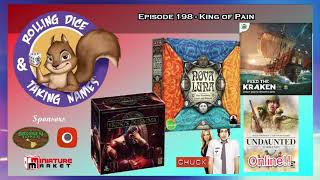
- it's time for another episode of rolling dice and taking names
- Nova Luna I like this a lot more than patchwork
- whoever completed their 20 disks first is the winner
- we had a fabulous time
- Chuck is now on Amazon Prime
- it's not about victory points in Nova Luna
- I love Chuck
- this is a very strategic game
References (from this video)
- Elegant, streamlined flow
- Strong puzzle feel with accessible rules
- May feel repetitive for very long play sessions
- Less variability for some players over time
- Tile-laying and pattern matching
- Abstract color/tile puzzle
- Pure abstract puzzle
- Patchwork
Mechanics (from transcript analysis)
- color matching / pattern planning — Tiles must fit color adjacency and pattern rules
- rondelle time-track — Move on a roundel; turns are tied to tile values
- tile drafting — Draft colored tiles with a time-track twist
Video topics + discussion points
Quotes (from this video)
- it's a very smooth game and very little complication
- it's a lovely example of catering to a wide and versatile audience
- it's a fantastic example of a bidding game and a racing game
- this game is one of the most tense games I've ever played
- I cannot praise this game enough it's amongst my favorite games of all time
References (from this video)
- puzzle-like decisions
- streamlined and accessible
- theme light, some players may want tighter narrative
- tile placement to hit color objectives
- patchwork rondelle with color-tile objectives
- puzzle-focused
- Qwirkle
- Rajas of the Ganges
Mechanics (from transcript analysis)
- patchwork-style rondelle with tile objectives — collect and place tiles to satisfy objective conditions
Video topics + discussion points
Quotes (from this video)
- this one might be the most diverse one
- i thought this game had some really tacked on mechanisms that just did not need to be there
- this is basically a kids game
- it's striking, but not everything lands
- a very solid gateway game
- goa is a great example of classic euro design
References (from this video)
- clever time-track mechanism
- tight, clean design
- family-friendly
- may feel solitaire to some players
- art style and themes may polarize
- color matching and route drawing
- tile-laying puzzle on rondelle
- tight, puzzle-like gameplay
- Patchwork
Mechanics (from transcript analysis)
- tile placement — draft and place tiles to map colors and connect tasks
- time-track rondelle — the time track delays turns until others catch up, creating strategic pacing
Video topics + discussion points
Quotes (from this video)
- it's basically a race to deploy or all your influence markers on the board
- this screen really did blow up this last year or two and rightly so
- it's a classic; it feels like I'll be playing this in five or ten years time
- Hidden Gem
- insanely clever
References (from this video)
- Accessible, elegant tile-placement puzzle
- Encourages planning and multi-objective sequencing
- Tight, tactical decision-making with multiple viable paths
- Market randomness can affect long-term planning
- Requires substantial table space to visualize the board and objectives
- Pattern building through color-adjacent objectives
- Abstract tile-placement puzzle around a central ring and market of tiles
- Procedural puzzle-driven playthrough
- Calico
- Patchwork
Mechanics (from transcript analysis)
- market_and_refill — Draw tiles from a market; optionally refill to refresh available options.
- objective_tokens — Complete color/adjacency-based objectives to advance toward the win condition.
- tile_placement — Place tiles to form adjacency patterns that satisfy objective tokens.
- time_track — Movement cost/time to place tiles; impacts future actions and objective fulfillment.
Video topics + discussion points
Quotes (from this video)
- We were able to get in just under the line and win the game.
- Just like that they have a single objective left to complete in order to end the game.
- Let's refresh the market and we'll have it three shots and a better tile.
References (from this video)

Mechanics (from transcript analysis)
Video topics + discussion points
Quotes (from this video)
- it's a beautiful kind of story
- you need to play with the right group
- it's not cute
- it's like comfort food games
- the rules are simple
- oh my god it's so good
- it's a ramp... chaos
- this is an easy one to just flick some discs around
References (from this video)
- Clear teaching, short playtime, deep strategic depth for an abstract game
- Elegant interaction via shared moon wheel and color tasks
- Can be fiddly to track color adjacency rules
- some players may prefer more thematic games
- color matching and pattern building
- abstract, grid-based tile placement with lunar imagery
- none
Mechanics (from transcript analysis)
- moon track turn order — turn order determined by markers on a circular moon track
- pattern/color matching — satisfy tasks by connecting colors and backgrounds to form color chains
- tile drafting — each turn you select one of the three next tiles from the moon wheel and move along a track by the tile's value
- tile placement — place tiles orthogonally adjacent to build a personal tableau
- token management — tokens are used to cover completed tasks; end when a player uses their last token
Video topics + discussion points
Quotes (from this video)
- Nova Luna designed by Uwe Rosenberg and Corné van Moorsel
- tiles depict a cost in time as well as tasks that players will try to accomplish
- the game ends immediately after a player uses their last token