Three years in the making, Oceans is a stand-alone game in the award-winning Evolution series. With over 120 works of art, 40 scenarios cards, and more than 100 unique trait cards, Oceans is the most ambitious project North Star Games has ever tackled.
Theme
Oceans depicts the boundaries between the known world near the ocean’s surface, and the mysteries lurking in Earth’s deepest unexplored region. Enter a vast, underwater cosmos: a mysterious interconnected world of sharp teeth, glowing eyes, and black ink, where your survival depends on your ability to adapt to the unknown.
The foundation of the oceanic food chain are billions of one-celled organisms called phytoplankton that capture the sun's energy through photosynthesis. Every other species in the ocean is a predator, each bigger than the next, all the way up to the dreaded Apex Predator. And even bigger than Apex Predators are enormous Whales that gently swim through the ocean scooping up everything in their path. This ecosystem mimics the known world near the surface.
But there is more if you are willing to dive deeper...
Oceans also includes a deck of 100 unique power cards called The Deep that represents the unknown. These powerful cards break the seams of the reality you've come to accept, ranging from astonishing things found in the ocean, to the fantastical Kraken or Leviathan.
Gameplay
Oceans is an interactive engine builder, where players evolve their species in a continually changing ecosystem. Players must adapt their interconnected ecosystem to survive against the inevitable march of time (Aging), as well as a multitude of predators looking for food.
During the first half of the game, players use traits from a deck of Surface cards to modify their species. With only 12 Surface traits, it’s easy to wade into your first game without being overwhelmed by new cards. These traits were chosen for their rich thematic interconnections, providing synergistic card play that mimics an oceanic ecosystem. The Surface traits bring stability to the game environment.
During the second half of the game, players can use power cards from The Deep to disrupt the stability. With over 100 unique traits in The Deep, players will slowly discover game-altering traits over the course of many games. These traits were designed to evoke wonder and disbelief - to spark your imagination as you consider the fantastic synergies that are possible in Oceans.
Additionally, there are 2 randomly chosen scenario cards that activate and deactivate at various points during the game. The scenario cards impact the basic tenets of gameplay, encouraging people to vary their play style and strategy each game.
The Evolution Series
Oceans is a stand-alone game in the Evolution series, but it's a vast departure from other games in the series. The turn structure has been simplified, the game play is much more forgiving, and the web of interconnections has increased dramatically. Whereas Evolution has the feeling of a traditional back-and-forth battle game like Magic: The Gathering, Oceans has the feel of an interactive engine builder where everything is interconnected, and where your engine must continually adapt to a changing environment.
Join the Oceans Discord community for rule questions, strategy discussions, and to get involved in future playtesting.

- Beautiful art, high variability, deep strategy
- Complex for new players
- Evolutionary dynamics and ecological interaction
- Oceanic ecosystem
- science-informed yet approachable
- Evolution
- Oceans (expansion)
Mechanics (from transcript analysis)
- deck-driven interaction — Fish tokens and state boxes influence actions and scoring
- trait deck / evolving ecosystem — 11-trait deck; evolving interactions among species; cards trigger fish movement
Video topics + discussion points
Quotes (from this video)
- we just finished our first playthrough of Copenhagen the deluxe edition
- Kickstarter this fall with analog games means it's a game where you are constantly trying to meet the demands of the King
- four paths to victory
- table presence is incredible
- everyone was so welcoming and I can't wait to go back
- subscribe to our Channel
References (from this video)
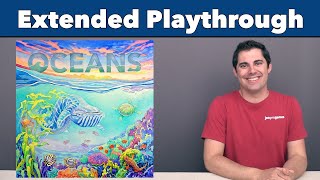
- Rich, dynamic interactions among many species and trait synergies
- High variability due to trait decks, deep cards, and scenario events like Cambrian explosion
- Thematic flavor is strong, with recognizable ecological concepts (predators, cleaners, symbiosis) driving decisions
- Replayability is high due to multiple trait combos and evolving board states
- Complex rule set that can be intimidating for new players
- Endgame can swing dramatically due to population explosions and overpopulation penalties
- Balance can shift depending on deep cards and scenario cards, which may favor certain strategies in a given session
- Predation, symbiosis, competition, ecological balance, and population management across ocean zones.
- Oceanic ecosystem with reef zones and three distinct ocean layers, featuring predators, cleaners, symbiotic relationships, and migration dynamics.
- Turn-by-turn narration of ecosystem interactions, with emphasis on foraging, aging, leeching, and triggering global events (Cambrian explosion).
Mechanics (from transcript analysis)
- Aging — At the end of aging phases, population on each species decreases according to base aging, with modifiers from traits like schooling or inhospitable environment.
- Deep cards and trait swapping — Deep trait cards introduce powerful effects and can be swapped or replaced under certain conditions, adding strategic depth.
- End-game scoring behind screens — Scores come from population on the board plus population behind players’ screens; endgame triggers grant final-turns to all players.
- Epic events and mechanics shifts — Cambrian explosion and inhospitable environment cards suddenly change aging rate, foraging, and population management for all players.
- Foraging and attack interactions — Species forage to gain population; various traits affect defense, attack power, and whether attacks are allowed or amplified.
- Leeching and parasite effects — Some traits pull population from adjacent species before feeding, affecting target choices and strategic threats.
- Population zones and HIV/Reserves — Population is tracked across reef zones and ocean zones; depletion and reserve replenishment influence endgame timing and scoring.
- Symbiotic interactions — Symbiotic trait effects allow one species to gain population as a result of another species' actions, sometimes across multiple turns.
- Trait cards — Players attach trait cards to species to gain special abilities, defenses, and attack modifiers.
Video topics + discussion points
Quotes (from this video)
- they are going to forage seven times and of that is going to leave two fish left here in the reef
- this means they will gain three population from the leftmost ocean zone
- as soon as this happens our shark cleaner will activate
- the Cambrian explosion has happened aging is now a minimum of two
- we are going to finish this round and then every player is going to get one more turn
- forage seven times and we can add all seven of this population to this species
References (from this video)

- ambitious thematic scope
- interesting solo-relay or campaign-potential
- not currently owned by the speakers, noted as nominee
Mechanics (from transcript analysis)
- engine-building / resource management — Exploration and resource management in an underwater ecosystem setting.
Video topics + discussion points
Quotes (from this video)
- diversity is extremely important especially for even our older community who may not be tech savvy
- it's the atmosphere at the table
- representation really matters
- we're the products of that student
- we want to keep their brain active and engaged; brain activity is important
- three big ones is Calico, Fort and The Crew
References (from this video)

- beautiful art in concept contexts outside tub
- ocean-themed game with materials not suited to tub conditions
- marine biodiversity and exploration
- oceanic ecosystem
- educational-adventure with art emphasis
Mechanics (from transcript analysis)
- unknown — unknown
Video topics + discussion points
Quotes (from this video)
- hot tub gate
- soggy tarp hot tub a fun game that's not what I asked for
- Publishers watching please put in the comments why don't they make every game hot tub proof
- stupid stupid game can't play it in a hot tub
- I hate it all
References (from this video)

- beautiful production
- solo mode is strong with available print-and-play option
- solo mode not always readily available physically
- marine life, ecological balance, aging and growth
- oceanic ecosystem with species drafting
- resource management with evolving AI threats
Mechanics (from transcript analysis)
- resource_management — manage resources while AI threats (shark/whale) affect availability
- set_collection — collect fish/creatures to score points through aging and maturation
Video topics + discussion points
Quotes (from this video)
- it's so fun
- it's such a great little solo puzzle
- the animals are adorable
- it's so good it's such a good solo game
- I freaking love it
References (from this video)

- Not discussed in depth in vlog.
- No explicit evaluation or preference stated.
- Ocean biodiversity and predator-prey dynamics
- Underwater ecosystem
- informational/educational
Mechanics (from transcript analysis)
- unknown — Not discussed in transcript; no mechanics described.
Video topics + discussion points
Quotes (from this video)
- I'm not doing great
- this is my entire income right now
- I miss doing the work I miss the people that I've worked with
References (from this video)
- Strong thematic integration with components and terminology
- Clear visual representation of oceanic elements
- Rules are approachable despite thematic depth for many players
- Unfamiliar terminology can hinder early learning
- Rulebook may require supplementary guidance to avoid misinterpretation
- Evolution and ecology of ocean life
- Oceanic ecosystem context; marine environment
- Educational yet thematic with vivid sea life imagery
- Evolution
Mechanics (from transcript analysis)
- card drafting — Players select cards or actions from a row to shape their turn and strategy.
- resource/population management — Tokens represent population or resources that influence scoring and strategic choices.
Video topics + discussion points
Quotes (from this video)
- I think it walks a very fine line between getting its theme across and using unfamiliar terminology
- these tokens are called population tokens
- this box here is called the reef
- the cards refer to population
- why do they need to tell us that as if we would do anything
References (from this video)

- stunning art
- deep strategic options
- setup can be lengthy
- underwater civilizational development
- oceanic world with environmental and civilizational themes
- beautiful art; heavy theme
- Mosaic
- Terraforming Mars
Mechanics (from transcript analysis)
- area control / project completion — building projects and advancing civilization for points
- Resource management — players manage resources to expand their oceans civilization
Video topics + discussion points
Quotes (from this video)
- we are going to give away board games to you
- this is such a great game
- stronghold games thank you so much for supplying this
References (from this video)
- Very accessible rule icons and a helpful player aid that clarifies turns
- Solid solo variant that complements Evolution's climate expansion
- Engaging predator-cleaner synergy and symbiotic combos
- Cambrian explosion adds depth and strategic flexibility
- Two-card-per-turn option after Cambrian explosion increases momentum
- Prototype rulebook and balance are still being refined
- Early game can feel slow due to initial population limits
- In this video, some tokens/readouts were hard to read due to camera angles
- Complex interactions may overwhelm new players without guidance
- ecology, evolution, predator-prey dynamics
- Underwater ecosystems; evolutionary context; coral reefs
- instructional preview with hands-on example
- Evolution
- Evolution Climate
Mechanics (from transcript analysis)
- Cambrian explosion event — A game-changing phase that allows two cards per turn and alters aging and top-row vs. bottom-row dynamics.
- card drafting / trait selection — Players select surface and deep cards to define each species' traits.
- defense mechanics via shells — Shell tokens provide protection against attacks.
- foraging and predation — Species forage and attack to gain population; adjacency and order affect benefits.
- nauTILus solo bot interaction — Nautilus acts as a solo opponent, drawing tokens and triggering effects; the track determines which species are targeted.
- population management and aging — Population grows via feeding and ages off to scoring; extinction risk mitigated by shells.
- symbiotic relationships — Traits that allow a species to gain from neighboring species, creating interdependent synergies.
Video topics + discussion points
Quotes (from this video)
- it's fun it is simple
- I personally am enjoying it quite a bit
- Oceans is my favorite over Evolution because I can play it by myself
- Cambrian explosion changes things and gives you a lot of flexibility
References (from this video)
- Deep card system with unique, paradigm-shifting Deep cards
- Strong alignment between theme of competitive evolution and practical scoring decisions
- Solid two-to-four player experience with engaging player interaction and engine-building
- Fiddly fish management can be annoying; the reef/ocean boards can feel like finger traps
- Can be brutal and less suitable for casual family game nights; better suited for mature gamers
- Evolution, adaptation, predator-prey dynamics, and trait-driven competition
- Ancient oceans, evolving ecosystems with reef and open-ocean zones
- Abstract simulation of natural selection and trait interaction to maximize points
- Evolution
- Darwin's Choice
- Origin of Species
Mechanics (from transcript analysis)
- board interaction and drift — Reef and ocean sections drive placement, fish movement, and strategic blocking of opponents.
- card management / trait drafting — Players draft and attach trait cards to evolving species on sideboards; manage multiple color-coded traits (green for foraging, red for attack, yellow for defense, blue for food gain).
- engine building — Traits interact to form an evolving ecosystem engine that affects feeding, aging, and scoring paths.
- population management and aging — Species age along tracks; aging affects population and can lead to death if population hits zero.
- resource management and feeding — Fish tokens are gained and spent to feed species; feeding decisions influence population and survival.
- scenario cards and mid‑game rule shifts — Blue constant-effect and purple-trigger scenario cards shape ongoing conditions; Cambrian explosion mid‑game changes core rules.
Video topics + discussion points
Quotes (from this video)
- oceans is a sequel to a game called Evolution and that's exactly what the game is about, Evolution
- The best thing about this game is the Deep cards everyone is unique and Paradigm shifting
- it's a little nasty in places for family game night and would definitely recommend it for mature Gamers
- low-key brutal as heck, people can and will eat your species off the board if you let them, so be prepared to evolve some thick skin if you play it
- oceans: the real intelligent design
References (from this video)

- fantastic deep game with lifestyle potential
- beautiful artwork and production
- stunning wooden and cardboard tokens
- many card combinations for variety
- excellent component quality
- evolution game series quality maintained
- overwhelming for casual players
- marine trait names lack imagination compared to land animals
- difficult to visualize undersea creatures
- fish tokens represent both food and population confusingly
- better as 3-4 player game, not 2-player
- themes less evocative than other Evolution games
- evolution
- species_adaptation
- marine_ecosystem
- predator_prey_dynamics
- Evolution
- Evolution Climate
- Evolution The Beginning
Mechanics (from transcript analysis)
Video topics + discussion points
Quotes (from this video)
- i'm adam porter and this is my board gaming vlog and it's my annual top 10 board games of the year
- this is not an authoritative list of the best games of the year or anything like that it is just the 10 games that i've enjoyed the most
- the game is ultimately endlessly replayable even though there's only something like nine different final solutions
- i find the game thoroughly entertaining
- this is exactly the sort of game i wish i could design something that simple that streamlined that looks that beautiful
- this game pretty much got us through lockdown
- it's gone immediately right to the top as far as my wife is concerned this is one of her favorite games of all time
- i'm really hoping for a better 2021
References (from this video)
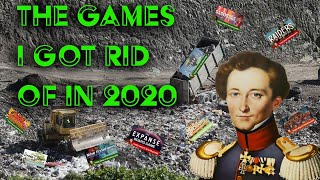
- Rich thematic potential and depth when fully explored
- Difficult for new players
- Compared unfavorably to other evolution games
- biological progression and adaptation
- evolutionary life in an oceanic ecosystem
- educational yet abstract
- Evolution: Oceans
- Darwin's Choice
Mechanics (from transcript analysis)
- Area Control — control of ecological spaces contributes to scoring
- engine-building — evolution-themed deck/kit to gain abilities
Video topics + discussion points
Quotes (from this video)
- 2020 was the year that i finally decided i don't like legacy games
- if you like discovering new games and if you like playing a new game every week that's fantastic
- the experience for paradise lost was ... terrible
References (from this video)

- Engaging thematic setting with solid mechanics
- Mechanics can be complex for new players
- science-themed exploration and expansion
- Oceanic exploration and ecosystem management
- tableau/hand-management for engine-building
Mechanics (from transcript analysis)
- Card drafting / hand-management — Selecting and utilizing cards to optimize turns.
- engine-building — Build up a system of actions and combos to maximize scoring.
Video topics + discussion points
Quotes (from this video)
- it's almost like you're playing a video game
- nothing was automated and it was a real chore moving every single coin back and forth
- TableTopia has seen a lot of play for me because of the variety
- John gets games is 100% of my income
- it's really fun to hang out with a bunch of friends and laugh together
- sheltering in place has shifted how we game and how we connect with people
References (from this video)
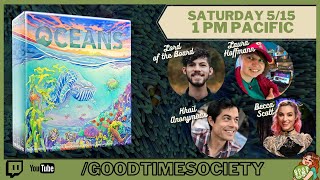
- Complex strategic gameplay
- Interesting ecosystem mechanics
- Multiple ways to develop species
- Complex rules
- Long gameplay
- Can be challenging to understand
- Evolution and survival of marine species
- Marine ecosystem
- Competitive ecosystem simulation
Mechanics (from transcript analysis)
- Area Control — Controlling different ocean zones
- Resource management — Collecting and managing population tokens
- Species Development — Players create and evolve marine species
Video topics + discussion points
Quotes (from this video)
- Peace for the ocean!
- Survival of the fittest
- We're all just trying to survive in the ecosystem
References (from this video)
- Used as a primary example of early solo mode design exploration
- Demonstrates the process of testing and validating a solo design
- Illustrates collaboration with mentors and publishers
- Wakon (PX Premiere)
- Mythic Mischief
Mechanics (from transcript analysis)
- unknown
Video topics + discussion points
Quotes (from this video)
- solo gamers are inherently selfish and I don't mean that in a bad way because I'm saying this about myself but I always want it to be my turn
- the critique is a way of sharing love and appreciation with another person you want them to succeed
- ideas are cheap, it's about execution
- a good designer can take a bad idea and make a good game; a bad designer cannot take a bad idea and make a good game
- the duality of myself between the confidence and the ego and the humility
- it's not here to tear down egos but to help others succeed
- I want it to always be my turn
- being visible is an incredibly important thing for people in this industry