In 'Puerto Rico', players assume the roles of colonial governors on the island of Puerto Rico. The aim of the game is to amass victory points by shipping goods to Europe or by constructing buildings.
Each player uses a separate small board with spaces for city buildings, plantations, and resources. Shared between the players are three ships, a trading house, and a supply of resources and doubloons.
The resource cycle of the game is that players grow crops which they exchange for points or doubloons. Doubloons can then be used to buy buildings, which allow players to produce more crops or give them other abilities. Buildings and plantations do not work unless they are manned by colonists.
During each round, players take turns selecting a role card from those on the table (such as "Trader" or "Builder"). When a role is chosen, every player gets to take the action appropriate to that role. The player that selected the role also receives a small privilege for doing so - for example, choosing the "Builder" role allows all players to construct a building, but the player who chose the role may do so at a discount on that turn. Unused roles gain a doubloon bonus at the end of each turn, so the next player who chooses that role gets to keep any doubloon bonus associated with it. This encourages players to make use of all the roles throughout a typical course of a game.
Puerto Rico uses a variable phase order mechanism in which a "governor" token is passed clockwise to the next player at the conclusion of a turn. The player with the token begins the round by choosing a role and taking the first action.
Players earn victory points for owning buildings, for shipping goods, and for manned "large buildings." Each player's accumulated shipping chips are kept face down and come in denominations of one or five. This prevents other players from being able to determine the exact score of another player. Goods and doubloons are placed in clear view of other players and the totals of each can always be requested by a player. As the game enters its later stages, the unknown quantity of shipping tokens and its denominations require players to consider their options before choosing a role that can end the game.
In 2011 and mostly afterwards, Puerto Rico was published to include both Puerto Rico: Expansion I – New Buildings and Puerto Rico: Expansion II – The Nobles. These versions are included in the other game entry Puerto Rico, not this regular game entry for Puerto Rico. Some editions of Puerto Rico list the player count as 2-5 instead of 3-5, and they include variant rules for games with only two players.
- one of the all-time euro classics
- tight, elegant design
- high replayability
- older production feel for some
- role selection and resource management
- Caribbean island
- classic euro with timeless appeal
- Agricola
- Le Havre
Mechanics (from transcript analysis)
- role_selection — players select roles that shape actions each round
- set_collection — collect goods to fulfill shipments and earn points
Video topics + discussion points
Quotes (from this video)
- probably my favorite tire placement game of all time
- this one is like a companion game to el grande
- Arc Nova certainly the hotness at the moment
References (from this video)

- classic euro with elegant balance
- excellent two-player experience
- older design may feel dated to some
- a learning curve for new players
- economic engine with role selection
- Colonial plantation economy
- historical, strategic
- Puerto Rico (two-player variant)
Mechanics (from transcript analysis)
- building and shipping — produce goods, build structures, and ship back to the Old World
- Role selection — players choose a role each turn that shapes actions for all
Video topics + discussion points
Quotes (from this video)
- my pick is colorado
- it's the perfect board game for people right after let's play
- unlock is the best escape room game that i have ever played
- it's like Waldo, the board game
- Spirit Island ... highly highly suggested as a heavy game for a couple
- my wife’s all-time favorite game
- it's a really decent economic game
References (from this video)
Mechanics (from transcript analysis)
Video topics + discussion points
Quotes (from this video)
- it's just a big mess
- this is the new norm
- it's a ripple effect across the whole thing
- quality over quantity is going to be a big thing moving forward
- expedite fees and premium rates
References (from this video)

- Very balanced and deeply strategic
- High replayability with different roles each round
- Can be lengthy with larger player counts
- Some players feel the path to victory is narrow
- Resource management, production, and shipping
- Colonial Caribbean island developing resource economy
- Eurogame depth with economic engine
- Agricola
- Le Havre
Mechanics (from transcript analysis)
- engine-building — Develop production and shipping network to maximize points
- worker placement — Assign workers to roles to generate resources
Video topics + discussion points
Quotes (from this video)
- Fury of Dracula this is a one versus all hidden movement game
- Battlestar Galactica is a carbon copy of the ill-fated TV show
- it's Christmas coming up it's the ideal time to go and get this one in it you filthy bastards
- it's fully deserved it's probably going to be a classic in years to come in it
- you can pull off some amazing shots with this
- endless laughter
- one of the best area control war games that we have played
References (from this video)
- highly interactive and strategic
- dense depth with lots of micro-decisions
- takes a few turns to ramp up; can be fiddly
- building and shipping economy
- colonial-era island economy
- tightly designed economic puzzle
Mechanics (from transcript analysis)
- building and shipping — placing buildings and shipping goods for points
- role selection + production — players choose roles to optimize engine and resource flow
Video topics + discussion points
Quotes (from this video)
- this is a pretty simple almost like a gateway plus level bidding and set collection style game
- the way you acquire these cards is so cool as you have these discs
- one of the most addictive games that we have in our collection
- this is probably one of my front runners of my game of the year so far
- it's a fantastic design that's held up well
References (from this video)
- slavery mechanics in game
- problematic colonial themes
- ethically questionable design
- colonialism
- slavery
- colonial plantation
Mechanics (from transcript analysis)
Video topics + discussion points
Quotes (from this video)
References (from this video)
- Elegant, simple core engine with deep strategic layers
- High replayability and clear action economy
- New players can grasp core concepts quickly
- Can be brutal to newcomers due to optimal play paths
- Older design can feel dated to some players
- production and resource optimization with action selection
- Colonial Caribbean island settlement
- economic simulation with forward-planning emphasis
Mechanics (from transcript analysis)
- action selection with active and inactive players — Active player picks an action; others use an enhanced version of that action.
- piggybacking on others’ actions — Benefit from other players’ actions when strategically advantageous.
- threaded production and shipping — Grow resources, ship goods, and optimize board placement for bonuses.
Video topics + discussion points
Quotes (from this video)
- I love the sense of urgency when it comes to rushing to these islands and getting them populated as quickly as you can.
- This game is the absolute best of the best. You know, the top 1% of the top 1% of the games that I've played.
- I could not speak more highly of this design.
- The dice-driven twist, the engine-building, the tension—this is why I play board games.
References (from this video)
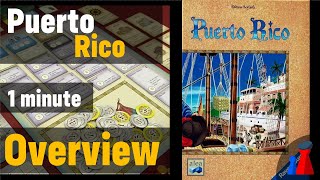
- Deep engine-building through role selection and worker placement
- Rich thematic setting with clear economic incentives
- Solid end-game scoring that rewards efficient planning
- Downtime can increase with higher player counts due to role-based actions
- Learning curve from managing buildings, plantations, and action options
- Aesthetic and abstract components may deter players seeking a more literal theme
- export-driven plantation economy, colonial governance, role-based action economy
- Colonial-era Puerto Rico, Caribbean island with plantations and early colonial economy
- economic simulation with abstracted historical setting
Mechanics (from transcript analysis)
- building_construction — Players acquire buildings and plantations, paying costs to gain ongoing abilities that affect their economy and scoring potential.
- end_game_scoring — Victory points accumulate primarily through exports and building/plantation outcomes, with end-game scoring determining the winner.
- export_and_sale — Goods can be sold for money (Trader) or exported for victory points (Captain), shaping the end-game score engine.
- plantation_production — Plantations produce goods that fuel the economy, enabling money generation and strategic positioning for end-game scoring.
- role_selection — A central market of role tiles is drafted each turn; players choose a role which drives the action taken and can influence turn order.
- worker_placement — Players assign workers to activate actions; the active player executes the action while others gain implied benefits or privileges.
Video topics + discussion points
Quotes (from this video)
- the player with the most victory points will achieve the greatest prosperity and highest respect in Puerto Rico
- you export your goods for victory points
- you increase your Workforce to work in your buildings and your plantations
References (from this video)

- Deep strategic planning
- High replayability
- Elegant design
- Steep learning curve for new players
- Longer setup and playtime
- economic development, city-building
- Caribbean island colonization and resource management
- economic simulation
- Ticket to Ride
Mechanics (from transcript analysis)
- Resource management — Manage commodities like corn, coffee, sugar, indigo, etc.
- set collection / building — Acquire buildings that grant abilities and end-game scoring.
- worker placement — Players assign workers to actions to develop islands and produce resources.
Video topics + discussion points
Quotes (from this video)
- I knew when I played Ticket to Ride it would be a hit.
- Board game generations are very short.
- If your kids don't like gaming, I don't care.
- I'm turning 50 this coming year.
- We moved the studio this year. Tariffs and all sorts of things happened, but it was a good year.
References (from this video)
- multiple viable paths to victory
- tight interaction and planning
- strong thematic integration
- steep learning curve for new players
- longer playtime at higher player counts
- economic development through building and role selection
- Caribbean island during the colonial era
- historical simulation
Mechanics (from transcript analysis)
- building_construction — Acquire buildings to process goods and generate income and VP, with synergy from special buildings.
- production_and_shipping — Produce goods and load ships for sale, aiming for victory points while managing other players' actions and potential blockages.
- role_selection — Players select a role each round; others get a weaker follow-up and the leader gets a boosted version.
Video topics + discussion points
Quotes (from this video)
- this is Puerto Rico so been a little while since I've had this one on the table and this was a fantastic game
- lots of different paths you can go down
- this is a very tight game and you have to be very careful about what you choose at the right time
- Agora expansion is better than the Pantheon one
- I actually think you know controversial opinion I think Agora expansion is better than the Pantheon one
- one of my favorite two-player games of all time
- the end sign... MVP, moving and pulling units
- production of this version is quite funny because you get all these wacky plastic animals in the Box
References (from this video)
- classic worker-placement core
- strong historical flavor before re-theming considerations
- colonial themes can be sensitive or problematic
- potential for insensitive portrayal if not re-framed
- colonial economy and plantation system
- Caribbean island during colonial era
- historical game with potential re-theming for cultural sensitivity
- Endeavor: Age of Sail
- Brazil Imperial
- Haplo Victorum
- Rising Waters
Mechanics (from transcript analysis)
- Resource management — players manage crops and produced goods for export and trade
- worker placement — players assign workers to buildings and production sites to generate goods
Video topics + discussion points
Quotes (from this video)
- This is not a colonization game this is a farming game.
- the two narratives: the narrative that is said and the game that emerges
- I call it the trust me paradigm
References (from this video)

- Clean and nice design
- Classic euro game
- Good player interaction despite role selection
- Timeless game design
- Janice's wife's favorite game
- Colony building and trade
- Colonial Puerto Rico
- Economic simulation
Mechanics (from transcript analysis)
- building — Score points for building buildings
- Resource management — Grow goods and manufacture into products
- Role selection — Pick a role and other players also benefit from that action
- shipping — Ship products for points
Video topics + discussion points
Quotes (from this video)
- if ever somebody says that he has the top 10 games of all time never trust them it's in their opinion
- if i could give a game 11 out of 10 clank legacy would be it
- this is the reason why i fell in love with board games in general
- it's my favorite solo game for sure the more i play it the more i want to play it
- to be honest right now probably next year it will be different maybe tomorrow it will be different
- the unknowing like what's gonna happen what's his agenda it's just an amazing experience
- if you like deck building then i think you definitely like clank legacy like a lot
References (from this video)

- Classic euro game with enduring appeal
- Fantastic role selection mechanic
- Player interaction and interference
- Strategic depth in planning
- Colonialism themes (being addressed in new version)
- Player interference can feel mean
- Colonial agriculture
- Trade and commerce
- Economic management
Mechanics (from transcript analysis)
Video topics + discussion points
Quotes (from this video)
- You get resources, you get resources, everybody gets resources
- Euro games are games all about economics, resources, selling resources to get more resources, and at the end of the game somebody gets points and usually wins
- Dune is a better game but Terraforming Mars is a better euro game
- The most unique thing about this game is the actions and how they play out
- It's a fantastic way how to mess up everybody's plans
- This game does the thing all games I think should do is make you feel like you've progressed and built something
References (from this video)
- tight action-selection system with meaningful turn order
- clear, efficient scoring and economy shaping
- can feel brutal as you foresee opponents' responses
- may be less accessible to new players due to action-passing depth
- efficient resource management and trade
- colonial island development with shipping and production
- strategic planning with indirect interaction
Mechanics (from transcript analysis)
- action selection — players pick actions and others piggyback with slightly weaker versions
- production and shipping — collect resources as tiles, ship them for victory points
- turn order optimization — anticipate opponents' actions to optimize your own plan
Video topics + discussion points
Quotes (from this video)
- board gaming Perfection such a an intricate and nuanced design
- the best negotiation game out there
- fast so engaging
- I can't find a fault with this game it is just so much fun
- one of the original area control style games
- the time track system I've ever seen
References (from this video)
- Excellent Awakening Realms special edition components
- Improved with subsequent plays
- Strong gameplay
- Good at multiple player counts
- Components elevate the experience
- Original version has weak components
- Economic management and colonization
- Caribbean colonial era
- Abstract economic simulation
Mechanics (from transcript analysis)
- economic management — Manage resources and production
- Role selection — Select roles that activate abilities for all players
Video topics + discussion points
Quotes (from this video)
- I love Huton. Oh my gosh.
- Oh my gosh, I am in love with that game.
- It knocks out of the water.
- One of the better games I've played in a long time.
- The components are so much better. It makes a better game.
- It's a fun little like watch the world fall apart and burn and see who can survive that process the longest.
- One of my favorite party games, if not my favorite party game.
- It's a lot going on. Very thinky. But very rewarding, too, at the same time.
- When trick taking gets to a point where I feel like I'm just trying to math out every probability and it starts to feel like homework, I start to like it less.
- I cannot wait to play it again.
- My ideal would be combining the best parts of Bruges and Hamburg into one game, but I can't do that.
- It's just easy, straightforward, satisfying.
- There's not quarterbacking, there's assisting, because it's so much happening at once and so much daisy chaining that the quarterbacking is almost impossible.
References (from this video)

- strong economic engine
- replayability
- can be table-heavy
- steep learning curve for newcomers
- Splendor
- Wingspan
Mechanics (from transcript analysis)
- set collection / engine-building mix — players take roles and build a production chain to gain points
Video topics + discussion points
Quotes (from this video)
- there's no right way to play games
- there's no one genre or style of player which is more valid than another
- just because you're a rogue doesn't mean you couldn't enjoy a game of chess or Splendor or Puerto Rico
References (from this video)

- deep strategic layer
- tight action selection and planning
- strong theme integration
- can be heavy for new players
- table presence can be intimidating
- economic development and resource management
- Colonial Caribbean plantation era
- economic-strategy stone with player-driven timing
- The Mayan Calendar
- Glenn Moore
Mechanics (from transcript analysis)
- building/production management — players select buildings that generate goods and victory points
- worker placement — players assign workers to various buildings/actions to gain resources and points
Video topics + discussion points
Quotes (from this video)
- "this is a very welcoming and very friendly community"
- "no bs and no tolerance when it comes to toxicity"
- "you should actually say to you welcome back because you were on season one episode two"
- "we really want to create and what we strive to do is create a welcoming inclusive space for everybody"
- "it's a very welcoming awesome group"
References (from this video)

- strong engine-building
- clear tension over roles
- scalability depends on players
- colonial development and commerce
- colonial Caribbean island
- economic-strategic
- Agricola
- Stone Age
Mechanics (from transcript analysis)
- Role selection — players choose roles to activate actions.
- set-collection/production — produce and ship resources for points.
Video topics + discussion points
Quotes (from this video)
- it's agonizing as to which choosing which one to pick first
- there's a bit of a gambling element
- Pillars of the Earth I realize that's one of my favorites as well
References (from this video)
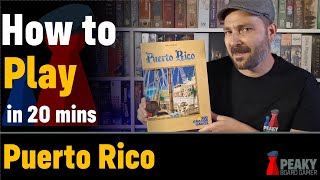
- The game delivers deep strategic depth with meaningful choices at every turn, especially in how players balance building, producing, and exporting goods.
- Role selection creates a lively dynamic where timing and anticipation of opponents' actions significantly impact outcomes, enhancing interaction and replayability.
- The balance between personal board development and shared central mechanics leads to varied strategies that scale well from 3 to 5 players.
- The production-to-export loop feels tight and elegant, with clear feedback between actions and rewards that reinforce planning and sequencing.
- The theme is effectively conveyed through mechanics, giving a satisfying sense of progression as you expand your plantation empire and infrastructure.
- Economic management, colonial expansion, and trade networks. Core ideas include allocating limited resources (colonists), choosing strategically beneficial roles, and timing investments to maximize income and victory points. Thematic immersion is supported by the building and product-generation cycles, as well as the interdependencies between different types of buildings and goods.
- The Caribbean island of Puerto Rico during the early colonial era, a period of rapid settlement and resource extraction where economic decisions determine a player's prosperity. The theme is presented through plantation cultivation, infrastructural development, and trade routes that connect the island to distant markets. The setting is conveyed primarily through the mechanics of production, taxation, and exporting goods, with each player building a personal domain on the island that reflects a historical balance between agriculture, manufacturing, and commerce.
- Educational tutorial stance that emphasizes rule clarity and practical play. The presenter narrates each phase and role in a procedural manner, prioritizing how decisions affect immediate actions, resource flows, and end-game scoring. The style aims to translate complex economic interactions into approachable, repeatable sequences that new players can internalize through example-driven explanation.
Mechanics (from transcript analysis)
- Building and space management — Players construct buildings on their personal boards by paying the depicted costs. Buildings grant ongoing abilities, end-of-round bonuses, or special effects that influence future actions. Building placement is constrained by limited spaces, encouraging planning for synergy between available structures and the goods you intend to produce.
- Captain shipping and end-game scoring — Delivered goods are loaded onto ships for victory points, with rules about ship capacity and variety of goods. The captain and harbor-related bonuses influence scoring, and end-game scoring aggregates points from buildings, production bonuses, and remaining resources, creating a comprehensive final tally that rewards both breadth and depth of development.
- Crafting and production buildings — The Craftsman phase converts raw resources into goods, often facilitated by specific buildings that enable enhanced production. The interaction between plantations, production buildings, and the craftsman phase creates a multi-step loop where decisions about what to produce and where to allocate workers have cascading effects on income and points.
- Plantations, quarries, and resource production — Plantations and quarries determine what resources are available to you for production. Each type of plantation contributes to a production chain, and workers (colonists) must be allocated to these sites to generate goods. Production is the heart of the economy, and efficient resource management drives victory point generation.
- Trading, selling, and market effects — Goods can be sold in the trading house, with special bonuses from buildings that modify sales or market income. The Trader phase and market mechanics introduce a flexible monetization layer that rewards efficiency and the ability to anticipate market capacity, while ensuring that supplies are managed to avoid bottlenecks.
- Worker placement with role selection — Players select one of several central role tiles each round; the chosen role provides a specific phase for all players, but only the active player receives a privileged or amplified effect during that phase. The mechanic creates a dynamic where timing and anticipation of others' moves matter, since the active player controls the flow while others participate in a shared framework.
Video topics + discussion points
Quotes (from this video)
- Puerto Rico is a great family game for three to five players that plays in about 2 hours and this version here was ranked first in board games geek ranking a few years ago and had remained there for quite a long time.
- The player with the most victory points will achieve the greatest prosperity and highest respect in Puerto Rico at first place, which emphasizes the central objective of the design as a point-driven economy.
- The game is played in rounds and in every round all players will take one turn starting with a governor and then continuing clockwise, highlighting the iterative structure that governs planning and execution.
- During the mayor phase all players will share all colonist tokens from the ship taking one token at a time, which underlines the social and interactive dimension of resource allocation.
- The end of the game is triggered in three different ways, which adds strategic variety and forces players to balance short-term gains against longer-term threats to the supply and scoring tokens.
- In the captain phase all players must deliver their goods to the cargo ships, and the first to ship small batches earns a point lead, creating a dynamic where timing and execution matter as much as accumulation.
- The privilege for the Trader is that they will gain one more dubloon than the indicated amount, which introduces a premium for market savvy and timing.
- The game continues until everyone has taken their role and executed the corresponding phase, at which point points are tallied, and hidden VP tiles are revealed, bringing closure to the round.
References (from this video)
- Strong thematic integration with historical flavor
- High replayability and tight balance
- Clear interaction with other players through market/production decisions
- Steep learning curve for newcomers
- Indirect player interaction can feel abstract to some players
- colonial administration and plantation economy
- Colonial Puerto Rico, 16th–17th century
- historical/documentary**
- Agricola
- Le Havre
Mechanics (from transcript analysis)
- Building and network production — Players optimize production chains by choosing buildings and resources.
- worker placement — Players assign workers to buildings and roles to produce goods and generate income.
Video topics + discussion points
Quotes (from this video)
- change your mind you can change your world
- neuroplasticity allows us to change the neurological firing that prompts those tropes
- you can't read the label from inside the bottle
- it's not black and white, it's green that we're talking about
- the brain is an energy saving mechanism
- the best cultural Consulting that I've ever done with a board game replicates that
References (from this video)

- Highly interactive and social dynamic
- Engaging sense of community gameplay
- Actions can be punishing if opponents block them
- production, trade, and growth
- colonial Puerto Rico
- production and set-collection with interactive action selection
- Concordia
- Food Chain Magnate
- Brass Birmingham
Mechanics (from transcript analysis)
- action tile selection — each turn you choose a role tile to perform a different action
- hand management — manage cards and resources across turns
- set collection / production — build plantations, produce goods, and ship products
- shared action availability — neighbors can use the chosen action in the same round
Video topics + discussion points
Quotes (from this video)
- they're easily the most dominant form of proper board games in the hobby
- we've covered some fantastic heavier euros and past lists like Alchemists Wingspan and Robertson Crusoe so just for the sake of an all-new list we're putting those as honorable mentions
- this is a collection starter and here are the 10 best euro games for experienced gamers
References (from this video)

- Complicated
- Not enjoyable
Mechanics (from transcript analysis)
Video topics + discussion points
Quotes (from this video)
- Learning rules is one of the biggest reasons people hate board games
- You're an ambassador for the hobby right now
- Don't obsess over the Board Game Geek top 100
References (from this video)

- Classic, endlessly replayable
- Elegant, tight design with strong interaction via roles
- Older copyright themes may be uncomfortable for some players
- Some editions have print quality issues
- Role selection and plantation economy
- Caribbean island colony
- Historically flavored but streamlined
Mechanics (from transcript analysis)
- building and scoring via goods — Construct buildings and manage produce to maximize scoring.
- resource trading and shipping — Produce goods, trade, and ship to markets for points.
- Role selection — Players select roles that impact all players, influencing actions and scoring opportunities.
Video topics + discussion points
Quotes (from this video)
- Race for the Galaxy is a fantastic card game
- it's a real pain in the ass to learn/teach because it's got a rather bamboozling icon system
- it's a really rewarding game made even better with a couple of the expansions
- I love Puerto Rico I love the feel of it and it's just a classic game
- Captain Flip is such a simple promise
- Carnival zombie is a rip roaring rolicking romp
- this game is basically chaos in a box
- it's a deck building racer
- Royals is effectively a que pushing game
References (from this video)
- Deep engine-building with tight decisions
- Strong interaction via building choices
- Steep learning curve for newcomers
- Economic development
- Colonial Caribbean/Central American port town
- Strategic engine-building through role selection
- Agricola
- Caverna
Mechanics (from transcript analysis)
- set_collection — Acquire buildings and bonuses to optimize points.
- worker_placement — Players place workers to produce resources and advance their engine.
Video topics + discussion points
Quotes (from this video)
- Harrow County is a very unique game.
- This is Seven Wonders. ... an excellent card drafting game.
- Ticket to Ride is a classic and a staple at many events.
- Root has fans and they are super fans.
References (from this video)

- Classic Euro engine-building core
- Solid depth and player interaction through role selection
- Pioneered a lot of mechanic patterns that later Eurogames adopted
- Some players find it long and dense for casual sessions
- Agricola
- Caverna
Mechanics (from transcript analysis)
Video topics + discussion points
Quotes (from this video)
- my taste in games over the past 20 years has changed
- the length of time a game can last has changed
- it's not the theme so much as the mechanics that keep me coming back
- I like the idea of changing history in games like Cuba Libre or Watergate
- Ark Nova is the example where the theme meshed with mechanics
- I want to have fun and my window of fun is kind of narrow to what I see on the shelf
References (from this video)

- Deep economic engine with elegant core mechanics
- Tight player interaction through role selection
- Compact, highly enjoyable experience with high replayability
- Theme is considered problematic by modern standards
- Older artwork and potential for discomfort around colonial themes
- colonial-era resource exploitation and settlement
- 18th-century Caribbean island sugar economy
- economic engine-building with colonial backdrop
- Spirit Island
Mechanics (from transcript analysis)
- Building and resource management — Construct buildings and manage production and trade goods.
- Role selection — Active player picks a role that benefits themselves or reshapes the round; others gain its effect too.
- Shipping and product export — Gain points via shipping goods to market; tension arises through competition.
- worker placement — Players assign colonists to actions to gain resources and build.
Video topics + discussion points
Quotes (from this video)
- Puerto Rico features as number one on our most recent uh euro games uh list
- I still like puerto rico i would still play it
- There is a increasing movement in board games kind of against these colonial type themes
- I wish it didn't have this theme but I enjoy the game
- not engaging in the conversation at all felt like bearing head and sand
- i am so on board uh if it gets a retheme which i hope it will
- be good people in the comments
References (from this video)
- Classic Euro staple in collection
- Core heavy-weight economic/title reference
- Concordia
- Stellarlox? (note: not in transcript)
Mechanics (from transcript analysis)
- Resource management / role selection — Players pick roles to optimize production and deliveries.
Video topics + discussion points
Quotes (from this video)
- these are all like nines or 10 out of ten for me
- I'm going to stand up now because I'm in a very uncomfortable position but um yeah you can see that I have cut down on the heavier style games
- museum is fine I think it's a gorgeous looking game probably one of the most attractive games I have actually
- you can lie about what's in your bag the last one there which is where I keep all of my sleeves
- I have a nice library that I can always pick and choose from
References (from this video)
- nuanced and sophisticated end of discussion around player interaction
- classic system that remains deeply influential in Euro design
- high recognition for its pacing and strategic depth
- noted as requiring careful timing and can be challenging for new players
- role selection and resource management tied to shipping and scoring
- classic Euro game of plantation management and trading
- timing driven with player order and piggybacking strategy
Mechanics (from transcript analysis)
- action selection with roles — the actor selects a role; everyone gets to use it, with the actor receiving a slight benefit
- opportunity cost and helper effects — your choices can help or hinder other players depending on the roles chosen
- resource production and shipping — produce and ship or convert resources into victory points
- timing and turn order — players must choose actions in a sequence that benefits their position while anticipating others
Video topics + discussion points
Quotes (from this video)
- I love the fact that the game itself is so simple but the action selection system is just that compelling
- this is one of the best games of all time I could have argued to have this from higher on the list
- there is an amazing level of interaction here where the more you collect these Noble tokens on the map will not only score your points but give you voting power
- the level of interaction here is very high and the dynamics around kicking off spots are interesting
- on paper I should not like this game because I do not like terribly cutthroat games but this one is logical
- El Grande is the forefather of the area control genre and still the best among its peers
References (from this video)
Mechanics (from transcript analysis)
Video topics + discussion points
Quotes (from this video)
- There's no real order.
- There are ties on the dates.
- The 12 oldest and the 12 newest.
- There's just brownie points.
- I haven't played Age of Innovation.
References (from this video)
- high player involvement on every turn
- clear satisfaction from shared actions and hidden optimization
- can feel repetitive if not balanced with variety
- Skylands
- San Juan
Mechanics (from transcript analysis)
- following mechanism — player action chosen benefits the active player and others simultaneously, with the active player receiving an enhanced version of the action; reinforces communal decision-making with personal payoff
Video topics + discussion points
Quotes (from this video)
- it's really satisfying because everybody's involved in every turn of the game
- i really like games where i get income throughout the game
- a puzzle is laid out by laying out a series of cards and then we race to fit those different dice into that different orientation shown on the puzzle