It is a time of unrest in 1920s Europa. The ashes from the first great war still darken the snow. The capitalistic city-state known simply as “The Factory”, which fueled the war with heavily armored mechs, has closed its doors, drawing the attention of several nearby countries.
Scythe is an engine-building game set in a 1920s era, alternate-history. It is a time of farming and war, broken hearts and rusted gears, innovation and valor. In Scythe, each player controls one of five factions of Eastern Europe, all of which are attempting to earn their fortunes and claim their stakes in the land around the mysterious Factory. Players conquer territory, enlist new recruits, reap resources, gain villagers, build structures, and activate monstrous mechs.
Each player begins the game with different resources (power, coins, combat acumen, and popularity), a different starting location, and a hidden goal. Starting positions are specially calibrated to contribute to each faction’s uniqueness and the asymmetrical nature of the game (each faction always starts in the same place). Scythe uses a streamlined action-selection mechanism (no rounds or phases) to keep gameplay moving at a brisk pace and reduce downtime between turns. While there is plenty of direct conflict for players who seek it, there is no player elimination.
Scythe gives players almost complete control over their fate. Other than each player’s individual hidden objective card, the only elements of luck or variability are “encounter” cards that players will draw as they interact with the citizens of newly explored lands. Each encounter card provides the player with several options, allowing them to mitigate the luck of the draw through their selection. Combat is also driven by choices, not luck or randomness. Every part of Scythe has an aspect of engine-building to it. Players can upgrade actions to become more efficient, build structures that improve their position on the map, enlist new recruits to enhance character abilities, activate mechs to deter opponents from invading, and expand their borders to reap greater types and quantities of resources. These engine-building aspects create a sense of momentum and progress throughout the game. The order in which players improve their engines adds to the unique feel of each game, even if having played one faction multiple times.

- heavy and time-consuming
- table space and setup can be daunting
- engine-building, area control, and asymmetric powers
- alternate-history 1920s with a dystopian vibe
- strong thematic world-building through minis and art
Mechanics (from transcript analysis)
- area control and combat — expand influence on a map with competitive encounters
- engine-building — assemble actions to maximize production and efficiency
- multi-path victory conditions — win via several different strategic routes
Video topics + discussion points
Quotes (from this video)
- the thrill of the chase
- it's one of the most unique games that i've ever played
- this game is not for everyone
- it's the game that got me into the hobby
- the mind management world is based off this graphic novel series from matt kindt
References (from this video)

- Beautiful artwork and production
- Grand scale feeling with relatively accessible rules
- Strong diplomacy and player interaction potential
- Good fit at 4 players; supports 3-5 well
- Can feel repetitive after multiple plays without expansions
- Event cards lack thematic resonance for some
- Expansions significantly add cost and complexity
- Long playtime and potential for extended sessions with 5 players
- Industrial expansion, faction power, diplomacy vs conquest
- Alternate history post-World War I with mechs on a war-torn map
- Strategic, asymmetric objectives with a diplomatic flavor; events lack strong narrative
- Warcraft III: The Board Game
- Catan
- Katan (Cities & Knights)
Mechanics (from transcript analysis)
- Area control and map expansion — Players claim territories, unlock bonuses, and build structures to gain points and resources.
- Combat and power resource system — Combat involves power and potential threats, with mechs capable of clashing with opponents.
- End-game trigger via stars — The game ends when a player places six stars on the map by achieving various objectives (workers, mechs, buildings, etc.)
- engine-building and upgrading — Upgrades on your faction mat improve efficiency and future turns.
- Two-action system on player mats (top and bottom actions) — Players choose a top action and/or the corresponding bottom action, enabling production, upgrading, moving, building, or deploying during a turn.
- Worker placement and action economy — Workers and mechs are used to activate actions, gather resources, and control spaces across a large map.
Video topics + discussion points
Quotes (from this video)
- It's for euro gamers, I mean it's for people who like economic games with almost no conflict and you're gonna go whoa there are mechs in here how is there no conflict.
- it's a simple game in disguise grand scale in an inaccessible way
- it's absolutely must-have for me and my five games
- the artwork and the game was created because the author saw the artwork and he thought I need to create a game around this artwork
- 90 is the suggested retail price and I'd say well deserved for what you get inside
References (from this video)

- crunchy, deep decisions
- strong production and art
- steep learning curve for new players
- Euro engine-building and area control
- Alternative-future Europe with steampunk vibe
- Story through relentless engine optimization
- Through the Ages
- Gaia Project
Mechanics (from transcript analysis)
- automa / AI opponent — compete with a strong automa system (and optional AI mode)
- engine-building / area control — build an engine to expand influence and control boards
Video topics + discussion points
Quotes (from this video)
- it's always your turn
- one of the best solo deck builders you can get
- this is one of the most impressive solo titles from GMT
- this is such a fantastic puzzle
- a masterpiece of minimalism
- it's such a satisfying card play
References (from this video)

- epic scope
- beautiful production
- fantastic game
- dual layer boards
- little dials and meeples
- art style doesn't usually appeal to reviewer
- steampunk
- mechs
- alternate history
Mechanics (from transcript analysis)
Video topics + discussion points
Quotes (from this video)
- these games have amazing table presence by which i mean people are going to glance across the room and go what is that person playing and i want to play all these games
- stacking games have table presence like nothing else
- looks beautiful it looks like a load of sweets on the board
- one of my favorite games of all time
- i don't like that sort of game i find that one of the most frustrating game mechanisms
- the central marble dispenser is your main draw in this game
- absolutely brilliant strategic game quite complex game
- it's actually my favorite of the mask trilogy
- i'm almost scared to say this but i don't really like azul very much
- biggest most overlooked game on this list
References (from this video)

- Removed from top 10
- Area control with engine building
- Alternate 1920s Europe with mechs
- Dieselpunk
Mechanics (from transcript analysis)
Video topics + discussion points
Quotes (from this video)
- Board Game Geeks top 100 sometimes feels like random people voting random stuff
- This is the way by two random people from Latvia
- Your mind feels like a fog after playing Spirit Island
- Frodo really doesn't want to destroy ring at the end he's like nah I'll go home
- It's a fine game it's super boring it just the same thing over and over
- Wrongfully not in the top 20 yet
References (from this video)
- visually striking with table presence
- deep strategic depth and replayability
- robust solo mode and large player count support
- heavier for casual players
- substantial table space requirements
- Territory control, resource management, and strategic development
- Alternate-reality 1920s with diesel-punk mechs
- Abstract battlefeel with thematic flavor
- Expeditions
Mechanics (from transcript analysis)
- area_control — players vie for zones to gain resources and points
- engine_building — developing abilities and benefits to gain ongoing advantages
- hand_management — managing a hand of power and combat cards for planning
Video topics + discussion points
Quotes (from this video)
- The best thing about this game is the card play I love multiuse cards and chaining combos
- Expeditions it's BattleTech for pacifists
- Expeditions is its own thing and that's a fun midweight engine building and card manipulation game
- it's a solid middle complexity game with a few moving Parts suitable to most hobby Gamers
- Scythe is one of the first big breakout Kickstarter games
References (from this video)
- Streamlined combat system with dials
- Deep asymmetric gameplay
- Beautiful miniatures and components
- Engaging mechanics despite complexity
- Complex endgame scoring
- High component count
- Long play time
- Steep learning curve
- Mechs
- Alternate history
- Resource management
- Territorial control
- Scythe Junior
- My Little Scythe
- Monopoly Junior
- Scrabble Junior
Mechanics (from transcript analysis)
Video topics + discussion points
Quotes (from this video)
References (from this video)
- Striking production values and table presence
- Strong, evocative artwork and cohesive world-building
- Hybrid design that can appeal to both Euro-style and Ameritrash players
- Multiple viable paths to victory via different engine routes
- Hybridization can alienate purists of either school
- Conflict balance may feel lighter for players seeking heavier combat
- Complex setup and rules may present a steeper learning curve
- Engine-building, territorial expansion, resource management, and conflict in a steampunk-meets-1920s setting
- Post-World War I Europe with the Great War's aftermath, in a world where a factory of super-weapons has just shut its doors, leaving power vacuums and ambitious nations.
- Hybridized historical alternate history with a strong visual world-building emphasis; merges European and American design sensibilities.
- Caverna
- Lords of halas
Mechanics (from transcript analysis)
- action grid / column selection — On each turn, you select a single column of actions from your economy board, shaping your engine and limiting repetition by not repeating the same column consecutively.
- area_control and stars — Players claim territories and complete objectives by placing stars to score victory points; star placement triggers end-game condition.
- combat / battles — Engagements with neighbor factions using power and combat cards; battles influence territory and advantage, with potential long-term consequences.
- Encounter cards — Event-based cards that introduce unique twists and choices affecting strategy.
- engine-building — Multiple action choices, resource chains, and upgrades that repeatedly compound your returns as you optimize the sequence of actions.
- leaders and powers — Each faction has unique abilities that influence early game tempo and long-term planning.
- mechs and buildings — Deployable mechs grant new powers; construction of special buildings enhances board control and diversify strategies.
- resource_management — Workers collect resources across controlled areas; resources upgrade production and support upgrades, with strategic placement of workers.
- upgrades and factory — Upgrades move cubes between top and bottom action rows, making both actions more efficient; the factory acts as a one-time upgrade pathway.
Video topics + discussion points
Quotes (from this video)
- The single best thing about the game is the artwork and the world building jacob ribowsky has built an amazing world with his 1920s art
- It is an impressive looking game and looks mighty on the table
- The models are also really neat and the game looks very nice
- I think it would appeal to people who like war games as well as people who like Euro games
- This game is a hybrid of Euro and American game themes
- Some people will find the conflict in this game not to their liking while others will be wishing there was a lot more conflict
- I recommend caverna and for a game of similar production values but a lot more conflict
- I recommend Lords of halas
References (from this video)

- polish and production value are exceptional
- deep strategic depth with layered decision-making
- dual-layer board design helps keep components organized and stable
- focus on competitive race for achievements and endgame scoring
- industrial expansion, territorial control, and factional asymmetry
- Dystopian alternate history post-World War I with mechs and a rustic-futuristic aesthetic
- strong thematic presentation with polished production and implied lore
Mechanics (from transcript analysis)
- action_selection — turns consist of selecting actions with multiple viable options
- area_control — players contest hexes to gain presence and resources, shaping map control
- engine_building — players develop an engine of actions and bonuses to improve efficiency and endgame score
- resource_management — managing coins, power, combat, and other resources to optimize scoring
- worker_placement — staffing locations yields resources and enables key actions
Video topics + discussion points
Quotes (from this video)
- it's a premier experience where people felt the desire to travel to a convention
- the three-headed operation works well and the event felt very well-run for a first-year convention
- over 650 attendees
- the official source, Dustin, would it stands for whatever you want it to stand for
References (from this video)
- beautiful components and strong core game
- great solo and two-player variants
- long play time for heavier games
- learning curve for new players
- reconstruction, resource management, and territory expansion
- Alternate 1920s Europe with mechs
- strategic engine with area control
Mechanics (from transcript analysis)
- area_control — Control zones on the map to score and gain resources.
- engine-building — Develop production and combat capabilities over a game.
- Resource management — Carefully balance metal, food, oil, and worker actions.
Video topics + discussion points
Quotes (from this video)
- the response was huge guys
- three types of games that work well solo
- it's a sandbox like terraforming Mars
References (from this video)

- highlighted as a game that could fit on the shelf with other heavy Euros
- classic engine-building vibes
Mechanics (from transcript analysis)
Video topics + discussion points
Quotes (from this video)
- I think this is a fantastic look.
- it's a fantastic collection almost I want it.
- I still don't have eclipse.
References (from this video)

- tight, rewarding engine with strong competition
- beautiful artwork and elegant balance
- can be tight on player interaction for some groups
- learning curve for new players
- industrial ambition, resource gathering, territorial expansion
- alternate-history 1920s with mechs and factional goals
- story-light, engine-building and area control
- Wingspan
- Root
- Gloomhaven
- Frosthaven
Mechanics (from transcript analysis)
- Area Control — control of spaces yields resources and end-game scoring
- engine-building — players perform actions to improve economy and units
Video topics + discussion points
Quotes (from this video)
- board game content channels on YouTube are very wide and shallow
- we're narrowing that down and identifying five categories of videos
- the next year for the channel is really about building back relationships with the community
- I want to bring our channel down to probably about five identifiable series
- defund Kickstarter is an idea we talked about
- we're not going to trade Shabbat for conventions
References (from this video)

- Tightly designed action economy with depth
- Great tension and player interaction
- Requires careful planning and can be unforgiving
- Factions vary in balance
- mechs, expansion, and resource economy
- Alt-history 1920s Europe
- soft narrative with tactic-driven play
Mechanics (from transcript analysis)
- area control and resource management — Control zones and manage resources to score and expand.
- Engine-building and action chaining — Top and bottom actions to optimize turns and combo effects.
Video topics + discussion points
Quotes (from this video)
- these games are phenomenal
- it's a true semi-co-op and not a lot of games do semi-co-op well
- the board in the middle the whole point of terraforming mars is to terra for mars
- this is a foster the meeple favorite
- every deck is unique to that character
References (from this video)
- deep strategic pallet with varied paths to victory
- beautiful production and strong thematic flavor
- territory control and resource strategy
- alternate-history 1920s with mechs and empire-building
- engine-building in a scenic, aesthetic world
Mechanics (from transcript analysis)
- Area Control — control of hex territories yields points and resources.
- engine-building — players develop their production and action engines over time.
Video topics + discussion points
Quotes (from this video)
- two Ninjas they're saying Mission failed
- Mission failed he found us
- it's a math exercise
- this is called Indiana Bones and the Doom Temple
- Santa Claus oh my God she's so small there's a hobbit house somewhere there
- Essen is the capital of board games
- Arc which was the hype in 2024 ... they are fuel cartel
- this is an homage to Kim Stanley Robinson
References (from this video)
- Rich thematic presentation and depth
- Offers a satisfying strategic sandbox
- mechs and resource management
- alternate-history 1920s
Mechanics (from transcript analysis)
- engine-building and area control — Players develop economies and fight for control across the board.
Video topics + discussion points
Quotes (from this video)
- remove cards that add a take that element to an otherwise not take that kind of game.
- It is. And I use the word empowering.
- don't be afraid to remove that card
- pairing people up because when you think about it
- the 3D printing community is very open and sharing
References (from this video)

- Noted as the heaviest-weight game in the discussion
- Rich production and depth
- Complex for new players
- Alternate-history world with mechs
- strategic, engine-building, asymmetric
Mechanics (from transcript analysis)
- Area Control — Players compete for control of map regions while developing engines.
- engine-building — Players optimize actions to maximize efficiency and output.
Video topics + discussion points
Quotes (from this video)
- I'm really not a patient person.
- The heart of the matter, as it turned out, was that testers weren't getting enough options for tapestry cards.
- We are open to reprinting pretty much anything if there's demand and interest in it.
- Patience and presence at the gaming table matter as much as the games themselves.
- I want more positivity in my life and less hate bait.
References (from this video)
- sweet spot for player count at 5
- balanced exploration and conflict
- good map density at this player count
- doesn't scale well at other player counts (3-4 too open, 6-7 too tight)
- feels appropriate at 4-5 players but less so beyond
- design doesn't account well for different player counts despite box stating 1-5+7
- exploration
- conflict
- map control
Mechanics (from transcript analysis)
Video topics + discussion points
Quotes (from this video)
References (from this video)
- great art
- tight engine
- map design
- complex rules
- heavy setup
- industrial expansion and faction rivalry
- alternate 1920s earth with diesel-punk vibes
- alternate-history narrative with strategic tension
- Wingspan
- Gloomhaven
- Blood Bowl
Mechanics (from transcript analysis)
- Area Control — control territories on a map
- engine-building — build engines to gain resources and actions
- Resource management — manage workers and resources
Video topics + discussion points
Quotes (from this video)
- we are the wonder twins of the academic board game community
- every game box has a story in it
- the death of the author
- Gloomhaven has already spoken for me; it's a game that continues to give
- what statement is this game making
References (from this video)

- Too complex for 4-6 year olds
- Referenced as example of inappropriate game for children
- Not suitable for young children
- Mechas and farming
- Alternate history
- Complex strategy
Mechanics (from transcript analysis)
- Heavy game — Complex gameplay
Video topics + discussion points
Quotes (from this video)
- a series of videos where I take a bunch of different possible scenarios some of them provided by you the viewers and I shuffle them up into a deck of cards I reveal a scenario and roll a dice to see how many players I've got
- I got in lots of trouble last time for using the word dice as a singular so we'll be sticking with die as long as I remember today
- everything economic uh that I really really love seems to cap out at five players
- I can't imagine how long it would take so I think that would probably ruin ruin game
- frankly I played that with uh two players once and we gave up after about seven hours
- there's some good ones but most games before 1995 would ruin game night if you tried to play them today
- you're not allowed to speak to each other and you're playing against the time so it's very frantic
- the only way you're able to communicate is by tapping this wooden token to say look I need you to do something
- I think Mysterium would fall apart if they didn't speak the language and that's odd isn't it because it does isn't a game that has any text in it
- I think a terrible idea there's not that much interaction and the game gets longer with each player that you add
- I don't understand the people who put down a big you know they stick down Scythe in front of kids or boast about the fact their four-year-old can play sides
- there's no reason to be playing um Snakes and Ladders or or Candyland I would say not that Candyland is a big thing in the UK
References (from this video)

Mechanics (from transcript analysis)
Video topics + discussion points
Quotes (from this video)
- Stonemaier games is 10 out of 10, would definitely recommend
- I'd much rather talk about a publisher who I really like to work with
References (from this video)

- gorgeous, iconic artwork and table presence
- streamlined yet deep engine-building that remains puzzly and satisfying
- fast-turn rhythm that keeps players engaged
- strong blend of euro and ameritrash sensibilities
- rulebook can be dense for newcomers
- combat occasionally feels punishing or exclusionary
- initial hype can set expectations higher than the first few plays
- territory control, resource management, engine development
- Alternate history/post-empire era with mechs and factional conflict
- ambient thematic flavor with asymmetric faction goals
Mechanics (from transcript analysis)
- area_control — Control of map regions yields points and resources; occupancy matters for scoring.
- Combat — Conflicts between players occur with combat consequences and retaliation options.
- engine_building — Players upgrade their player boards to gain more powerful actions over time.
- resource_management — Players collect and spend resources to activate their actions and advance engines.
Video topics + discussion points
Quotes (from this video)
- this game does a great job of mashing together the hybrid systems of like euro games and american games
- the engine building is so satisfying
- turns in this game are extremely fast
- you can be extremely creative and clever with the way you link these clues together
- the familiarity of a game like charades is gonna instantly help other people understand the rules
- an underrated and under-appreciated family-friendly puzzle-style game
- a wonderfully put together game
- the dice being used in weird and wonderful ways
- this is a dry euro, one of the most mechanical and most mathematical games out there
- weathering the storm and overcoming all the obstacles
References (from this video)

- Deep strategic depth for human players
- Complex rules, less accessible to casual players
- Not dog-friendly in theme
- Territory/engine-building and conflict
- Alternate-history 1920s with steampunk/mythic overtones
- Emergent storytelling through engine development
- compromat
Mechanics (from transcript analysis)
- area control / combat resolution — Control regions and resolve battles
- engine-building / resource management — Develop a personal engine to gain points and actions
Video topics + discussion points
Quotes (from this video)
- i'm not much of a digital gamer and i don't have any children
- this game doesn't even require a printer just a trip to the recycling bin
- you may be new to the world of board gaming with dogs
- quality gameplay is far more important than fancy artwork and plastic components
References (from this video)

- Smooth solo play thanks to icon-based automa
- Strong integration of AI with the thematic feel
- Rule complexity can be high for newcomers
- Advantageous expansions can influence replay variability
- Territory control and engine-building with autonomous AI via automata
- Alternate-history 1920s with dieselpunk/steampunk motifs in a post-war, resource-rich Europe
- Icon-based AI-driven cards guiding enemy behavior
- Wingspan
- Tapestry
- Other automa-driven games
Mechanics (from transcript analysis)
- Automa system — A built-in solo/2-player AI system using automata decks to simulate opponents
- engine-building — Asymmetric powers and resource management to develop your side
Video topics + discussion points
Quotes (from this video)
- this is a space where Mage Knight is described as the best solo game you can get your hands on today
- it's a living breathing world inside a box
- it's like being addicted to heroin... every month a new mythos pack is released
References (from this video)

- Unique mechanisms
- Alternative history theme
- Adds story with expansions like Fenrir
- Multiple paths to victory
- Limited story in base game
- Combat is minimal (once or twice per game)
- Alternative history
- Post-WWI setting
- Mechs
- Territory control
- Dwellings of Eldervale
Mechanics (from transcript analysis)
Video topics + discussion points
Quotes (from this video)
- You get resources, you get resources, everybody gets resources
- Euro games are games all about economics, resources, selling resources to get more resources, and at the end of the game somebody gets points and usually wins
- Dune is a better game but Terraforming Mars is a better euro game
- The most unique thing about this game is the actions and how they play out
- It's a fantastic way how to mess up everybody's plans
- This game does the thing all games I think should do is make you feel like you've progressed and built something
References (from this video)

- deep strategy
- high replay value
- can be hard to teach
- learning curve
- engine-building and territory control
- alternate history with mechs
- strategic, thematic
- Gaia Project
- Gaia Project
Mechanics (from transcript analysis)
- Area Control — Control territories for points
- engine-building — Choose paths to build engines and upgrade actions
Video topics + discussion points
Quotes (from this video)
- it's a really cool design and simple to play
- this is one of my go-to social deduction games
- it's simple you know doesn't take too long and still gives you like an interesting story with a lot of freedom
- it's Zen-like bag-builder
- it's a big engine builder with the mechs
- it's a very cool negotiation game
References (from this video)
- rich, multi-layered mechanics
- strong world-building and aesthetics
- great for strategic players
- art style initially off-putting to the speaker
- heavy and can be complex for new players
- war and expansion in a postwar setting
- alternate 1920s with mechs
- epic and expansive
Mechanics (from transcript analysis)
- area majority — control of territories and war resources
- Combat — combat with power markers; engagements optional
- engine-building — multiple paths to scoring via different resources and powers
Video topics + discussion points
Quotes (from this video)
- it's a really neat competitive game with a really fun theme
- another run would be nice
- the art style put me off but the game is good
- I raved about this game on my videos when this channel was new
- this is a co-op game similar to Pandemic
- it's a gambling game where no money changes hands
- feels like you're watching a horse race and you're betting on it
- it's the time pressure
References (from this video)

- deep strategic tension integrated with strong theme
- beautiful artwork and production values
- steep learning curve
- long setup/ playtime for new players
- war, economy, and territorial expansion
- Alternate-history 1920s
- grim, hopeful, and strategic
- Dominion
- Terraforming Mars
Mechanics (from transcript analysis)
- Area control / combat — Compete for territories with combat resolution governed by cards and meeples.
- engine-building / card drafting — Cards enable powerful actions and synergies forming an engine.
- worker placement — Common pool of actions is claimed by placing workers to gain resources or advance needs.
Video topics + discussion points
Quotes (from this video)
- the race is long and in the end it's only against yourself
- comparison is the thief of Joy
- flow state not float state
- there's no substitute for reps
- start simple
- habits over goals
- the MVP approach can streamline your design process
References (from this video)
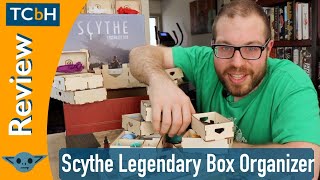
- Elegant organization when stored; sturdy birch inserts
- Top-down component layout; universal-top components, faction-bottom components
- Reduces setup and teardown time; enhances play experience
- Potential future-expansion size issues; may not fit new content easily
- High price; niche appeal for premium organizers
- Air gaps in some tubs; may require adjustments for new expansions
- Industrial expansion, conquest, and faction-specific power
- Alternate-history 1920s with mechs in Eastern Europe
- grim, epic, sandbox-like
- Rise of Fenris
Mechanics (from transcript analysis)
- Area Control — Players compete for control of hexes on the map to gain resources and bonuses.
- combat / conflict resolution — Military encounters and battles with power tokens.
- engine-building — Players optimize their actions to generate resources and upgrade capabilities.
- faction powers / asymmetry — Leaders’ unique abilities influence strategy.
- Resource management — Produce and spend resources (oil, metal, food, wood, coins) to activate actions.
Video topics + discussion points
Quotes (from this video)
- it's elegant, it's well-constructed and it dramatically cuts down on the amount of time that it takes to set up and take down a game
- indulgence is a good word
- having everything stuffed in a zillion plastic bags feels kind of lame
- this is catering to a person who has gone all-in
- the insert just further solidifies the indulgence
References (from this video)

- Favorite Stonemaier Games product
- Streamlined design
- Efficient gameplay
- Good rule book
- Multiple nations with unique playstyles
- Flows smoothly when players know the rules
- Engine builders are tricky for some players to pick up
- Takes more than one or two games to master
- Slightly above medium weight boundary
- Not ideal with 2 players but good with 3-4
- War, farming, and industrialization
- Alternative history Europa with mecha and farming
- Streamlined narrative with engine building
- Wingspan
Mechanics (from transcript analysis)
- Board variety — Board changes each game with different configuration
- Combat — Resolve combat through die rolls
- engine building — Build an efficient economic engine with nation-specific abilities
- Nation powers — Different nations have different unique abilities and technologies
- Resource management — Manage factory production and resources
- worker placement — Place workers on various action spaces
Video topics + discussion points
Quotes (from this video)
- It's the lower end of middle weight but I still think it's a solid game
- Medium and heavy weight doesn't mean that it has to be the most complicated fiddly thing to get through
- I love it when a game is just smooth streamlined gorgeousness
- This is a fantastic laugh out loud euro game
- This is definitely my definitive space game
- How dare you not play this game sooner
- The variety in this game is off the friggin scale
- This game just ticks all the boxes for me
- It seems like this game was designed for me
- Regardless of what's light medium or heavy as long as you're playing at the right stage for you it's only a game
References (from this video)
- Has worker tokens on board
- Not true worker placement
- Uses action selection instead
- science fiction
- alternate history
- mechas
Mechanics (from transcript analysis)
Video topics + discussion points
Quotes (from this video)
References (from this video)

- High player interaction and depth
- Beautiful components and production value
- Multiple viable paths to victory
- Complex rules, steep learning curve
- Potential for analysis paralysis in 5-player games
- Industrial conquest, resource management, and asymmetric faction play
- Alternate-history 1920s Europe with dieselpunk mechs
- Strategic, emergent with variable powers
- Game of Thrones
Mechanics (from transcript analysis)
- area_control — Controlling territories on a map grants influence and resources
- Combat — Conflict resolved via power assets and cards
- engine_building — Factions develop unique abilities and upgrade over time
- resource_management — Gather, trade, and deploy to build your faction
- variable-player_powers — Different faction abilities create distinct strategies
Video topics + discussion points
Quotes (from this video)
- This is my favorite game.
- This card's nuts.
- We are farmers.
- Six stars first. I win.
- This video is the game we come back to a million times because we love it.
References (from this video)

- beautiful components
- tight, elegant engine design
- combat can feel abstract
- short playtime encourages aggressive plays
- engine-building and resource management
- alternate-history 1920s with mechs and factions
- solo-leaning competitive with clear faction asymmetry
- Terra Mystica
- Brass
Mechanics (from transcript analysis)
- Area Control — workers/units gain territory and bonuses across the board
- engine-building — combination of actions to optimize resources
Video topics + discussion points
Quotes (from this video)
- it's not plug and play, it just works like a switch
- five possible tables just cuz one isn't enough
- you own your board games, you own them; video games are a lease
References (from this video)
- deep strategy
- beautiful components
- high learning curve
- setup time
- area control, resource management, and engine-building
- alternate-history, steam-punk empire expansion
- immersive, thematic
Mechanics (from transcript analysis)
- Area Control — control territories for advantages and points
- engine-building — build a self-sustaining engine to generate actions
Video topics + discussion points
Quotes (from this video)
- it's only a game
- it's the real juicy bit
- the only way for this channel to evolve is to test new things
- top 10 two-player games collaboration on Feb 6th
References (from this video)

- Brilliant design
- Still in collection
- Good by Stonemaier Games standards
- Has declined in opinion over time
- Alternate history
- Mechs
- Dieselpunk
- Viticulture
- Wingspan
Mechanics (from transcript analysis)
Video topics + discussion points
Quotes (from this video)
- it's only a game - remember this is just a game
- you're listening to the broken meeple show a podcast that speaks passionately about board games for the benefit of those who play them
- I'm quite busy at the moment but in a good way
- Norway in alter in the Arctic Circle is basically just yeah it's nearly Perpetual Darkness everything is caked in snow
- I much need needed break much needed break from gaming in general frankly
- I want them to go back to that level of greatness but lately they just haven't been doing it
- this could have easily just been called its own thing
References (from this video)
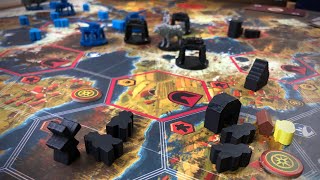
- Strong asymmetric faction design with meaningful choice and thematic flavor
- Dynamic combat system that rewards careful planning and risk-taking
- Map design with tunnels and varied terrain enabling flexible strategies
- Clear path to victory through stars and territory control
- Rule complexity and heavy learning curve
- Long game length may not suit all players
- Automa AI can feel opaque without a rules reference or FAQ
- Territorial expansion, resource control, and asymmetrical faction play
- Alternate-history Europe in the 1920s with post-war factions and towering automata
- Competitive, campaign-like arc with evolving victory conditions and star-based scoring
Mechanics (from transcript analysis)
- Area Control — Control of villages and territories influences scoring and access to actions.
- Automa AI engagement — Automa acts as a rival faction with its own set of rules and encounter cards, scaling in difficulty and drive for stars.
- Combat resolution with power and cards — Players commit power values and optionally add combat cards to influence outcomes; victories reward stars while losses grant compensation.
- Construction and structure building — Build monuments, mines, mills, and armories to gain ongoing benefits and influence control of territories.
- resource management and production — Produce actions generate resources; these are spent to build constructions and deploy mechs; windmill interactions add production variety.
- Worker and mech movement — Move workers and mechs across a hex grid with terrain and tunnel interactions; movement can be enhanced with upgrades.
Video topics + discussion points
Quotes (from this video)
- testament to a good design is that you can still play, make mistakes and it doesn't ruin the game
- we're going to produce on one, two, three territories and then we can pay three wood to build one of our constructions
- winning your first combat gets you one of your six stars
- i thoroughly enjoyed it and i'm ready to set up and play a game
- combat cards get discarded and a top card is used for resource return
References (from this video)

- Deep strategic choices
- Beautiful production
- Can be lengthy and heavy
- Mech combat and resource economy
- Alternate-history 1920s world
- Strategic, sandbox with narrative flavor
- Gaia Project
- Wingspan
Mechanics (from transcript analysis)
- Worker placement and engine building — Players gather resources, deploy mechs, and gain power and territory control.
Video topics + discussion points
Quotes (from this video)
- Our goal is to make this world a better place one board gamer at a time
- Cards are incredibly versatile tools near Arsenal—they're cheap, you can hold a lot of game data while reinforcing the theme with immersive artwork
- Make it a habit to treat service workers better like be patient when they are providing a service
References (from this video)
- Powerful, balanced design when players know the game
- Fast turns with seasoned groups
- Hard to teach to newcomers
- Can drag if players are unprepared or uncoordinated
- Conquest, engine-building, and resource control
- Alternative 1920s Europe with factions and mechs
- Strategic, asymmetric competition
Mechanics (from transcript analysis)
- action selection (top/bottom) — Choose a combined action each turn and execute
- Area Control — Controlling territories and resources for points
- engine-building — Develop engines to gain efficiency and VP
- Faction Asymmetry — Each faction has unique abilities that shape strategy
Video topics + discussion points
Quotes (from this video)
- Spirit Island's fantastic it is one of my favorite co-ops of all time
- it's not for everybody
- I love teaching games
- I just want a nice Speedy game
- The Crew is a great trick taking game
- Scythe is not a fun one to teach
- it's got the most stuff in it which also makes it the harder one to play with Noobs
- ironically the first game I ever played at a board game club that got me into the hobby was Seven Wonders with leaders included where I actually won the game
- it's a fantastic fun game
- I've played this game a lot
References (from this video)

- strong aesthetic and themed presentation
- rich action system with upgrade paths
- ending can feel underwhelming even with strong setup
- hybrid design can be tricky to balance for some groups
- growth through engine-building and strategic area control
- alternate-history 1920s with mechs and factions
- idea of personal faction progression and expansion
Mechanics (from transcript analysis)
- area control / movement — moving and claiming territories to score points
- combat with power and positioning — conflicts resolved with a mix of power and strategic placement
- engine-building — progression through upgrades and powers while expanding influence
Video topics + discussion points
Quotes (from this video)
- I think Great Western Trail is the game for me, but this one could be the one I want to own.
- this is a game that a lot of people hail as a modern classic.
- the decision space in Whistle Mountain is an ocean.
- the deduction mechanics are cool, but it can drag.
- Spirit Island is the board game for people who don’t typically like cooperative games.
- the ending of Viticulture can feel abrupt in a race-to-20 structure.
References (from this video)
- strong theme and setting
- expansions add more content
- deep engine-building
- excellent production
- faction-based expansion and conflict with heavy resource engine-building
- 1920s alternate history world with giant mechs; farming, mining, and warfare
- grim, strategic with a retro-futuristic vibe
- Terraforming Mars
- Euphoria
- Viticulture
Mechanics (from transcript analysis)
- area_control — tactical production and control across a map to maximize points
- engine_building — players upgrade abilities and engines through actions to improve options
- resource_management — collect and spend resources to upgrade, build, and score
- worker_movement — movement of workers to activate different actions (not classic placement)
Video topics + discussion points
Quotes (from this video)
- this is a really interesting game there aren't that many you know apocalyptic pick up and deliver games
- look at the laboratories and yet the men it was scientists you're working with DNA
- it's a fantastic game I love it
- I think it's an excellent game I think that it runs the gamut of all of the aspects of what you would want to have in a dinosaur park game
References (from this video)

- Complex and engaging
- Alex's all-time favorite game
- War and discovery
- Alternate history mecha
Mechanics (from transcript analysis)
- worker placement — Strategic worker placement
Video topics + discussion points
Quotes (from this video)
- I play Qwirkle every morning - it's a perfect way to start my day
- The art is just beautiful and I'm really proud to own and show off to people when they come over
- The game is whatever you create it to be
- This game blew my mind
- It feels like you can do anything and because of that I was just blown away
- You can play a hundred different ways and you could probably still win
- This is not gonna get old - we may not play it a ton but when we do play it it's always a blast
References (from this video)

Mechanics (from transcript analysis)
Video topics + discussion points
Quotes (from this video)
- we're selling our house and we wanted to do this before we had to pack everything up
- we're just going to show you what we got probably won't have too many new games coming in
- innovation is a game we adore
- jamie's favorite game brass birmingham
- gaia project tara mystic on space
- we have root so the og base game
- this is one of jamie's absolute favorites and that is innovation
- we love it it's so good
References (from this video)

- great thematic pull
- smart action-selection mechanism
- can be long and heavy for casual players
- reclamation and expansion with mechs
- alternate-history 1920s, sci-fi frontier
- mythic realism with a strong flavor of the era
Mechanics (from transcript analysis)
- area control / combat via combat cards — contested territories with combat resolution through cards
- engine-building / action board synergy — two action boards on the map; combined actions unlock powerful sequences
Video topics + discussion points
Quotes (from this video)
- This is almost the perfect filler to me. This is Batswana.
- It's a 20 minute knife fight.
- You can play it with just about anybody.
- This is one of the most punchy games in the series.
References (from this video)
- Elegant engine-building with faction asymmetry
- Excellent production value and modularity (box, inserts, coins)
- Balance issues; certain faction/board combos can be stronger
- Can be lengthy and intimidating; high setup/teaching cost
- Economic/territorial engine-building with asymmetric factions
- Alternate history; post-World War I-esque setting
- Strategic conquest with efficient puzzle-solving emphasis
- Wingspan
- Viticulture
Mechanics (from transcript analysis)
- Area control / combat — Factions vie for territories with combat mechanics and currency/points for control
- asymmetric factions — Different starting boards and abilities yield diverse strategies
- engine-building — Players build engines using actions on their boards to gain resources and powers
Video topics + discussion points
Quotes (from this video)
- Different Strokes, different folks
- Marketing front with board games, they know what they're doing on that front
- Wingspan easily my number one favorite Stone Mare game
- this game was the biggest BG bait and switch I've ever seen
- the five mechs in the base game are wildly imbalanced
- I want Africa Birds; I want to see if they can do Arctic Circle and Antarctica Birds
References (from this video)

- epic length with satisfying engine
- great table presence and flexibility
- enjoyable at multiple player counts (especially four)
- long playtime can deter lighter players
- eco-centric conflict with faction asymmetry
- alternate post-WW1 Europe, mechs and faction-driven gameplay
- story-rich, with campaign and legacy tie-ins
Mechanics (from transcript analysis)
- area control / engine-building — player area control with engine-building progression
- long campaign / Rise of Fenris — legacy-like expansion through the Rise of Fenris campaign
- Worker placement / action selection — workers placed to take actions from modular boards
Video topics + discussion points
Quotes (from this video)
- it's like a TV show, you're going from one episode to the next
- this is my number one game of all time
- it's a true point salad game
- money equals points
- the life cycle of everything
- the auction phase and the multiplayer solitaire space
References (from this video)

- Highly meaningful gaming experience
- Rise of Fenris campaign exceptional
- Beautiful production quality
- Meaningful player choice
- Foundational game in hobby for them
- First painted game
- First campaign game completed
- Difficult to get to table
- Requires committed group
- Heavy time investment
- Steampunk, Mechas, Warfare, Exploration
- Alternate history Europa
- Political and military conflict
Mechanics (from transcript analysis)
- asymmetrical factions — Different nations with unique abilities
- Campaign gameplay — Rise of Fenris campaign expansion with progression
Video topics + discussion points
Quotes (from this video)
- Lord of the Rings a confrontation is an amazing two-player only game and it's essentially like Stratego
- Dominant species is a area control game where you are playing as different classes of animals
- Mansions of Madness second edition this I think Will Always Forever ever be one of my favorite games
- an acrony is a worker placement game with a unique twist
- Obsession is like Downton Abbey Bridgerton the board game
- I love polyaminos I love polyamino towels I think they're amazing and they're cats
- Shores of Tripoli is a two-player card event based war game
- root everybody plays a different faction of some type of Woodland creature
- dwellings of Elder Veil is a hand management worker placement game
- kanban ev is a car building game you are working in a car factory
- we just like love this game it comes with us when we travel
- Rise of Fenris is still one of the best board gaming experiences I've ever had
- Unmatched is a head-to-head battle game where you are playing as a character
- the Simplicity of it it gives so much depth but it's so easy to play
- Twilight's struggle is a game I'm still continuing to explore
- I don't drink wine but I love viticulture
- Wonderland's War gives me everything that I enjoy in board games
- Scout is a small box card game I love it
- Star Wars Imperial assault this is the highest campaign game currently on my list
References (from this video)

- Deep strategic gameplay
- Excellent components and artwork
- Cascading player recruitment into hobby
- Multiple expansions add depth
- Campaign mode (Rise of Fenris) extends replayability
- On Jeff's top 11 list
- Requires dedicated gaming time
- Complex rules require learning period
- Strategic faction conflict
- Alternate history 1920s Europe with mechs
- tactical
- Game of Thrones: The Board Game
Mechanics (from transcript analysis)
- Area Control — Territories and resource control
- Asymmetric powers — Each faction has unique abilities and characteristics
- Mech movement — Control powerful mechanical units
- worker placement — Limited action selection system
Video topics + discussion points
Quotes (from this video)
- when you start playing like modern board games you realize how it's not that great
- we could not stop we were so addicted to this game
- this was our first foray into like modern board games and heavy strategy games
- when you think about it like that was literally our gateway game into the hobby
- i freaking love that game
- that was the game that i learned that i loved deck builders even before dominion
- i have so many good memories about that game
- we dove into the deep end and it's funny because
- i think actually now that i think about it it probably has is the reason why i'm so competitive with games
- there was no mercy yeah it was super competitive
- the components are beautiful
- everyone knows how good their figures are
- this was really the game that got me into campaigning dungeon crawlers
References (from this video)

- Rich thematic presentation with strong production value
- High degree of strategic choice and replayability
- Can be long and heavy for some groups
- Combat/negotiation can fragment tables
- mechs, territory control, production
- alternate 1920s steampunk Europe
- story-like with encounter cards
- Brass Birmingham
- Terraforming Mars
- Wingspan
Mechanics (from transcript analysis)
- Area Control — move mechs and attempt to control territories on the map
- bluffing/negotiation — combat can be negotiated or opposed through power management
- card-based components — miniatures and encounter cards contribute narrative flavor
- engine-building — improve player boards to increase production and efficiency
Video topics + discussion points
Quotes (from this video)
- they're easily the most dominant form of proper board games in the hobby
- we've covered some fantastic heavier euros and past lists like Alchemists Wingspan and Robertson Crusoe so just for the sake of an all-new list we're putting those as honorable mentions
- this is a collection starter and here are the 10 best euro games for experienced gamers
References (from this video)

- Engine-building and area control with a strong thematic engine and faction variation
- Alternate-history 1920s-inspired steampunk on a fictional eastern European landscape
- Theme-forward, with asymmetric powers and emergent strategy
Mechanics (from transcript analysis)
- area_control — Players vie for territory to gain resources, bonuses, and strategic position.
- engine_building — Players develop their own engine of actions through unique abilities and production tracks.
Video topics + discussion points
Quotes (from this video)
- we are just adults playing with toys
- it's going to be freaking cool
- the studio is fully funded by us
- days Later
- we are raising funds for the channel so we can upgrade equipment
References (from this video)

- Unique resource economy with land-based resources
- Strong theme and elegant production quality
- Longer play time
- Some players find the rules dense
- Farming and faction warfare with mechs
- Alternate-history 1920s eastern Europe
- Flavorful world-building with asymmetric play
- Terraforming Mars (as a thematic comparator for engine-building and territory control)
Mechanics (from transcript analysis)
- area control and combat — Combat occurs via combat cards and unit placement
- Resource production on map — Resources are generated on the board and can be contested by other players
- Workers placement — Assign workers to various faction-specific locations to take actions
Video topics + discussion points
Quotes (from this video)
- you can't stop
- the more people are into it, the better it is
- it's a Dice Tower essential
- a masquerade of classic and modern designs
References (from this video)

- clear, fast-paced combat with meaningful decisions
- combat system is historically influential and design-forward (dial + cards)
- teaching complexity due to multiple interacting components
- conflict, combat, and area control
- N/A (abstract/alternate-history framing discussed in video)
- Array
- Kemet
Mechanics (from transcript analysis)
- combat dial — each player has a combat dial and chooses power to spend up to seven; requires strategic budgeting
- power track with combat cards — combat cards tucked behind the dial modify total; randomness limited to card draw
Video topics + discussion points
Quotes (from this video)
- each player has a combat dial and when you enter combat with another player, you choose on that dial how much of your power you're going to spend up to seven.
- there's no element of randomness to it other than the card draw.
- the linking system is clever
- combat is snappy