Vantage is an open-world, co-operative adventure game for 1-6 players that features an entire planet to explore, with players communicating while scattered across the world. With nearly eight hundred interconnected locations on four hundred cards and over nine hundred other discoverable cards, the world is your sandbox.
You begin each game of Vantage on an intergalactic vessel heading towards an uncharted planet. After crashing far from your companions, you have complete freedom as to how you explore, discover, and interact with the planet. You view your location from a first-person perspective, and you can communicate with and support other players, but you are separated by vast distances, so only you can see your current location.
Vantage is not a campaign game, and it is completely self-contained with no expansions — just a few accessories like metal coins.
—description from the publisher
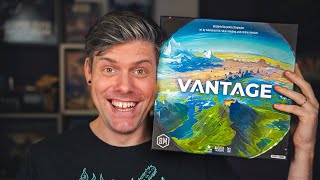
- Exploration with lots of location variety
- Huge amount of narrative content and items
- Items mitigate dice rolls and enable tactical play
- Easy to set up and learn, approachable
- Tailorable difficulty through starting resources and memory carryover
- Strong standalone storytelling that can be played solo
- Poor multiplayer experience; not ideal for group play
- Lack of a concrete end goal or broader strategic objective
- Feels less like a traditional board game and more like a choose-your-own-adventure
- Exploration, storytelling through modular narrative, risk and resource management
- Space exploration and survival after a crash; landing on various locations
- Paragraph-based narrative with branching outcomes via story books
- Earthborne Rangers
- Sleeping Gods
Mechanics (from transcript analysis)
- Action selection at landing locations — Choose actions to perform at the current location to progress and trigger events
- dice-based skill checks — Roll dice to resolve actions; failures cost resources
- Equipment/items cards — Acquire items that mitigate dice risks and alter outcomes
- Memory carryover between runs — Only memories carry over; new run starts with fresh board but memories affect play
- Resource management and death threshold — Managing resources; depleting to zero ends the run
- Story books and paragraphs — Read narrative entries that guide exploration and consequences
- Tailored difficulty/setup — Optional starting resources to customize experience
Video topics + discussion points
Quotes (from this video)
- Don't go into this as like this is gonna be the crunchy board game
- It's a sandbox game.
- the setup is really easy
- tailored experience to the way you love to play
- you will always move forward
- Just enjoy the ride. I think it's the best sandbox board game out there.
References (from this video)
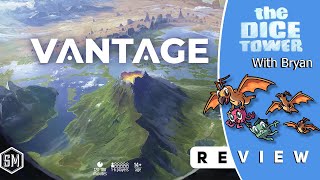
- Infinitely replayable with hundreds of locations and cards that spawn new experiences each game
- Feels like a time-storage mission while delivering a cohesive story experience instead of a traditional campaign
- Excellent art direction and components; a consistent thematic look with recognizable elements (stars, hearts, etc.)
- Mechanics are designed to mitigate bad dice outcomes through items, locations, and narrative structure
- Book of secrets and book of vantages invite ongoing discovery and hidden content
- The non-campaign structure shifts emphasis from winning to experiencing and uncovering story beats
- Not a traditional campaign or legacy game, which may disappoint players seeking long-form storytelling with a fixed arc
- Complex and dense rule set; potential learning curve for newcomers
- Hidden content and Easter eggs can feel overwhelming or opaque until experienced through multiple plays
- Large content volume may be intimidating to exhaust fully or collector-driven players may worry about missing content
- Narrative-driven exploration with a focus on discovery, personal perspective, and evolving puzzles rather than a traditional victory ladder.
- Space exploration and planetary missions conducted within a self-contained, non-campaign, non-legacy framework; players discover a world through vantage-card storytelling and book-based clues.
- Slice-of-story experience: a single ‘story’ unfolds over many short sessions, with each play offering a new perspective and new hidden content via the book of secrets and book of vantages.
- Time Stories
- Seventh Continent
- Agricola
- Caverna
- Scythe
Mechanics (from transcript analysis)
- book of secrets and book of vantages — Two books provide lore-based revelations and hidden nuggets; content from these books can dramatically alter the player's approach and discoveries.
- card actions — Interact with character and equipment cards; actions include mastering, buying, equipping, or engaging with NPCs to unlock benefits or unlock narrative branches.
- depart actions — Travel between locations via depart actions; players read depart entries to determine the next location and associated narrative cues.
- dice pool and skill mitigation — A dice pool is rolled based on the chosen action; players may reduce dice by spending colored skill tokens, influencing risk and success chances.
- dice results and resource flow — Outcomes on dice (stars, hearts, hourglasses) feed into stat changes, potential failures, or redraws; some results can be placed onto terrain slots to mitigate dangers.
- interconnected locations and items — Hundreds of locations and item cards are interconnected; players explore a web of possibilities with many paths and hidden outcomes.
- Location actions — Players perform actions at a chosen location (e.g., steer, listen, consult, craft, scavenge, fish) to advance their personal objectives and potentially influence shared state.
- non-campaign, non-legacy structure — There is no persistent campaign or legacy progression; instead, the game emphasizes a cumulative storytelling experience where each session feels distinct yet connected.
- terrain and slot mechanics — Terrain types (e.g., purple/orange) interact with symbols; boost cubes and slot placements affect difficulty and what can be resolved on a given action.
Video topics + discussion points
Quotes (from this video)
- This is not a campaign game. It's not a story game. Sorry, it's not a campaign or a legacy game.
- Vantage gets a 10 out of 10 from me.
- It feels infinitely replayable, yet it feels like a time-storage mission every time.
- There are hundreds of locations. There are hundreds of item cards. There are connectivity between the locations.
- The book of secrets, the book of vantages, there's so many little hidden nuggets in Easter eggs.
- This is not going to be a flash in a pan. I think this is going to be a game people are going to play for a long time because it does the impossible.
- It feels like there's this one overarching story that's happening, and when you play, you're just getting a slice of it as opposed to, you know, playing Agricola or Caverna or something like that.
- Vantage gets a perfect 10 out of 10 from me. I love this game. It is incredible.
References (from this video)
- highly approachable; great for non-gamers
- strong narrative potential when played with others
- compact setup; quick to teach
- some players may want more mechanical depth
- story outcomes can feel variable; less deterministic strategy
- minimalist card-driven exploration with mood-driven twists
- exploration and interaction around a single location card
- lean, atmospheric storytelling through tiny cards
- Ark Nova
- Cascadia
Mechanics (from transcript analysis)
- exploration on a single-card map — each location shows multiple interaction options; choices direct future cards and outcomes.
- story-driven replayability — different choices reveal different stories; audience-driven storytelling enhances replay value
- up-down-left-right navigation — player movement between cards determines encounter results and path to next sites.
Video topics + discussion points
Quotes (from this video)
- This is the epitome of like first round very short not a lot going on. Last round much much longer.
- You look bougie. Speak Easy is the new hot Euro game from Vital Lecerda.
- This is my number one game of the year: Covenant.
References (from this video)

- Massive scope and replay variety
- Endings designed to reflect long playtime and milestones
- Pent-up production/loading complexity
- Potential for fatigue if not playtested in deep stretches
- Exploration and mission-driven progression
- Epic, open-world planetary exploration
- Narrative arc revealed through play with evolving storytelling
- Sleeping Gods
- Gloomhaven
Mechanics (from transcript analysis)
- Campaign-like journey with branching outcomes — Multiple missions, final destination and end conditions
- Deck/hand management on a 1300+ card system — Massive card pool with six options per location and branching paths
- variable end conditions — End can be determined by mission goals, destinations, or time
Video topics + discussion points
Quotes (from this video)
- it's essentially 1,700 cards and 8 or and 400 of those cards are double-sided
- you've turned Wingspan not into you built it into more than just a game
- no zero days
- the ending has to live up to the X number of hours that somebody just put into it
References (from this video)
- accessible shell-themed aesthetic with appealing components
- strong 2-4 player scaling and interaction
- diverse objective tiles and lighthouse bonuses encourage varied strategy
- clear tactile feedback from bag placement and tile drafting
- scoring can be fiddly and requires careful tracking
- board space and bag management can feel tight on higher player counts
- shell collection, habitat observation, and tidal cycles
- Santael, a Florida island beach environment with shells washing ashore
- Array
- Wingspan
Mechanics (from transcript analysis)
- board/bag placement with openings — tiles must fit into openings; holes must be kept open to continue placement.
- endgame sequencing via waves — the wave determines how many tiles appear per section and shapes the mid-game shifts.
- lighthouse bonus tiles — randomized lighthouse tiles grant end-game scoring bonuses and synergy opportunities.
- set collection / pattern scoring — points come from patterns and unique sets of shells (purple echinoderms, blue valves, orange snails, etc.).
- tile drafting / bag-building — players draft shells into their bags, organizing resources for scoring.
- wilds and special tiles — crab and diamond wilds can be used to access flexible placements and scoring bonuses.
Video topics + discussion points
Quotes (from this video)
- It's like Tetris. You can slot in.
- We fill every single section as you're passing along the beach.
- The wave is doing the endgame, and the lighthouse bonuses are huge.
References (from this video)
- Immersive narrative
- Flexible exploration
- Multiple mission paths
- Interesting decision-making
- Complex rule interactions
- Potential for frustrating dice rolls
- Unclear endgame conditions
- Space exploration and rescue mission
- Uncharted alien planet
- Choose-your-own-adventure style exploration
Mechanics (from transcript analysis)
- Dice rolling — Challenge dice used for actions with reroll mechanics
- Narrative decision-making — Player makes choices that advance story and mission
- Resource management — Managing boost cubes, health, morale, and skill tokens
Video topics + discussion points
Quotes (from this video)
- This is my game plan at the moment.
- We rescued the Traveler. We won a difficult mission.
- It's cool... we're in this completely different thing on this completely different mission.
References (from this video)
- Eight years in development
- Theater of the mind experience
- Replayable
- Much more contained than Seventh Continent
- 1000 cards
- All content included
- Similar to Seventh Continent which becomes sprawly
- Crash landing and exploration
- Alien planet
- Cooperative survival exploration
- Seventh Continent
- Breath of the Wild
Mechanics (from transcript analysis)
- communication — Players convey information to find each other
- exploration — Open-world exploration inspired by Breath of the Wild
- Mission-based — Different missions with different objectives
- Resource management — Manage resources based on challenges
- Vantage Point System — Players can only see from their vantage point
Video topics + discussion points
Quotes (from this video)
- It's hitting people's hands now
- Really captured people
- This is one of the greatest games ever made. I don't care what anybody says
- This is a big sandbox and just go play in it
- There's something so compelling about this game
- I think board games are art
- Fight me I don't care. Best party game ever probably
- It creates so much laughter. It delivers so hard, man
References (from this video)
- exploratory feel
- solo and multiplayer support
- divisive among players
Mechanics (from transcript analysis)
Video topics + discussion points
Quotes (from this video)
- I don't have time to play them all.
- There are none of those [on my shelf] this month because I looked around and it made me sad.
- The newest stuff is usually the easiest to go.
- I might do a full video on this at some point.
- These are basically all in the passing through category.
References (from this video)
- Encourages communication and cooperation through information asymmetry
- Tension between progress and resource costs creates meaningful choices
- Relies on active table talk; may slow pace for some groups
- Cooperative exploration under resource pressures
- First-person exploration of a location with limited visibility to others
- Immersive, information-asymmetry driven
- Origin Story
Mechanics (from transcript analysis)
- Action success with resource costs — Actions always succeed; the cost comes in time, morale, and health.
- First-person location perspective — Players see their location from a first-person viewpoint, not a shared top-down map.
- Limited information / table talk emphasis — Seeing different information drives communication and cooperative decisions.
Video topics + discussion points
Quotes (from this video)
- Actions always succeed in Vantage; the challenge is how much time, morale, and health you lose along the way.
- the limited information of I can see something that you can't see and how that encourages communication and cooperation.
- one player is playing a card and that card has instructions that the other player must follow or you lose.
- if you roll seven bells on your turn, you just instantly win.
References (from this video)
- strong solo experience
- engaging storytelling
- niche appeal
- not for all players
- indie sci-fi exploration
- space frontier storytelling
- story-driven
Mechanics (from transcript analysis)
- engine_building — Builds an autonomous engine to drive progress.
- solo_mode — Designed with strong solo play experience.
Video topics + discussion points
Quotes (from this video)
- I'm down to 150 games. Thank you for watching.
- Bye-bye eclipse and remix stays.
- This is one game. It all stays. We're not going to take it out right now.
- My number one game of all time stays obvious.
- I love it. Love it.
References (from this video)

- Promising design space with ongoing support and promos
- Flexibility to integrate with other Stillmire titles via realms
- Details and pricing not finalized in video; subject to October 15 reveal
- Strategic tableau development and tactical choices across multiple realms.
- Engine-driven design space (engine-building vibes) with modular, evolving play.
- In-development product discussions and expansion planning.
Mechanics (from transcript analysis)
- engine-building — Players build an engine through layered interactions and choices.
- realm-based scoring — Scores derived from themed realms and evolving play patterns.
Video topics + discussion points
Quotes (from this video)
- six packs of wingspan that fans designed and Elizabeth vetted
- we printed 5,000 of each of these packs
- time is really the key for expansion design
- Rolling Realms is designed around not having any interaction
References (from this video)
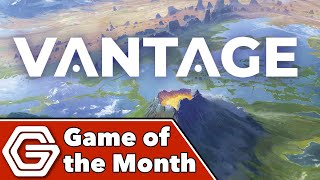
- Impressive component quality and scale (1,700+ cards) with strong production values
- High degree of exploration and open-ended storytelling
- Diverse, flavorful actions with thematic support
- Flexible end conditions that encourage continued play and storytelling
- Memorable emergent moments and strong replay potential
- Lack of tension at higher player counts (e.g., five players) due to larger dice pools and absorption via cards
- Setup and teardown can be lengthy with many cards to manage
- Turns can be long or bogged down by think/spell-check moments at critical junctures
- Dependence on discovery and spoilers can lead to downtime or analysis paralysis in some games
- Exploration, cooperation, and emergent storytelling within a harsh alien environment.
- Planet crash landing on an alien world; exploration with limited shared visibility and discovery.
- Emergent, player-driven narratives shaped by local discoveries and interactions.
- Seventh Continent
- Lands of Galsier
Mechanics (from transcript analysis)
- Destinies and missions with endgame variability — Random mission cards and destiny cards guide goals; completing destinies can end the game, but players can also choose to continue until other conditions are met.
- Location actions with thematic naming — Six location actions with color-coded names that tie to thematic tasks, giving flavor beyond generic terms.
- Massive card-driven payload and itemization — Over 1,700 cards (plus spoiler packs) featuring spells, equipment, and other effects that feed into actions and storytelling.
- Purple books and skill checks with mitigation — Skill checks use dice equal to the difficulty; spending skill tokens can reduce the number of dice, and checks always succeed but incur costs (morale, time, health).
- Vantage standees and hidden perspective — Each player describes their own vantage of the scene while others cannot see their cards, creating asymmetric information and collaborative storytelling.
Video topics + discussion points
Quotes (from this video)
- This game is astonishing in the number of options.
- It doesn't have a win or loss condition; you just do stuff.
- End the game whenever you want to.
- By the end, the scope of things that happened was incredible.
References (from this video)

- vast content and high replayability
- beautiful artwork and a strong sense of discovery
- complexity can be intimidating for new players
- the breadth of content may overwhelm some groups
- adventure-focused with exploration, discovery, and commerce
- planetary exploration with social interaction and adventuring
- open-ended, sandbox-like adventures with variable goals
- Gloomhaven
- Too Many Bones
- Pillars of Eternity-inspired RPGs
Mechanics (from transcript analysis)
- Character progression — build a personal arc through exploration, tests, and side activities.
- exploration and encounters — players explore a shared planet, meeting sentient beings and undertaking tasks.
- variable goals — each playthrough can yield a different concluding objective.
Video topics + discussion points
Quotes (from this video)
- This is incredibly impressive and players can work together to try to solve these cases.
- There are thousands of cases; it scales in complexity and replayability.
- There are so many scenarios so that every game doesn't feel the same.
- This one is back to being really unique because this is based in the entire Dungeons and Dragons world.
- Two versions of it. There's retail and the miniatures, and they both play the exact same, which is what I love.
References (from this video)

- vast world with a ton of exploration
- high replay potential through varied gear and actions
- beautiful components and design
- large footprint and setup may deter shorter sessions
- discovery and progression via a gear grid
- planetary exploration after crash-landing
- exploration-driven, open-world feel
- None explicitly named
Mechanics (from transcript analysis)
- dice- and card-based checks — dice determine outcomes with resource-like tracks
- gear grid and actions — use cards and gear to train, move, and purchase items
Video topics + discussion points
Quotes (from this video)
- It's got a really cool dice system for the players
- I absolutely love it
- There is an absolutely like huge world in there
- The solo mode is really easy to run
- it's the most exciting spreadsheet you will find
References (from this video)
- Highly replayable with 21 different missions
- Over 1000 unique cards
- Unique exploration mechanics
- Asymmetric character abilities
- Complex rule system
- Potential for long play sessions (2-3 hours)
- High complexity in action resolution
- Exploration and survival
- Uncharted alien planet after spaceship crash
- Open-world card-based adventure
Mechanics (from transcript analysis)
- Card-based exploration — Players navigate through different locations using location cards and actions
- Dice rolling — Challenge dice used for actions and resolving events
- Resource management — Managing time, morale, and health tokens
Video topics + discussion points
Quotes (from this video)
- We have about over a thousand unique cards in the game
- The chances of you going down the exact same route that we'll be going down is very rare
References (from this video)
- Nostalgic resonance with choose-your-own-adventure and Pokémon-era influences
- Cooperative play that emphasizes teamwork and shared goals
- Deep, narratively flavored decisions with quests/destinies and loyalty mechanics
- Rich, thematic components (animal loyalty, runes, artifacts) that invite immersion
- Replay potential via multiple vantage points and varied location cards
- Complex rule set and heavy reading load, which can slow started play (glasses incident noted in video)
- Text-heavy cards and potentially small print can challenge readability during play
- Long playtime and potential for downtime can affect pacing in larger groups
- Some UI aspects (marking visited locations, tracking loyalties) may feel opaque without a clean tracker
- Exploration, animal companionship, mission-driven discovery
- A remote, jungle/desert/archipelago-like planet with diverse biomes and ruins; players explore to recruit loyal animal companions.
- Open-world, emergent storytelling driven by individual location cards, quests, and destinies
- Pokémon (influence and creature collection vibe)
- Dune (desert/animal encounters and exotic locales referenced in narration)
- Indiana Jones (adventure/archaeological puzzle vibes)
- Zork (text-adventure-style discovery and puzzle elements)
Mechanics (from transcript analysis)
- Action selection from location cards — Each location card presents several actions, but players can perform only one action per turn from that card.
- cooperative play — All players work together to complete a mission and advance the group objective.
- Dice-based resolution with challenge dice — A pool of challenge dice is rolled; tokens can be spent to modify results; failures move to a penalty pool or require re-rolls.
- Grid placement around a central animal card — Loayal animals are placed in a 3x3 grid around a location, representing proximity and progression toward loyalty.
- Quest and destiny systems — Quests (found on quest cards) and destinies (longer-term goals) guide narrative direction and endgame possibilities.
- resource management and tokens — Players manage boosts, morale, time, hearts, and other resources to advance actions and loyalties.
- Rune and artifact elements — Runic icons and special tokens influence actions and future opportunities, adding puzzle-like layers to exploration.
Video topics + discussion points
Quotes (from this video)
- I grew up with choose your own adventure novels and Pokémon as formative influences. And this is really hitting all of that nostalgia for me.
- This game is an open-world mission-driven game.
- We are cooperative. We're all working together to complete the mission.
- The dice are just determining how far our counters go down, but the entry in the book is always the same no matter what you rolled.
- We found our four loyal animals. We just need to make them loyal.
References (from this video)
- unique, intriguing mechanic
- lots of components and discovery
- mystery may not land for all players
- cooperative isolation and information visibility
- alien planet vantage perspective
- story-lite, vantage-based exploration
Mechanics (from transcript analysis)
- hidden information / perspective — view from a landing vantage while others see differently
- shared information communication — team coordination based on what you can see
Video topics + discussion points
Quotes (from this video)
- I really love this idea of designer diaries.
- There are designer diaries actually at this point pretty much constantly on board game geek.
- There's tons and tons of reviews coming out on BG. People are asking questions.
References (from this video)

- unique exploration experience
- story progression per turn
- rich, immersive theme for solo or group play
- no fixed end condition may fatigue some players
- unknown / exploratory storytelling
- exploration logbook
Mechanics (from transcript analysis)
- exploration / variable action — each turn offers a few actions, you reveal books, roll dice for risks, and advance story cards
Video topics + discussion points
Quotes (from this video)
- The perfect filler game
- This is the best version yet and gorgeous
- it's a simple party game where we all play together as a team
- it's the perfect intro to deck-building
References (from this video)

- Legendary designer Jamie Stegmaier
- Cooperative gameplay
- Open-world exploration theme
- Strong production quality
- Mysterious secrets
- open world exploration
- science fiction
- first-person perspective
- planet exploration
- Charterstone
Mechanics (from transcript analysis)
Video topics + discussion points
Quotes (from this video)
- I'm not here to talk about that I'm here to talk about games
- catch-up games has been on fire
- I love his Cooperative design sensibilities
- how does this game not already exist
- I want more games that tell in 2025 a positive story about how we can work in unison with nature
- 2025 might be the year of co-ops
- pure Feld simple Elegance that leads to deep challenging decisions
- Coming of age is by far my number one most anticipated game
References (from this video)
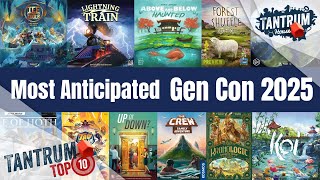
- Exploration-focused gameplay
- Simple to play and set up
- Variable play time based on player choice
- Focus on journey over destination
- Flexible player count from 1-6 players
- Streamlined and efficient gameplay
- Great table presence
- All players participate in shared exploration
- Play time varies greatly depending on exploration level
- Exploration of a crash landing with individual perspectives
- Alien planet
- Narrative exploration and discovery
Mechanics (from transcript analysis)
- communication — Players explain to other people what they're looking at
- exploration — Players explore a planet that is crash-landed on
- Hidden Information/Vantage Point — Each player has their own vantage point they're looking at that no one else can see
- Mission-based — Players try to complete missions while exploring
Video topics + discussion points
Quotes (from this video)
- I love cards that score off of other cards and trying to create combos and synergies
- if I turn this, then this wheel's turning
- I love tile lane games
- that is definitely a different kind of theme that you don't see in board games
- We're big fans of The Crew
- is something better going to come or or do I take what's here
- There hasn't been any deduction games that I know of. Um, I mean, there probably are. Our Gen Con release, but this is the one that really stood out to me
- it's more about the journey than the destination
- pleasantly surprised with how I much I enjoyed uh this two-player fighting game
References (from this video)

- Non-linear, persistent-world feel without requiring the same group each time
- Players can feel lost when first unlocking map areas
- Exploration and persistent knowledge in an evolving world
- segments of knowledge accumulation per session
- Tapestry
- Origin Story
Mechanics (from transcript analysis)
- Independent sessions with persistent world knowledge — Each game is standalone but builds cumulative context about the world.
Video topics + discussion points
Quotes (from this video)
- I'm really not a patient person.
- The heart of the matter, as it turned out, was that testers weren't getting enough options for tapestry cards.
- We are open to reprinting pretty much anything if there's demand and interest in it.
- Patience and presence at the gaming table matter as much as the games themselves.
- I want more positivity in my life and less hate bait.
References (from this video)

- Standalone sessions with replayability
- Accessible to new groups
- Unique exploration experience
- Potentially family-friendly and kid-friendly
- Different from other games in the collection
- Polarizing reception
- Not driven by heavy mechanisms; may not appeal to mechanism-driven players
- Unclear long-term campaign or progression
- Content maturity considerations for younger players
- Exploration, discovery, and survival on an alien world
- A mysterious planet to explore, in a standalone session
- standalone exploratory sessions with potential world-memory effects across plays
- Seventh Continent
Mechanics (from transcript analysis)
- cooperative play — players coordinate actions to achieve objectives
- dice mechanics — dice-based actions or resolution used to interact with the world
- exploration — open-world, location-based exploration with discovery and problem solving
- non-linear/objective discovery — uncover objectives and potential larger goals through exploration
- standalone-session design — each play is self-contained with potential incremental knowledge about the planet
Video topics + discussion points
Quotes (from this video)
- Um, the strength of it is just a standalone session. Like there's no campaign here.
- This could be a very fun type of game to play with a kid.
- It's unlike anything I have in my collection.
- It's been getting a lot of hype. I think it's going to be polarizing as far as whether people like this style of game.
References (from this video)
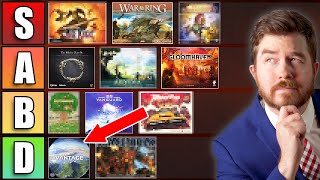
- mechanics feel vapid and lacking agency
- story moments feel rare
- narrative exploration with dice placement
- story-driven with matchless agency
- Kingdom Death Monster
Mechanics (from transcript analysis)
- dice placement — dice-driven encounters with skill checks
Video topics + discussion points
Quotes (from this video)
- This is obviously an S tier game.
- I'm combining a few Clank games here, but they're all A tier.
- I hate Kingdom Death Monster. I hate it.
- This is an easy A tier game.
- This is an S tier game.
- Don't yuck yums.
References (from this video)

- distinct action economy that feels fresh
- strong interconnection between actions
- expansions unlikely; ownership of the core may limit future add-ons
- interface-driven action with a first-person perspective
- Planet-spanning web of interconnected systems
- systematic/world-building
- Rolling Realms
Mechanics (from transcript analysis)
- action_system — Unique action system used to perform tasks and progress on the planet web.
Video topics + discussion points
Quotes (from this video)
- World Wonders is a polyomino game where you're placing mostly flat tiles, but every now and then you're placing a big chunky wonder and it has just a really good set of mechanisms.
- Fairy Ring was a really really neat twist on a drafting game where you're drafting cards like in seven wonders, but you were also moving a fairy around the table onto all the stacks of cards that other players have played.
- I love the joy of browsing without buying.
- It's unlike anything else we've ever played and we love it.
References (from this video)
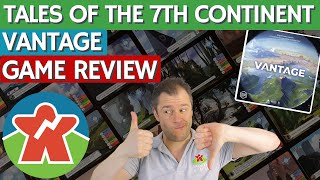
- Simple rules and accessible for newcomers
- High variety of cards, locations, and story elements
- Open-world exploration feel within a single-session structure
- Solo play is viable and engaging
- Rulebook editing and layout could be improved
- Theme/context sometimes clashes with outcomes
- Destiny missions can be long and grindy in multiplayer
- Component quality is average and artwork not standout
- Pacing and game length can vary widely in multiplayer
- Survival, discovery, and narrative-driven exploration on an alien world.
- An expansive open-world planet with modular, card-driven storytelling and exploration.
- Story-driven, card-driven narrative with a strong emphasis on exploration and world-building.
- Seventh Continent
- Sleeping Gods
- Lands of Gausia
- Near and Far
Mechanics (from transcript analysis)
- Card-based items and locations with dice slots — Cards have dice slots and boost slots; dice must be placed to mitigate penalties and gain bonuses.
- Destiny vs mission victory conditions — Multiple win paths (mission victory, destiny victory, or epic victory); destiny paths can be lengthy.
- Dice pool and skill checks — Challenge dice are used to resolve checks; tokens can reduce difficulty.
- Open-world exploration with one action per location — Players move between locations and perform a single action there before moving on.
- Resource management and stat tracking — Track time, morale, and health; refresh mechanics affect card usefulness and ability to continue checks.
Video topics + discussion points
Quotes (from this video)
- This is open world exploratory, you go into this world, you have a little mission. It's a bunch of cards
- Don't pay £80 for this though.
- Two to three hours on it. It can take longer than 3 hours if you play a five to six player game.
- For the price you pay for the box, you're getting mainly the variety aspect.
References (from this video)

- Solid core design, well integrated with newsletter-style world-building
- Engages players with environmental dynamics
- Learning curve and potential ambiguity without playthroughs
- Forecasting and ecosystem dynamics
- Environmental systems and weather-driven world shaping
- Mechanics-first with thematic framing
Mechanics (from transcript analysis)
- unknown — Not explicitly detailed in the transcript; discussed in relation to weather/environment systems
Video topics + discussion points
Quotes (from this video)
- Origin Story and Vantage again this past weekend and they are so so great.
- It was the best game of Flip Seven that I've ever had.
- I played Dave the Diver for about an hour last night and had a lot of fun with it.
- I've played Point Salad, but I have not played Point City.
- I run a board gaming club at my school in which I have been playing Obsession and Brass Lancashire.
References (from this video)

- Pre-order / preorder possibility noted
- Studio pedigree (Stonemaier-analogue)
- Limited info in transcript
- Strategic planning with possible bidding or resource optimization
- Unknown strategic framework, likely Euro-style
- Mechanics-forward, with light theme
Mechanics (from transcript analysis)
- unknown — Unspecified mechanics discussed; used for strategic decision-making
Video topics + discussion points
Quotes (from this video)
- we have only 20 minutes to research and buy games
- you will be able to write in the comments which game we should buy
- it's accessible and not that expensive
- it looks like a lot of fun
- real time betting
- it's a betting game where the horses run and you're betting in real time
References (from this video)
- Huge scope and depth; deep strategy
- Thematic weight and long-term planning
- Contested opinions on accessibility and balance
- Can be polarizing due to its heavy design
- River of Gold
- Lords of Water Deep
- Kingdoms
Mechanics (from transcript analysis)
- Hidden/deck-building and modular actions — Players build a personal tableau that evolves, unlocking new options as the game progresses.
- Resource management and worker placement-like decisions — High interactivity and tension as players invest in actions that influence others.
- Variable board/modules — Different map layouts or modules impact strategy and end-game scoring.
Video topics + discussion points
Quotes (from this video)
- Would you say that the main message behind this game is that only suckers take the bus?
- It's a masterpiece of a game.
- This is a big game actually. A roll and write, Tend.
- Aridia is a masterpiece of a game.
References (from this video)
- Accessible to learn, simple setup in practice
- Strong solo mode and six-player potential
- Clear emphasis on exploration and player storytelling
- Multiple win paths beyond fixed scoring
- Ambiguous win conditions may frustrate players seeking clear goals
- No campaign or campaign-like persistence between games
- Pacing can be slow and open-ended for some groups
- Exploration through shifting viewpoints and personal interpretation; non-linear goals
- Aboard a spaceship orbiting a planet; landing across a diverse range of locations on the planet
- Emergent, player-driven, minimal fixed narrative
- Seven Continent
Mechanics (from transcript analysis)
- Card-driven outcomes and placement — Each action reveals a card with cost and outcome, which may require placing a die result on a card to track progress; cards provide resources or effects
- Dice-based action resolution — On your turn you perform a single action by rolling dice tied to your character, potentially paying skills to roll more dice; higher dice costs more resources
- Exploration and discovery loop — The planet features many landing locations (around 120) to explore; the journey itself constitutes the experience
- Mission and Destiny objectives — At game start you receive a mission; players can also pursue destinies; multiple victory paths and a non-fixed end condition
- Open information localised cards — In multiplayer you view others' cards through a display or book; you can hide information and view only your own card to plan actions
- Resource management — Resources such as time, health, and morale are spent; hitting zero ends the game; actions either succeed and cost resources or fail with consequences
Video topics + discussion points
Quotes (from this video)
- This is a very unique game.
- You win if you have fun.
- the journey is kind of your destination.
- There are no points; you win by fun and enjoy the journey.
- The game play is very basic.
- This is a weird game.
References (from this video)
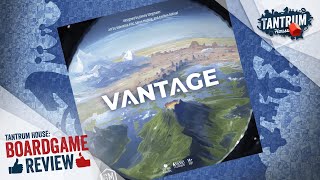
- Strong open-world, exploration-driven design with a cohesive mission structure that supports both variety and a sense of forward momentum.
- Meaningful asymmetry and character upgrade options significantly enhance replayability and provide distinct paths through the game world.
- Cooperative play is well-supported by shared information mechanics and the ability for players to contribute tokens and support actions for teammates.
- High-quality components and well-designed location cards contribute to ease of play and the clarity of what each choice represents on the board.
- Setup is relatively efficient for a heavy game, and the sweet spot in player count tends to be 2–4, reducing downtime while preserving strategic depth.
- Downtime can become substantial at higher player counts, hampering pacing and potentially diminishing engagement during long sessions.
- The sheer volume of cards (and their organization) can be cumbersome to set up, manage, and store, especially in multi-session play or large tables.
- Because many location cards offer one-action-per-card options, there is potential for 'FOMO' as players weigh which path to pursue and may regret not choosing alternate options.
- Teaching the game and learning the rules can be a non-trivial barrier for newcomers, given the cooperative complexity and the interaction between dice, tokens, and story outcomes.
- The game is not campaign-based, which some players may see as both a relief and a drawback depending on preferred play styles; it requires deliberate time investment in single sessions rather than building a long-running arc.
- cooperation, exploration, problem solving, and adaptive storytelling in a procedurally generated world
- Crash-landed on an alien planet with multiple biomes to explore and a shared goal that unfolds through player-driven discovery
- story prompts delivered via color-coded books read aloud by players, driving the outcomes of actions
- Tales of Arthurian Knights
- Tales of Arabian Nights
- Western Legends
- Seventh Continent
- Sleeping Gods
- Time Stories
- Lord of the Rings: Journeys of Middle Earth
Mechanics (from transcript analysis)
- asymmetry with upgrades — Each character has unique starting traits and upgrade paths that shape playstyle over time. Upgrades unlock new options and can alter how challenges are approached, providing a sense of progression within single sessions and across multiple plays.
- Cooperative action economy — On a given turn, players collectively pursue a shared objective by taking one primary action each, with other players able to contribute in supportive ways (sharing information, providing resources, or allocating tokens) to influence outcomes. This creates a sense of joint problem solving rather than a strict turn-by-turn individual pursuit.
- destiny cards and mission structure — A randomly generated main mission at setup, plus optional destiny cards that add longer-term goals. This framework supports varying story arcs and increases replayability by altering objectives across sessions.
- dice resolution and card-slot placement — Players roll a pool of challenge dice to determine the tier of effort required to complete a chosen action. The outcome can be mitigated by spending matching skill tokens, and any excess dice that cannot be placed on available slots are activated later, integrating a tactile puzzle aspect into action resolution.
- location- and card-driven actions — Locations present multiple action choices, but the base rule often restricts a card to a single action per game, which forces players to prioritize, manage risk, and weigh the benefits of immediate gains versus future possibilities.
- open-world exploration with non-linear progression — The game emphasizes exploration across a diverse planetary map, allowing players to pursue different routes, encounter a range of locations, and improvise paths toward mission completion rather than following a fixed script.
- puzzle-like dice management — Rolling challenge dice and then assigning them to slots creates a logical puzzle: which dice to place where to optimize results, and which actions to prioritize given current resources and board state.
- skill tokens and mitigation — Skill tokens tied to action types function as a resource that can reduce the number of dice rolled for a given action. Other players may also spend tokens to support a teammate, reinforcing the cooperative aspect and encouraging coordinated planning.
- storybook-driven outcomes — After resolving dice, a designated reader consults a color-coded story book to determine the narrative result of the action. The reader then feeds back the consequences to the players, tying mechanical resolution to short, digestible narrative segments rather than lengthy prose.
Video topics + discussion points
Quotes (from this video)
- Vantage is an open-world mission-driven board game for one to six players that takes about two to three hours to play.
- You'll always be successful with your action. It just may cost more depending on your role.
- Two to four players is probably the sweet spot for us. Two to three is actually probably even a little sweeter for this game.
- I think there's like 800 cards. Did he say? Wow. Lots of cards.
- Open world but with rails; it's open world but with guided choice that keeps the game moving.
- This is probably risen to the top on how it has put this open world into a board game.
References (from this video)
- Intriguing exploration mechanic
- Story-driven
- Limited public info
- story-based exploration
- Exploration/story-driven
- semi-campaign narrative
- Seventh Continent
Mechanics (from transcript analysis)
- Card Play — Card-driven actions during exploration.
- exploration — Exploratory storytelling with hidden information.
Video topics + discussion points
Quotes (from this video)
- the coolest name on this list guaranteed
- Blood Bath nice can it get cooler than that
- let's go five just give it five
- this is going to be the five for me
References (from this video)
- strong exploration and sense of wonder
- rich setting with many discoveries
- high thematic immersion and interaction
- heavy randomness can overshadow strategy
- not a brain-burning or highly strategic experience
- mystery and exploration on an unfamiliar world
- A mysterious planet where a crash landing launches exploration.
- choose-your-own-adventure with book passages and skill checks
- Teroscape (franchise)
Mechanics (from transcript analysis)
- dice-based random outcomes — Skill checks and progression are influenced by dice rolls, introducing randomness into story moments.
- storytelling/adventure progression — Players encounter location-based passages and resolve events via skill checks driven by dice.
Video topics + discussion points
Quotes (from this video)
- the best thing about this game is the exploration and sense of wonder
- it's a choose your own adventure game and not by any means a strategic game
- the board is full of life, crawling with ants
- we love Mindbug and we love King of Tokyo
- the combination just works
References (from this video)

- Strong, characterful composition
- Landscape invites exploration
- Some viewers felt it blends into the backdrop of the game’s art
- Thesaurus
Mechanics (from transcript analysis)
Video topics + discussion points
Quotes (from this video)
- This is my favorite cover of the year.
- Echoes of Time will win because of that bold, cinematic look.
- Deep Regrets is definitely my call here.
- I hate that Star Wars Battle of Hoth cover.
References (from this video)

- Strong emphasis on exploration and emergent storytelling
- Accessible, with fairly light rules
- Campaign-like variability gives high replay potential
- Specific publisher/designer/year not stated in the transcript
- Some players may crave more explicit endgame structure or tighter rules
- Exploration, discovery, teamwork in an unknown world.
- A cooperative mission on a wild, alien planet with multiple locations.
- Open-ended story-driven exploration with changing quests
- Lost Ruins of Varnac
Mechanics (from transcript analysis)
- cooperative play — All players work together to accomplish a mission or quest.
- Dice allocation — Players allocate dice to character cards and items, paying costs with morale, time, or health.
- story prompts — Prompts drive the narrative and quest objectives, varying from game to game.
Video topics + discussion points
Quotes (from this video)
- it's really about exploring around
- this is a cooperative game, you and all your teammates crash landing onto a planet
- it's really about enjoying the kind of stories that emerge as you explore these different parts of the world
- Flip 7 is a really simple push your luck game, round after round
- The Old King's Crown... it's the hottest game right now. People are playing this a bunch
- Lost Ruins of Varnac, which is also from CGE in that you're trying to find a way to keep that round going
- It's war on steroids. Like, there's a million things you can do to augment what you have played
- it's just silly fun
References (from this video)
- High replayability driven by randomness, multiple win conditions, and emergent exploration
- Strong sense of progression through engine-building and vehicle upgrades
- Cooperative exploration and shared decision-making with meaningful player interaction
- Dense world-building with many discovery opportunities and side-quests
- Rule complexity and potential initial confusion for new players
- Significant information management: tracking tokens, tests, and card states
- Limited official expansion support may reduce long-term variety
- survival, exploration, destiny vs mission, personal goals
- Uncharted planet with roaming cities, seas, mountains, and mysterious ruins
- open-ended, emergent storytelling with a game-in-a-game layering
- Seventh Continent
- Gwent (The Witcher)
- Earthborne Rangers
- Groundhog Day (film)
Mechanics (from transcript analysis)
- Deck/locations and engine building — Players acquire location and crew cards; placement creates engine effects and adjacency bonuses that power future tests.
- Destinies, missions and intrinsic motivation — Win conditions can be tied to missions, destinies, or personal objectives, enabling multiple play styles and goals.
- Dice pool and action resolution — Eight base dice in the pool plus two per player are rolled to resolve location and encounter tests; outcomes drive progression and risk.
- Endgame and tempo control — Players can decide when to end; epic victories can be pursued via destiny upgrades or full-grid achievements.
- Exploration and map navigation — A spherical, wrap-around map structure with loose directional cues promotes non-linear exploration and discovery.
- Game within a game (artifact/secret packs) — Secret packs and hidden goals introduce sub-games and branching paths that shape long-term strategy.
- Resource and token economy — Time, health, morale, boosts, and various tokens drive risk management, healing, and engine-building tempo.
- Upgrading and crafting — Items, weapons, and gear can be upgraded or crafted to unlock new actions and enhancements for the grid.
Video topics + discussion points
Quotes (from this video)
- The game is a game within a game
- Embrace random doubles
- End the game when you want
- Groundhog Day vibes meet board game design
- Seventh Continent level of replayability
References (from this video)
- immersive world, strong storytelling, low combat focus
- late arrivals to the table may require longer sessions
- story-driven exploration and lore
- open-world sci-fi planet exploration
- cooperative storytelling with a vast universe
Mechanics (from transcript analysis)
- Open-world exploration — visit locations, interact with inhabitants, uncover lore
- story progression — choose-your-own-path with ongoing narrative arcs
Video topics + discussion points
Quotes (from this video)
- The Emerald Flame was an amazing experience.
- I love a good cooperative game, but I also love a good competition every once in a while.
- This game has just the right amount of moving parts… to really benefit people that can think a few turns ahead.
- Vantage is like Breath of the Wild, but in board game form.
References (from this video)
- unique open-world exploration
- strong emphasis on cooperation and communication
- thematic depth
- potentially long play sessions
- learning curve may be steep for new players
- exploration and discovery through cooperative play
- an open world planet waiting to be explored
- non-linear, player-driven discovery
- Spirit Island
- Unmatched Adventures: Teenage Mutant Ninja Turtles
Mechanics (from transcript analysis)
- card-driven exploration — cards drive where and how players explore and interact with the planet
- cooperative play — players work together to explore a shared world and connect with teammates across distances
- informal fog of war / limited visibility — each player can only see their current location and communications are essential
Video topics + discussion points
Quotes (from this video)
- hours of epic exploration and a world waiting to be discovered from the comfort of our own home planet
- cooperative fight against superpowered villains
- This is currently the number one ranked game on Board Game Geek
References (from this video)
- Strong open-world wander mechanic that encourages emergent storytelling
- Cooperative play with meaningful choices and shared resources
- Flexible goals and multiple victory conditions that support replayability
- Unique dice-slot and boost-cube resource system adds tactical depth
- Hidden vantage information can hinder coordination and lead to confusion for new players
- Complex rules and lots of components can create a steep learning curve
- Certain sequences can feel like dead ends or loops if players don’t align quickly
- Potentially long play sessions with multiple players, which may deter casual play
- Exploration, cooperation, emergent storytelling on a hostile yet fascinating world
- An alien planet with multiple regions explored cooperatively, where each player reads their own vantage card to describe their local view.
- player-driven, emergent narrative shaped by individual vantage descriptions and encounters
- Arkham Horror
- Seventh Continent
- Black Orchestra
Mechanics (from transcript analysis)
- cooperative play — Players work together to survive and pursue optional victory conditions, balancing health, morale, and time.
- Dice pool with skill checks and penalties — Actions require rolling dice with health, morale, and time penalties; players can mitigate dice via tokens and boosts.
- Dice slots and boost cubes — Cards provide slots to place dice (for costs or mitigation) and boost cubes as currency for special abilities.
- Inventory grid and card adjacency — Cards are placed in a 3x3 grid; adjacency can influence synergies, crafting, and resource management.
- Open-world exploration with player-chosen goals — A highly non-linear planet map where players decide when to finish and which goals to pursue (mission, destiny, epic victory).
- Vantage cards as hidden local information — Each player communicates what their vantage card shows without sharing others’, creating a(separator) information asymmetry.
Video topics + discussion points
Quotes (from this video)
- The Vantage overarching rule is always do what's thematic. Always do what makes sense for the planet and seems like it's in the spirit of the adventure.
- One advantage… advantage. You're always going to succeed.
- Don't look at each other's vantage cards.
- Vantage is a sci-fi co-op open world exploration game where we get to decide essentially what the goals are and how long we play.
- We are wandering to find new stuff.
References (from this video)
- world feels alive and reactive
- freedom with purpose and meaningful objectives
- shared yet personal journeys within a cooperative framework
- thrill of discovery and open-ended exploration
- immersive, narrative-driven experience
- open-ended pace may not appeal to all players
- unpredictable session length can be challenging for planning
- heavy narrative reliance may deter players seeking tight, predictable mechanics
- Exploration, cooperative storytelling, personal and shared journeys
- Massive interconnected open-world fantasy exploration
- story-driven with storybooks and script-based encounters
- Sleeping Gods
- Time Stories
- Seventh Continent
- Above and Below
- Near and Far
Mechanics (from transcript analysis)
- card action — execute actions on personal or shared cards to modify outcomes or dice results
- depart action — move to a new location using its own book and trigger new sequences
- dice-based tests — roll dice to resolve tests and assign results to cards, with time, health, and morale consequences
- location action — perform actions from your current location, triggering related events and tests
- six action categories — move, look, engage, help, take, and overpower, each prompting a test and a dice roll
- storybook prompts — story prompts read aloud by other players to drive unfolding events
Video topics + discussion points
Quotes (from this video)
- The world is alive and reactive with exploration at every turn
- Freedom with purpose—there's no single path, but meaningful goals guide you
- Shared yet personal journeys let you carve out your own path while contributing to the team
- Open-ended pace and unpredictable session length may not appeal to everyone
- This is an immersive experience—almost a Blue Planet of games
References (from this video)
- Evocative, detail-rich card art with hidden details
- Some clever, quirky situational moments that land occasionally
- Ambitious attempts at town-building and narrative fragments
- Illusion of choice with little real agency or meaningful decision-making
- Exploration reduced to watching scenes play out rather than interactive discovery
- No true failure state or consequence, removing tension and learning opportunities
- Cooperation feels hollow or ceremonial rather than collaborative
- Cozy aesthetic read as sterile and emotionally distant rather than warm
- Side-quests feel disconnected and lack a cohesive overarching narrative
- Long playtime with mechanically vapid core actions
- Exploration, discovery, and a gentle storytelling vibe with a critique of cozy-game pretensions
- Exploratory scenes revealed through location cards in a stylized, cozy-adventure frame
- Fragmented, card-driven snippets that aim for charm but often feel hollow
- Peak
- King's Quest
- Monkey Island
- Dragon's Lair
- Leisure Suit Larry
Mechanics (from transcript analysis)
- card-driven exploration — Move by selecting a compass direction on a current location card and flip to reveal a new scene
- Cooperation via shared goals and items — Limited cooperative interaction through exchanging equipment and triggering effects when dice match symbols
- Dice employment and placement — Roll dice and place them on cards; unplaceable dice go to a penalty zone causing damage
- Guaranteed success (no-failure mechanic) — All actions succeed by design, removing traditional challenged outcomes
- Roguelike labeling vs. actual play — Publisher markets as roguelike, but the play largely lacks roguelike tension or failure-driven progression
- Single-action-per-location constraint — Choosing an action on a card ends further interaction on that location, limiting exploration
- Time tokens / symbol slots — Use time symbols to activate actions; filling slots mitigates negative effects and enables progress
Video topics + discussion points
Quotes (from this video)
- Vantage is exploration with the illusion of choice.
- The game simply strips away what little agency I had left, leaving the experience to be less about discovery and more about rolling dice.
- Vantage isn't cozy.
- Every action succeeds no matter what.
- Cooperation is nothing more than a check box on the back of the box.
References (from this video)
- Inspired by Nations for scalable difficulty
- Multiple difficulty levers for players to adjust
- Balanced cooperative gameplay
- Accessible difficulty tuning
- Cooperative
- Nations
Mechanics (from transcript analysis)
Video topics + discussion points
Quotes (from this video)
- The one thing I've realized from playing on board game arena is that I'm out of practice on scoring games. So I would say to game developers, make sure scoring is streamlined and not too convoluted.
- Musical immersion and satisfying feedback for interacting with the game. Fun game vs fun video game actions may not even have any actual utility, but they still feel good.
- Don't forget to design catchup mechanisms. The way Mario Kart World weighs its items based on racer position is such an enjoyable simple catch-up mechanism.
- Video games reward you for completing tough challenges with meaningful unlocks. Trek 12 is my favorite example of this.
- Video games stay fresh through patches, updates, and community content.
- Video games let you tailor the challenge to your comfort zone from casual mode to insane mode.
- Video games excel at simultaneous engagement. Everyone's playing all the time. Imagine Mario Kart where each player races one at a time instead of all at the same time.
- There are few things that are more intimidating than a 20 plus page rule book. Video games drop you into the action quickly and teach you as you play.
- Board games often withhold feedback until the final score tally. Video games give you constant feedback loops. Mid-game checkpoints and milestones could help players better understand how they're doing.
- I am much more of a tabletop game player than a digital game player. But I over the last few years, especially in researching Vantage, I researched a lot of video games.
References (from this video)

- Ambitious world-building and a strong solo experience
- Players frequently encounter surprising discoveries and evolving gameplay on repeated plays
- Designed to scale well with different player counts while using nearly all components at higher counts
- Complex for new players; learning curve can be steep
- The richness of the world can be overwhelming without guidance
- Exploration, environmental interaction, and engine-based planning
- A distant world with evolving locations and a richly described planet
- Deep world-building with a strong sense of discovery and long-term payoff
- Seven Wonders Duel
- Wingspan Asia
- Dune Imperium Uprising
Mechanics (from transcript analysis)
- Automa/solo mode — A robust AI system allows players to experience a satisfying solo play that mirrors a rival human opponent.
- Dynamic action grid — A card-grid system where actions and outcomes evolve based on player choices and known world rules.
- engine-building — Players assemble an action engine that evolves over the course of play, with interactions between locations and resources.
Video topics + discussion points
Quotes (from this video)
- I am continually surprised by what I find. I know the world pretty well, but I can't possibly remember all that stuff. And so when I'm playing Vantage, I am continually surprised by what I find.
- It is no longer just a two-player game. It is a one to two-player game. And if you already own Tokido Duo, you can just buy the solo mode that we have on our web store.
- The solo mode is built on the Automa system—something that has become a signature for our games.
- There's more power in positivity than there is in negativity. If you have a really good experience with a game, it's worth sharing it so others can discover it too.
- Everything in the box is used at higher player counts; there are a few dice you might not use at low counts, but almost everything else sees use.
References (from this video)

- Immersive, expansive world
- High replayability and story depth
- Potentially time-consuming; no hard objective
- story-driven exploration with destinies
- Open-world planetary exploration
- RPG-like, immersive
Mechanics (from transcript analysis)
- Open-world exploration — Choose actions at locations; roll to resolve tasks
- Reference books — Books guide outcomes and upgrades
Video topics + discussion points
Quotes (from this video)
- Nobody expects the Spanish Inquisition.
- The only thing you can count on in this game is chaos.
- If you've got a rowdy and loud family, Hot Streak is going to be for you.
- Beige box belies its depth.
- This is a no-brainer for any Lord of the Rings fans.
References (from this video)
- immersive world-building; strong sense of discovery
- cooperative flow with shared discovery
- story prompts can be open-ended; may rely on group alignment
- exploration, contact with sentient beings, mission objectives
- alien planet exploration; world-building narrative
- emergent story through exploration and dialogue
Mechanics (from transcript analysis)
- cooperative exploration — players collaborate to gather information and advance the mission.
- Story-driven exploration — encounters with inhabitants and locations influence progress.
Video topics + discussion points
Quotes (from this video)
- This game has a lot going on.
- the middle player counts works pretty well for this one.
- It's not cooperative. It is too short.
References (from this video)

- has interesting hidden information mechanics
- enjoyed solo play discussion
- limited concrete detail in transcript
- hidden information and exploration
- space/fantasy planetary exploration
- semi-cooperative with secrets
Mechanics (from transcript analysis)
- Secret information — players hide information and reveal strategically
Video topics + discussion points
Quotes (from this video)
- This is the five best games we played in 2025 and five games we're looking forward to playing in 2026.
- I interviewed Reiner yesterday. It was fun.
References (from this video)
- Detailed components
- Innovative story book system
- Extensive exploration
- Modular design
- Interesting dice and action mechanics
- Cannot sleeve cards
- Potentially complex gameplay
- Might be best at lower player counts
- Exploration adventure
- Open world planet exploration
- Story-based exploration
- Land of Gala
Mechanics (from transcript analysis)
- action selection — Players choose actions from different colored dice and books
- Location exploration — Exploring different locations on a planet with multiple story books
Video topics + discussion points
Quotes (from this video)
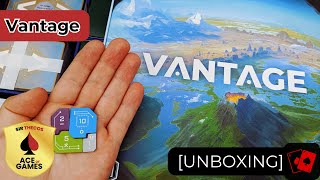
- I'm beyond excited because today I will be unboxing Vantage
- This is exactly what I like
References (from this video)
- Strong thematic immersion in ocean exploration and survival
- Weighted dice mechanic adds depth and excitement
- Rich visual art and engaging narrative flavor
- Flexible toolkit for underwater play and creature interactions
- Learning curve can be steep due to many interacting rules
- Some scenarios are punishing with hypoxia and timing requirements
- Inventory/grid and card management can become intricate
- Survival, discovery, and interaction with water-based life and environments
- Ocean world exploration on an alien planet with surface and underwater environments
- Open-ended, mission-driven exploration with traveler text, spells, and evolving encounters
- Indiana Jones Challenge (in Vantage)
- Other ocean-themed adventures in Vantage
Mechanics (from transcript analysis)
- character/animal companions — Companions provide bonuses, capacities, and unique interactions that shape choices
- combat/defense vs. hazards — Choose to defend allies/creatures or engage threats, resolved through dice and special abilities
- cooperative exploration — Multiple actors (player character, companions, and animals) influence location-based events and outcomes
- dice-drafting — Roll and allocate dice pools, manage boosts and setbacks, and perform actions with varying costs and outcomes
- Resource management — Collect and spend resources (items, gold, spells, cards) to sustain and enhance capabilities
Video topics + discussion points
Quotes (from this video)
- The ocean ahead is vast. If you proceed this way, you will choose between holding your breath underwater and staying on the unpredictable surface.
- This is a terrible thing to do, but I'm going to learn this lesson first.
- Weighted dice make for some surprisingly powerful turns.
References (from this video)
- Clue-rich, multi-path open-world feel where players discuss and infer what actions imply
- Strong table-talk and collaborative problem-solving
- Ambitious, large-scale design with branching routes and flow-chart style progression
- Dice mechanic feels thin and intrusive to storytelling
- Risk is minimal since player can recover or ignore threats
- No true save mechanic; long replays can be tedious
- Open-world feels aimless and unlinked without strong narrative cohesion
- Exploration, survival via skill-based actions and cooperative puzzle solving
- Space crew crash-lands on a planet; exploration across locations via action-encounter books
- Narrative-driven with branching encounters and personal interpretation
- Tales of the Arabian Nights
- Fighting Fantasy
- Lone Wolf
- Death Trap Dungeon
- Forest of Doom
- Forest Doom
Mechanics (from transcript analysis)
- Action selection from three options per turn — Choose a location action, card action, or depart action; location actions lead to dice-based challenges
- Boost cubes granting special abilities — Boost cubes spent to activate character abilities; can mitigate penalties
- Character cards with unique abilities and slots — 3x3 grid and slots for cards; cards are moved from reserve as you fill play area
- Dice-based challenges with penalties and mitigation — Roll dice to resolve actions; penalties reduce health/time/morale unless mitigated by tokens
- Inventory/penalty management on cards and items — Tokens can be allocated to cards to absorb penalties; some cards influence dice outcomes
- Sequential location books and color-coded actions — Actions route to different color books; each color corresponds to a type of action
Video topics + discussion points
Quotes (from this video)
- This is like Tales of the Arabian Nights on steroids.
- It's basically just an elaborate game book.
- The table talk that you get from discussing what you are going to do is fantastic.
- This game has taken a huge risk... eight years to create this game.
- Open world wanderings feel aimless.
References (from this video)
- High replayability due to randomized seeds, destinies, and missions
- Rich discovery loop with numerous encounters and puzzles
- Artsy, immersive card art and storytelling through text
- Flexible play: solo, two-player, up to six players
- Book of Secrets and reference materials add depth and puzzle-like elements
- Rulebook typos and misprints requiring FAQ or rules pop for clarification
- Heavy text density and rules complexity can be intimidating
- No persistent world; resets may disappoint players seeking campaign progression
- Potential downtime in larger player counts due to reading and decision points
- Printed components bulky; app tools are not official, causing fragmentation
- Discovery, exploration, survival, and interaction with alien flora/fauna and sentients.
- Planetary exploration after spacecraft crash on an uncharted world; modular world seeded each game.
- Text-driven storytelling via story books and in-game записи; heavy emphasis on world immersion through cards and books.
- Lands of Galier
- Seventh Continent
- Seventh Citadel
- Earthborn Rangers
- Sleeping Gods
Mechanics (from transcript analysis)
- boosts and tokens — Boost cubes and skill tokens are spent to modify dice results, with tokens able to be placed on cards to alter outcomes.
- cooperative information sharing — Players share discoveries and world knowledge; notes can persist across sessions to aid future plays.
- destinies and missions — Victory is determined by completing a mission, a destiny, or both; epic victory if both are completed.
- dice-based skill checks — Actions resolve via rolling challenge dice and skill dice, with punishments and potential boosts.
- one action per turn with potential continuations — Each turn consists of a single main action, with possible continuations depending on outcomes, which lengthens some turns.
- random seed / map seed — Planetary layout and encounter cards are seeded randomly, driving replayability and variety.
- roguelike / rogike — Single-session resets; world resets between plays with randomized seed and new card encounters.
- story books / book of secrets — Story entries in multiple books guide actions and outcomes; a glossary and occasional spoilers guide exploration.
- tableau + reserve management — Each player builds a character tableau around a central character card, with add-on cards and a vertical reserve card that can be swapped in/out.
Video topics + discussion points
Quotes (from this video)
- This game fully resets
- Rogike is a thing; it's a game you play that fully resets every time
- It's a sandbox choose your own adventure
- This is Vantage on board gamegeeek.com
- This game is cool
References (from this video)
- Extensive content
- Multiple discovery paths
- Beautiful illustrations
- Unique exploration concept
- Lack of meaningful collaboration
- Vague action descriptions
- Limited interconnectivity between player stories
- Exploration and discovery
- Alien planet with space explorers
- Standalone adventure with multiple possible paths
- Sleeping Gods
- Earthborne Rangers
Mechanics (from transcript analysis)
- Dice rolling — Used to determine actions and outcomes
- location-based exploration — Players navigate through different vantage cards
- Skill token spending — Reduce challenge levels of actions
Video topics + discussion points
Quotes (from this video)
- Vantage is nominally a cooperative game, but there's very little to do with collaboration.
- This sort of open-ended go forth and find your fun is going to really make or break your time with Vantage.