You are the founder of a new village during the middle ages, in the years after a great plague. The loss of so many people has created big problems for the survivors. Many of the people the villagers used to depend on for essential things like food, shelter and clothes are gone. Craftsmen find themselves without suppliers of raw materials, traders have lost their customers and many have lost their farms and workshops as they escaped the plague.
The roads are full of refugees seeking a new beginning. They come to you, hoping to settle down on your land and make a living. Your grain farm is the ideal starting point for a village, reliably providing food for many people. You must choose wisely who you allow to settle with you, as your food and resources are limited.
The people on the road have valuable and unique skills, but they all in turn rely on other people with very specific crafts to be able to work. Raw materials, tools and services must be provided by other people from the road.
If you manage to find people that can work together to make a profit, while increasing your food surplus and capacity for building new houses, your village will be prosperous.
The game comes with a solo mode where a lone village strives to prosper in spite of the dreaded Countess and her evil machinations.
—description from the publisher
- accessible engine/ tableau-builder
- tactile feel; varied character choices
- potential for repetitive paths
- depends on group preference for tableau-building
- tableau-building through character drafting and tech progression
- fantasy village setting
- Cartographers
- Lost Cities
Mechanics (from transcript analysis)
- tableau-building — draft characters to build an engine and generate points
- tech-tree progression — unlock and improve character abilities to boost scoring
Video topics + discussion points
Quotes (from this video)
- I love the scoring mechanism in this game
- it's a great progression from a game like Carcassonne
- this game had a tendency to go too long
- one-trick pony ... not really a game we're ever going to go back to
- this for me should have been a 45 minute game sadly sometimes it did end up 90 minutes
References (from this video)
- highly thematic
- great two-player experience
- builds town atmosphere
- worker interactions feel natural
- upcoming expansion with changing seasons
- town building
- village management
- character interactions
- Streets (sister game)
Mechanics (from transcript analysis)
Video topics + discussion points
Quotes (from this video)
References (from this video)
- Diverse artwork and thematic appeal
- Appears to deliver a strong tableau-building/engine feel
- Balance and pacing depend on player count and interaction
- creative village development and identity
- Tableau-building village
- Near and Far
Mechanics (from transcript analysis)
- Engine-building / synergy — Card play creates ongoing effects that chain into future turns and actions.
- tableau building — Players assemble a personal tableau of cards to represent evolving village capabilities and visuals.
Video topics + discussion points
Quotes (from this video)
- "five about five games from our shelf of shame that we are going to play and put on the table"
- "we're going to go that is the goal"
- "we're swimming because you know no family... we are a family first"
- "learn the rules"
- "we are going to do this because we're telling family"
References (from this video)

- Beautiful artwork with diverse representation
- Inclusive character design
- Thematic gameplay
- Sensible profession connections
- Quick to play
- Want to play again immediately
- Excellent card quality
- Paying opponent villagers can be frustrating
- Sometimes forced to deal with opponent pricing
- Building a functional village community
- Medieval village building
- Thematic and inclusive
Mechanics (from transcript analysis)
- Hiring opponents — May need to pay opponents to use their villagers
- Profession matching — Match villagers with professions to build services
- Village development — Build integrated community
- worker placement — Use villagers to complete objectives
Video topics + discussion points
Quotes (from this video)
- love it love it love it
- that's gonna be a real big part of our collection
- Lost Cities is a two-player game it's evil y'all
- happy frustration
- it's kind of funny funny
- i like it better this time
- games have to grow on me
- beautiful game loved it oh man omg
- i love the artwork diverse
- this may be one of our favorites
- we are disappointed
- we didn't build a fort
- what are we doing
- if you ain't have fun what you doing
References (from this video)

- Ranked in top 1000 games on BoardGameGeek
- Solid drafting mechanics
- Characters feel same after playing multiple times
- Got stale with repeated plays
- Similar mechanics to other drafting games
- Dropped from 7 to 6 out of 10 for the reviewer
- Building a village with drafted characters
- Village building and character drafting
- Drafting gameplay
- Sushi Go Party
- Stephen Wonders
Mechanics (from transcript analysis)
- drafting — Drafting different characters
Video topics + discussion points
Quotes (from this video)
- the whole concept of it is like the well as titled with the series the fear of missing out which is oh this is a really cool game oh i should totally buy it
- i don't want to generate artificial hype for kickstarters and that because the whole concept of it is like the well as titled with the series the fear of missing out
- at 200 pound this just seems very very pricey and i'm curious as to what is generating that money
- i really enjoyed this i got into the theme i that i thought it was very thematic i thought it was well produced it was a great little puzzle
- i'm tempted to back this and but yeah i mean that's 200 bucks i'm not even including add-ons
- but to know that i've gotta find a second player which is not easy because i live alone that's the problem
- it's only a game whether it's retail or kickstarter expensive or cheap take care bye for now
References (from this video)
- Thematic and accessible
- great family weight game
- population, resources, and growth
- medieval village post-plague recovery
- Suburbia
- Cities
Mechanics (from transcript analysis)
- open drafting — draft villagers/resources to develop buildings
- set collection — recruit villagers to work in your village
Video topics + discussion points
Quotes (from this video)
- Acropolis looks great.
- Don't cut marketing.
- we going to always be 100 up the tariffs time.
- Breaking news. Breaking news.
- I love our community and our chat.
- We’re going to always be 100 up the tariffs time.
References (from this video)
- Beautiful card artwork
- Thematic occupations
- Set collection satisfaction
- Player interaction
- village_building
- occupations
- economy
- community
Mechanics (from transcript analysis)
Video topics + discussion points
Quotes (from this video)
References (from this video)
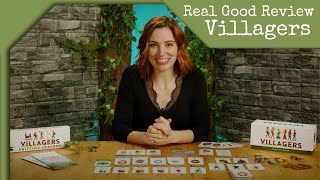
- Unique village building mechanism
- New Clay suit adds complexity
- Seasonal event cards provide variety
- Single-player monastery mode
- Village Building
- Medieval World
- Post-Plague Survival
Mechanics (from transcript analysis)
- card drafting — Players take turns drafting workers and placing cards in their village
- set collection — Collecting villager cards with specific suits and abilities
- tableau building — Cards build on previously placed cards with production chains
Video topics + discussion points
Quotes (from this video)
- each round players take turns in a draft phase and then a build phase
- Winner is whoever has the most gold at the end of the second Market phase
References (from this video)

- Elegant art style similar to Streets
- Accessible drafting and scoring
- Rule surface not as tight as Streets (potentially more complex in places)
- Resource management in a quaint village economy
- Village life with markets, families and community growth
- Euro-style drafting with thematic tokens
- Streets
Mechanics (from transcript analysis)
- Modular expansion — Shifting Seasons adds expansions and variability.
- scoring tokens — Tokens provide end-game scoring based on sets and diversity.
- tile drafting — Draft tiles to extend your village with diverse building types.
Video topics + discussion points
Quotes (from this video)
- it's a very easy game to pick up
- the solo mode is my favorite way to play
- it's relaxing city-building game
- I'm going to give it a 7 out of 10
References (from this video)
- potentially affordable
- Bland, boring, repetitive
- not engaging
- tableau drafting
- Village life
- casual strategy
Mechanics (from transcript analysis)
- card drafting — Draft and play cards to develop a village tableau.
Video topics + discussion points
Quotes (from this video)
- it's a great entry level worker placement game for families
- Blitzball's amazing
- I would give this one a good solid eight or nine out of ten
- Final Girl is a great game
- I think this is a fine serviceable drafting game
- the thing is basically my version of Nemesis in all honesty it is an all-in-one box game
- it's just fine
- it's okay
References (from this video)
- Neat ecosystem concept with interactions between villagers.
- Potentially fiddly to manage a growing tableau across sessions.
Mechanics (from transcript analysis)
- card tableau building — Players craft a tableau of villagers with interactions that affect the table dynamics.
Video topics + discussion points
Quotes (from this video)
- I love the card game I designed and she made the game.
- Spring cleaning is officially up for pre-order.
- Not a whole lot of views on these things obviously because they are exclusives but that doesn't matter.
- Ten years later, I designed a game and you could go out and buy it right now.
- Is this going to be a thing I continue to do for another ten years? Time will tell.
- I could have a whole lot more views if I changed things around to target getting a lot more views, but I would have stopped this channel years ago.
References (from this video)
- easy to teach
- family-friendly with depth
- strong solo potential
- tile/card density can feel busy
- not as thematic as some heavier Euro titles
- village growth and worker synergy
- drafting and tableau-building with charming aesthetics
- cozy yet thoughtful
- Cartographers
- Cascadia
Mechanics (from transcript analysis)
- drafting — select workers/cards to add to your tableau
- tableau-building — build a tableau for points and synergies
Video topics + discussion points
Quotes (from this video)
- it's one of my favorite puzzle games in a small format
- it's a purely solo game with just 18 cards
- no two sessions are alike
- the solo mode is simple yet challenging
- this is my updated top 50 solo board games 2024 Edition
- it's a must try in my opinion
References (from this video)
- quick, accessible, and flows well
- blend of drafting and tableau-building creates satisfying decisions
- multiple viable strategies via diverse tech trees
- clear card information and readable design
- tight pacing with low downtime
- strong two-player variant
- acts as a gateway to more complex games
- art style of villagers is odd and the artwork feels soulless
- money tokens are of low quality and lack graphic design
- box says 30-60 minutes, but plays around 30 minutes; 60-minute claim can be optimistic
- a bit of luck in card draw can influence balance
- theme presentation not universally warm due to art
- Resource progression and interdependence among villagers
- Building a village by drafting villagers with varied skills and developing tech trees within a light tabletop world
- tableau-building with evolving card powers and prerequisite chains
Mechanics (from transcript analysis)
- card drafting — drafts two cards per round from a row of villagers to build your tableau
- card unlocking — certain cards unlock others, enabling deeper strategy and combos
- dummy/cards manipulation — dummy cards can be swapped for others to tweak the tableau and improve efficiency
- multi-phase scoring — two scoring phases: mid-game gold coins and end-game coin totals (gold/silver) for points
- prerequisite chains — many cards require other cards to be played first, creating logical progressions
- shared card usage / payments — you can pay another player to use their card's power, generating points for both
- Tableau building / engine building — place cards to form a personal tableau representing your village with evolving capabilities
- token management — money tokens are used for costs and scoring; the review notes visual quality issues with tokens
- two-player variant tweaks — two-player mode includes a mechanic to keep a card in play by placing a coin
Video topics + discussion points
Quotes (from this video)
- the card drafting and tableau-building blend works really well
- it flows nicely and is quick to play
- this is a great gateway to more complex games
- the money resource is shoddy visually
- the art style of the villagers is weird and soulless
References (from this video)

- popular on Kickstarter
- good word of mouth
- well-received by community
- initial lack of interest from author
- village_management
- community_building
Mechanics (from transcript analysis)
Video topics + discussion points
Quotes (from this video)
- it's the Grand Puba of like Gateway Games it's how you get your people from your Monopoly people in to playing everything else that we play
- it's so good that we're giving it the board game coffee seal of approval
- Catan hasn't played a big part in my board game history - Marvel Legendary and Pandemic got me into the hobby
- I think you're gonna like this [about Taverns of Tiefenthal] and then she played and played like three times back to back
- it's weird how I can like a game so much and forget so much about how it plays
- they're so freaking clever they're so cool [about Exit Games]
- I don't think I've a game has ever made me feel as stupid as these games
- dice Throne is a fun battle Yahtzee
- if people like Ticket to Ride and they're looking for something a little bit more complicated... I think this is like the upgrade
- everybody always talked about gunshot clever I had no interest and then... I played this and I was like gunshot clever is so good
- you have to trust the people you're with because it's blind [Quacks of Quedlinburg]
- we're all just happy Canadian people just hugging each other saying sorry apologizing all the time and drinking coffee and donuts
References (from this video)
- Favorite Sinister Fish game
- Fun to build village
- Taunting opponent about village quality
- May have to hire opponent's craftsmen
- Building a village with craftsmen
- Medieval village
- Medieval tableau building
- Moon
- Streets
Mechanics (from transcript analysis)
- engine building — Build profession chains from bottom up
- open drafting — Draft villagers
- tableau building — Build village with craftsmen
Video topics + discussion points
Quotes (from this video)
- Once we discovered how to really play Azul we started playing 8 times
- If someone ask me to give a favorite I have to give you a list
- It all depends on if you're learning the game the right way
- Fossilis is truly underrated
- This is Phil Walker-Harding y'all you know one of the 3,000 games he made in like one day
- We want the whole family we want them all
References (from this video)

- unique theme and thematic coherence
- deep drafting decisions
- point-counting can be tedious
- steeper learning curve for casual players
- resource/tech-tree development via villagers
- medieval village
- Eurogame flavor with drafting and progression
- Key Frames
- Moo Joo
- Combo Games
Mechanics (from transcript analysis)
- card drafting — draft villagers with prerequisites and benefits to shape your village
- Resource Scoring — points accrue from cards and synergies; multiple paths to scoring
- tech-tree progression — build out your village by meeting prerequisites and chaining effects
Video topics + discussion points
Quotes (from this video)
- it's really simple partyish game for two it's fun whenever anybody would suggest playing it I would play it
- the game is actually really simple you have this pyramid of cards and all you do on your turn is either pick one card take it in your possessions or you can destroy the card and get money for it
- there's overwhelming amount of choices because the exact placement of the card will mean the actions on it are stronger
- I really want to play it at least a couple more times to figure out it's staying but I really liked it I like the narrative I feel like the theme really fits the game