Vindication (formerly Epoch: The Awakening) is a highly strategic, fantasy-based tabletop journey for 2-5 players. Play time is 15-30 minutes per player.
Thrown overboard for a life of wretchedness, you wash ashore a hostile island ruins — completely alone with nothing except the breath in your lungs and an undaunted spirit.
Through your advanced resource management, area control tactics, and freeform action selection, you’ll add companions to your party, acquire bizarre relics, attain potent character traits, and defeat a host of unusual monsters in the ultimate goal of mastering heroic attributes — and regaining honor.
You may perform 3 actions on each turn in the order you feel is most advantageous that turn: activate a companion, travel to a new location, and interact with a map tile. Many actions require the the use of your influence to gain attributes in a one-of-a-kind heroic attribute alchemy system, which is leveraged to gain the game's most powerful rewards. For example, you can meditate at a spire to gain inspiration. You can train at a fort to gain strength. But then you can combine your inspiration and strength to gain the courage (inspired strength) which allows you to perform a bounty hunt.
There are distinctive end-game triggers that can be affected through game play, over 72 unique card abilities that can be merged in unusual ways for potent combinations, and fresh tile placement each game for high replayability.
- cool card mechanics
- location control is boring
Mechanics (from transcript analysis)
Video topics + discussion points
Quotes (from this video)
- Remember it's only a game
- I am very much one of these people that if you go after my family or friends there will be hell to pay
- Five out of ten is average, it's a game that I would still play if you put it on the table
- I do really like closed drafting in games
- I love the way that you plan for this sort of stuff
- Power Grid is the worst contender for this, auctions in this just refuse to freaking end
- I want to see it more - the typewriter mechanic
- Area control is just kind of meh
- It's just so many of these games are just like oh we need to make a quick buck
References (from this video)
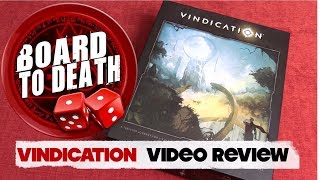
- Strong thematic integration with euro-style resource management creates a cohesive feel
- Robust replay value via variable tiles, regions, and multiple endgame paths
- Excellent production quality: art direction and trays/components noticeably elevate presentation
- Tight player interaction and strategic tension through control, influence, and competing objectives
- Expansion support (Myth & Wonders, Islands) adds new modes and thematic flavor
- Balance considerations exist, particularly around monster power and endgame leverage
- Some players may find the thematic blending a bit dense or diffuse at times
- Endgame trigger balance could benefit from tuning for smoother parity among players
- Redemption and vindication through mastery of attributes, leadership of companions, and strategic endgame planning.
- A mythic island where a lone traveler pursues honor by guiding a band of companions through regions, facing monsters, and balancing influence and resources.
- Narrative-driven board game experience that weaves personal objectives, companion loyalty arcs, and epoch-spanning trials into an overarching mythos.
Mechanics (from transcript analysis)
- Attribute management and conversion — Players grow core attributes (strength, knowledge, inspiration) and convert common attributes into heroic forms to unlock actions and scoring opportunities.
- Companions and championing — Companions join the player’s crew, providing potential abilities, requiring resource investment, and potentially leaving the field if overextended or defeated; champions can be spared or sacrificed for strategic gain.
- Endgame triggers and scoring lanes — Two random endgame triggers drive urgency; players race to maximize mastery, location control, and endgame bonuses to secure victory.
- Influence economy and provisioning — Influence is earned by exerting leadership over companions and regions, enabling you to gain resources, traits, and relics that feed into mastery and scoring.
- Region control and conviction — Regions can be controlled by placing conviction; control grants movement advantages, honors, and influences how opponents interact with the board.
- Trophies, proficiencies, and mastery — Cards and tokens grant proficiencies and mastery across attributes; the player with the most of each type earns mastery bonuses and endgame honor.
Video topics + discussion points
Quotes (from this video)
- Vindication is a very interesting game
- I love the fact that each player's resource per se or on the main board and how it blends euro resource management with a very strong theme
- the art and components with the game trays is absolutely superb
- Vindication gets an 8 out of 10
- there's a lot of replay value from not only the tiles that are revealed but exchanging that for others providing different modes
- expansions including the islands guilds and favours add additional layers to explore
References (from this video)

- Incredible variety in every playthrough
- Sandbox gameplay allows multiple strategies
- Streamlined turn sequence despite complexity
- Strong artwork and component quality
- Generates vastly different tablescape experiences between players
- Thin theme - mostly abstracted
- Not for everybody - Marmite style game
- Mammoth to set up in terms of box and board size
- Varied - players choose their own narrative path
- Fantasy adventure world
- Sandbox narrative with individual character progression
Mechanics (from transcript analysis)
- Attribute juggling — Manage six different attributes (strength, wisdom, knowledge, etc) by moving cubes
- Companion system — Collect three different types of unique companions
- Location exploration — Explore different locations in the world
- Monster Hunting — Kill monsters for rewards and progression
- Mount system — Acquire different mounts with varying levels
- Relic collection — Collect relics as treasures
- sandbox gameplay — Players decide their own path: collect followers, ride high-level mounts, hunt monsters, harvest relics
- Trait system — Attain various traits to customize your character
Video topics + discussion points
Quotes (from this video)
- It's the lower end of middle weight but I still think it's a solid game
- Medium and heavy weight doesn't mean that it has to be the most complicated fiddly thing to get through
- I love it when a game is just smooth streamlined gorgeousness
- This is a fantastic laugh out loud euro game
- This is definitely my definitive space game
- How dare you not play this game sooner
- The variety in this game is off the friggin scale
- This game just ticks all the boxes for me
- It seems like this game was designed for me
- Regardless of what's light medium or heavy as long as you're playing at the right stage for you it's only a game
References (from this video)
- rich thematic exploration of redemption
- flexible paths with meaningful choices
- expansion options (Chronicles, Hamlet-inspired content)
- expansion bloat can dilute core experience
- rulebook and onboarding can be rough
- redemption, social interaction, and character progression
- island exile with a path to redemption
- story-driven with flexible arc elements
- Fields of Arle
- Cere
Mechanics (from transcript analysis)
- attribute-driven character growth — free attributes (three numbers) drive actions and scoring
- deck customization and item collection — cards and companions influence capabilities and scoring
Video topics + discussion points
Quotes (from this video)
- the daddy of the sandbox genre
- you basically drop into the middle of this Galaxy with a ship and go do what you like
- it's a sandbox Euro that a lot of people are aware of
References (from this video)
- Thematic story elements add character
- Chronicles expansion offers Choose Your Own Adventure style progression
- Event cards add atmosphere
- Base game is perfectly fine on its own
- Chronicles expansion is very table-hogging
- Requires excessive setup with expansions
- Takes up significant space on table
- Event cards cause excessive reading and text
- Results in excessive downtime with four players
- Three events in four-player games is too much to track
- Board gets cluttered with markers
- Story elements elongate game time significantly
- Legendary Powers have balance issues
- Expansions add unnecessary complexity
- Contains luck-swinging mechanics
- Some expansions add negative player interaction
- Choose Your Own Adventure progression
- Legendary character sheets
Mechanics (from transcript analysis)
Video topics + discussion points
Quotes (from this video)
- you're listening to the broken meele show a podcast that speaks passionately about board games for the benefit of those who play them
- it's only a game
- Vindication is perfectly good as a base game only and I don't think you need the expansions
- I cannot begin to stress how much of a complete lie that is this is not a 45 to 60 Minute game
- I have suspicions that the critics have overhyped this one a bit
References (from this video)

- strong thematic hook
- solid mechanics for mid-weight gamers
- rule complexity may deter casual players
- mythic ascension and vindication
- mythic/ancient-inspired sandbox
- thematic, story-leaning
- Calico
Mechanics (from transcript analysis)
- pseudo-4x/hand-management — area control and strategic hand-based actions with modular board.
Video topics + discussion points
Quotes (from this video)
- I am known for my channel Minimum Player Count mainly on YouTube but I first started on Instagram
- Welcome to the show
- we are not going to take it easy on you so maybe you should be a little bit nervous
- stop watching and go play a game
- you can also see some of my videos on board game spotlight
References (from this video)

- Strong theme and replayability
- Vivid integration of narrative through mechanics
- Some components and pacing can feel dense
- Thematic rogue-like with redemption arc
Mechanics (from transcript analysis)
- hand management — Timing and choosing character actions drives progress.
- worker placement — You assign characters to locations to gain resources and abilities.
Video topics + discussion points
Quotes (from this video)
- Twilight Imperium Fourth Edition is an absolute Masterpiece
- Vindication offers some shocking replayability value
- Memoir 44 is probably my favorite war game of all time
- Station 4 is probably the greatest achievement in board game design in the last 10 years
- Monikers is absolutely hilarious
- The cycles edition is about to drop in January
References (from this video)

- Deep integration of action economy with a thematic goal of honor and vindication.
- Strong endgame tension via multiple triggers and mastery scoring.
- Three-player interaction creates meaningful competition for map regions and resources.
- High onboarding complexity and potential for analysis paralysis on turn planning.
- Balance can be sensitive in three-player games depending on who controls key regions.
- Reliance on numerous components (traits, proficiencies, relics) can be overwhelming for new players.
- Vindication of personal reputations through exploration, combat, and influence.
- Isolated island where three morally compromised players vie for honor and power.
- Fantasy-adventure with heavy player-driven storytelling and strategic pressure.
Mechanics (from transcript analysis)
- Area control / region control — Players place influence to control regions; controlling regions grants honor and endgame bonuses.
- Companions and activation — Activating companions provides immediate attribute gains and special abilities.
- Conversion / augmentation — Common attributes can be converted into heroic attributes; cubes can be augmented up the track to stronger states.
- endgame triggers — Endgame can be triggered by multiple conditions (regions controlled, proficiencies, zero cubes, etc.).
- Monsters and relics — Defeating monsters grants victory points and endgame bonuses; relics provide lasting benefits with charges.
- Resource management (cubes) — Cubes represent attributes and currencies (influence, conviction, potential) used to activate actions.
- Secret quests / mastery — Secret goals and mastery tiles accumulate toward endgame scoring; mastery tiles track attribute mastery at game end.
Video topics + discussion points
Quotes (from this video)
- The game ends when two proficiencies exceed the number of players, adding a new kind of finish line.
- Blue pounced at the end by leveraging a strong board position and relics to overtake overall score.
- This was a close three-player race with endgame near at the final turns.
References (from this video)
- Strong core game with thematic depth
- Beautiful components when not tied to bloated expansions
- Becomes unwieldy with too many expansions
- Complex rules creep and setup can be heavy
- Character development and story-driven progression
- Fantasy world with guilds and adventuring
- story-forward with campaign-like depth
Mechanics (from transcript analysis)
- campaign-like events — Expansions introduce events and mechanics that alter play pacing.
- deck-building / hand management — Players acquire cards to build their deck and tailor strategies.
- modular expansions — Mini and main expansions add new layers of complexity.
Video topics + discussion points
Quotes (from this video)
- Be wary if you're a completionist.
- The more stuff you bring out, the more the power level of a bunch of these characters goes up and the harder the game becomes to balance.
- Suburbia is a great Euro game, but the big box and all the expansions just get out of hand.
References (from this video)
- great components
- engaging euro ideas
- big box size; heavy on shelf space
- adventure/quest with exploration and monsters
- Gaia Project
- Twilight Imperium
Mechanics (from transcript analysis)
- cooperative exploration — big box euro-like with island exploration and trait collection
Video topics + discussion points
Quotes (from this video)
- this is experimentation month
- I want to be less stubborn
- the sticker shock issue really rears its head
- please give me feedback about this specific log
- it's a big box if it was a smaller box I think you'd be much more likely to have a state in the collection
- I think it's really important to be introspective and be honest with myself
References (from this video)
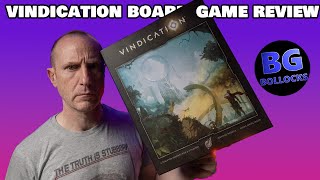
- Strong thematic linkage between story and mechanics; the island narrative is deeply reflected in actions and progressions.
- Huge variety of cards and options (companions, monsters, traits, relics) that keep gameplay fresh across sessions.
- High production value and deluxe components; the presentation and tactile experience align with the engine's ambition.
- Distinct and logical progression: potential converts to influence, influence to conviction, and region control via conviction.
- Named locations and flavorful flavor text reinforce theme and provide mnemonic anchors for strategy.
- Endgame structure with multiple scoring paths adds depth and replayability.
- Miniatures are largely cosmetic and do not influence mechanics, which can feel anti-climactic for some players.
- Abundant expansions create choice paralysis; balancing and integration of numerous expansions can be challenging.
- Some expansions require removing base game tiles or rebalancing components, potentially complicating setup and playtesting.
- Player character minis are absent; the generic metal banners and stands detract a little from immersion.
- Redemption, personal transformation, and vindication through exploration, choices, and social interaction.
- An isolated island where a disgraced individual is given a chance to redeem themselves and regain honor.
- Story-driven with a strong thematic through-line that ties mechanics to the arc of moving from potential to influence to conviction, all framed by named locations and events on the island.
Mechanics (from transcript analysis)
- Action economy and resource flow — Spend influence to take actions; options include visiting regions, activating regions, resting to shift cubes along the player board, and converting cubes from potential to influence or influence to conviction.
- Card variety and deck-building flavor — Hundreds of cards (companions, traits, relics, and more) give broad strategic variety and ensure numerous playstyles emerge from the box.
- Companions and abilities — Acquire companions and place influence on them to trigger associated actions; companions bring unique abilities that shape your engine and provide flexible strategic options.
- Endgame condition management — Multiple endgame conditions create layered decision points and options throughout the game, encouraging long-term planning and adaptive tactics.
- Endgame triggers and scoring — The victory condition evolves during play as endgame condition coins are revealed; players pursue honor points, with the most honor determining the winner.
- Monsters, gates, and combat — Engagements with monsters occur via the gate or monastery; combat is episodic and involves a dice element (black die) that can injure or kill a companion, adding risk management to exploration.
- Movement and speed management — Move up to your current speed along a hex-based map via triangular steps; speed can be upgraded up to five. Movement triggers tile draws when passing empty hexes, creating a dynamic map-building element.
- Proficiencies and mastery — Trade in three cubes of a color to acquire proficiency cards; mastery tiles reward dominance in a color with points (two-card mastery path described in the rules).
- Region control and conviction — Gaining control of regions requires spending conviction; taking control when others are present costs extra (evidence of a strategic territorial system).
- Tile economy and map expansion — Tiles are drawn as you move; regional tiles and tiles adjacent to your tableau influence future actions and options, creating a cyclical economy.
- Traits and Relics — Traits grant ongoing abilities; Relics from the Arcane Tower provide powerful activated effects when fueled by influence cubes.
- Upgrade and progression pace — Upgrading speed requires spending strength at the command post; this provides a structured progression path that affects map mobility and tempo.
Video topics + discussion points
Quotes (from this video)
- Vindication is absolutely awesome.
- one of the very few Euro games that has a thematic link to what's going on with the story and the mechanics
- it's not just an abstract filler and Cube Pusher
- loads and loads of different cards straight out of the box
- the production value is absolutely stunning
- the miniatures don't actually do anything
- it's weird that the deluxified are largely aesthetic
- Vindication has been an absolute Revelation for us
- it's not just an abstract filler and Cube Pusher
- the deluxified are largely aesthetic
References (from this video)

Mechanics (from transcript analysis)
Video topics + discussion points
Quotes (from this video)
- you're listening to the broken meeple show a podcast that speaks passionately about board games
- it's only a game
- I hate pretentiousness in games
- we got to be able to dislike some things you know I'm all about balance you can love something but you got to hate something as well
- I'm worried that they've gone too far
- definitely I think the most complicated game that they have put out ever I'm not joking