The year is 1926, and it is the height of the Roaring Twenties. Flappers dance till dawn in smoke-filled speakeasies drinking alcohol supplied by rum runners and the mob. It's a celebration to end all celebrations in the aftermath of the war to end all wars.
Yet a dark shadow grows in the city of Arkham. Alien entities known as Ancient Ones lurk in the emptiness beyond space and time, writhing at the gates between worlds. These gates have begun to open and must be closed before the Ancient Ones make our world their ruined domination.
Only a handful of investigators stand against the Arkham Horror. Will they Prevail?
Arkham Horror is a cooperative adventure game themed around H.P Lovecraft's Cthulhu Mythos. Players choose from 16 Investigators and take to the streets of Arkham. Before the game, one of the eight Ancient Ones is chosen and it's up to the Investigators to prevent it from breaking into our world. During the course of the game, players will upgrade their characters by acquiring skills, allies, items, weapons, and spells. It's up to the players to clean out the streets of Arkham by fighting many different types of monsters, but their main goal is to close gates to other dimensions that are opening up around town. With too many gates open the Ancient One awakens and the players only have one last chance to save the world - defeat the Ancient One in combat!
- event deck works well as narrative events
Mechanics (from transcript analysis)
Video topics + discussion points
Quotes (from this video)
- it's not even a game it's just like a story
- why is it there this is the game about inventions and this is basically telling me to make cutesy patterns with tiles
- the bane of my freaking life this horrible game
- I just want to feel like right I can do this I can do this
- just design one good game one good game one good mode
- why can't I tell you
- they just made them a lot worse
- it's a red flag to the game is going to suck
References (from this video)
- Rich Lovecraftian theme and setting
- Deep, expansive content with multiple expansions
- Variety of locations, monsters, and events to encounter
- Supports cooperative play, including two-player dynamics
- Good entry point in the beginner series to teach rules
- Very heavy rules and long setup time for new players
- High component count and table space requirements
- Some players may find iconography and terminology intimidating
- Lovecraftian horror, eldritch threats, cosmic dread
- Arkham, Massachusetts, 1920s
- investigator-driven, theme-heavy, mythos-driven investigations
- Arkham Horror (base game)
Mechanics (from transcript analysis)
- cooperative play — Players work together to seal gates and defeat the Ancient One.
- dice-based skill tests and combat — Investigators use skills tested via dice to overcome threats and threats escalate via the doom track.
- gate and other-world traversal — Gates connect Arkham to other worlds; closing gates is central to preventing awakening.
- investigator decks and items — Characters gain unique items, spells, allies, and skills to aid investigations.
- location and clues management — Tokens and locations on the board create clues and gate dynamics.
- Mythos phase — Deck-driven events each turn create gates, monsters, encounters.
Video topics + discussion points
Quotes (from this video)
- we're going to show you what the possibilities are for extending the game
- the basic premise of the game is that ancient forces are stirring beyond space and time
- our aim is to close those Gates or seal them forever in order that the ancient one cannot awaken
- one of the things the Dunwich Horror expansion adds is this new town the nearby town of Dunwich
References (from this video)
- Atmosphere and theme depth
- Cooperative play with shared goals
- Complex rules can be intimidating
Mechanics (from transcript analysis)
- Card-based action resolution — Character abilities and encounters driven by decked actions.
- cooperative play — Players work together to investigate eldritch horrors.
Video topics + discussion points
Quotes (from this video)
- you are on pace to lead our leaderboards
- you've got 15 out of 20 points which is huge
- this will be the final episode so i win right
- the reigning champion of the going analog quiz show
- i love these descriptions these are so good
References (from this video)

- rich Lovecraftian atmosphere and lore
- great group experience with varied expansions
- can be long and convoluted
- ramp-up complexity can be intimidating
- mystery, monsters, and cooperative gameplay
- Lovecraftian investigations in a haunted city
- story-driven with random encounters and investigations
- Eldritch Horror
Mechanics (from transcript analysis)
- boss encounters and doom track — progression toward a climactic final threat
- card/ encounter deck — encounter cards generate events and threats
- cooperative exploration — players work together to solve mysteries and survive encounters
Video topics + discussion points
Quotes (from this video)
- Age of Innovation feels like it delivers the pinnacle experience of that kind of whole system.
- Twilight Struggle is a borderline masterpiece.
- The arc of Twilight Struggle is so exciting; tension grows across the board.
- This is Mage Knight Ultimate Edition—changing it to cooperative mode is incredible; I’d never go back.
- Eldritch Horror highs are the top board game experiences I’ve had.
- Agricola is the best board game we have ever played and it has stayed at the top for years.
References (from this video)
Mechanics (from transcript analysis)
Video topics + discussion points
Quotes (from this video)
- it's just a big mess
- this is the new norm
- it's a ripple effect across the whole thing
- quality over quantity is going to be a big thing moving forward
- expedite fees and premium rates
References (from this video)
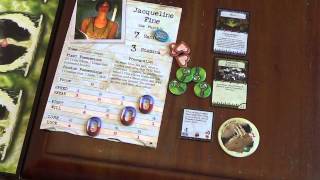
- Strong thematic atmosphere and sense of Lovecraftian menace
- Dynamic escalation through Mythos cards and gate/tile management
- Cooperative tension that rewards planning and risk assessment
- Rule interpretation and corrections required mid-play can disrupt flow
- Complex setup and management of many components can be daunting
- Lovecraftian cosmic horror with investigators confronting eldritch threats and gate-centric calamities
- Arkham, Massachusetts, 1920s
- Cooperative, variable story progression driven by Mythos events and gate/monster management
Mechanics (from transcript analysis)
- cooperative play — Players work together to seal gates, close portals, and thwart a looming eldritch threat.
- Gate and monster movement — Players seal gates to prevent extra-dimensional incursions; monsters roam based on game state and mythos effects.
- Investigator tokens and assets — Characters have unique abilities, items, and clues that influence actions and survival.
- Mythos deck — Mythos cards drive world events, escalating danger, spawning monsters, and shifting the game state.
- Resource and terror management — Terror level, ally availability, and item discard constraints shape strategic choices.
Video topics + discussion points
Quotes (from this video)
- The sky is included in Arkham and the logic then leads me to say well if the sky included then so should the Ala so I think the official answer should be that in Arkham means anything that's not an other world and I think that's the definition I'm going to advise you to go with too that makes sense to me now
- it's going to be nasty because that means all gugs and night gos in Arkham are returned to the cup if at least one monster returns to the cup raise the terror level by one
- FAQs For an upcoming expansion makes it clear that the sky is included in Arkham
References (from this video)
Mechanics (from transcript analysis)
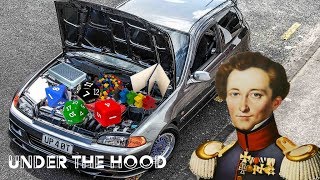
- Dice-driven resolution — dice are used to resolve common checks with modifiers
- encounter charts / charts instead of cards — use of encounter charts to determine outcomes and events
Video topics + discussion points
Quotes (from this video)
- dice are probably the first board game mechanic
- the more sides of the dice the more extreme their variables will be
- dice can add uncertainty to actions and while you may recall vividly the fistful of ones you rolled in an important battle the overall distribution of rolls in the game should balance out over time
- there's really no such thing as luck there's just probability
- get better and stop blaming the dice when you lose
- friction is all the random things that happen in war that turn it from a mathematical challenge into the messy chaotic experience
References (from this video)

- Character deck building
Mechanics (from transcript analysis)
Video topics + discussion points
Quotes (from this video)
- Mechanisms are the heart of every board game.
- Whatever you do, you play new cards, it's epic.
- Engine building is starting with almost nothing and then building a system that keeps on giving you things.
References (from this video)
- investigators defend the world from eldritch threats
- Lovecraftian Arkham
- Eldritch Horror
- Elder Sign
Mechanics (from transcript analysis)
Video topics + discussion points
Quotes (from this video)
- we pick Canadian board game designers who are real life friends against each other
- this is the board game quiz show
- your final score is 12 out of 20
- you can stop watching and go play a game
References (from this video)

- game that made board gaming number one hobby
- big chunky game approaching 20 years
- great cooperative game
- real legacy
- still enjoyable to play today
- strong legacy and history
- investigating cosmic horror
- lovecraft horror
- narrative_cooperative
Mechanics (from transcript analysis)
- Cooperative — big chunky cooperative game
Video topics + discussion points
Quotes (from this video)
- this is my list the video says the top 100 board games of all time but it really is just my top 100 board games of all time
- three minute board games is an independent channel we dont take money from publishers and we do not do any form of paid content
- Mosaic has the ambitious goal of being a civilization game that can be played in two to three hours and it very much succeeds at this goal
- a game that does not need to be played with a traitor because the inherent selfish goals in this game created enough internal conflict
- I love space racing games and space corp is the game that is most racy as far as space racers go
- the term I use instead of gateway game is foundation game
- Sentinels could easily be a forever game the kind of game you just play over and over and over and over again endlessly
- Modern Art is a simple and brilliant and beautiful game and easily the best pure auction game Ive ever played
- Black Orchestra models some very clever things about how conspiracy is run
- when I asked the question hey what game should I play with my non-gamer friend who's interested in gaming but hasn't done much gaming I almost always answer Sentient Golem Edition
- Arkham Horror is the game that really made board gaming my number one hobby
- there are a few things more fun and rewarding in board gaming than organizing a fight in the arena
- Twilight Struggle is one of the best head-to-head games out there
- Santorini is the definition of an elegant design
- Arkham Horror the card game absolutely should be for you it's a hundred percent for me and it is my number one game of 2023
References (from this video)

- Iconic Lovecraftian atmosphere
- Rich thematic setting
- Can be lengthy and rules-heavy
- Mystery and cosmic horror with investigators
- Arkham, Lovecraftian horror
- Spirit Island
Mechanics (from transcript analysis)
- cooperative play — Players work together to stop eldritch threats and explore the city.
Video topics + discussion points
Quotes (from this video)
- it's a web store only and you can buy direct from their store
- it's only a game
- hopefully a couple of them will appear in some of the detailed top 10 videos
References (from this video)
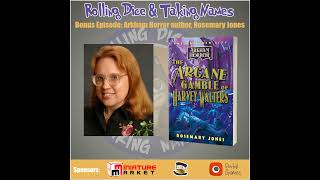
- Rich integration with Arkham Horror universe and expansions
- Atmospheric and historically grounded 1920s setting
- Encourages cross-media storytelling and fan engagement
- Can be bulky and complex for new players
- Experience often expands with additional content
- Investigation, occult horror, cosmic dread
- Arkham, Massachusetts in the 1920s, Lovecraftian town with occult mysteries
- Gothic, film-noir, historical fantasy
- Arkham Horror board game
Mechanics (from transcript analysis)
- Asset management and item/cards — Acquire items, allies, and spells to aid investigations.
- cooperative play — Players work together to solve mysteries and survive horrors.
- Investigator abilities and checks — Characters have unique stats and perform skill checks.
- Mythos deck and gate spawning — Mythos cards trigger events that spawn gates and monsters.
Video topics + discussion points
Quotes (from this video)
- the game isn't over when the book is over. You have to go on as a player and play something else.
- Mask of Silver is perfect for October.
- Bootleggers Dance was such a joy to read on that last page. Was a happy ending.
- As long as you don't put Cthulhu in a paper hat, we're good.
References (from this video)
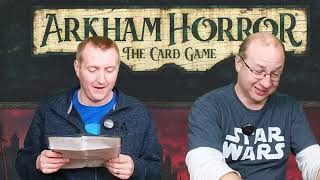
- Immersive Lovecraftian theme and atmosphere
- Cooperative puzzle-solving with deep campaign feel
- High-quality components and thematic tokens
- Engaging encounter deck and location interactions
- Heavy rules and long play sessions
- Can be challenging to stream smoothly with two players due to complexity
- Investigating eldritch horrors, cults, cosmic threats
- Gothic Lovecraftian town of Arkham, Massachusetts
- Campaign-driven, scenario-based with story cards and encounter decks
- Sleeping Gods
- Kingdom Death: Monster
Mechanics (from transcript analysis)
- Asset management — Play cards that provide weapons, items, or allies; manage resources and hand size.
- Campaign narrative with flashbacks — Story elements and memories influence future decisions and outcomes.
- Enemy dynamics — Enemies have hunter and aloof traits; combat and movement affect board state and pressure.
- Flood and doom tracking — Locations can be flooded; doom tokens advance the agenda; environmental hazards influence strategy.
- Investigation and clues — Collect clues to advance the act/agenda and unlock new locations.
- Keys and doors — Colored keys unlock restricted areas; keys interact with locations and agenda progress.
- Skill Tests — Tests to resolve actions (discover clues, fight, evade) with modifiers and outcomes affecting progress.
Video topics + discussion points
Quotes (from this video)
- we are playing Arkham Horror we're on the six Mission
- oh my gosh these tokens are the best
- The hammer is OP
- Sleeping Gods live campaign we're going to do Sleeping Gods live because we really want to do it
References (from this video)

- Immersive Lovecraftian atmosphere that sells a palpable sense of dread and mystery even before the first successful action
- Rich social dynamics: the game rewards coordination, timely risk-taking, and memorable moments that endure in a gaming group’s memory
- Excellent support for larger groups, enabling a lively party-like experience without sacrificing thematic depth
- Distinct, memorable table moments emerge from the tension between cooperation and the randomness of mythic events
- Rule complexity creates a high barrier to entry and a long learning curve, which can dampen spontaneity for newer players
- High variability and luck can divert strategy, producing volatile games where outcomes feel more about chance than skill
- Retail fatigue: sessions can stretch for many hours, potentially leading to fatigue or fatigue-induced mistakes
- Inventory and upkeep rhythm can feel cumbersome, especially when managing a large roster of items and encounters
- Cosmic horror under pressure: ordinary people become extraordinary investigators facing eldritch powers, ancient cults, and reality-altering gateways. The core thematic tension is between human agency, cooperation, and the indifferent vastness of the unknown, with defeat often feeling inevitable unless players coordinate effectively and manage scarce resources.
- A fog-drenched, Lovecraftian metropolis centered on the fictional town of Arkham, Massachusetts, during a period loosely inspired by early 20th-century occult investigations; the board is a map of streets and locations where investigators travel to confront creatures, decipher clues, and seal gateways to other dimensions. The atmosphere blends scholarly investigation with creeping dread, as the threat grows from whispers to cataclysmic events that threaten reality itself.
- Emergent, player-driven storytelling shaped by individual investigator backstories, random encounters, and the unpredictable flow of Mythos cards. The narrative unfolds through a mosaic of successes, failures, and near-misses, with the social dynamics of the group shaping tone as much as any single event card.
- Tichu
Mechanics (from transcript analysis)
- Character progression and trauma — Investigators gain equipment and spells, but trauma and madness introduce long-term penalties that can affect future sessions, creating a balancing act between power growth and fragility.
- cooperative play — Players work as a team of investigators racing against an escalating mythos cycle; success depends on collective action, shared risk, and timely interventions to seal gates and avert doom.
- Encounter, loot, and item management — Players acquire items, spell cards, and allies to bolster their capabilities, while encounters test resource management, decision quality, and risk tolerance.
- Gate/doom track and mythos phase — Gates opening throughout the game introduce monsters and events; the doom track advances as the game progresses, increasing pressure and driving the inevitability of a climactic, dangerous endgame unless players can avert catastrophe.
- Investigator actions and movement — The action economy grants players a limited set of moves per round, forcing strategic positioning across a branching map of locations that each yield distinct encounters, clues, and opportunities for gear and spells.
Video topics + discussion points
Quotes (from this video)
- this was really the game that became my college group of friends and it's like a gamer's party game in a lot of ways
- it's got this like complexity to it that you're going to need people that like power interactions and like all this like it's not simple
- this is a wild random experience where you're jocking, somebody's gonna come out
- it's almost more the story and just like the dynamics that uh than than the end result
- the memories of those sessions still linger when we think about how the night unfolded and what almost happened on the board
References (from this video)
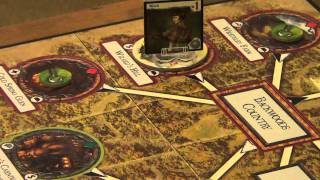
- Strong thematic immersion and atmosphere
- Tense, cooperative decision-making with meaningful consequences
- Varied encounters and location-specific events keep sessions dynamic
- Rules are dense and can be confusing, especially for new players
- Monster surge and limit management can create punishing turns
- Complex tracking of gates, monsters, and vortex effects can slow play
- Lovecraftian cosmic horror, investigative mystery, cooperative survival
- Arkham, Massachusetts, 1920s, open-ended mythos investigations with gate disruptions
- episodic encounters and escalating threats across a connected mythos
Mechanics (from transcript analysis)
- cooperative play — Players collaborate to close gates, seal horrors, and manage resources against a shared doom.
- Investigation and clue tracking — Exploration of locations yields clues that advance the narrative and objective progression.
- Monster movement and threat tracking — Monsters move between locations, with a global limit and vortex mechanics that alter danger levels.
- Mythos phase and gate spawning — Mythos events drive gates opening, monsters spawning, and escalating peril across the board.
- Skill checks (dice pools) — Character stats and dice determine success or failure of clues, encounters, and combat.
Video topics + discussion points
Quotes (from this video)
- five monsters open
- we've got five gates open
- color out of space
- this is such a confusing rule
References (from this video)
- Nostalgic and grand in scale; strong world-building; memorable moments
- Long setup and playtime; can be chaotic
- Cooperative, investigative horror
- Lovecraftian town of Arkham
- Epic campaign with escalating chaos
- Eldritch Horror
- Pandemic Legacy
Mechanics (from transcript analysis)
- campaign progression and upgrades — Character and item upgrades across missions
- Cooperative investigation with chaos tokens — Investigators uncover clues while dealing with a spreading mystery and monsters
Video topics + discussion points
Quotes (from this video)
- This goes to Times Up Title Recall. Ryan's now calibrating how many more plays.
- Carcassonne is a classic. I would totally be down to still play Carcassonne.
- The OG of Quacks of Quedlinburg. We have the OG of it.
- This is Summoner Wars being a fantastic game.
- The decks have their own identities. Day-long KeyForge experiences are special.
- The 3D Santorini with god powers is just incredible.
References (from this video)
- Creates thrills and excitement
- Unpredictable and chaotic
- Board state frequently changes dramatically
- Not suitable for anxiety or focus-based therapy
- Supernatural investigation and chaos
- Cosmic horror with Lovecraftian elements
- High-drama horror adventure
- Pandemic
Mechanics (from transcript analysis)
- Chaos Elements — Sudden surprises and dramatic changes
- random events — Unpredictable board state changes
Video topics + discussion points
Quotes (from this video)
- change your mind you can change the world
- there's a tool for every task
- 95 percent of therapy is building relationship
- the opposite of anxiety is not calmness it's actually trust
- games are vehicles for emotion
- i'm a mood doctor
- failure you the winner you learn
- there is no such thing as a purely rational logical gaming experience
- every single aspect of your life is emotional
- grades are fine but like the way we use grades to evaluate people that is violence
- it's all contextual and it's all what i'm doing it's all what the person is responding to
- games are part of the human experience
References (from this video)
- Massive scope
- Always tense even after hundreds of plays
- Enduring and always replayable
- Lovecraft's inherent racism and xenophobia acknowledged
- Cthulhu mythos investigation
- 1920s Lovecraftian horror
- Horror adventure
- Elder Sign
Mechanics (from transcript analysis)
- Cooperative — Players work together against cosmic horror
Video topics + discussion points
Quotes (from this video)
- Do not adjust your set
- This list is quite different to last year's and I think that mostly reflects what an absolute 2020 has been
- My subjective opinion is biased skewed irrational and probably wrong
- It is very political all war games are political
- So say we all
- What am I doing with my life
- Squishy squishy squish squish squish
References (from this video)

- rich theme and memorable moments
- strong group memory and camaraderie
- notoriously variable pace and occasional gate-burst issues
- can be lengthy and rule-heavy
- cooperative mystery with evolving threats
- Arkham universe, investigative horror across a sprawling city
- campaign-driven, story-forward
- Eldritch Horror
Mechanics (from transcript analysis)
- cooperative play — investigators work together to close gates and seal horrors
- puzzle-solving and exploration — locations, encounters, and lore shape the experience
- scenario-driven campaigns — story arcs emerge with each session and expansion
Video topics + discussion points
Quotes (from this video)
- the sandbox of what's going to happen in this epic Cooperative experience
- the bane of Arkham Horror's existence was the stupid gate burst
- best bang for the buck
- 75 plays
- epic 3D maps
- nostalgic for me
References (from this video)
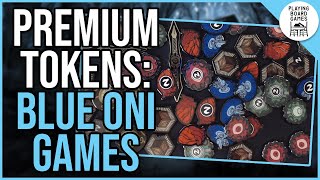
- Keeps components aligned with core game aesthetics and functionality
- double-sided tokens enable tracking of multiple states
- compact, tactile design that reads well on screen and table
- color and graphic design read clearly against dark neoprene play mats
- premium pricing in CAD; may be expensive for some buyers
- token counts may be insufficient for three to four players, potentially requiring extra packs
- token flipping can occur in dense play, though risk is minor
- cooperative investigation against cosmic horrors
- Arkham, Massachusetts, 1920s; Lovecraftian occult investigations and eldritch threats
- scenario-based, player-driven progression with mythos events
- InSmith
Mechanics (from transcript analysis)
- combat and skill resolution — Encounters are resolved via skill checks and combat using dice and modifiers.
- cooperative play — Investigators work together to solve mysteries and survive encounters.
- investigation and item management — Players gather clues, acquire items, and manage resources to progress.
- map/location exploration — Exploration of a map with various locations, investigations, and threats.
- mythos phase / events — A mythos phase introduces new threats, encounters, and escalating danger.
Video topics + discussion points
Quotes (from this video)
- Huge thanks to Blue Owning Games for sending me these to showcase to all of you.
- the number one recommendation if you're looking at adding premium components to your Arkham game.
- location connectors. And these ones are really nice. These ones are really cool because they're also really small.
- the idea behind these components was to keep it very similar to what already existed within the game.
- these are double-sided.
- we play on black neoprene which I think reads really nicely.
References (from this video)
- horror
- fright
Mechanics (from transcript analysis)
Video topics + discussion points
Quotes (from this video)
- everybody game your abc's start with a and end with z
- arkham horror that's a fright
- b is for battle or there's monsters to fight
- cosmic encounter that's right
- fury of dracula he turns into mist she is gone
- shown clever you'll feel so smart
- hogwarts battle defend against the dark arts
- jabberwocky you can't play it alone
- in that runner they don't make it anymore
- on mars get a galactic high score
- paladins for the kingdom
- quellenberg proportions the best
- space space if you like your sci-fi
- viticulture watch those wine grapes get smashed
- welcome to build a neighborhood
References (from this video)
- Strategic optimization of stats (e.g., reducing law to zero to boost luck) can improve odds on checks
- Active use of items and skills (e.g., library use) to modify dice and gain advantages
- Jacqueline's ability to spend clues to draw extra cards or avert effects adds tactical flexibility
- Dynamic mythos events (like the 4th of July parade) create engaging, narrative twists
- Rules complexity and simultaneous management of multiple tracks can be fiddly
- Memorization and careful tracking of encounters, clues, and doom can be demanding
- Doom track and gate/spawn pacing can escalate quickly if not managed
- Lovecraftian horror, investigation, cosmic dread
- Arkham, Massachusetts in the 1920s
- Cooperative investigation with mythos events and location-based exploration
Mechanics (from transcript analysis)
- Encounter cards — Encounter events occur when entering spaces or during specific phases, offering rewards or penalties.
- Gates and monsters — Monsters move through gates; the doom track advances with mythos effects, increasing urgency.
- Investigation/Clue gathering — Players move between locations to collect clue tokens that enable advancement and closing gates.
- Mythos phase — A mythos card is drawn each round, often spawning gates/monsters and driving the story forward.
- Skill checks — Tests based on investigator stats (will, lore, luck, etc.) with die rolls and modifiers.
Video topics + discussion points
Quotes (from this video)
- that's that's good tactical advice
- the odds are stacked in our favor we can't turn that down
- ashcan Pete has a zero law
- I keep forgetting to do that
- let's go for it let's play the game
- every one of these four clues that we potentially spend we've got a 50-50 chance of winning four clue tokens
- I think the four clues is what I want
- a lot of our skill checks are like law minus 1 minus 2, so having a law of one is probably not terribly helpful
References (from this video)
- atmosphere and tension
- complex rules and setup
- lower win rate in some scenarios
- mystery and eldritch threats
- Lovecraftian horror in Arkham
Mechanics (from transcript analysis)
- cooperative_play — players cooperate to stop eldritch threats
- hand_management — managing cards for actions
Video topics + discussion points
Quotes (from this video)
- there are no hard or fast rules to get better board games
- gaming should be fun
- stop blaming external factors on whether you win or lose
- learning can happen in defeat
- the end game can come on you faster than you might initially expect
References (from this video)
- Thematic depth and sense of mythos are very strong
- Vast content and numerous expansions increase replayability
- Cooperative synergy can be very satisfying
- Setup and game length can be daunting
- Story flow can be uneven at times
- Cosmic horror with monsters, clues, and rituals
- City of Arkham, Lovecraftian mythos; investigators exploring to close gates
- Story-driven with exploration, encounters, and clues
- Aldrid Horror
- Eldritch Horror
Mechanics (from transcript analysis)
- Character variety and equipment — Investigators have unique abilities, items, and spells to aid the team
- Clues and gates — Clues are collected to seal gates, which summon monsters and awaken events
- Combat and monster management — Fighting monsters uses a mix of items, spells, and resources
- cooperative play — Players collaborate to seal gates and defeat the Ancient One
- Mythos deck and encounters — Mythos cards drive events, gate openings, and monster movements
Video topics + discussion points
Quotes (from this video)
- it's a pandemic clone once more
- these miniatures they're good Miniatures they're nice good plastic good quality
- you place a fourth so again it's the same limit
- Arkham Horror is a modern classic set in the world of HP Lovecraft
- this is another storytelling game but with a Twist you're playing the part of the Baker Street regulars
- this is the first Cooperative game I ever played and it's a beauty
References (from this video)
- high variability and sandbox feel
- rich thematic immersion
- extensive expansion ecosystem
- high complexity and lengthy setup
- long play sessions can be required
- Investigators facing cosmic horror, eldritch threats and multi-layered events
- Gothic Lovecraftian town of Arkham, Massachusetts; 1920s-1930s
- Event-driven sandbox with high variability and expansions
- Eldritch Horror
Mechanics (from transcript analysis)
- cooperative_play — Players work together to close gates and confront threats.
- expansion_driven_variability — Expansions dramatically increase content and replayability.
- random_event_card_draw — Event cards introduce unpredictable twists and variability.
Video topics + discussion points
Quotes (from this video)
- No more gate burst. Praise the Lord.
- it's leaning into the variability of the game and delivering a completely unique experience every time you play.
- the systems really streamlined from Arkham Horror to Eldritch Horror.
References (from this video)
- strong atmosphere and art
- classic Lovecraftian flavor
- complex rules and lengthy setup
- older edition can feel unwieldy compared to later systems
- mystery, cults, eldritch threats
- Lovecraftian investigations around Arkham
- story-driven horror with atmosphere
- Eldritch Horror
- Mansions of Madness
Mechanics (from transcript analysis)
- cooperative investigation — Investigators work together to avert a looming cosmic threat
- heroic exploration — Players explore a sprawling map with various encounters
Video topics + discussion points
Quotes (from this video)
- I'm a board game sommelier right
- it's not a zombie game it's a survival game that has zombies
- Dead of Winter is a brilliant game and I really like the first time I played it at a convention
- Mansions of Madness second edition is a cooperative game where you play investigators and you choose a mystery and you're trying to solve it
- Nyctophobia is all experience I think for sure
- Pandemic Legacy Season One it's like playing a movie and all these twists and turns in the narrative were really really great
- Tales of Arabian Nights is a board game experience
- Dominion was really the one that made that genre super popular
- Too Many Bones is a game and it it's about playing these weird gnome type people and it felt like a chore
- Summoner Wars which on a map and these cards represent different units so it's sort of like you're moving them a few steps at time
- Tales of Arabian Nights is a board game experience is a cool game that evokes different experiences