/pic8349618.png)
























3 Chapters Deep Dive
What the Community Thinks About 3 Chapters
3 Chapters has captured the attention of board gamers who appreciate elegant design and layered gameplay. The consensus is clear: this is a clever, accessible game that delivers on multiple fronts. Reviewers consistently praise its ability to blend three distinct game phases without feeling disjointed, and many find themselves drawn back to the table repeatedly. The game's use of familiar fairy tale characters makes the theme resonate immediately, while the underlying mechanics reward strategic thinking across all three chapters.
Core Mechanics That Define 3 Chapters
The Three-Phase Structure
3 Chapters unfolds across three distinct phases that build upon each other in surprising ways. Chapter 1 is a drafting phase where players receive eight cards and take turns selecting one card while passing the rest around the table. Each draft decision matters because the cards you gather now will drive your strategy for the entire game. Chapter 2 is pure trick-taking, where the highest card wins a star worth two points, but the text abilities on each card create additional scoring opportunities. Players then move into Chapter 3, where all the cards they've collected are laid out to score final bonuses based on synergies between characters. This means a low card that seemed weak in the trick-taking phase might unlock significant points when paired with specific characters in your hand. The structure ensures that success in one phase doesn't guarantee victory, keeping decisions tense throughout.
Layered Scoring and Combo Systems
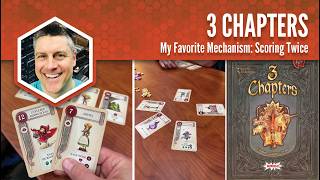
The scoring in 3 Chapters operates on multiple independent tracks that encourage different strategic approaches. During trick-taking, players collect stars (two points each), hearts (one point each), and gems (half a point, needing two to count as one full point). But the real genius lies in the card abilities. A card like the Princess triggers different effects depending on what else is in the trick, turning winning tricks into a puzzle about which cards are present. Rumplestiltskin grants gems for each crown-type card played, incentivizing players to remember what's been played and position their cards accordingly. The endgame scoring in Chapter 3 mirrors the feel of Fantasy Realms, where cards interact in unpredictable ways, rewarding players who drafted with long-term synergies in mind rather than just immediate trick-winning power.
The 3 Chapters Experience
The Satisfying Decision Space
What makes 3 Chapters stand out is the constant pull between competing objectives. Do you draft high-value cards that will win tricks, or characters whose abilities work best when you play them defensively? Do you save a powerful card for the perfect moment, knowing an opponent might play the exact card that triggers it? The leading player in each trick holds significant power, but victory in a trick means leading the next one, which can sometimes be a burden as opponents position their cards to react to your plays. Reviewers note that this tactical layer transforms the game from a simple trick-taker into something requiring genuine forward planning. The draft phase sets the stage for all these tensions, as memory of which cards passed through someone's hand can be weaponized later to predict plays.
Accessibility and Player Count Flexibility
3 Chapters adapts genuinely well across different player counts. At two players, each player controls ghost decks to ensure enough cards are in circulation. At three or four players, the game plays with straightforward rules. At five or six, the increasing number of cards in each trick changes which abilities become valuable, shifting draft priorities entirely. One reviewer noted playing across multiple player counts at a gaming convention and finding the experience rewarding each time. The fairy tale theme and card names make it instantly clear what characters do, reducing the rules overhead even as the interactions become more complex. New players can jump into their first game without extensive rules explanation, yet experienced players find depth in remembering which high-value cards have passed by and calculating which synergies are still available.
What Makes 3 Chapters Stand Out
The Perfect Blend of Familiarity and Depth
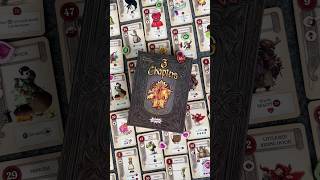
The decision to ground the game in fairy tales immediately gives it character that more abstract games lack. Players know who Peter Pan and Captain Hook are, they understand Snow White and the Dwarfs, they recognize Pinocchio and Humpty Dumpty. This familiarity extends gameplay without requiring deep lore explanation. But the game respects player intelligence by making those character relationships mechanically meaningful. Peter Pan and Captain Hook have a combo. Snow White and the Dwarfs interact. The theme isn't window dressing; it reinforces the strategic layers. Reviewers consistently noted that this combination of accessibility and mechanical depth is rare, and it's part of why many felt the game would find an audience beyond hardcore hobby gamers.
The Replayability Factor
Players report immediately wanting to play again after finishing a game, driven by the desire to explore different draft paths and character synergies. The deck is large enough and diverse enough that each game feels fresh, with different optimal strategies depending on which characters remain available during drafting. Some reviewers have played the game six or seven times in succession at gaming events and found each session compelling. Unlike trick-taking games that can feel samey after a few plays, 3 Chapters rewards experimentation. Will you chase high-value cards, or pursue a specific combo line? The answers shift based on what others take, and that variability keeps the game alive.
Potential Drawbacks
Gaminess Over Mass Appeal
One reviewer noted that while 3 Chapters is clever and rewarding for experienced gamers, it may be slightly too intricate for casual audiences compared to games like Castle Quombo or Far Away. The trick-taking phase requires reading not just card values but understanding what abilities opponents have in hand, which adds cognitive load. New players to trick-taking games specifically might find the compound scoring system initially confusing. The game expects players to think several moves ahead during drafting and to remember cards that have moved through the draft pile, skills that casual players haven't necessarily developed. This is a game that grows better with each play as understanding deepens, but the entry curve exists.
Sensitive Card Memory Mechanics
Memory plays a role in 3 Chapters, particularly during the draft phase and trick-taking. Remembering which cards you passed to the left several rounds ago can inform which characters you expect opponents to hold, and this information advantage can swing games. While this creates interesting tactical possibilities, it also means that players with stronger card memory may have a consistent edge. Additionally, some card abilities are triggered by specific combinations in the trick, and players need to internalize these interactions before they become second nature. For players who enjoy games where every mechanic is equally accessible to everyone, this indexed memory element may feel slightly unbalanced.
If You Enjoy 3 Chapters
Players who love 3 Chapters should explore Fantasy Realms for its set-collection endgame scoring system, Castle Quombo for light trick-taking with character interactions, and Far Away for drafting decisions that echo throughout gameplay. Within Amigo's own catalog, try No Thanks for elegant push-your-luck drafting. For more compound scoring puzzles, dive into elaborate engine-building games where multiple scoring tracks reward varied strategies. The core appeal of 3 Chapters is combining familiar mechanics in unfamiliar ways, so games that reinvent standard systems will appeal to the same mindset.
What Reviewers Are Saying
"You're really wanting to be conscious of what's going on, like the Shapeshifter has so many symbols on it, so that's potentially going to give you so many options. Captain Hook gets you two gems if he's with Peter Pan, so you've got a lot of things going on."
— Tabletoptiktok
"This is the closest comparison to Fantasy Realms that I've played, where again some cards might say well score x amount of points for all these symbols, or if you have this character score this, or if this is your highest card then score this."
— Chairman of the Board
"The beauty of this game is you want to keep playing again. The characters are familiar because they're all from all sorts of fairy tales, and it really takes that aspect of set collection, drafting, trick-taking and makes it really accessible for newer players."
— kovray