


Arkham Horror: Lovecraft Letter Deep Dive
What the Community Thinks About Arkham Horror: Lovecraft Letter
Reviewers generally see Arkham Horror: Lovecraft Letter as a compact, faithful descendant of Seiji Kanai's Love Letter, with George Zang's Arkham layer from Z-Man Games turning a familiar card-draw structure into something with its own identity. The shared view is that the underlying game is still light and quick, and that the Arkham theme and insanity system decide whether it feels like more than a reskin.
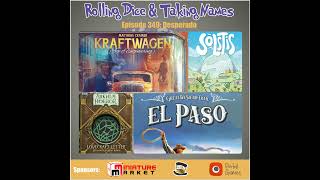
The reviewers differ mainly in how much they credit that layer. On Tabletop Turtle, the reviewer ranks the game highly and argues that it "takes a simple core of Love Letter" and adds enough Arkham flavor and insanity rules to feel distinct. The reviewer on Rolling Dice and Taking Names came to it as a longtime Love Letter skeptic and was more cautious, admitting the game is mostly luck at its core while still enjoying the Arkham art and the way the card effects play out. Rodney Smith on Watch It Played approaches the game as a teaching guide, and that walkthrough is the clearest account of how the two card types interact.
Core Mechanics That Define Arkham Horror: Lovecraft Letter
Hand Management
Every turn in Arkham Horror: Lovecraft Letter follows the same rhythm. You draw one card from the deck, so you hold two, then choose which to play for its effect and which to keep. Rodney Smith points out that this choice is the heart of each turn, because the card you keep is the card that will decide the round if the deck runs out or someone forces a reveal. Reviewers describe the decision as tighter than it looks, since the card you discard for its effect is also information the table can read in your discard pile.
The Rolling Dice and Taking Names reviewer notes that the classic Love Letter pattern of guessing, comparing, and swapping hands still applies here. The new element is that holding a high-value card for the end of the round becomes riskier once the insanity system starts forcing you to reveal and discard.
Multi-Use Cards with Sane and Insane Effects
Each Arkham card carries two effects: a white-backed sane effect that every player can use from the start of a round, and a darker insane effect that becomes available only after you have an Otherworld card in your discard pile. Rodney Smith explains that once you gain one Otherworld card, you are considered insane for the rest of the round, which lets you resolve the stronger insane side of future Otherworld cards. Each play still uses only one of the two effects, so the choice is always between the safer sane option and the more dangerous insane option.
Tabletop Turtle highlights the same design point and says the split "is a neat and nice touch," because the insanity status gives the cards a second layer of meaning without adding bulk to the rules. Reviewers see the sane and insane split as the reason the game feels like Arkham Horror rather than a plain reskin of Love Letter.
The Arkham Horror: Lovecraft Letter Experience
Tense Deduction Under a Sanity Clock
Reviewers describe a steady pressure that builds as the round goes on. Each Otherworld card you add makes the next sanity check harder, and failing a check eliminates you for the round. Tabletop Turtle calls it "one of the few social deduction games" the reviewer's partner enjoys, describing the moment of "trying to piece together who's holding what before you get eliminated by something" that is frustrating but brief. The tension comes less from long planning than from reading the table quickly and deciding whether to risk your sanity.
Light, Quick, and Willing to Feel Lucky
The experience is also quick and loose. Rolling Dice and Taking Names openly admits that winning a round can feel like "straight freaking luck," and the reviewer finds the sheer number of card effects a bit hard to track without the table's help. Rodney Smith's walkthrough reinforces the same feel: rounds end quickly, eliminations are common, and the fun comes from the table's reactions. Reviewers tend to accept the luck as part of the appeal, treating the game as a party-style diversion rather than a strategy test.
What Makes Arkham Horror: Lovecraft Letter Stand Out
An Arkham Identity Built on Real Mechanics
Reviewers consistently praise how the Arkham setting shows up in play rather than only in the artwork. Rodney Smith describes characters such as the Necronomicon, the Shoggoth, and Cthulhu-themed cards that carry effects tied to the insanity track, including the Cthulhu card's insane effect that ends the game immediately. Rolling Dice and Taking Names notes that the card art draws on the Fantasy Flight Arkham Horror world, with recognizable characters that give the deck a "familiar flavor of the Arkham universe."
Tight, Tension-Filled Four-Player Games
Tabletop Turtle argues that the Love Letter family plays best at four players, and says this version stands out among the many Love Letter variants because it offers more to do with each card. The reviewer's group found it "much better than all the other ones," in part because the sanity system keeps every elimination feeling consequential. The result is a game that rewards attentive table play with a satisfying payoff in a very short time.
Potential Drawbacks
Luck Can Overshadow the Decisions
The most common criticism is that the game leans heavily on luck. The Rolling Dice and Taking Names reviewer says the game can feel like "pure luck" and states, "There's nothing to this game. It's Love Letter." Even so, the reviewer acknowledges enjoyment is possible when approached as a light game. Reviewers who value deep strategy will likely find the decision space narrow.
Insanity Can Feel Punishing and Long
Some reviewers find that the insanity system can be frustrating when it repeatedly removes the same player from rounds. The Rolling Dice and Taking Names reviewer describes being "knocked out first" round after round, which turned into a running joke at the table. Reviewers also note that Love Letter games in general "can tend to run long" because each round adds tokens and setup, and that this structure remains in Arkham Horror: Lovecraft Letter.
If You Enjoy Arkham Horror: Lovecraft Letter
Players who enjoy Arkham Horror: Lovecraft Letter's hand management will find a familiar, more streamlined version in the original Love Letter, where each turn is still a choice between two cards and a single guess or comparison can eliminate an opponent. Love Letter lacks the Arkham insanity layer, so it is the natural choice for players who want the core deduction loop without the sanity checks. Players who appreciate the Arkham theme and the sane and insane split will likely find that the original game sharpens their sense of how much each card's secondary effect matters.
What Reviewers Are Saying
"And I think since I haven't played in so long, I didn't appreciate what it was doing from the Arkham Horror side of it. Hey, it's another flavor of Love Letter. I like it."
— Rolling Dice and Taking Names
"It takes a simple core of Love Letter and sort of dresses it up in enough Arkham flavor and thematic mechanics like Elder Sign or the Insanity rules to make it feel more than just a reskin. It's still very light, of course, but there's something really satisfying about the tension it creates in such a tiny package."
— Tabletop Turtle
"Once you have an Otherworld card face up in your discard zone, you'll now also have access to the dark and powerful insane effects on future Otherworld cards you play for the rest of the round. For example, if the player is insane when they play this card, they can still choose to resolve the top insane effect as usual, or they may now instead resolve the bottom insane effect, and these are more powerful."
— Rodney Smith, Watch It Played