





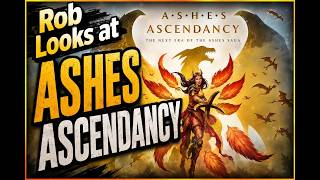

























Ashes Reborn: Rise of the Phoenixborn Deep Dive
What the Community Thinks About Ashes Reborn: Rise of the Phoenixborn
Community coverage treats Ashes Reborn: Rise of the Phoenixborn as a two-player battle card game in which each player leads a Phoenixborn, builds a personal deck before the match, and pays for actions with dice. Watch It Played introduces the game by walking through two starter decks card by card before a live match, which reflects how much of the experience depends on knowing what each card does. Meeple University ran a full playthrough of the 2021 re-release and described it as an update that smoothed out the original's rough edges. Its hosts also kept returning to the illustrations while they played.
Solo perspectives add a different angle. DaniCha plays solo with a pre-built deck and openly admits to not being strong at the game, yet keeps coming back to it for the cards and the strategy. DaniCha's other solo videos, along with the Watch Review, focus on the Red Reigns expansion, so those verdicts describe the Chimera solo opponent as much as the base game. Across these channels the shared thread is that the game rewards planning, asks players to track a lot of state, and feels most satisfying once the rhythm of a turn becomes familiar.
Core Mechanics That Define Ashes Reborn: Rise of the Phoenixborn
Phoenixborn Identity and Deck Construction
Each player controls a Phoenixborn with its own life total and its own way of playing. Watch It Played's walkthrough makes the contrast clear. Luke's Eridel deck leans on Mist Typhoon and Out of the Mist, spells that damage every unit on the opposing side, while Mayoni Viper starts with 22 life and carries a strike ability that lets her attack after attackers are declared, along with charm magic that can be spent for extra damage. Meeple University notes that players build their decks within a few restrictions, and the ability to choose which cards go in alongside which dice is part of the appeal. Watch It Played's Rodney Smith also points out that deck building is where many of the strategic decisions are made, because the number of copies of a conjuration determines how often it can appear in play.
Dice as Action Costs and Resources
Dice are the second core system, and Meeple University argues that they are the feature that most sets Ashes apart from other card games. Each die carries basic faces alongside power faces, and the power faces show the symbols that cards and abilities require. Watch It Played explains that illusion dice can be spent on a side action to change how a power side is used, and that a power side can deal one damage to a target unit. Meditate gives players a way to discard cards in exchange for a fresh set of options, and Rodney Smith describes it as a way to soften the luck of the dice roll. A later episode adds a practical reminder that a dice pool can hold any mix of dice as long as it stays at ten or fewer, so the choice of dice is part of deck design rather than a separate step. Some Phoenixborn also have abilities that spend a basic die to strengthen an attacker, which ties the dice pool directly to combat.
The Ashes Reborn: Rise of the Phoenixborn Experience
Asymmetric Phoenixborn Identities
Reviewers return most often to how differently each Phoenixborn plays. Meeple University's hosts describe Cole as a character with a big creature that fights well, Stella's Phoenixborn as one that denies actions and removes cards from an opponent's deck, and Saria as a Phoenixborn with 20 health whose deck depends on a different set of tools. DaniCha's solo deck, built around Namine Hemtide, leans on summons such as the salamander monk and the squall stallion, and working out how those summons interact with the board occupies much of the session. Because each Phoenixborn plays by different rules, the same card can feel very different in two decks, which makes deck construction the main reason to revisit the game.
Interactive, Back-and-Forth Play
The game is defined by responses. Watch It Played's Rodney Smith says the game "is definitely all about the back and forth and the interaction that can change things in a heartbeat," and the match bears that out as each player reacts to the other's dice and cards. Watch It Played's later episode makes a similar point about planning, noting there is "so much interaction" that a plan built on one turn may not survive the other player's reply. DaniCha finds the same thing in a solo context, calling it "a lot of interaction for a solo game" once the aspects start acting. The result is that a player rarely executes a plan unchallenged, which suits players who enjoy reading the board and frustrates anyone who wants a clean attack line.
What Makes Ashes Reborn: Rise of the Phoenixborn Stand Out
Artwork and Production Quality
Art is the most consistent praise in the coverage. Watch It Played's Rodney Smith says the Phoenixborn playmats have "stunning" artwork, credits illustrator Fernanda Suarez for the game's artwork, and notes the playmats were available as tournament prizes, so players who entered an event received one whether they won or lost. Meeple University's hosts were similarly enthusiastic, with one host saying they had been raving about the artist and another calling the art awesome while the game was set up. The Watch Review extends the praise to the Red Reigns expansion, where the action poses and card illustrations carry a lot of the visual character.
A Streamlined Rebuild of the Original
Meeple University frames the 2021 release as a cleanup of the first edition. Its hosts said the publisher had "fixed their little fiddliness," which they took to mean the new version is more streamlined, and they played with that expectation in mind. Watch It Played's walkthrough also shows how much the card text carries the rules: each effect is explained as its card is introduced, so the match can move quickly once the decks are on the table. Reviewers credit the re-release with making the tabletop flow easier to follow, although the rules still reward careful reading.
Potential Drawbacks
Rules Tracking and Table Bookkeeping
Even with the streamlined rules, the coverage shows how easy it is to lose track of the table. Watch It Played's Rodney Smith had to correct an earlier episode after a significant mistake, and later episodes show how often a forgotten dice spend or a missed side action changes what a player could have done. DaniCha's solo playthroughs include moments where exhaustion tokens go unremoved or a triggered effect is not applied until the step after it should have resolved. Meeple University's hosts also warned that the game involves a lot of small attacks, and they asked viewers to submit rules questions in the comments. The overall point is that the game is manageable, but it demands disciplined bookkeeping from both players.
Dice Variance and Pre-Built Deck Matchups
Dice rolls can swing a game, and the mitigation tools do not always stop a bad sequence. DaniCha says the dice were not as problematic in the latest solo attempt as they had been in the past, but the pre-built Namine Hemtide deck still struggled against certain opposing aspects. Watch It Played's Rodney Smith similarly notes that meditate softens the luck of the dice but costs cards that might otherwise matter. Meeple University explains that the pre-built decks and recommended dice were chosen because certain cards need specific symbols on specific dice, which means a player who swaps dice without thinking can lose access to key abilities. Players who build around a particular dice mix may find that a single unlucky roll changes their options for several turns, so the community's advice is to expect to adjust decks and dice after a rough match.
If You Enjoy Ashes Reborn: Rise of the Phoenixborn
Players who enjoy building a deck around a character and managing a dice pool will find familiar planning in the following titles.
- Imperium Classics: Meeple University names this deck-building game as its planned follow-up stream, and it suits players who like shaping a personal deck and refining how each card performs over time.
- Gloomhaven: The Watch Review of the Red Reigns expansion suggests that a monster's behavior could be handled with a deck of cards, as in Gloomhaven, rather than through dice mechanics. Players who want less dice fiddling in their enemy behavior will recognize this design direction.
- Frosthaven: Named alongside Gloomhaven in the same review, Frosthaven is a good next step for players who want tactical, predictable enemy behavior paired with a sense of building toward a dangerous moment.
What Reviewers Are Saying
"Remember you can deck build. So, if that conjuration spell was given to a different Phoenix, they may have more room in their battlefield."
— Watch It Played
"I'm just not good at playing this game but I still enjoy it, I really do. I love the cards. I like the gameplay itself, it's a strategy that really gets me."
— DaniCha
"Each of us is using one of the pre-built decks and the pre-recommended dice because there are certain cards that require a certain symbol from a certain die in order to be used."
— Meeple University