/pic7581598.jpg)
In Avant Carde, you want to build a collection of stunning cubist artwork. Each player starts with a deck of ten so-so cards: 1s and 2s in six colors that don't match and four high-value cards, each in a different color. Each player draws a hand of seven cards, then puts on the best exhibition possible by matching colors and numbers, e.g. red 11, red 1, purple 1, purple 13.
Each card you play earns you $1, and in turn players can buy cards from the gallery stacks: a 2 costs $2, a 3 $3, etc. Once per turn, you can bury a top card in a gallery stack on the bottom of that stack. If you don't spend all of your money and don't already have a change token, take a change token from the bank; it's worth $1 when you decide to spend it. End your turn by discarding all played cards and cards still in hand, then draw a hand of seven cards, shuffling your discard pile when necessary.
Six patrons numbered 2-7 are in play, and they give cards additional powers. If you played the most 2s, for example, you have an extra $1 to spend; if you played a 3, you can trash a card from your hand or played area; when you play a 4, you can change either its color or number. Avant Carde includes multiple sets of patrons, and you can use the cards from a single set or mix them.
Why are you building this collection? To gain awards! If you earn at least $6, you gain an award, and higher amounts net you more awards. Earning $11 is worth four awards, and while you might wonder how you can earn $11, a 7 patron lets you draw additional cards on a turn and a 5 patron lets you earn an extra $1 for each 5.
When the deck of awards runs out, whoever has collected the most awards wins.

- Awesome little underrated game
- Uno
Mechanics (from transcript analysis)
- Deck Building — Players build their decks by buying new cards to create combos.
- Set Collection — Players match numbers and colors.
Video topics + discussion points
Quotes (from this video)
- I want to do a 3-hour episode talking about your board games because I just love talking about board games.
- I was looking at this one and I was like, there's You have some of my favorite games of all time on your shelf here.
- Super Mega Lucky Box is at the top of me having fun all of the time. It's like bingo on steroids.
- That's all I remember about the game.
- If you are a just a amateur history buff or anything like that, Trekking through history is a really fun game.
- I love the idea of taking a game and the rules alter and morph and evolve. Things get permanently taken out of the mix.
- Finish a campaign game is on my goals for the year.
References (from this video)

- interesting artwork-based progression
- depth via shop/gallery dynamic
- noted as difficult to pull off
Mechanics (from transcript analysis)
- deck-building — players build value in their deck to earn rewards and crafts through gallery purchases.
- gallery/shop interaction — cards are bought from a gallery to improve artwork and points.
Video topics + discussion points
Quotes (from this video)
- Saving Private Ryan the board game which sounds devastating honestly
- it's not overly complicated
- it's a great heads up two-player duel
- it's just so simple to teach everyone enjoys it it's it's just a great game
- I like expansions that add depth rather than breadth
- the cooperative campaign what where did that come from
- the game does a great job of maximizing enjoyment without the myriad complexities of certain other games of this type
References (from this video)

- Fast, efficient, and easy to teach.
- Clever packaging and setup.
- Built-in catch-up mechanic.
- High replayability due to deck cycling and expansions.
- Great value for the price ($25 game).
- The Singapore expansion is fantastic and adds a fun flavor.
- Some micro-expansions (like Parisians) are too aggressive/mess with other players.
- Can sometimes feel like the game is figured out, leading to big wins when teaching new players.
- Displaying an art collection.
- Ruins of Arnak
- Dune: Imperium
Mechanics (from transcript analysis)
- Card Drafting — Players buy new cards from a market to add to their deck.
- Deck Building — Players build their deck by buying new cards from a market to gain powers and points.
- Hand Management — Players draw a hand of seven cards and play as many as they can by matching a starting card's number or color.
- Set Collection — Points are scored by playing a certain number of cards, with bonus points for playing the most of a certain number or color.
Video topics + discussion points
Quotes (from this video)
- it's one of the best games Don has randomly found like ever
- know your energy level and pick the games that fit it
- it's a lot of stuff but most importantly before you even tell me how you're doing today Don what is your brood beverage
- it's just a big chunky game that makes you think and sometimes you just want to play something light and and thoughtless
References (from this video)

- Simple, portable, elegant deck-builder
- Great travel game
- Not the deepest game
- Engine-building via card sequences
- Deck-building sequence game with a market-like feel
- Gimmick-driven, portable deck-builder
Mechanics (from transcript analysis)
- Deck Building — Draft and play cards to build an engine and gain buying power
- deck-building — Draft and play cards to build an engine and gain buying power
- Pattern Building — Follow sequences (same color or same number) to maximize play and power
- Portability — Game folds up neatly for travel and quick setup
- Sequence-building — Follow sequences (same color or same number) to maximize play and power
Video topics + discussion points
Quotes (from this video)
- Dimension is both a dexterity game. It's actually it's more of an abstract puzzle game than it is a dexterity game.
- Hookie is a really wonderful game where you are trying to figure out which three kids are playing hookie.
- Mystic Paths is pretty darn unique. It's a word association game. Cooperative.
- I love Village Rails. VILLAGE RAILS. GOSH, I love Village Rails.
- This is one of the biggest surprises for me, I think, ever in terms of like what I've found and loved it.
- Citizens of the Spark... I think this game is massively underrated for how good it is.
References (from this video)
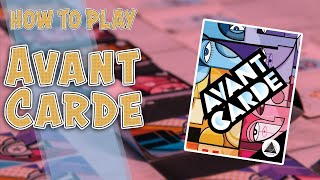
- Accessible deck-building with an art-theme that aligns with the title
- Two-phase structure (play then buy) provides clear progression
- Patron Powers add variety and strategic depth
- Optional actions add tactical choices
- End-game awards create clear scoring goals
- Some cards can be tricky to play due to mismatches and deck composition
- Complex patron-power setups may increase rules overhead
- End-game scoring via Awards can be unpredictable without careful planning
- art collection, exhibition, and awards-driven scoring
- art gallery / exhibition environment, focusing on avant-garde art pieces
- competitive drafting and deck-building in an art-world setting
Mechanics (from transcript analysis)
- card-driven scoring / awards — awards are earned via accumulated money and end-game tokens to determine winner
- Deck Building — players acquire cards to improve their deck and increase purchasing power
- deck-building — players acquire cards to improve their deck and increase purchasing power
- modular actions (bury/change token) — optional actions to bury the top card or convert a change token into dollars
- Patron Powers — certain card values trigger Patron Powers that provide special effects during a churn
- resource / money management — money generated by playing cards, with change tokens and taxes affecting buying power
- Resource Management — money generated by playing cards, with change tokens and taxes affecting buying power
- simultaneous play / line-building — in the play phase, players simultaneously lay cards in a line, aiming to match numbers or colors
Video topics + discussion points
Quotes (from this video)
- Avant Card this game is designed by Mary Flanagan and Max seidman
- the game is played in two parts play cards then buy Cards in the play cards phase
- the player with the most Awards by the end of the game will win the game
- Patrons each like a specific painting when you play a card with that number
- you'll check its Patron in the patron box and fulfill their power
- the lightning symbol means the power happens as soon as you play
- the arrows power can be utilized on your buy Cards turn
- feel free to hit that description
References (from this video)
- Art collection
- Deck building
Mechanics (from transcript analysis)
- Deck Building — Collect and play painting sequences
Video topics + discussion points
Quotes (from this video)
- The cube tower is not magic, it's science
- If a bear in a petting zoo crossed with a food truck
- Blackjack for gamers
References (from this video)

- Lots of strategy
- Small box
- Kickstarter edition with fancy bits
- Art collection
Mechanics (from transcript analysis)
- Deck Building — Curating the perfect art collection
Video topics + discussion points
Quotes (from this video)
- sounds like a win-win to me