/pic6767666.jpg)



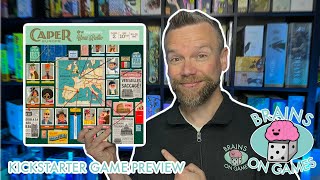











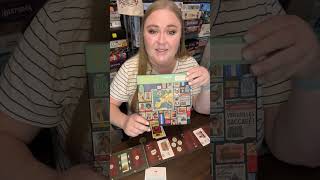



























Caper: Europe Deep Dive
What the Community Thinks About Caper: Europe
Caper: Europe has earned widespread enthusiasm from the board gaming community. Board of It called it a "perfect game" with nothing to criticize, while others placed it in their top ten two-player games of all time. What resonates most is how the design creates consistently tight, exciting decisions despite its short playtime. The game appeals equally to casual players learning it for the first time and experienced gamers seeking tactical depth. Its beautiful production quality from Keymaster Games adds to the appeal, but reviewers emphasize that the exceptional gameplay is the real draw.
Core Mechanics That Define Caper: Europe
Card Drafting with Hand Swapping
The heart of Caper: Europe is its card drafting system, made unique by the constant hand exchange. Each round, players alternate playing one card from their hand and then passing the remaining cards to their opponent. This creates extraordinary tension because you see exactly what cards your opponent has and must choose whether to take a card you want or discard one you do not want them to have. The hand-swapping mechanic forces constant tactical decisions: do you play aggressively or defensively? The information created by this simple system makes every turn feel consequential. Players consistently found this mechanic produced moments of genuine anguish as they weighed competing priorities.
Tug-of-War Location Control
At each of three locations sits a caper tracker that acts as a pendulum between players. When you play cards with caper icons, you pull the tracker toward your side. Winning a location requires only that the tracker end closer to you than to your opponent, but the design brilliantly prevents any single player from running away with the game. If one player heavily commits resources to one location, they inevitably neglect the others, allowing their opponent to build advantages elsewhere. Reviewers noted scenarios where a player won a location by an enormous margin yet still lost the game because they had spread themselves too thin. This elegant balancing act means no single strategy dominates, and every location feels genuinely contested throughout the game.
The Caper: Europe Experience
Fast-Paced Heist Excitement
The 25 to 35 minute playtime creates an experience that feels cinematic without overstaying its welcome. Players described getting pulled into the fantasy of planning the perfect heist as criminal masterminds, gathering crews and gear to steal from iconic European cities. The thematic flavor emerges from the card effects, the artwork, and the clever coin economy that forces meaningful resource decisions. The Cardboard Herald praised its wonderful 60s keeper theme and unparalleled visual aesthetic, noting that real world cities integrate into the decks in compelling ways.
Satisfying Risk-Reward Decision Making
Every card play forces you to evaluate immediate needs against future positions. Do you spend coins now to play powerful gear, or preserve resources for later rounds? Do you aggressively push a location you can win, or invest in the set collection of stolen goods? Do you block your opponent by taking a powerful card they clearly want, even if you do not need it? Meeple University praised the timing elements and the tension of changing strategy mid-game. These decisions sting a little when they go wrong, which reviewers felt made the wins more rewarding.
What Makes Caper: Europe Stand Out
Four Distinct City Variants
The game includes Paris, Rome, Barcelona, and London, each with unique location cards and mechanics that reshape how you approach the game. Paris rewards card drafting and combo-building. Rome makes the game more brutal and swinging with aggressive caper tracker movement. Barcelona demands tactical placement of specific colored cards. London revolves around manipulating coins and scoundrels in your hideout. These variants are not minor tweaks; reviewers felt each city offered genuinely novel problems to solve. With location cards drawn randomly from each city's deck, you never see the same game twice, making replayability substantial despite the short playtime.
Multiple Scoring Paths That Feel Balanced
Victory comes from winning locations, collecting stolen goods sets, and triggering card combo effects. The genius is that no single path dominates. You could win by aggressively controlling all three locations, but a player who neglects that while building powerful stolen goods sets can stay competitive. Paula Deming praised the tight balance of the experience, noting that for the price, the components, the length of play and the gameplay experience, it is a must own. Even if one player gets ahead through location control, the losing player always had meaningful options that could have changed the outcome with slightly different card choices.
Potential Drawbacks
Limited Strategic Depth for Hardcore Gamers
While praised as accessible and easy to teach, a few reviewers noted that the decision-making, though satisfying, is not as "crunchy" or mentally demanding as heavier games. Before You Play described it as light weight compared to heavier drafting games, acknowledging that some may prefer more depth. The light rules and relatively small card pool mean that after several plays, you encounter the same cards frequently. Some players who love deep strategic puzzles might find the game lighter than they prefer, though even those reviewers acknowledged the tension and interactivity remained engaging.
Burn Cards and Frustrating Moments
The game includes cards that let you burn (destroy) your opponent's top gear card and reverse its effect. While reviewers praised how these cards add strategy and tension, they also acknowledged they create pure frustration when you are on the receiving end. You might set up a powerful combo only to have it destroyed, forcing you to rebuild. Meeple University noted that burning your opponent's gear can feel particularly punishing. This is intentional design, but some players found it annoying enough to consider removing those cards from their games.
If You Enjoy Caper: Europe
Players who love Lost Cities will find Caper: Europe offers everything they enjoy with added depth and replayability. Those seeking a Seven Wonders Duel alternative will appreciate similar drafting tension and balanced scoring paths, though at a lighter weight. Fans of Jaipur and other economic card games will recognize the satisfying push-your-luck resource management. Anyone looking for Parks-level accessibility with more strategic depth will find exactly what they want. The original Caper (2018) offers a simpler predecessor for those curious about the design's evolution.
What Reviewers Are Saying
"It's a tug-of-war. It's a great game. If you enjoy Lost Cities but maybe want a little bit more from it or want to take that strategy to the next level, I think you'll really like this game."
— Tabletoptiktok
"We think Caper Europe is a perfect game. We literally have nothing to criticize about this entire package. It's a tight, beautifully balanced experience full of absolutely agonizing decisions."
— Board of It
"If you're in the market for a two-player head-to-head tug-of-war experience or you really like card drafting, then this is it. For the price, the components, the length of play and the gameplay experience, it is a must own."
— Paula Deming