/pic8478398.png)



















EGO Deep Dive
What the Community Thinks About EGO
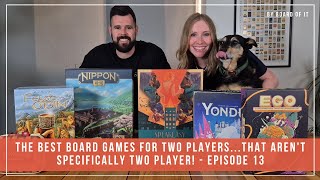
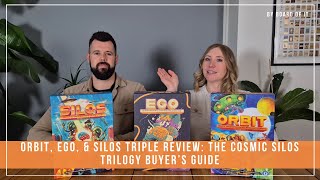
EGO has sparked passionate reactions across the board gaming community, with reviewers celebrating its dynamic gameplay while acknowledging that its luck-driven design won't suit every player. Some call it a masterpiece of interactive design; others view it as a thrilling but unpredictable experience that hinges on card draws and calculated risks. What unites these perspectives is recognition that Reiner Knizia has created something genuinely memorable with this drastic reimagining of Beowulf: The Legend, published by Bitewing Games. Board Game Animal rates it a 10 out of 10, while Board Game Buzz focuses on the heavy luck factor as both a strength and a weakness.
Core Mechanics That Define EGO
Auction and Bidding
At its heart, EGO is a game about competing for resources through strategic bidding. Players place cards on the table to outbid one another, trying to claim valuable tokens and cards while managing their hand size. The auction mechanism shifts across the game's planetary zones, ranging from open bidding to hidden auctions where players secretly commit cards simultaneously. This variety keeps the bidding experience fresh. Each auction presents a risk-reward calculation: spend cards now to win this round, or conserve hand for what's coming next. Some auctions carry heavy penalties for losing, making the decision to participate itself a calculated gamble. Board Stupid praises how "if you want to learn bidding, this is a game you will get every single type of bidding, auction that you can imagine."
Push Your Luck
Interwoven throughout EGO is a constant tension between safety and risk. At certain planetary stops, players face optional opportunities to flip cards from the deck, attempting to claim ones matching target colors. Success nets cards without penalty; partial success means acquiring the desired cards but drawing negative tokens as punishment. Full failure costs only the penalty. This push-your-luck element appears multiple times per game, and players must decide whether to take a guaranteed loss for now, hoping their hand improves later, or risk escalating alien offense for the chance to improve their position immediately. The penalty scale is severe, potentially costing 40 points by game's end, making these decisions genuinely tense. Board Game Buzz describes the dynamic as capturing the "hit me" feel of classic card games, where the conversation shifts from analytical planning to pure table energy and nerve.
The EGO Experience
Constant Player Engagement
Unlike games where downtime accumulates as players wait for their turns, EGO creates what reviewers call "quality involved player presence." Every auction holds stakes for every player because everyone's hand status, card colors, and current alien offense affects the decisions they'll face. Watching opponents bid reveals information; managing your own position means other players must consider you as a threat. The result is a game where minds remain engaged throughout, where table energy builds from moment to moment, and where the outcome feels genuinely uncertain until the final scoring. Players sit forward, consider deeply, and react audibly to the cards that flip and the choices others make.
Dynamic Narrative and Memorable Moments
EGO generates stories. Reviewers consistently highlight how the same game rarely plays the same way twice and how specific auctions become memorable long after the game ends. The structure of proceeding through distinct planetary zones with different objectives gives each play session a journey arc. Within that structure, the interplay of luck, bidding, and hand management creates moments of triumph and despair that players remember. Board Game Animal notes that playing EGO multiple times resulted in "the most delightful experience" regardless of winning or losing, because the decisions themselves, the bluffs, the risks, and the surprising card draws create the substance of what makes the game engaging. Players speak of "games of chicken," where two players push against each other through escalating bids, trying to read intent and gauge commitment.
What Makes EGO Stand Out
Masterful Integration of Complexity and Accessibility
EGO appears visually overwhelming at first glance. The board contains numerous symbols, icons, and zones; the rulebook is dense; the card backs reference mechanics that seem intricate. Yet within moments of teaching, the game reveals itself as fundamentally straightforward. Move the spaceship from zone to zone, revealing what action you'll perform. Trade cards, push your luck, or participate in the auction. The apparent complexity dissolves into elegant symbol clarity and simple turn structure. This design choice serves the game well: players can grasp how to play without mastering strategy, yet the decision space remains rich enough to reward thoughtful play. Board Game Animal describes it as appearing dense but remaining "approachable after teaching."
Variable Board Layouts and Modular Gameplay
EGO ships with multiple planetary zones but uses only a subset in each game, selected from a larger pool and played in fixed sequence: always Solar System first, always Arrival last, with middle zones drawn from the remaining options. This modular design, paired with the variable spaceship board setup, means no two games play identically. The combination and order of zones dramatically reshape which card colors matter, which auctions sting most, and which push-your-luck moments feel most punishing. Some zone combinations are forgiving; others are deliberately hostile. This variability ensures players remain surprised, keeps replay fresh, and lets different groups optimize the game's difficulty and tone to their preference.
Potential Drawbacks
Luck Dominance and Variance
EGO is fundamentally a luck-driven experience. Card draws from the deck are random. Which push-your-luck cards appear is random. The hand you're dealt at the start is random. While planning matters, the cards you actually draw matter more. A player might draft a brilliant strategy, only to see their hand refilled with colors useless for upcoming auctions. Conversely, a player facing certain defeat can catch a lucky streak and swing the game. Board Game Buzz explicitly frames this, noting "I would absolutely introduce this to people as primarily a push your luck game because that's what it feels like, and there is a heavy amount of luck in this game." For players who prefer games where skillful play reliably produces favorable outcomes, EGO's randomness can feel frustrating.
Theme and Mechanical Alignment
Some reviewers found a disconnect between EGO's science fiction setting and its core mechanical identity as an auction and push-your-luck game. The theme of interstellar diplomacy with alien civilizations creates expectations of strategic negotiation and careful planning, but the actual gameplay leans heavily toward luck and reactive play. Board Game Buzz notes the game can feel "divisive; not for everyone" and that "theme and mechanics sometimes feel mismatched for some players." While the beautiful production by artist Marie Bergeron and the vivid galactic artwork elevate the presentation, some players may feel the space diplomacy theme promises more strategic control than the game actually delivers.
If You Enjoy EGO
Players who love EGO often gravitate toward games where negotiation, bluffing, and table dynamics dominate gameplay. Beowulf: The Legend, the original Reiner Knizia design that EGO reimagines, provides a simpler but related experience for those curious about the game's ancestry. Ra offers Knizia's signature auction design in a different thematic context. Modern Art delivers pure auction mechanics with escalating tension. El Dorado combines deck-building with racing and risk-taking. For those who love the push-your-luck tension specifically, Quacks of Quedlinburg provides similar risk-reward decisions through bag-building rather than card play.
What Reviewers Are Saying
"There is something about this one that constantly makes me want to keep coming back to play it. The unique experience Ego delivers does just that in a very different clever way that no matter how the game plays out, every single game is just the most delightful experience."
— Board Game Animal
"I would absolutely introduce this to people as primarily a push your luck game because that's what it feels like, and there is a heavy amount of luck in this game, not only with the push your luck elements that you can do, but also just inherently the cards that you draw."
— Board Game Buzz
"Ego is an auction bidding game combined with a healthy dose of press your luck in beautiful production, and if you want to learn bidding, this is a game you will get every single type of bidding, auction that you can imagine."
— Board Stupid