

















The world of Gloom is a sad and benighted place. The sky is gray, the tea is cold, and a new tragedy lies around every corner. Debt, disease, heartache, and packs of rabid flesh-eating mice—just when it seems like things can't get any worse, they do. But some say that one's reward in the afterlife is based on the misery endured in life. If so, there may yet be hope—if not in this world, then in the peace that lies beyond.
In the Gloom card game, you assume control of the fate of an eccentric family of misfits and misanthropes. The goal of the game is sad, but simple: you want your characters to suffer the greatest tragedies possible before passing on to the well-deserved respite of death. You'll play horrible mishaps like Pursued by Poodles or Mocked by Midgets on your own characters to lower their Self-Worth scores, while trying to cheer your opponents' characters with marriages and other happy occasions that pile on positive points. The player with the lowest total Family Value wins.
Printed on transparent plastic cards, Gloom features an innovative design by noted RPG author Keith Baker. Multiple modifier cards can be played on top of the same character card; since the cards are transparent, elements from previously played modifier cards either show through or are obscured by those played above them. You'll immediately and easily know the worth of every character, no matter how many modifiers they have. You've got to see (through) this game to believe it!
- strong atmosphere and writing
- novel game mechanism blending book and mad-lib style prompts
- flexible print-and-play orientation with printable sheets
- two play modes and journaling option
- accessible yet deep due to resource tracking and endings
- requires printing and assembling materials (print-on-demand PDFs)
- not a fast-paced game; slower pace may not suit all players
- dice and card mechanics require management and may be fiddly for some
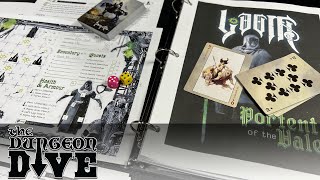
- pilgrim-craven journey across a haunted landscape, ritual and fate shaping the realm
- Veil, monasteries, and Nocturne lore within a shadowy, atmospheric fantasy world
- text-and-prompt driven, Mad Lib–style word generation with branching encounters
- Zork
- FromSoftware games
- Sierra adventure games
Mechanics (from transcript analysis)
- Campsite mini-game — camping between days uses a dice-based mini-game affecting modifiers, HP, etc.
- Character and resource management — track health, armor, Craven points, plague/poison modifiers, and artifacts; endgame depends on Craven and endings
- Deck of cards as generator — cards (aces, jokers) trigger scenes or outcomes; used to drive prompts and encounters
- Dice-based resolution — D6 dice rolled to determine movement, encounters, and outcomes; map grid and pips track progress
- Mad Lib style word generation — generating encounter paragraphs by filling keywords from word input tables and card-driven prompts
- mini-games — camping between days uses a dice-based mini-game affecting modifiers, HP, etc.
- Prompt-based world evolution — random encounters generated through the book-driven prompts, shaping the world as you progress
- Resource management — track health, armor, Craven points, plague/poison modifiers, and artifacts; endgame depends on Craven and endings
- two play modes — a game book narrative mode and a deck-based mode for generating scenarios
Video topics + discussion points
Quotes (from this video)
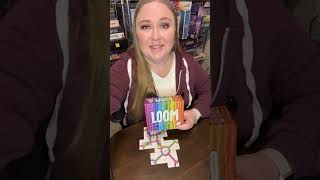
- Loom at its core is a random prompt generator
- a game book mixed with a kind of mad lib generation system
- it's a relaxing game
- I would highly highly recommend Loom
- I'm really glad that it exists I'm happy that I backed it
- yeah it's a cool game I do highly highly recommend Loom
References (from this video)
- puzzly and thinky
- tile-laying puzzle with clear scoring decisions
- great table presence and aesthetics
- solid solo mode that provides a challenging objective
- geometric pattern creation and scoring
- abstract tiling puzzle with a central looping layout and color-based scoring
- expository, tutorial-like discussion with emphasis on mechanics and solo play
Mechanics (from transcript analysis)
- chain scoring — score one point for each color of an item in the chain formed by the placed tile
- Compound Scoring — loops score two points per color; colors do not need to match to form a loop
- drafting — each turn you either draw from the deck or draft from a three-tile area plus the stack
- drafting/draw — each turn you either draw from the deck or draft from a three-tile area plus the stack
- hand management — you start with four tiles, add one later each turn, and do not replenish beyond six tiles in solo mode
- scoring patterns — loops score two points per color; colors do not need to match to form a loop
- tile placement — place tiles to form loops, weaves, and chains on the board; placement is constrained by the previous tile's adjacency values
- timer mechanic in solo — gray tiles act as a timer in solo play, influencing pacing and decisions
- weave scoring — creating a square by placement scores two points per color in the weave
Video topics + discussion points
Quotes (from this video)
- This is Loom. This is a tile placement super puzzly game.
- I really really love it.
- It's puzzly. It's thinky. It's tiling.
- I am loving Loom.
References (from this video)
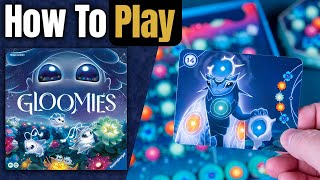
- adorable, tactile components and charming art
- two-phase structure delivers surprising depth without heavy complexity
- easy to teach to new players while still offering strategic nuance
- strong incremental scoring via stardust that rewards early planning
- good replayability due to varied card orders and bonus layouts
- mid-round scoring can create lead changes that feel swingy for some players
- limited built-in variability beyond card order and bonuses, which may reduce novelty after multiple plays
- in four-player games the color-diversity requirement can constrain card choices and tempo
- Lighthearted garden-assembly and decorative contract fulfillment in a science-fantasy setting; emphasis on charm and accessibility rather than heavy narrative.
- A whimsical space-fantasy world where adorable ghost-like fairies called Glooies reside and operate within a two-phase floral tableau, growing and decorating on a themed board to fulfill stylistic contracts.
- Whimsical, cute, and approachable with tactile components that encourage casual play while preserving strategic depth through planning across two phases.
- Mycelia
- Splendor
- Azul
Mechanics (from transcript analysis)
- bonus_tiles — Bonus tiles provide extra flowers or rewards when activated, creating crunchy decisions about which tiles to pursue and when to push prospects for endgame bonuses.
- card_placement — On a turn, players may play up to three cards to place flowers on matching spaces and then acquire bonuses based on the last flower placement. This drives early stage growth and planning.
- contracts — Order cards are used to decorate Glooies and to fulfill contracts; collecting the right orders in phase one influences scoring in phase two.
- end_of_round_and_pacing — Rounds end when specific rows are emptied up to a designated line; this pacing mechanic creates tension and forces planning about when to accelerate or slow down card play.
- helpers_and_card_trade — Helper cards grant additional actions or draw opportunities, enabling players to refine their deck and adjust tempo, especially around the transition to phase two.
- order_cards_and_contracts — Order cards are used to decorate Glooies and to fulfill contracts; collecting the right orders in phase one influences scoring in phase two.
- set collection — Players collect cards and flowers to form color and type sets, which influence scoring and end-of-round bonuses, encouraging diversified collection rather than single-color quietism.
- set_collection_and_color_matching — Players collect cards and flowers to form color and type sets, which influence scoring and end-of-round bonuses, encouraging diversified collection rather than single-color quietism.
- stardust_scoring — Stardust tokens serve as an incremental scoring mechanism that accrues across both rounds, amplifying early decisions into meaningful late-game points.
- two_phase_gameplay — The game unfolds in two phases: phase one focuses on placing cards to gain flowers and build toward scoring opportunities; phase two focuses on removing those flowers and decorating order cards, with scoring shaped by those decisions.
- Variable Phase Order — The game unfolds in two phases: phase one focuses on placing cards to gain flowers and build toward scoring opportunities; phase two focuses on removing those flowers and decorating order cards, with scoring shaped by those decisions.
Video topics + discussion points
Quotes (from this video)
- The key thing really is that this game takes place over two phases. So, it is a light game, but all the decisions you're making in that first phase are going to impact you in the second phase.
- Always be getting flowers as much as you can
- If you like Mycelia, I think give this one a peek
- it's just really easy to learn with a little bit more surprising strategy than you might expect
- this is a lightweight game that looks adorable and I think just has a little bit more strategy than you expect because of it being played across the two phases
- the glooies choose their favorite player
References (from this video)
- Easy to learn and pick up quickly
- Visually appealing components and presentation
- Calm, gentle vibes suitable for a relaxing solo game
- Engaging number-based placement puzzle with loops/weaves
- Solid solo puzzle experience with clear scoring
- Some placements can be tight and require careful planning to avoid dead-ends
- No explicit end-game bonus points observed in this run; scoring relies on loops/weaves plus deductions
- Primarily a solo experience; multiplayer dynamics not demonstrated here
- Array
- Abstract/fantasy weaving world
- Non-narrative, puzzle-driven
Mechanics (from transcript analysis)
- end game bonuses — End score equals total loops and weaves minus remaining tiles in the draw pile and hand.
- End-game Scoring with Remaining Tiles Deduction — End score equals total loops and weaves minus remaining tiles in the draw pile and hand.
- hand management — Draw tiles to form a six-tile hand and replenish up to six after each turn.
- Hand Management / Tile Draw — Draw tiles to form a six-tile hand and replenish up to six after each turn.
- Pattern Building — Score is based on completed loops and weaves formed by tile placement; these patterns drive end-game scoring.
- Pattern Scoring (Loops and Weaves) — Score is based on completed loops and weaves formed by tile placement; these patterns drive end-game scoring.
- round-based progression — Game progresses through a fixed number of rounds tracked on a round tracker.
- tile placement — Place a tile adjacent to an already placed tile, with the new tile's number differing by +/- 1 from the neighboring tile.
Video topics + discussion points
Quotes (from this video)
- "This is a very easy game to to learn to play."
- "what a nice looking game, right?"
- "I feel like this gives me a gentle rain vibes."
- "I do find this to be a very enjoyable solo game."
- "definitely click the BG link in the description below to learn more about it."
References (from this video)
- Accessible, social party-style game with storytelling elements
- Short play times fit well in social game nights
- Limited strategic depth for players seeking heavy strategy
- Array
- Macabre, gothic family tales
- Storytelling, light and fast-paced
- Twilight Imperium
Mechanics (from transcript analysis)
Video topics + discussion points
Quotes (from this video)
- oh this game this is great see you build a history when you play with the same people so the game modifies itself as you play with the same group over and over again
- another legacy game
- i'm there for the deep crunchy ones
- board gamer friends always say that as a defining element don't they
- which board gamer doesn't want a friend like that
- stay tuned for all that stuff later
- i thought this game would be over in like 30 minutes
References (from this video)
- simple, quirky, and fast-paced
- great gateway game that fits between heavier titles
- high-quality components
- artwork and flavor text enhance the macabre yet cute vibe
- expansions exist and extend play over time
- game heavily influences by luck
- chaotic feel at four players can be overwhelming
- some tension from card combos can be unpredictable
- misery, tragedy, macabre whimsy, and humorous misfortune
- Gloom's melancholy family saga in a dark, humorous, gothic world
- card-driven, storytelling through character cards and modifiers with flavor text
Mechanics (from transcript analysis)
- card play with modifiers — modifier cards adjust a character's negative or positive points and may have bottom-trigger effects
- event and red cards — event cards grant abilities, can interact with other players, including canceling actions
- Events — event cards grant abilities, can interact with other players, including canceling actions
- hand management — draw and discard to maintain a hand size and influence card play
- set collection / hidden scoring — each living or dead character contributes to a decreasing or increasing point total, with the goal of having the fewest points
- take that — cards can affect opponents, potentially canceling cards or altering outcomes
- take-that / indirect interaction — cards can affect opponents, potentially canceling cards or altering outcomes
- untimely death cards — gray cards that remove a character from scoring and end up handing points to others
Video topics + discussion points
Quotes (from this video)
- Gloom is simple quirky fun and plays fast it's a perfect bring anywhere type game
- we truly enjoyed the artwork giving it that cute maob and gloomy feel
- we give Gloom eight stabby stabies out of 10
References (from this video)
- Cards are transparent and durable, resistant to moisture
- Deep two-player interaction with a humorous flavor
- Strong replayability with a concise rule set
- Humor may not land with all groups
- Can be punishing for players who dislike negative themes
- Miserable fates for family members with transparent cards
- Darkly humorous family misery
- Story-driven misery and humor
Mechanics (from transcript analysis)
- hand/double-layered components — Transparent plastic cards reveal and affect the tableau without concealment
- set collection/evt timing — Arrange and trigger events to maximize misery according to card effects
- Storytelling — Players influence events through card-driven storytelling and events
Video topics + discussion points
Quotes (from this video)
- you don't need to worry about the wind with this game because the box becomes your board
- it's one of the simplest yet coolest bluffing games
- lower their self-esteem with humiliating events and stories
- Railroad Ink is a roll and ride puzzle that feels a little bit like meditation
- listen to the sea and the birds and everything around you
- underwater put on your masks and let the bugs do what they gotta do
References (from this video)
- Transparent cards are cool
- Fun mechanic of playing cards on other players' families
- Thematic with dark humor
- Addams Family style dark comedy
- Spooky/Gothic
- Dark comedy
Mechanics (from transcript analysis)
- Card Play — Playing cards on family members to add misery or joy
- set collection — Collecting transparent cards to build sets
Video topics + discussion points
Quotes (from this video)
- Foster the Meeple - a channel all about board games
- we have our team jeff team jamie patreons who are going to be voting on what the loser has to do
- i love res arcana res arcana is quickly becoming one of my favorite games
- adult where's waldo
- knocked our socks off
- i love it
- so much fun
- winter is coming
- board game city up in here
References (from this video)
- strong storytelling focus with accessible, quick play
- clear emphasis on narrative atmosphere
- ease of introducing new players to storytelling play
- thematic humor may not appeal to everyone
- some may find the storytelling heavy-handed
- Storytelling through a humorous, tragic framework.
- Melodramatic, dark-humor storytelling via chain of misfortunes for gloomy families.
- storytelling-driven
- Above and Below
Mechanics (from transcript analysis)
- card_drawing_and_storytelling — Players manipulate cards and tell stories around misfortune to affect the mood and outcome.
- family_suffering_chain — Different family cards contribute to the overall narrative arc of gloom.
Video topics + discussion points
Quotes (from this video)
- there's an emergent story that comes from the characters
- the emergent storytelling that you can see in Z is amazing because it's so sandbox
- we make decisions based on what our character would do rather than what's the best choice
- it's fun to make up stories as you're spending lots of money
References (from this video)
- Totally unique experience
- First game with clear cards and layering mechanic
- Unique dark comedy theme
- Strong storytelling element
- Memorable and engaging
- Making your family as miserable as possible
- Gothic horror families
- Dark comedy with storytelling
- Mystic Veil (card layering concept)
Mechanics (from transcript analysis)
- Card Stacking with Iconography — Cards have icons that can be covered or revealed based on stacking choices
- Clear Card Layering — Transparent cards that stack on top of each other to track family misery levels
- storytelling element — Players narrate and build stories about their families' misery
- take that — Making opponent families happy as a way to interfere
Video topics + discussion points
Quotes (from this video)
- He just made this game like in five minutes
- It's like a computer made of paper
- I have not played anything like this
- This completely broke my brain
- Two of my favorite mechanics combined into one
- I absolutely fell in love with it as soon as we played it
- It is like the only game of its kind
- I have so much fun every time I play it but I also have no idea what I'm doing
- You are trying to make your family as miserable as possible
- First time a board game made the hears stand on my arm
- It's just chaos
- If I could find this game I would definitely buy it instantly
References (from this video)
- Fun concept for groups that enjoy storytelling and dark humor
- Requires strong storytelling buy-in; may be hit-or-miss for some groups
- dark humor and storytelling
- happiness of a family despite misfortune
- gallows humor with role-playing elements
Mechanics (from transcript analysis)
- storytelling / role-play prompts — Players influence a tale by card-based prompts and aim to ruin each other’s storylines.
Video topics + discussion points
Quotes (from this video)
- it's a jousting game that's kind of vicious and it's based on colors and numbers
- Sushi Go Party is an adorable and really easy to learn and teach drafting
- Splendor is addictive but they just can't quit
- Diamonds because it's a trick-taking game so kids who have played hearts or spades tend to like it
- Castle Panic has been a huge hit in my classroom
- Escape the Dark Castle
- Azul is one of those evergreen games
References (from this video)
- Unique aesthetic using clear plastic cards that shape a gothic mood
- Encourages creative storytelling and dark humor
- Short, repeatable rounds with a clear objective
- Mechanics are relatively light; some players may want deeper interactivity
- Subject matter can feel morbid or macabre for some groups
- grim storytelling with irony and pathos
- Gothic, melancholy family misfortune; a universe of morbid fables
- narrative-driven with transparent plastic cards that reveal character fortunes
- Horrified
- Betrayal at House on the Hill
Mechanics (from transcript analysis)
- Card manipulation with transparent overlays — players stack transparent cards to alter a family member's attributes and points, driving negative scoring for humor and storytelling
- Storytelling — thematic narration encouraged to weave grim tales from the cards drawn
- Storytelling prompts — thematic narration encouraged to weave grim tales from the cards drawn
- take that — players can place or move cards that negatively affect opponents' families
- Take-that / sabotage elements — players can place or move cards that negatively affect opponents' families
Video topics + discussion points
Quotes (from this video)
- it's the best time and boy do we have some creepy crawlers for you
- for most lists for nrb i try to feature mostly games we haven't covered before but for this one i'm going to be covering a few ones that we have
- it's a pulpy cinematic style game for movie fans and zombie heads alike
- it's a heady tense and brutal deduction game
- there's no horror experience like nemesis
References (from this video)
- Unique artwork
- Storytelling
- Dark humor
- Potentially offensive theme
- Killing family members
- Miserable family
- Dark comedy
Mechanics (from transcript analysis)
- Card stacking — Transparent cards with scoring symbols
Video topics + discussion points
Quotes (from this video)
- these are my top five morbidly dark themes in games that make me laugh
- do not play it boring just like you're trying to score points tell the story