/pic7227554.jpg)























Habitats Deep Dive
What the Community Thinks About Habitats
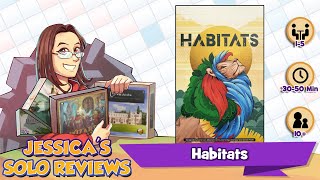
Habitats stands out in the tile-placement landscape as a game that layers elegant mechanics with a deeply thematic experience. Reviewers like kovray and Board Game Animal consistently praise its clever tile selection system, satisfying strategic puzzle, and beautiful production. The wildlife theme infuses every aspect of the design, from the vehicle you drive to the animals and features you arrange in your preserve. For players who enjoy tile-laying games with meaningful choices and thematic coherence, Habitats delivers exactly what its name promises: the opportunity to build a thriving nature reserve.
Core Mechanics That Define Habitats
Tile Placement with Strategic Goals
At its heart, Habitats is a tile-placement game where every decision matters. Players place animal and terrain tiles into a personal preserve, positioning them to maximize points based on various scoring conditions. The beauty of the system lies in how each animal or feature has its own win condition. Some tiles score when surrounded by certain habitats. Others award points based on adjacency patterns or line-of-sight connections from specific features like towers or tents. This forces players to think ahead, considering not just where a tile fits now, but how future placements might trigger scoring chains and create the combinations needed to earn the most victory points.
Vehicle-Based Tile Selection
The game employs a drafting mechanic that sets it apart from other tile-placement games. Rather than choosing freely from a display, each player moves a small vehicle around a central grid of available tiles. You can move forward, left, or right (with limits based on where other vehicles sit), and you may only take a tile in your direct line of sight. This constraint creates a fascinating metagame of planning your path through the grid to reach the tiles you want while avoiding positions that leave you with poor options. It also makes your intentions visible to opponents, who must then decide whether to block your route or pursue their own plan. Rounds never feel like a series of independent moves; there is constant tension as players anticipate each other and adapt on the fly.
The Habitats Experience
Building a Cohesive, Living Reserve
What makes Habitats resonate is the story that unfolds as you build your preserve. Each game tells a different narrative: you start with nothing and gradually assemble a network of animals and habitats, watching the reserve grow round by round. The visual payoff is substantial, since by the end you have created a living ecosystem that reflects your choices. The animal artwork is distinctive and inviting, with detailed illustrations that reward close inspection. The chunky vehicles are satisfying to move, and the wooden animal pieces in upgraded versions add tactile pleasure that reinforces the wildlife sanctuary theme.
Variable Goals and Replayability
Each round features different goal tiles that define the scoring opportunities available. These objectives shift from game to game, encouraging players to adapt their strategies and pursue different combinations of animals and features. Rather than playing the same game repeatedly, you face fresh challenges each time. One game you might focus on building long chains of a specific habitat, while in another the available goals push you to collect diverse animal types or maximize a particular scoring condition. The flexibility keeps the game from feeling stale across many plays.
What Makes Habitats Stand Out
Thematic Coherence and Clever Design Details
Every element of the design reinforces its theme in subtle ways. Picture tiles represent spots where you photograph the animals in your preserve, and they score based on what surrounds them. Tents have gates that define line-of-sight requirements, and towers feature sight-lines that let you see certain animals. These mechanics are not arbitrary; they emerge from the concept of managing a wildlife preserve. This attention to detail creates a sense of coherence that elevates the game beyond a generic tile-placement engine, so players feel they are genuinely creating a functional reserve rather than filling a grid.
Satisfying Strategic Depth for Gateway and Experienced Players
Habitats appeals to both newcomers and experienced gamers. The core rules teach in minutes, making it accessible to players discovering strategic board games, yet the placement decisions are genuinely satisfying. Completing a goal by positioning tiles to trigger scoring combinations, or executing a multi-turn plan that comes together, delivers a real payoff. The vehicle movement restrictions add a strategic layer that keeps the game from feeling overly simple, while still staying welcoming for less experienced players.
Potential Drawbacks
Adjacency Mechanics Require Teaching
One consistent friction point involves understanding how adjacency and line-of-sight conditions work. The rules specify that a tile must touch certain habitats or features to score, but whether it counts the tile itself, how groups of the same habitat interact, and what line-of-sight actually means can confuse players on first read. Nearly every teaching session encounters the same questions in the opening turns. The concept becomes clear with play, but the initial learning curve is steeper than the simple rule set suggests.
Limited Agency in Tile Selection
The vehicle movement restriction is thematic and creates interesting planning challenges, but it also limits player agency. Sometimes your position leaves only one legal move, forcing you to take a tile you do not want. Other times, high-quality tiles sit in positions you cannot reach because moving toward them would corner you with no options next turn. For players who prefer unrestricted choice from an open display, this can feel frustrating, even though it is intentional and part of the strategic challenge.
If You Enjoy Habitats
If Habitats captures your interest, you will likely enjoy games with similar DNA. Nova Luna, credited as a design inspiration, offers tile-placement scoring puzzles with elegant simplicity. Cascadia shares the ecological theme and uses tile placement to build habitat chains, though it employs drafting rather than a vehicle-based selection system. Sagani and Framework extend this design family with additional complexity if you want to step up from Nova Luna.
What Reviewers Are Saying
"It's a clever tile placement game where you are definitely wanting to grab tiles that benefit you the most as you progress. You'll learn what tiles you need to grab and what to avoid, and you'll work towards scoring the most points by strategically placing them, which is very satisfying when you complete them."
— kovray
"I really appreciate the creative and somewhat thematic tile selection system. Each player has a little vehicle driving around the grid of available tiles, and it makes for a fascinating subtle game of playing it cool, trying not to make it obvious to your opponents what you're going for. It would be strongly enjoyed by folks who like to think on the fly."
— Board Game Animal
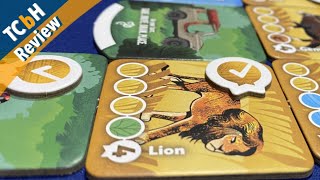
"The animal art in this game is outstanding. Some of the drawings you look at and think, that's a wonky looking lion, but it draws you in the best way possible. Every time someone plays an animal tile, I want to know what that one looks like."
— kovray