/pic5536097.jpg)


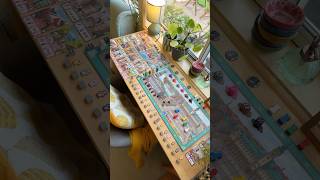
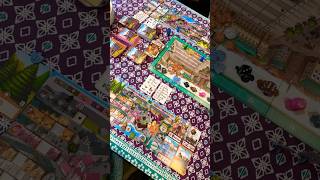










Hamburg Deep Dive
What the Community Thinks About Hamburg
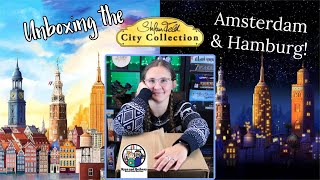
Hamburg, Stefan Feld's contemporary reimplementation of Bruges, has earned a devoted following among strategy gamers who appreciate that designer's distinctive blend of economic puzzle-solving and tactical decision-making. The game draws consistent praise from reviewers like Chairman of the Board and Ryan and Bethany, who embrace its dynamic, reactive playstyle and reward players willing to adapt their plans on the fly. For those accustomed to linear strategy or extensive pre-game planning, however, Hamburg can feel punishing and chaotic, though that very quality appeals to players who thrive under pressure and uncertainty.
Core Mechanics That Define Hamburg
Multi-Use Card System
Hamburg's engine runs on color-coded cards that serve multiple purposes throughout the game. Each card can be used to acquire workers, build foundations, construct buildings, generate coin, or fend off threats known as calamities. This flexibility forces players to constantly weigh competing priorities. The same card might be valuable for its worker, its coin value, or its ability to mitigate an incoming threat, and choosing one means sacrificing the others. Reviewers consistently highlight how this system creates continuous tension and demands constant reassessment of what each card means from round to round.
Dice-Driven Calamities and Opportunity
At the start of each round, players roll color-coded dice. Low results determine the cost to advance along a central scoring track, while high results trigger calamities, forcing players to manage damage across threat tracks or spend actions cleaning them up. The same roll that punishes you also creates opportunities, making the randomness feel purposeful rather than arbitrary. The tension arises because calamities are largely preventable if you manage your cards well, placing failure squarely on player decisions rather than luck alone.
The Hamburg Experience
A Game of Constant Adaptation
Hamburg explicitly rewards flexibility and punishes rigid planning. Players cannot rely on finding specific cards; the deck cycles quickly, and you must work with what arrives. This creates an ebb-and-flow dynamic where your strategy shifts based on available options and dice results. Reviewers describe the experience as genuinely dynamic, where each turn presents a puzzle with limited perfect solutions. You are forced to zig and zag, roll with unexpected calamities, and find creative workarounds when your ideal card never shows up.
Building the City Across Multiple Tracks
Beyond cards, players construct walls that score end-game points based on color majority, build various structures with escalating benefits, and manage workers across different colored pools. The game offers numerous paths to victory, but no single path is guaranteed to work. Some buildings grant ongoing bonuses, others trigger at game end, and many reward careful sequencing. This multiplicity of scoring vectors creates a satisfying point-salad feel, though reviewers note the card system ties everything together more cohesively than its predecessor.
What Makes Hamburg Stand Out
Elevated Complexity and Control Compared to Bruges
Hamburg introduces more cards, more building types, and expanded variation compared to the original Bruges. This creates greater mechanical depth while maintaining the smooth play this designer is known for. The color-coding gives players more explicit control over which workers they obtain and which threats they prioritize, offering a cleaner information structure than Bruges despite the added complexity.
Brutal but Fair Punishment
The calamity system creates memorable moments of consequence. When a fire burns down a building, it stings precisely because you had the option to prevent it. This fairness, combined with the ability to mitigate damage if you plan ahead, transforms what could feel unfair into a system that rewards foresight and card management. Losing a worker or resource becomes a teaching moment rather than random cruelty.
Potential Drawbacks
High Variance from Luck and Card Availability
The game contains a large deck of cards, and your hand cycles constantly, making it unreliable to find specific cards. Combined with dice rolls for calamities and track advancement, Hamburg contains more luck than many modern euros. For players who strongly prefer strategic control and predictability, it can feel chaotic or overly dependent on what the deck offers in a given round.
Punishing Mechanics for Some Player Types
The calamity penalties, while fair, hit hard. Burned buildings, lost workers, and forced resource expenditure accumulate quickly if you ignore threats. Reviewers who prefer games that offer mostly positive rewards with minimal punishment found Hamburg's threat management frustrating. The game demands adaptability in a way that can feel overwhelming if you prefer predictable turns and stable board states.
If You Enjoy Hamburg
If Hamburg resonates with you, explore Bruges, its direct predecessor, which reviewers note is slightly tighter in some respects, though Hamburg offers greater mechanical depth. Amsterdam, another reimplementation in the same family, delivers a similar card-driven economy in a fresh setting. Bora Bora and AquaSphere offer similarly intricate systems and economic puzzles, while La Isla provides comparable resource management with area-control elements.
What Reviewers Are Saying
"Once you get in the mindset of embracing the carnage and rolling with the punches, this game is extremely enjoyable. Each time I've played it, I've enjoyed it more than the last, and I'm so glad I finally managed to get this one played."
— Chairman of the Board
"You have to roll with the punches and bear in mind that luck can be a factor, because there are a lot of cards in it and getting the cards you want is probably just not going to happen. You're going to have to work with what you have. But once you get in that mindset, this game is fantastic."
— Ryan and Bethany Board Game Reviews
"This is Hamburg, which used to be known as Bruges, but I've only played the Hamburg version. This is an engine-building style game where you are trying to create a big points machine, and you can use these cards in several different ways, not just two or three; I think there's probably up to five different ways you can use them."
— Chairman of the Board