/pic7477967.jpg)












Illiterati Deep Dive
What the Community Thinks About Illiterati
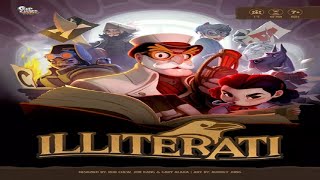
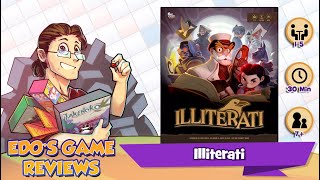
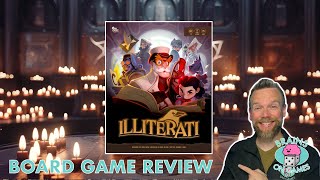
Illiterati arrives as a standout cooperative word game that defies the narrow appeal of spelling challenges. Channels like Jamie of Tabletoptiktok, Board Game Dad, and The Board Game Garden have embraced it as a game that welcomes both dedicated word game enthusiasts and players skeptical of cooperative mechanics. The consensus is clear: this 2023 release from Gap Closer Games delivers surprising depth wrapped in an accessible, fast-paced experience that works equally well in family settings and with experienced gamers.
Core Mechanics That Define Illiterati
Real-Time Word Building Under Pressure
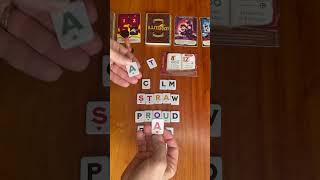
At its heart, Illiterati is a race against the clock. Players draw letter tiles and have a few minutes to form words that meet specific objective requirements. What makes this mechanic elegant is its flexibility: words can be any length as long as they are at least three letters and legitimate dictionary entries. The design accommodates different skill levels, since you decide how many of your letters to utilize within the time limit while simultaneously juggling objective constraints and the symbols printed on the tiles. The timer creates genuine tension without overwhelming newer players, because partial progress always counts toward team success.
Cooperative Letter Exchange and Symbol Matching
The game's deepest strategic layer emerges through cooperative letter sharing. Players can trade tiles with teammates, enabling stronger players to help younger or less experienced members. Each objective card requires not just words in a specific category, but also a minimum number of matching symbols on the tiles used. This dual constraint forces real-time negotiation: a word that satisfies the category might still lack the required symbols, so passing letters around the table becomes essential. This single rule transforms the game from solo puzzle-solving into genuine teamwork.
The Illiterati Experience
Books, Burning, and Escalating Threats
Illiterati wraps its word-building core in thematic storytelling. Players work to complete colored books by meeting objectives across multiple rounds. The antagonistic element comes from the Illiterati themselves, enemies that attack at the end of each round with escalating effects. Any letters left over after completing words must fit into the team's small library, and excess letters must be burned one at a time, with the team losing if it burns too many. This mechanic creates interesting tension: push for objectives now, or play conservatively to preserve letters for future rounds. The longer the team takes to complete books, the more attacks it faces, making efficient play genuinely rewarding.
Progressive Difficulty and Solo Flexibility
The game offers easy, medium, and hard difficulty tiers that adjust objective requirements rather than changing the core rules. Solo play feels like a full experience, with the only mechanical difference from multiplayer being the number of starting tiles. After players complete their books, everyone must cooperatively finish a final objective in the same round to win. This progression keeps momentum high while ensuring accessibility, and the ability to give or take difficult letters from a fellow player smooths over uneven spelling ability at the table.
What Makes Illiterati Stand Out
The Sweet Spot Between Scrabble and Bananagrams
Illiterati occupies a unique position in the word game landscape. Unlike Scrabble, there is no board to build on, removing the spatial puzzle and eliminating downtime between turns. Unlike Bananagrams, players must satisfy specific category constraints and symbol requirements, adding strategic depth. The game trades the individual puzzle-solving of traditional word games for collaborative problem-solving. Reviewers compared it favorably to Paperback, noting that Illiterati delivers similar energy but with stronger cooperative elements and real-time pressure that keeps all players engaged simultaneously.
Inclusive Design for Mixed-Age Tables
The ability to share letters creates a natural scaffolding mechanism. Stronger players can assist younger or less experienced teammates without the assistance feeling forced. The cooperative setting strips away the intimidation that often surrounds word games, replacing competitive scorekeeping with collective progress. The variety of difficulty objectives means the same game supports spelling-proficient teenagers and younger siblings just beginning to read. This flexibility, combined with a play time of roughly half an hour, makes Illiterati a rare family game that neither oversimplifies for younger players nor bores experienced ones.
Potential Drawbacks
Spelling Skill Remains a Barrier
While the cooperative mechanic helps level the playing field, spelling ability still determines how effectively a player can contribute. Players with weak spelling or vocabulary gaps will struggle to form valid words, particularly on harder difficulties where less common words matter more. The real-time pressure amplifies this, since there is no opportunity to look up a word or verify spelling mid-round. For families where spelling proficiency varies widely, this can create frustration for weaker spellers even in a cooperative context.
Timer Dependency and House Rules
The timer is essential to Illiterati's tension, but groups with varying comfort levels around real-time games may need to adjust it. Younger children or players with processing delays might feel rushed. While removing the timer is possible, doing so significantly reduces the game's challenge and urgency. Additionally, determining whether a proposed word is valid can create friction in casual play where a dictionary is not immediately at hand, so groups will likely want to agree on how to handle disputes.
If You Enjoy Illiterati
Illiterati shares DNA with several strong alternatives. If you love the cooperative puzzle-solving, explore Bananagrams for a faster, less structured word experience, or Paperback for deck-building combined with word formation. Scrabble offers deeper strategic placement for players who want more control over the board state, though at the cost of downtime. For pure cooperative games with real-time pressure, FUSE delivers similar frantic energy around a different mechanism. Illiterati is the rare game that genuinely bridges the gap between serious word-game enthusiasts and families seeking cooperative fun without intimidating rules.
What Reviewers Are Saying
"This is an amazing word game. It is for one to five players, and there's only one slight difference if you're playing solo, which I love. The only difference is your starting number of tiles. Other than that, the game is identical. So it's not one of those games where you get it and the solo mode feels totally different."
— Jamie, Tabletoptiktok
"This is a brilliant game for lovers of word games, and the ability to share letters enables strong players to aid younger players, making this an approachable game for all ages."
— Board Game Dad
"I really didn't have high hopes for it because I'm not a huge fan of cooperative games as well as spelling games, so I was happy that this one ended up being a good one and that I really enjoyed it."
— The Board Game Garden