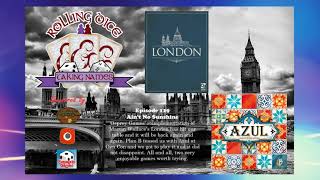
London lies devastated after the Great Fire of 1666. This is your opportunity to build a new city on the ashes of the old. It is up to you how you employ the talents of the people of London to this end. Will you favor the business classes, who will earn you money? Or would you prefer to spend more money than you can rightly afford on grand monuments and sumptuous palaces? You must also deal with the problem of rising poverty and how to employ the many paupers of the city. Throughout the game you will be forced to make tough decisions. To achieve one aim you must sacrifice another, which may open an opportunity for a competitor.
London is a 2-4 player game with a playing time of approximately 90 minutes. Players select cards with varying powers of cashflow, victory points, and poverty penalties, and compete to manage them most efficiently. Nearly 250 years of progress is glimpsed in this game. Famous buildings and monuments of the era as well as engineering developments such as streetlights are illustrated on the cards.
As with a lot of games, London is about scoring the most VPs. Players manage their hand, selecting cards to play into their building display by laying them out in a line. At some point a player will choose to run his city. They can activate their buildings in whatever order they prefer. The resulting actions can generate money and VPs, reduce poverty or have some other effect specified on the card. Some cards have an entry cost which must be paid before the action can be performed.
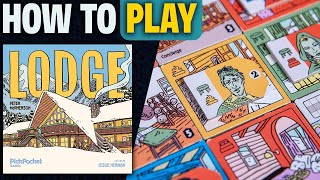
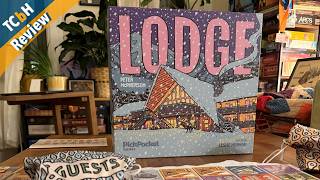
Lodge Playthru
- strong theme
- excellent production quality
- placement restrictions create meaningful decisions
- amenity tiles provide structure without scripting
- dynamic display that refills and forces re-evaluation
- art style may be divisive
- still a tile and token placement game; may not drastically change the genre for those already burnt out on it
- tile drafting and placement within a personal lodge, housing visitors and managing floor plans
- A mountain ski lodge theme, with a cozy, retro aesthetic.
- cozy thematic cohesion with a light storytelling thread through visitors and rooms
- Cascadia
- Harmonies
- Shallow Sea
Mechanics (from transcript analysis)
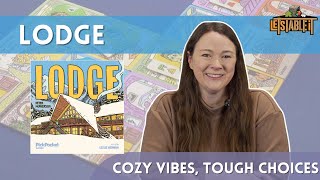
- amenity tiles — optional tiles that introduce additional endgame scoring opportunities and give turns more direction
- drafting — tiling from rows 1–4 in the display; the chosen tile must be placed on the same level in your lodge
- Endgame scoring — score points for housing visitors; visitors require two adjacent empty rooms of matching colors and a preferred floor; game ends when 12 visitors are housed
- tile placement — draft tiles from a shared display and place them on corresponding levels in your lodge
Video topics + discussion points
Quotes (from this video)
- The theme is strong, the production is fantastic, and the gameplay gives you a lot to think about without feeling overwhelming.
- If tile and token placement games are already in your wheelhouse, Lodge is absolutely worth a look.
- Lodge definitely lives in that same space, but it manages to feel different.
References (from this video)
- Rules-light but with meaningful depth and a clear late-game crunch.
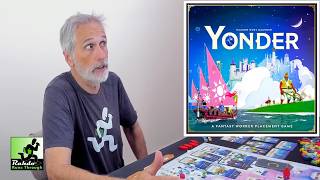
- High replayability due to ships, envoys, goal cards, and varied workers.
- Strong art direction and component quality; thematic flavor shines through.
- Multiple viable strategies and paths, keeping decisions fresh across plays.
- Arcana track adds strategic options beyond obvious board spots.
- Solo mode is not included in the copy being reviewed.
- Two-player games feel tighter early on due to fewer spots, with more spots appearing later and escalating congestion.
- The heavier decision-making depth in later rounds can surprise players who expect a very light feel.
- As player count increases, interaction and space competition increase and can slow pace.
- fantasy city-building with resource management, worker-driven engine building, and race-specific bonuses
- fantasy world focusing on town-building with races and factions in a shared environment
- whimsical yet strategic with a focus on engine development and interaction
- Villagers
- Streets
- Moon
Mechanics (from transcript analysis)
- Arcana track — An Arcana track provides bonuses that unlock stronger actions as levels are reached.
- Building versus board development — Players balance constructing from their hand against building on the main board, with later rounds emphasizing scoring buildings.
- Card tableau / progression — Players start with a set of cards (A, B, C) that provide resources, powers, or end-game scoring opportunities; these cards interact with ongoing actions and strategies.
- Envoys and ships — Ships carry envoy cards and bonuses; delivering envoys yields points and resources and can chain into other actions.
- Race-specific worker interactions — Different workers (ogre, dwarf, elf, goblin, skeleton, etc.) confer bonuses or costs, shaping engine choices and pacing.
- Resource management — At the end of each round all workers must be fed; mismanaging food affects scoring and leads to penalties.
- resource management and feeding — At the end of each round all workers must be fed; mismanaging food affects scoring and leads to penalties.
- Track advancement — An Arcana track provides bonuses that unlock stronger actions as levels are reached.
- worker placement — Players place workers on spaces on the board or in other players' towns to gain resources, build cards, or trigger bonuses.
Video topics + discussion points
Quotes (from this video)
- it's a light game
- there's a real efficiency puzzle in it
- the rules wise it's quite a light game
- you balance feeding your workers and filling your Envoy ships
- the board is very clear
- it's nice that there are a lot of little touches and little Sebastian ship jokes
References (from this video)
- Engaging spatial puzzle with color and floor-placement decisions
- Two-player friendly with clear drafting and placement flow
- Market refresh mechanic adds variability and strategic depth
- Prototype art and components mentioned; may change in final production
- Initial rule clarity could be improved for new players
- hospitality and spatial tiling within a lodge building
- A ski lodge in a mountain resort (Northern California) during winter
- abstract puzzle-driven
- Tiny Towns
- Fit to Print
Mechanics (from transcript analysis)
- Amenities — Place amenity tiles on any floor to gain scoring opportunities based on requirements.
- End condition and scoring — Game ends when a player places 12 guests; scoring includes guests (2 points each) plus floor bonuses and amenity points.
- Guest placement — Place guests by having two matching color rooms adjacent and empty; guests score points, with floor-based bonuses if on preferred floor.
- Row refill and market refresh — If an entire row empties, tiles refill and players may refresh via a refresh token.
- tile drafting — Take tiles from a central display; placement constrained by the chosen row and floor.
- tile placement — Place tiles on matching floors with adjacency and support requirements.
- Tile placement and floor rules — Place tiles on matching floors with adjacency and support requirements.
Video topics + discussion points
Quotes (from this video)
- We're playing Lodge.
- On a turn, you must add either a room or an amenity to your lodge.
- Tiles must be adjacent to another tile in your lodge, and all tiles on upper floors must be fully supported by tiles below them.
- Amenities will offer various scoring opportunities as long as you meet the requirements printed on them.
- The player with the most points wins.
- This is sponsored by Pickpocket Games, who are sponsoring this playthrough.
References (from this video)
- Cozy theme with appealing art
- Engaging tile-drafting and placement puzzle
- Deluxe tactile components rumored in prototype
- Clear thematic flavor tied to skiing lodge setting
- Can be fiddly with many tiles and placements
- Potential for analysis paralysis among players
- cozy guest lodging with spatial planning
- ski lodge / mountain retreat
- whimsical, light-hearted, family-friendly
- Tiny Towns
Mechanics (from transcript analysis)
- board sliding / cascading — When a row is emptied, the display slides down, influencing future tile placements.
- set collection / goal tiles — Guests and amenities are drafted and placed to fulfill goals for points.
- spatial adjacency and color matching — Scoring rewards adjacency of rooms and matching guest colors.
- tile drafting — Players draft tiles from a lodge board to place in their own lodge.
- tile placement — Tiles must be placed on specific floors with support beneath them; levels determine scoring.
- tile placement and level stacking — Tiles must be placed on specific floors with support beneath them; levels determine scoring.
- Tile/Map Shifting — When a row is emptied, the display slides down, influencing future tile placements.
Video topics + discussion points
Quotes (from this video)
- Um, basically it is a tile laying game.
- There are four levels in our lodge.
- It's handy. It makes your job easier and it adds to the theme.
- I actually really like the art style of it.
- The energy is up and the laughs are multiplied.
- The end of the game is triggered. Continue playing until all players have taken the same number of turns.
References (from this video)
- Clear teaching curve and accessible start
- Unique sliding display adds tactile, thematic novelty
- Cozy theme with charming aesthetics and flavor
- Encourages spatial planning and strategic thinking without heavy direct interaction
- Distinct from other cozy puzzle games in its mechanism mix
- Not revolutionary; sits in a crowded cozy puzzle niche
- Limited player interaction may not appeal to all groups
- Niche appeal; may blend with similar titles for some players
- Cozy hospitality and whimsical lodging ambiance
- Indoor ski lodge setting with multiple floors and themed guest rooms
- lighthearted, warm, and humorous
- Tiny Towns
- Fit to Print
- Harmony's Cascadia
- Azul
Mechanics (from transcript analysis)
- Floor-aware placement — Rooms can only be added from the floor indicated by the current display, requiring planning to reach desired floors.
- Guest requirements and scoring — Guests require specific room colors on particular floors; meeting these yields bonus points.
- Limited interference — A token can be used to remove a room the opponent needs, offering some strategic disruption without heavy player interaction.
- Room placement and adjacency — Players add color-coded rooms that must connect to existing rooms and maintain overall connectedness.
- Row clearing and refill — When a row is cleared, rooms slide down and refill automatically; a one-time token can clear a row instantly.
- Sliding display mechanic — A dynamic display of rooms and guests slides between turns, creating shifting layout possibilities.
- tile placement — Rooms can only be added from the floor indicated by the current display, requiring planning to reach desired floors.
- Tile/Map Shifting — A dynamic display of rooms and guests slides between turns, creating shifting layout possibilities.
Video topics + discussion points
Quotes (from this video)
- The sliding display is a fun little tactile goodie to play with.
- Lodge offers something different than all of those.
- It's not revolutionary. It is not so genre-defining that you have to get it for that reason, but it is fun.
References (from this video)
- Strong link to Lover/England themes
- Accessible for a broad audience
- romance and travel in England
- London / English culture
Mechanics (from transcript analysis)
- trading / set collection — players collect cards to score points themed around London
Video topics + discussion points
Quotes (from this video)
- Ticket to Ride is also many people's debut into board games
- you got to go fast
- you got to be swift
- Fearless is the Trailblazer album for Taylor
- Familiar Tales for me is giving me Speak Now vibes
- Bark Avenue because when you say speak a dog Burks
- the gates of Loyang … the box is red
- it's the era of Taylor Swift where she started to not really care and started to make fun of herself
- London boy
- Phantom Ink right because I don't know not only like the name of the game but the vibe
- the longest board game name I can think of
References (from this video)
- Fun and silly social interaction
- Accessible betting theme
- Re-playable and engaging
- Luck-based elements can dominate early turns
- betting, racing
- Horse racing with betting mechanics
- silly, social and accessible
- Long Shot
Mechanics (from transcript analysis)
- Betting and bluffing — players bet on horses and sponsor horses for bonuses.
- Betting mechanics — players bet on horses and sponsor horses for bonuses.
- dice-driven movement — roll dice to move horses along a track.
- Variable Powers — special powers that bolster horse movement or outcomes.
Video topics + discussion points
Quotes (from this video)
- it's a very fun game for £29.50
- there's a lot in that box
- a cool little combo element if you like to be a little bit more board gamey
- it's a cooperative card game that you can play with people that are not board gamers that will get it immediately, but you're having a lot of fun
- you can just keep playing it until you get bored
- Just One is the ultimate Christmas party family. It is incredibly enjoyable with the simplest rule set that you can explain in 30 seconds
References (from this video)
- introduced the social/social aspect of gaming as a central driver
- appealed as an early example of a modern, social-weighted game
- John indicates he didn't personally enjoy the game much and no longer owns it
- its appeal is framed more by what it catalyzed (social play) than the game's own mechanics
- urban development and social interaction
- London, England, during the early industrial era
- historical city-building with social dynamics
- Ticket to Ride Europe
- Pandemic
- Game of Thrones
Mechanics (from transcript analysis)
- area/engine-like development — building out districts and networks to gain points and influence
- card drafting — players draft action or district-development cards to influence their position in the city
- hand management — managing a hand of cards to optimize actions and scoring opportunities
Video topics + discussion points
Quotes (from this video)
- this was such a great entry immediate so easy to pick up and enjoy and it had all the core aspects of modern gaming that i love
- kickstarter has changed quite a lot
- the channel takes up all of my time and i worry about releasing quality content for my audience
- libitalia is the only game that i've played and i know that i love and i don't have that
- i'm ruthless i tend to get rid of them as soon as i don't want them anymore
- the big lebowski is a favorite of mine
References (from this video)
- Interesting card management
- Thematic city-building mechanics
- Balanced complexity
- Engaging economic system
- Out of print
- Potentially complex for new players
- Poverty management can be challenging
- City Rebuilding
- London after the Great Fire of 1666
- Economic City Development
- San Juan
- Race for the Galaxy
Mechanics (from transcript analysis)
- Area Control — Players build boroughs on the game board
- Card Play — Players use cards to build and activate city elements
- Poverty Management — Players must manage poverty levels through city development
Video topics + discussion points
Quotes (from this video)
- You're really like rebuilding London, you're rebuilding this vast city
- You can kind of risk it, you can kind of go poverty heavy early
References (from this video)
- Host unsure about cold weather connection
- Building and developing London
- London city building
- City building game
Mechanics (from transcript analysis)
Video topics + discussion points
Quotes (from this video)
- it's almost like a cozy kind of game cuz you can play it solo if you want
- heat is something that we all need in the winter because if you don't have heat guess what you freeze to death
- when I see a train I think winter every time
- it might be the weirdest racing game we've ever played
- winter was such a thing it was a Vibe
- the snowsuits were on point
- winter I would I would have been doing two things all winter I was either on the pond skating playing hockey or I was um at my neighbors like my grandparents Hill sledding sledding all winter that's all I did
- Jeff I just wish winter would end but it is endless
- you wear a mask when it's cold outside protect your face that's good advice