/pic3118622.jpg)
/pic814011.jpg)
/pic3118622.jpg)






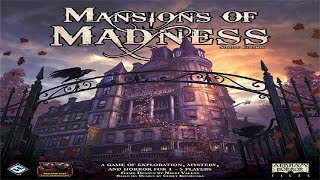
















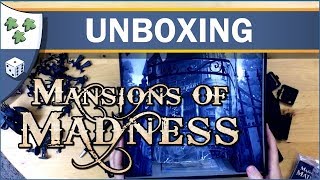






Mansions of Madness: Second Edition Deep Dive
What the Community Thinks About Mansions of Madness: Second Edition
Mansions of Madness: Second Edition has established itself as one of the standout Lovecraftian experiences in the board game space. The consensus among dedicated gamers is clear: the app-driven second edition represents a dramatic improvement over the original, successfully addressing the core frustrations that plagued its predecessor. Reviewers consistently highlight how the game delivers on the promise of immersive supernatural storytelling while making the experience accessible and enjoyable for all participants at the table.
Core Mechanics That Define Mansions of Madness: Second Edition
The Companion App as Game Master
The app stands as the most revolutionary element of Mansions of Madness: Second Edition. Rather than requiring one player to serve as the cumbersome game master, the app seamlessly handles scenario setup, provides hidden information, manages bookkeeping, and guides investigators through their investigations. Players download the app on any device before setup, select their scenario, choose investigators, and receive starting items. The app removes the tedious 20-30 minute setup that plagued the first edition, getting players into the action within minutes. During gameplay, the app progresses the story with narrative prompts, places tokens and monsters, handles the mechanics of puzzles, and orchestrates the mythos phase where tension escalates. The app's automation eliminates the advantage one player had over others in the first edition, transforming Mansions of Madness into a truly cooperative experience.
Action Resolution and Dynamic Scenarios
Each round breaks into two distinct phases: the investigator phase where players take up to two actions each (moving, attacking, searching, exploring, trading), and the mythos phase where the game makes things harder through monster activations and horror checks. Every action investigators attempt requires skill tests using a pool of dice. Success is determined by rolling elder signs, with clue tokens available to convert investigation symbols into successes. What makes this particularly compelling is that each scenario layout, monster placement, and story outcome varies significantly across playthroughs. The app generates random map configurations so players cannot simply retrace previous successful paths. Investigators suffer both physical and mental damage, accumulating cards that represent their deteriorating condition. When physical damage exceeds a character's health, they become wounded; when horror exceeds sanity, they go insane with secret new objectives that may work against the group. This insanity mechanic creates unpredictable tension as teammates must suddenly navigate investigations where one person might be actively working to sabotage the mission.
The Mansions of Madness: Second Edition Experience
Narrative Immersion and Thematic Storytelling
What separates Mansions of Madness from other Lovecraftian games is its commitment to cohesive storytelling. Players are not simply responding to random events; they are investigating specific mysteries with clear objectives. The app provides rich contextual flavor text as investigators explore locations, interact with NPCs, and uncover evidence. Narrator-quality voice work introduces each scenario with atmospheric narration that sets the stage. Throughout play, dialogue trees allow investigators to question NPCs and attempt to persuade or intimidate them for information. The app's sound design heightens immersion with ambient music that intensifies as danger approaches. Investigators experience the satisfaction of puzzle solving through interactive challenges that genuinely test their logic rather than feel like arbitrary obstacles. As scenarios progress and investigators accumulate clues, the mysteries gradually reveal themselves. This narrative structure means each session feels like playing through a cohesive mystery rather than surviving random encounters, making players genuinely invested in uncovering what has happened and who bears responsibility.
Tension Through Escalating Dread and Uncertainty
The game masterfully builds dread through a hidden timer that players sense but cannot see. The app tracks time passage through the mythos phase and increasingly presents warnings that terrible things are about to occur. Early in a scenario, investigators might cautiously explore and gather information. But as rounds progress, the app introduces monsters more aggressively, creates hazardous environmental conditions like fire, and forces horror checks that challenge investigators' mental fortitude. The uncertainty of not knowing what lies beyond each door or what awaits in unexplored mansion wings creates visceral tension. Investigators must make difficult choices about how to allocate their two limited actions and resources. Do they spend time gathering more information, or do they move forward to solve the central mystery? Do they fight monsters consuming precious resources, or attempt to evade and press onward? The game never informs players how much time remains or how many obstacles stand between them and victory. This builds a mounting sense of dread where even small setbacks feel catastrophic. The insanity mechanic compounds this uncertainty, since no one knows which investigator might suddenly betray the group by refusing to help or actively hindering plans.
What Makes Mansions of Madness: Second Edition Stand Out
App Integration That Enhances Rather Than Replaces the Physical Game
The app design philosophy prioritizes eliminating friction while preserving the tangible board game experience. The app does not overwhelm with constant visual noise or force players to stare at screens. Instead, it presents information clearly and lets players focus on the physical board with miniatures, tiles, and components spread before them. When investigators discover items, they draw actual cards from decks. When monsters appear, players place physical miniatures on tiles. The app tracks what is hidden (future room layouts, exact objectives) while players maintain agency over visible elements. This balance means the app enhances the experience without making players feel like they are playing a board game wrapper around a mobile game. The system is so user-friendly that teaching new players takes minimal time. After a brief rules explanation and one practice round, players immediately grasp the core actions available and intuitive app interactions.
Replayability Through Procedurally Generated Variation
Each scenario runs differently because the app randomizes crucial elements. The map layout changes, monster types and placements vary, objective locations shift, and the timing of mythos events differs. This means playing the same scenario twice yields distinct experiences. Investigators cannot memorize solutions or leverage previous knowledge to breeze through challenges. Even with multiple playthroughs of a single scenario, they must adapt strategies to unforeseen configurations. The base box includes four scenarios ranging from 1.5 to 6 hours, and Fantasy Flight regularly releases additional scenarios as digital downloads for modest cost. The variety of scenarios ensures that the game never feels stale despite limited total story content. With different characters possessing unique abilities, different investigator teams create further variation even within the same scenario. This combination of procedural generation and character asymmetry gives the game remarkable staying power compared to narrative games where subsequent plays lose their impact once mysteries are solved.
Potential Drawbacks
Physical Component Issues and Monster Stand Design
The most universal complaint among reviewers concerns the monster stands. The miniatures come pre-assembled on awkward black plastic bases that do not fit elegantly on the board and frequently fall out during play. When monsters with special abilities like flying need to have their bases flipped to reveal information, the minis catastrophically detach and scatter. Fantasy Flight chose to carry forward this flawed design from the first edition to avoid invalidating existing miniature collections, but the decision frustrates players. Replacing the bases with custom 3D-printed versions has become a common hobby solution. Some reviewers suggest discarding the miniatures entirely and instead using the beautifully illustrated monster tiles provided in the app, which display all necessary information and aesthetic value without the component frustration.
Limited Scenario Volume and Variable Difficulty
While four base scenarios provide solid content for initial play, the game struggles with long-term variety compared to the first edition which offered more scenarios from the start. After exhausting the four base scenarios multiple times, the novelty can diminish despite procedural variation. Additionally, scenarios vary significantly in difficulty and length. The shortest scenario runs roughly 1.5 hours, while the longest extends past 6 hours with no option for quicker challenges. Some scenarios also prove more difficult at lower player counts or with solo play, where the insanity mechanic loses its impact and solo investigators struggle with insufficient dice resources. Fantasy Flight has addressed this through expansion scenarios that add new stories and locations, but these require additional investment beyond the base game purchase.
If You Enjoy Mansions of Madness: Second Edition
Players who love Mansions of Madness should explore other entries in the Arkham Horror universe, including Arkham Horror: The Card Game which delivers a complementary narrative experience, and Eldritch Horror which provides Lovecraftian adventure at a different scope and complexity level. For those drawn to mystery and deduction mechanics, consider Sherlock Holmes: Consulting Detective or similar investigation games. Players enchanted by the app-driven experience should explore other digital-hybrid games that use apps to enhance rather than replace physical components. Those who appreciate the horror theme but want different mechanics might enjoy cooperative games like Nemesis where survival horror emerges from player interaction rather than challenge against the game system. The cooperative puzzle-solving aspect appeals to fans of campaign games like Sleeping Gods or Gloomhaven. Star Wars: Rebellion offers a comparable sense of narrative scope for players seeking grand thematic experiences.
What Reviewers Are Saying
"This game brings my cold heart joy, the manic spooky, surprising, most enjoyable game to lose. Embrace your inner pyromaniac."
— Going Analog
"The app does a brilliant job of keeping you immersed in the story, what is going on, the characters you interact with, the soundtrack, the ambient noise, the ambient sound effects. Even the combat when you're fighting against different monsters, it tells a good story and keeps you fully immersed in its setting."
— The Broken Meeple
"This is one that really struck a chord with us, particularly. Even though one of the main game mechanics is to simply roll some dice and look at your skill, here packaged in this wonderful Lovecraftian story, it works really really well."
— No Pun Included