/pic92015.jpg)

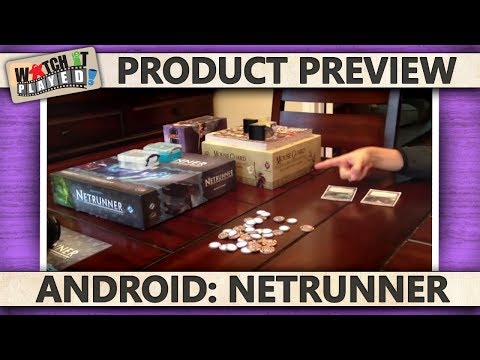























Netrunner Deep Dive
What the Community Thinks About Netrunner
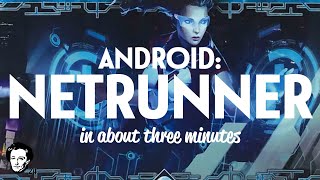
Netrunner occupies a unique position in the board gaming world as one of the most passionately defended competitive card games ever created. Since its original release in 1996, reviewers consistently praise it as an asymmetric masterpiece that transcends typical card game design. The game has cultivated a devoted following who argue it stands above even Magic: The Gathering in terms of design elegance and competitive depth. With the recent print-on-demand revival from Null Signal Games, Netrunner has found new life, though accessibility remains a challenge for players seeking local communities to engage with its intricate dance of corporate intrigue and hacking subterfuge.
Core Mechanics That Define Netrunner
Asymmetric Player Powers
The defining feature of Netrunner is its radical asymmetry. One player controls the Corporation, building hidden servers and advancing secret agendas toward victory. The other plays as the Runner, a hacker attempting to infiltrate servers, bypass security measures called ice, and steal agendas to prevent the Corporation's dominance. Neither player uses the same cards, strategies, or even victory conditions. The Corporation wins by advancing seven or more agenda points safely; the Runner wins by stealing those same agendas. This structural difference creates two entirely distinct games that happen to share the same table, forcing each player to think in fundamentally opposite ways.
Risk Management and Decision-Making
Netrunner strips away the randomness that defines many card games. There is no luck in drawing bad cards or rolling dice at critical moments. Instead, the game demands constant risk assessment from both players. The Runner must calculate whether they have enough resources and programs to break through corporate ice, knowing the Corporation can rez unrevealed cards to increase the cost of the run. The Corporation must decide which servers to fortify and which agendas to advance, betting that the Runner will be hesitant to probe certain servers. Every click is meaningful, and every decision has consequences that ripple across the game state.
The Netrunner Experience
Tense and Cinematic Gameplay
Reviewers consistently describe Netrunner as a cat-and-mouse chase that evokes the feeling of digital espionage. Each run feels like a carefully choreographed heist film, where the Runner commits to penetrating a server, unsure of what defenses await. The Corp, meanwhile, must read their opponent's intentions and decide whether to spend precious credits rezzing ice or bluff that the server is more dangerous than it actually is. This constant bluffing and counterplay creates moments of genuine drama: a successful run against all odds or an ambush that catches an overconfident hacker generates the kind of emotional payoff that defines memorable gaming sessions.
High Skill Ceiling with Meaningful Mastery
Unlike games where purchasing the optimal deck list allows victory through deck strength alone, Netrunner demands that players understand risk, read their opponents' intentions, and execute their plans flawlessly. A skilled player cannot simply download the best deck and win; they must know how to manage their limited resources, recognize when to run against uncertainty, and anticipate opponent plays before they happen. This high skill ceiling means that casual players can enjoy themselves while competitive players find endless depth. The game rewards repeated play and study, allowing players to discover new strategies and refine their craft over hundreds of games.
What Makes Netrunner Stand Out
Perfect Asymmetry in Card Games
Netrunner is frequently called the greatest competitive collectible card game ever made, and this reputation stems from its complete embrace of asymmetric design. Rather than both players competing for the same resources with identical card pools, Netrunner makes asymmetry its entire foundation. The Corporation and Runner have different resource systems, different victory conditions, and different available actions. This design choice forces genuine interaction and prevents the game from devolving into two parallel solitaire experiences. The result is a game where every decision has weight because the opponent's game works according to different rules entirely.
Bluffing and Mind Games at the Card Game Table
The hidden information system creates opportunities for psychological warfare rarely seen in modern board games. The Corporation installs cards face-down, leaving the Runner uncertain whether they are facing a devastating trap or an undefended asset. The Runner's successful runs can be influenced not by drawing the right cards but by correctly reading whether their opponent is bluffing. These mind games transform Netrunner from a purely mechanical puzzle into a genuine test of reading opponents and managing uncertainty. The best players at Netrunner excel not because they know every card interaction but because they understand psychology and can make decisions under pressure with incomplete information.
Potential Drawbacks
Community Access and Finding Players
Despite its elegant design and passionate supporters, Netrunner faces a significant practical barrier: finding regular local players can be extremely difficult. The game requires players to invest time learning both roles and understanding the nuances of deck building, which creates a barrier to casual entry. Unlike Magic: The Gathering or other mainstream card games, Netrunner lacks a widespread organized play community in many regions. The recent revival through Null Signal Games represents genuine grassroots enthusiasm, but potential new players may struggle to locate a friendly local group, leaving new decks untested and the full social experience of the game inaccessible.
Deck Building Complexity and Customization Pitfalls
While the base game includes excellent pre-made decks that require no assembly, players who wish to customize their decks must navigate a large card pool and complex construction rules. It is possible to enthusiastically mix and match cards from various sets and lose track of which cards belong to which deck, creating frustration when attempting to reassemble the game for future plays. The freedom to build custom decks is one of Netrunner's strengths, but without careful organization, players can easily sabotage their own enjoyment by creating an unmanageable card situation.
If You Enjoy Netrunner
Players who love Netrunner should explore other asymmetric head-to-head games that emphasize reading opponents and managing risk. Watergate offers similar psychological tension in a two-player political struggle. KeyForge provides unique deck construction without the collecting burden. For those seeking deep card games with competing economies, Magic: The Gathering offers complexity, though it lacks Netrunner's elegant asymmetry. Terraforming Mars appeals to players who enjoy engines and tableau building, while Root captures asymmetric gameplay at higher player counts. Most importantly, seek out other Netrunner enthusiasts: the game's true brilliance emerges in the competitive dance between skillful opponents who understand both the mechanical intricacies and the psychological games that define top-level play.
What Reviewers Are Saying
"It's so good, it's so good, I can't emphasize how good this is. If you like two player combat games, it doesn't get much better than Netrunner."
— Board Game Coffee
"The asymmetric gameplay is brilliant. The runner and corp feel like completely different games, each with its own strategies and mind games. Deck building has near limitless options, letting you fine-tune combos or experiment with wild ideas. The bluffing and counterplay make every run tense and cinematic."
— JestaThaRogue
"Netrunner is hands down the greatest competitive collectible card game ever made, far better than Magic the Gathering. You need to know how to manage risk, bluff, and read people. Playing it is the real difference maker."
— 3-Minute Board Game