/pic7531551.jpg)
Game Info
Year
2023
Collection
Ratings
Creator Score
Mechanic profile
Not enough video data yet
Vibe profile
Not enough video data yet
Description
Travel to the city of Tokyo, Japan, and compete to redraw their metro plans in order to meet the tourist challenges of tomorrow.
Each turn in Next Station: Tokyo, you reveal the next station card and draw a subway line on your map. You have to optimize your network to collect a maximum number of stamps and stay connected to the central green loop to earn as many points as possible.
Featured Videos

Ask a Rules Question
All mentions
Browse transcript mentions, sentiments, pros/cons, mechanics, topics, quotes, and references.
Total mentions: 13
This page: 13
Sentiment:
pos 11 ·
mix 1 ·
neu 1 ·
neg 0
Showing 1–13 of 13
Video 1TwR0ZUTar8
Watch It Played Discussion at 9:05 sentiment: neutral
video_pk 88612 · mention_pk 234017

Click to watch at 9:05 · YouTube ↗
Overall sentiment (raw)
neutral
Pros
none
Cons
none
Thematic elements
- create a new Subway Network
- city of Tokyo
Comparison games
none
Mechanics (from transcript analysis)
- network building — create a new Subway Network which will require optimizing interchanges and collecting as many tourist stamps as possible across the city
- route optimization — optimizing interchanges and collecting as many tourist stamps as possible across the city
- Set Collection — collecting as many tourist stamps as possible across the city
Video topics + discussion points
No key topics recorded for this video.
Quotes (from this video)
- exploding worms reprint royalty and a dead parrot hello I'm Matthew and welcome to your board game news
- this one Taps into the nostalgic part of my personality thus making it very very exciting
- this hits me right in my 10 year old PlayStation 1 playing heart I loved worms so I'm very very excited
- the Godfather of area control games El Grande is coming back with a new edition
- it's a devious game of card selection bluffing tactical timing strategic Cube placement and just a dash of luck
- I really hope this new version is available in English please please please
- this is the same kind of set collection we find in other Sushi go games but here you either take what's in front of you or you play a Chopsticks token to spin the table to take something else in the hopes of getting both both what you need and more Chopstick tokens to give you more options as the game goes on
- looks fun I really love sushi go I thought sushi roll was even better so I'll be trying this as soon as it's available everywhere
- to rule them all and then sell it as soon as this was announced offers started going wild
- what could be more synonymous with games than a cat they lie around in game boxes are curious and playful and illicit emotion
- I think Klaus would be a great name in honor of the late great Klaus toiber the designer of Catan who passed away earlier this year
- this set plays homage to what many consider to be the greatest comedy series of all time
- in the end chaos will be inevitable and players must prepare for it it'll bring great Peril but also great rewards
- if you've not watched avatar The Last Airbender just do it I promise you that's the biggest takeaway from the whole episode today frankly it's that good
References (from this video)
No references stored for this video.
Video iuujq7aspUg
kovray Top 10 List at 7:25 sentiment: positive
video_pk 88559 · mention_pk 233772

Click to watch at 7:25 · YouTube ↗
Overall sentiment (raw)
positive
Pros
- thoroughly enjoyed Next Station London
Cons
- different from Next Station London
Thematic elements
Comparison games
- Next Station London
Mechanics (from transcript analysis)
Mechanics unknown.
Video topics + discussion points
No key topics recorded for this video.
Quotes (from this video)
- next up is that Cosmo octopus
- it's such a unique theme yes and the gameplay is really fun it is it's great it's a great game
- If you liked like King Domino this is like almost a step up in my opinion in terms of like uh you're building a three-dimensional pyramid.
- it tickles your brain in such a unique way.
- Six player fit to print is some of the best experience that you can possibly have.
- The art in this game is absolutely gorgeous. There's a capybara that's a unicorn.
- it's a very nice introductory uh well delving game.
- It's also super clever how they did the dice and you have to combine them in their grade in the grade and it creates the space that you have to play.
- This is a fantastic kind of filler gamer conversationalist game.
- you get to make waffles
References (from this video)
No references stored for this video.
Video GItunyn9euw
Neon Gorilla Review at 8:11 sentiment: positive
video_pk 88446 · mention_pk 259886
Click to watch at 8:11 · YouTube ↗
Overall sentiment (raw)
positive
Pros
- Thinky yet approachable puzzle
- Fast play with clear decision points
- Accessible for families and new players while offering depth for experienced players
Cons
- Relatively light on thematic flavor
- Some players may want more direct interaction or tension
Thematic elements
- urban transit routing and district control
- a fast-paced Tokyo subway network with dynamic route drawing
- tight, puzzle-like scoring with rapid rounds
Comparison games
- Ticket to Ride
Mechanics (from transcript analysis)
- Area Majority — Points earned by visiting or creating dominant districts along color lines.
- area majority / scoring by districts — Points earned by visiting or creating dominant districts along color lines.
- Compound Scoring — Four rounds determine final tallies with fast pacing.
- Network/Route Building — Players draw lines on a map using colored pencils to extend routes.
- round-based scoring — Four rounds determine final tallies with fast pacing.
- route drawing — Players draw lines on a map using colored pencils to extend routes.
Video topics + discussion points
No key topics recorded for this video.
Quotes (from this video)
- this game is really unique because of the strategy and dexterity put together
- it's all about balance
- I highly recommend this
- I love trains All Aboard
- draw a line and you can't cross another route you've previously drawn
References (from this video)
No references stored for this video.
Video GItunyn9euw
Neon Gorilla Review at 8:23 sentiment: positive
video_pk 88446 · mention_pk 233154
Click to watch at 8:23 · YouTube ↗
Overall sentiment (raw)
positive
Pros
- Elegant, accessible route-building puzzle
- Good for teaching spatial reasoning and planning
- Standalone with potential for deeper play in follow-up titles
Cons
- Some players may find the map-minding constraints tedious
- Less thematic flavor if you prefer story-driven games
Thematic elements
- line drawing and color-based routing on a compact map
- a transit-pantheon style puzzle reflecting Tokyo's subway network, precursor to London edition
- short, elegant puzzle with minimal setup
Comparison games
- Next Station London
Mechanics (from transcript analysis)
- color-line routing — Draw lines using colored pencils to connect routes without overlapping existing lines.
- Compound Scoring — Four rounds with scoring tied to line efficiency and district interactions.
- intersection bonuses — Points for crossing lines with strategic planning and inter-district connections.
- round-based scoring — Four rounds with scoring tied to line efficiency and district interactions.
Video topics + discussion points
No key topics recorded for this video.
Quotes (from this video)
- this game is really unique because of the strategy and dexterity put together
- it's all about balance
- I highly recommend this
- I love trains All Aboard
- draw a line and you can't cross another route you've previously drawn
References (from this video)
No references stored for this video.
Video nyEf_F-p9fQ
kovray Top 10 List at 3:07 sentiment: positive
video_pk 88411 · mention_pk 232959

Click to watch at 3:07 · YouTube ↗
Overall sentiment (raw)
positive
Pros
- Fun puzzle with route-building complexity
- Introduces a fifth color for added variety
Cons
- Not necessarily essential to own; London edition may suffice for some
Thematic elements
- rail network optimization with color-tracking
- City transit; building rail lines around a city
- puzzle/route-building within a city map
Comparison games
- Next Station London
Mechanics (from transcript analysis)
- card_drawing — Draw in parallel with other tracks; new color introduced
- route_building — Drawing/placing routes to connect stations; five-station interplay
Video topics + discussion points
No key topics recorded for this video.
Quotes (from this video)
- we're actually close to a pretty big milestone 100 we've almost played 100 rolling rights
- check out the next video to see if he tells us a joke
- I think it's one of the best rolling right implementations of a board game that I've played
References (from this video)
No references stored for this video.
Video ILwdc0Z3Q_Q
Good Time Society Discussion at 25:32 sentiment: positive
video_pk 80713 · mention_pk 197498

Click to watch at 25:32 · YouTube ↗
Overall sentiment (raw)
positive
Pros
- Fun and engaging gameplay.
- Satisfying to build out metro lines.
- Visually appealing with colored pencils and train stations.
Cons
- Can be challenging for colorblind players if not for the symbols.
Thematic elements
- Train/Metro Lines
- Tokyo
Comparison games
- Mag Lev Metro
- Railroad Ink
- Next Station: London
- Next Station: Paris
Mechanics (from transcript analysis)
- network building — Players create interconnected metro lines.
- roll-and-write — Players draw lines with colored pencils based on dice rolls or card draws.
Video topics + discussion points
No key topics recorded for this video.
Quotes (from this video)
- It synced up with the end of the song and I didn't even do it on purpose.
- Friends, welcome on in to your weekly dose of board games, beverages, and shenanigans. This is Good Morning Society, episode 104.
- I really like it. Especially because it's right there in front of you. It's here. I'm in charge of the squirt bottle now.
- I don't want to brag, but only 50% of people beat the boss in that demo. And I'm one of those 50% up.
- It was great. It was so fun. I got to see a lot of very cool games.
- I think it is such a It's such an improvement on some of uh previous gaming conventions that I've been to.
- No offense to everyone watching, but I think the thing that makes it good is the public's not allowed there.
- I'm a little nervous about Gen Con. I'm going to be honest. Everyone keeps telling me how huge it is and I get a little overwhelmed at big conventions.
- It's a Forex game for folks looking to get into the genre uh through cozy building of a universe.
- They're going to get to they're getting to the X's at this point in the video that are going to be a little hard to make cozy.
- Exploit is not real.
- Penguins are like the cats of birds rule.
- The vibes are north.
- It looks like they're sort of inspired by the art of Mary Blair with what they've been what they're doing in this trailer. Like it's so like watercolor but defined lines.
- So, you're going to go to the different lands. There are two lands and you travel and sometimes you'll pick up your fellow dragons andor humans to help you gather more resources. And the object of the game, of course, is to hoard the most gold
- The way the dragons slot into that track, the way they attach to each other, it seems so satisfying to play.
- It's really simple to learn, but I mean, it's such a cliche. It's difficult to master.
- This game made me so angry and I loved it.
- Now, that's the way to uh sell a game. This game pissed me off so much, I want to play it again.
References (from this video)
No references stored for this video.
Video dBbVxAPTP34
Neon Gorilla Analysis at 5:01 sentiment: positive
video_pk 79976 · mention_pk 193754

Click to watch at 5:01 · YouTube ↗
Overall sentiment (raw)
positive
Pros
- Great games
Cons
none
Thematic elements
Comparison games
none
Mechanics (from transcript analysis)
- Flip and Write — Mentioned as a great example of the genre.
Video topics + discussion points
No key topics recorded for this video.
Quotes (from this video)
- Fill and rights.
- You can't name me a cheaper form of entertainment than a card or board game.
- I think family weight is like wait, can I play this with my friends? Can I my enemies? Can is it is it just for children? Is it like adults should play it with their teens and talk about real life experiences?
- You don't have to be in the hobby to enjoy board games.
- Games don't have to be complex and hard to learn to have good depth and strategy.
References (from this video)
No references stored for this video.
Video w70WieENoAw
Let's Table It Review at 0:14 sentiment: positive
video_pk 61955 · mention_pk 154564
Click to watch at 0:14 · YouTube ↗
Overall sentiment (raw)
positive
Pros
- Fast to teach and quick to play
- Family-friendly and accessible to kids and adults
- Modular extensions add depth and replayability
- Clear scoring with engaging route-building
- Shared objectives encourage interaction and strategy
Cons
- Card-draw luck can strongly influence outcomes
- Color-passing mechanic may confuse new players
- Central area scoring can penalize players who avoid central routes
Thematic elements
- subway route optimization and network connectivity
- Urban Tokyo with 13 districts and a central green loop line; players build subway routes across the city
- abstract strategy puzzle with route-building and scoring
Comparison games
- Next Station London
Mechanics (from transcript analysis)
- Color-based route planning — Routes are built in different colors; pencils/pencils color change through rounds.
- Compound Scoring — Points for intersections where multiple colors meet; higher bonuses with more colors.
- Green central line scoring — Scoring considerations for stations connected to the central green loop; unvisited central stations incur -3 per station.
- Interchange scoring — Points for intersections where multiple colors meet; higher bonuses with more colors.
- Joker and multi-color line — Joker lets connection to any station; line can be drawn alongside a second color when allowed.
- Modular Board — Optional modules and special stations add complexity and strategic options.
- Modular extensions — Optional modules and special stations add complexity and strategic options.
- Movement restrictions — Cannot visit the same station twice with the same color; cannot cross lines of the same color; cannot reuse a connection.
- Network/Route Building — Routes are built in different colors; pencils/pencils color change through rounds.
- Railroad switch card — Allows changing how lines extend from the middle; enables connecting from any station after flip.
- Round-based scoring and shared objectives — Four rounds; after green cards are revealed, score; shared objectives provide additional scoring targets.
- Simultaneous route drawing — All players draw lines at once on their own color, following revealed cards.
Video topics + discussion points
No key topics recorded for this video.
Quotes (from this video)
- it's a fast and quick game
- strategic flip and right game
- it's similar to nextstation London
- this version adds some different modules to add in the game
- the game is different each time you play
- I do like the objectives in the game as it gives you some direction to work towards uh you know instead of just randomly doing things but then with the added special station cards you have more options to do even more things and you will have to make more choices to see if you would rather do one thing over another thing
- it's a great design that spans from kids to adults so we like playing this one because everyone can do it and everyone enjoys it
References (from this video)
No references stored for this video.
Video ywg6HW1aXjk
Board Gaming Ramblings Discussion at 5:12 sentiment: positive
video_pk 42389 · mention_pk 128632
Click to watch at 5:12 · YouTube ↗
Overall sentiment (raw)
positive
Pros
- same design language as other titles by the same designer
- accessible tension from placement and route choices
Cons
- not deeply heavy; more approachable for a wider audience
Thematic elements
Comparison games
none
Mechanics (from transcript analysis)
- tile placement / route building — players build routes or networks across a map with modular tiles.
Video topics + discussion points
No key topics recorded for this video.
Quotes (from this video)
- it's been fantastic we have spoken to many Fantastic people
- the party is a punching party we're going to punch games and we're going to edit
- we haven't played the next Station London yet but we've heard really good things about it
- it's a through taking game which uses dice
- King Domino which we really enjoy
References (from this video)
No references stored for this video.
Video IuNkTznfA1A
JestaThaRogue Review at 0:00 sentiment: mixed
video_pk 38413 · mention_pk 151285
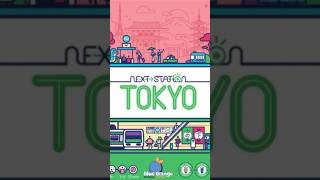
Click to watch at 0:00 · YouTube ↗
Overall sentiment (raw)
mixed
Pros
- Simple flip-and-write mechanic that is approachable and quick to learn
- Color-coded lines per round add visual variety and strategic nuance
- Bonus scoring cards create variability and encourage adaptive planning
- Short playtime makes it suitable for casual sessions or family game nights
- Compact components and map layout keep setup and teardown light
Cons
- Can feel fiddly or untidy, requiring careful organization of crayons and maps
- Derailed by the complexity of bonus cards for new players, potentially a learning curve
- Some may perceive it as multiplayer solitaire rather than interactive map-building
- Not significantly innovative compared to similar flip-and-write titles
Thematic elements
- Urban transit planning, route optimization, and scoring rewards for efficient network design.
- A map-based Tokyo metro network where players draw and connect routes with color-specific lines each round.
- Procedural scoring with evolving bonuses; the game presents a modular objective landscape via bonus cards.
Comparison games
- Previous city variant of Next Station (unnamed city)
- Other flip-and-write/roll-and-write games for comparison
Mechanics (from transcript analysis)
- bonus scoring cards — Deck of scoring modifiers that shuffle between games, creating replay variability.
- color-coded drafting — Each round uses a different color, adding a visual layer and affecting path layout decisions.
- flip-and-write — Players use colored crayons to draw lines on a shared map, building routes each round.
- Flip/Roll and Write — Players use colored crayons to draw lines on a shared map, building routes each round.
- Network/Route Building — Players attempt to optimize connections between districts to maximize scores while avoiding overlaps.
- overlap management — Careful placement is required to avoid blocking fellow routes and to maximize efficiency.
- route optimization — Players attempt to optimize connections between districts to maximize scores while avoiding overlaps.
Video topics + discussion points
No key topics recorded for this video.
Quotes (from this video)
- It's the sequel to a fan favorite, but does it innovate or just redraw old tracks?
- I enjoy the simple flip and write gameplay, and using a different color crayon each round gives a really unique twist to just writing with a standard black, dry, white marker.
- The scoring options and choices give you so much to think about on each turn, especially the different bonus scoring cards that change game to game.
- But the prosecution would like to enter a few derailments into evidence.
- It's untidy, fiddly, and feels like multiplayer solitaire a bit too much.
- It's a pain to teach in a world where there are much more simple and more fun roll-and-write games.
- Next Station Tokyo guilty of rerunning the same tracks over and over.
References (from this video)
No references stored for this video.
Video al24jRG-5y8
Foster the Meeple Top List at 16:59 sentiment: positive
video_pk 7604 · mention_pk 121701

Click to watch at 16:59 · YouTube ↗
Overall sentiment (raw)
positive
Pros
- additional variant of the London mechanic
- handy for travelers who chase variety
Cons
none
Thematic elements
- transportation lines
- city transit map
Comparison games
none
Mechanics (from transcript analysis)
Mechanics unknown.
Video topics + discussion points
No key topics recorded for this video.
Quotes (from this video)
- Monopoly go keeps all the best parts of classic Monopoly buying properties trading deals and trying to bankrupt your Rivals but it's designed for quick fast-paced rounds
- solo travel has never been this much fun
- Puzzle games work they just work for travel I don't know what it is they work for solo travel
- Ganz schön Clever is one of the most classic roll and write games
- it's so addicting
References (from this video)
No references stored for this video.
Video Z1Z-7G5mnAs
Sir Thecos Top List at 7:55 sentiment: positive
video_pk 6391 · mention_pk 126634
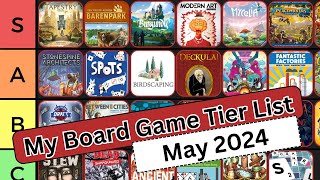
Click to watch at 7:55 · YouTube ↗
Overall sentiment (raw)
positive
Pros
- Very very similar to Splendor
- Different scoring
- Good games
Cons
- Not as good as A-tier games
Thematic elements
- Train system building
- Tokyo transport
- Similar to Splendor
Comparison games
- Splendor
Mechanics (from transcript analysis)
- network building — Build train networks
Video topics + discussion points
No key topics recorded for this video.
Quotes (from this video)
- I rank like games pretty much like how I feel right now about them right it's possible that next month I will rank the games way differently
- Stonespine Architects definitely an a rank game for me um really amazing
- I just absolutely love this one of my most favorite puzzly polyomino games
- Château Burgundy is still in my top three games has been for a few years
- I do not like auction games but I absolutely love Modern Art this is amazing
- My City is like an amazing entry level deck builder but you can also play with people who like to play games a lot
- Slay the Spire could be one of my games of the year wow this game is amazing
- Fallout is really messed up by its winning condition
- Pop-Up Pirate it's funny but is it a good game no it's not really a game right
- I like vegetable themed games it sounds very specific but that's the way it is
References (from this video)
No references stored for this video.
Video mxL598kQ7t8
Going Analog Discussion at 28:16 sentiment: positive
video_pk 4498 · mention_pk 82224

Click to watch at 28:16 · YouTube ↗
Overall sentiment (raw)
positive
Pros
- engaging network-routing puzzle
- visual appeal with colored pencils and maps
- evolution from London to Tokyo offers helpful growth
Cons
- sequel complexity may require learning from scratch for some players
- initial London may feel simpler
Thematic elements
- railway route building with color-coding rounds
- Transit network planning in a sprawling city
- thinky, puzzle-like
Comparison games
- Next Station London
Mechanics (from transcript analysis)
- multiple simultaneous goals across rounds — each round imposes different scoring and path constraints.
- network/path building with color rounds — players draw tracks in different colors each round to connect stations.
- network/route drawing with color decks — draw routes with pencils; different colors per round.
- variable scoring per round — round goals change to create shifting strategies
Video topics + discussion points
No key topics recorded for this video.
Quotes (from this video)
- blob party is one of those really interesting games where a single component really elevates the entire experience
- there's only nine rounds in this game you better figure out what you want to do
- Sea Salt and Paper... I love the form factor of the box it's so tiny
- Daybreak is a Cooperative uh game where players are leveraging current and future Technologies and policies to try to solve the problem of an ongoing and changing climate
- Thunder Road Vendetta ... racing game where you it's like you're just purposefully getting in each other's way basically
- it's a flip and right uh where the game has like these kind of it's like a network of transit systems
- my island is uh also sort of like a tile placing game where you're building out an island a deserted island
- Dune Imperium the deck-building plus worker placement game
- Nucleum is a real heavy game about an alternate reality where we discovered nuclear power way earlier
References (from this video)
No references stored for this video.
Transcript Navigation
Showing 1–13 of 13