/pic4883468.jpg)






















PAX Deep Dive
What the Community Thinks About PAX
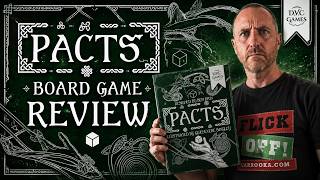
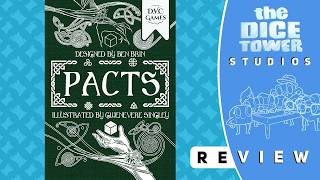
PAX is a hidden gem that has quietly earned passionate advocacy from board game enthusiasts. Reviewers across the community describe the game as an elegant strategy experience with surprising depth hidden beneath a deceptively simple card-driven system. The game consistently impresses players with its elegant design, memorable moments, and ability to deliver engaging experiences across its supported player counts. Far from being obscure, PAX demonstrates why thoughtful game design can create meaningful play moments that linger long after the final card is played.
Core Mechanics That Define PAX
I Cut, You Choose Auction System
The heart of PAX lies in its elegant auction mechanism where one player cuts cards from the deck into groups, and the opponent selects which group they want. This creates a beautiful tension between fair division and player agency. Every cut forces a calculation: if you make groups too even, your opponent gets exactly what they want. Make them too uneven and you gift them the superior option. This single mechanism drives nearly all strategic depth in the game, forcing constant attention to what opponents pursue and careful hand management throughout each round.
Area Control with Asymmetric Factions
Players control faerie courts with distinct persistent abilities that shape their approach to control. Each faction has an ongoing power that applies throughout the game and a special ability that can be activated strategically. The Kelpies, for example, can use their wild cards to remove opponent pieces, while other factions have different tools for area domination. These asymmetric powers feel subtle rather than overwhelming, creating meaningful differentiation without unbalancing the game or requiring a mastery of complex exceptions.
The PAX Experience
Constant Strategic Tension
PAX demands that players remain engaged throughout. Each turn involves careful observation of what opponents are pursuing and calculation of how to respond. The game requires good focus, procurement of resources, and thinking several moves ahead. Players must manage their card display, pay attention to which cards remain unused, and anticipate how the auction might unfold. This creates a brain-burning experience that rewards planning without descending into analysis paralysis.
Tight, Decisive Play
Despite its strategic depth, PAX plays quickly and cleanly. The elegant mechanics compress meaningful decisions into a compact timeframe. Each round flows naturally from the previous one, and while endgame scoring involves some calculation, the overall pacing remains snappy. Players emerge from the experience feeling they participated in something well-designed rather than groggy from complexity or overwhelmed by rule exceptions.
What Makes PAX Stand Out
Paired Simplicity and Elegance
PAX achieves rare elegance by accomplishing substantial strategic depth through remarkably constrained mechanics. The I cut, you choose system, a single auction mechanism, drives nearly all decision-making. Players can teach the game quickly and begin meaningful play within minutes. Yet despite this accessibility, the game rewards strategic thinking, careful observation, and forward planning. This combination of easy-to-learn surface play with substantial tactical depth makes it accessible to new players while engaging experienced strategists.
Thematic Coherence
The game's fae courtly theme permeates every element. The asymmetric powers feel rooted in the nature of each faction rather than feeling bolted-on for balance. The map, the score track, the card names and descriptions all weave together a cohesive experience set in Irish mythology. This thematic consistency creates an immersive experience that makes the mechanical systems feel narratively justified rather than arbitrary.
Potential Drawbacks
Auction Mechanism Demands
While the I cut, you choose system is elegant, it places significant cognitive load on the cutting player. Evaluating how to divide cards fairly while maximizing your own position and minimizing your opponent's advantage requires constant mental effort. For some players, this auction valuation puzzle can feel like the toughest part of their brain doesn't cooperate, making the mechanic feel burdensome rather than delightful.
Endgame Scoring Complexity
The final round introduces movement as a special ability, and some players may find the endgame scoring phase requires substantial calculation, particularly when many pieces are distributed across regions. While this only happens once per game, it can momentarily disrupt the snappy pacing experienced earlier in play, requiring care to tally victories correctly.
If You Enjoy PAX
Players who love PAX tend to gravitate toward other elegant two-player area control games that emphasize clean mechanics and strategic tension. Games like The King is Dead share PAX's I cut, you choose mechanism and deliver similar brain-burning decision-making in a compact form factor. Tussy Mussy appeals to the same sensibility with its minimalist approach to maximum tactical depth. For those drawn to asymmetric powers and thematic depth, other card-driven strategy titles with clever faction systems reward similar analytical play styles. PAX fans appreciate games that trust players to find depth through elegant constraint rather than overwhelming exception lists.
What Reviewers Are Saying
"If you open up the B7 dictionary and look under hidden gem, you'll find packs listed as one of the definitions. I can't believe I missed this game and let it slip under my radar."
— Board Games With B7
"The game play is sweet, elegant, and full of life. This game is so much fun. The gameplay is absolutely brilliant, and I've enjoyed all of my playthroughs."
— Board Games With B7
"This is a wonderful little thing. I picked this up and I love an I cut you choose game. I think it's a great mechanism for this type of game."
— Heavy Cardboard