/pic2500108.jpg)






































Pax Pamir Deep Dive
What the Community Thinks About Pax Pamir
Pax Pamir has earned a devoted following among board game enthusiasts who crave political gameplay and high player interaction. Reviewers consistently rank it as one of their most-played games, driven by its unique combination of strategic depth and negotiation-heavy gameplay. The game's ability to foster memorable moments of alliance-building and betrayal keeps players returning repeatedly. Whether in heavy gamer categories or most-played lists, Pax Pamir emerges as a game that resonates with serious board gamers seeking meaningful interaction and dynamic political situations.
Core Mechanics That Define Pax Pamir
Card Drafting and Alliance Mechanics
At its core, Pax Pamir revolves around purchasing and playing cards from an ever-evolving marketplace. Each turn, players face a simple but consequential decision: buy a card or play a card from their hand. The elegance lies in the conveyor belt of available cards, creating a dynamic market that shifts with each purchase. Players choose their initial allegiance to one of three factions, Russian, British, or Afghan, but the genius of the design allows players to switch loyalties throughout the game. This fluid alliance system means your opponent today can become your ally tomorrow, creating layers of political intrigue that unfold across each session.
Spies, Manipulation, and Court Building
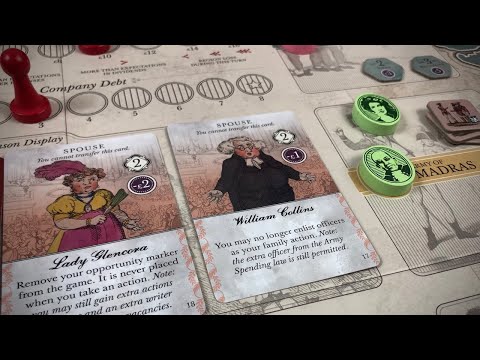
The intelligence layer adds tactical depth that separates novice plays from experienced strategists. Players build personal courts using card tableaus, and spies become the currency of influence. You can place spies in opponents' courts to gain influence in factions you're not directly loyal to, or you can steal their court members entirely through bribery. Moving spies around the board, spreading influence across multiple factions simultaneously, and timing when to reveal your true allegiances creates the game's signature tension. Actions like garrison, movement, and taxation give physical manifestation to your political machinations, while the threat of counter-espionage keeps everyone on their toes.
The Pax Pamir Experience
Constant Political Negotiation
What makes Pax Pamir special is how it transforms a table into a negotiation chamber. Multiple players can share the same faction allegiance, yet compete for dominance within it. This creates natural political conversations: "Should we work together against the British supremacy?" or "I'll switch to Afghan if you pay me two coins." The negotiation isn't a standalone phase but emerges organically from the game structure. Reviewers highlight how this constant political backstabbing creates a claustrophobic atmosphere of alliance and betrayal that mirrors the historical tension of 19th-century Afghanistan itself.
Perpetual Player Agency and Replayed Value
The card deck generates tremendous variety, ensuring that no two games follow identical paths. Players describe the game as feeling new with every session, partly because the evolving marketplace and card availability create different tactical opportunities. The ability to pivot allegiances mid-game, combined with the spy manipulation system, means strategies can crumble or flourish depending on opponent reactions. Reviewers note the high replay value stems not just from card variety but from the social dynamics, who wins against whom depends heavily on the negotiating strength and political acumen of the players at the table.
What Makes Pax Pamir Stand Out
The Dominance Card System
Victory points accumulate through the dominance checking system, where supremacy cards trigger evaluations of which faction has achieved dominance on the board. The clever twist is that the current regime determines what counts toward supremacy: in political mode, tribes count; in military mode, armies; in economic mode, roads. This means timing matters enormously. Knowing which regime is active when dominance is checked influences everything from which cards you buy to where you place your units. Players who understand this timing advantage can orchestrate victory through careful board state manipulation.
Asymmetric Faction Powers and Economic Gameplay
Each faction wields different strengths reflected in the cards available in the marketplace. The economic dimension, managing coins, purchasing cards, and paying tribute, creates a resource puzzle separate from the political layer. Reviewers highlight how the game feels like an area control game, yet it's equally a tableau-building experience with deck evolution through card acquisition. The asymmetry ensures that players pursuing British dominance face fundamentally different challenges than those seeking Afghan or Russian supremacy, encouraging varied strategic approaches across different games.
Potential Drawbacks
Complexity and Rules Overhead
Pax Pamir carries significant rules weight, particularly around spy movement, special actions tied to regime changes, and the timing of dominance checks. New players require careful explanation of how spies move, which actions are available in each regime, and how the court system works. The rulebook has been clarified multiple times by the designer, suggesting even experienced players encounter edge cases. Reviewers acknowledge the learning curve is steep, not because individual systems are complex, but because they interconnect in ways that take multiple plays to internalize.
Variable Player Interaction and Table Presence
Because negotiation happens outside the formal game structure, Pax Pamir's quality depends heavily on player engagement and table talk. A table of withdrawn or non-communicative players will experience a hollow version of the game. The negotiation-light approach to some decisions can make AP (analysis paralysis) problematic for players who overthink card selections. Additionally, the game's political nature means players can feel targeted or excluded if the table negotiates alliances without including certain players, something reviewers note is a feature of the design rather than a bug, but one that requires player maturity to navigate well.
If You Enjoy Pax Pamir
Reviewers who love Pax Pamir often reach for games that emphasize negotiation, asymmetry, and high interactivity. Root appears frequently alongside Pax Pamir in recommendations, both reward creative alliance-building and feature asymmetric factions. Games like Twilight Struggle and Here I Stand appeal to the same audience seeking diplomatic maneuvering and card-driven action. For those who love the spy manipulation layer, games featuring secret information and tableau-building provide similar tension. If the political backbone appeals to you more than the economic puzzle, consider games emphasizing negotiation and voting mechanics.
What Reviewers Are Saying
"It's different each time I play it and just great. Pax Pamir has tons of cards and tons of replay value because you have political backstabbing, different actions, and high interaction."
— Board Game Hangover
"Pax Pamir is a game that's really grabbed the theme and taken the theme into the full components. It feels like something that would belong in that historical setting, and I very much want to play it again and again and again."
— Foster the Meeple
"In Pax Pamir, you're playing an Afghan tribesman trying to appease all the giant nations that have come here and trying to make fortune for themselves. It's very highly interactive and aggressive, and that's what I love about it."
— Watch Review