/pic1473624.jpg)





















Piñata Deep Dive
What the Community Thinks About Piñata
Piñata has earned a devoted following among board gamers who appreciate trick-taking games with a twist. Reviewers consistently praise its accessible yet strategic gameplay, charming production design, and the unique timing decisions that set it apart from traditional trick-takers. While some find it a solid entry-level game, others have played it repeatedly over years and continue to pull it off the shelf. The general consensus is that Piñata delivers reliable fun, though opinions diverge on whether it offers enough depth for hardcore gaming sessions.
Core Mechanics That Define Piñata
Trick-Taking Foundation
Piñata operates as a must-follow trick-taking game with five suits in play. One player leads each round by playing a card and choosing the suit everyone must follow. If you lack that suit, you can play any other card. Trump cards beat all others of the lead suit, and the highest card wins the trick. This core framework is straightforward and familiar to anyone who has played Hearts or Spades, making it accessible to new players.
The Timing Exit Mechanism
What makes Piñata distinct is its scoring system built around when players choose to exit the round. Rather than scoring based on tricks won, players must accumulate a set number of tricks to "go out." Once you reach that threshold, you stop playing and score points equal to the total tricks all remaining players have won. The final player to exit the round scores based only on their own tricks won. This creates an unusual dynamic where going out second-to-last is ideal, since you capture points from a full table but avoid the penalty of being last. Managing this timing is central to Piñata's appeal and challenge.
The Piñata Experience
Lighthearted and Welcoming
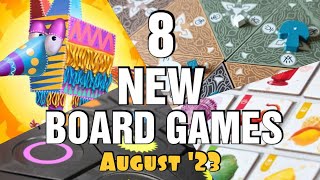
The piñata theme brings a whimsical, family-friendly atmosphere that reviewers consistently appreciated. The artwork showing colorful piñatas exploding their candy contents resonates with players of all ages. The game avoids feeling condescending, instead striking a balance between visual charm and legitimate strategic gameplay. Production choices like using candy tokens for scoring reinforce the celebratory tone without sacrificing clarity. This is a game that welcomes younger players and casual gamers while remaining engaging for experienced trick-takers.
Controlled Chaos
Despite its lightness, Piñata demands genuine decision-making. Players must read their hands, anticipate opponent behavior, and decide whether to pursue tricks or deliberately avoid them. The special cards, trump suits that change each round, and the timing mechanism all create moments where card play matters. Yet there is also an element of luck involved, particularly with the zero card that can unexpectedly beat even the highest available card. This balance between control and chance appeals to players who want strategic depth but do not want the entire game determined by initial card distribution.
What Makes Piñata Stand Out
The Zero Card Innovation
Piñata features a unique card that beats the highest card of any suit when played together. This zero card adds an unpredictable element to otherwise controllable tricks and forces players to leave room for chaos in their planning. Even when you believe you are safe with the highest card, the zero can reverse expectations, creating memorable table moments and preventing games from becoming too rigid or solvable.
Splitter Cards for Dynamic Play
The five and seven cards have special powers that allow players to split their trick piles into multiple piles, effectively doubling their progress toward the exit threshold. Timing when to use these cards is crucial. Play them too early and opponents benefit; play them too late and you miss the advantage. These moments create pivotal decision points where card selection influences the round's outcome and forces other players to adjust their strategies on the fly.
Potential Drawbacks
Limited Strategic Variance
While Piñata executes its core concept well, some reviewers note it is essentially a "one-trick pony" in terms of game design. The timing mechanism is the primary strategic hook, and the basic trick-taking formula remains unchanged across plays. Once you understand the optimal strategies, subsequent games follow similar patterns. This limits longevity for players seeking games that shift and evolve, requiring new approaches each session.
Unpredictable Final Rounds
The instant-win condition at 25 points can create uneven closing moments. When the game nears completion and one or two players sit close to 25 points while others fall far behind, the final round may lack tension. Players with no mathematical chance to win can feel disconnected from the outcome, reducing investment in those closing turns. Some reviewers would prefer a fixed number of rounds with highest total points determining the winner, which was the system in earlier versions of this game.
If You Enjoy Piñata
Players who love Piñata typically gravitate toward other trick-taking games that blend accessibility with clever mechanics. Games like Rebel Princess offer similar timing elements but introduce varied conditions each round, providing more strategic evolution. Skull King shares Piñata's commitment to mixing control with chaos through special cards and bidding. For those specifically drawn to Piñata's warm, lighthearted presentation, Marshmallow Test (the game's earlier incarnation) offers nearly identical gameplay with a different theme. Balloon Cup, the original design that Piñata reimplements, provides a tighter two-player experience for those who enjoy the core card-play dynamics.
What Reviewers Are Saying
"I have just played this so much and I have loved it so much for so long. This one really has stuck around for me. We still pull it out and I am super happy with this new version. I think that it is adorable and very welcoming for that family environment, but I also do not feel like it is too kiddish."
— The Dice Tower
"If you are given the choice, I might lean towards Piñata for a more relaxed, chat-filled game, while I would pick Balloon Cup when I am in the mood for a more intense strategic battle."
— Board Games With B7
"The timing of when you go out is a fun little consideration. I do not want to go out too early, but I also do not want to go out too late. I want to have control over when exactly I can go out, knowing that other players are doing the exact same thing."
— BoardGameCo