Raiders of the North Sea is set in the central years of the Viking Age. As Viking warriors, players seek to impress the Chieftain by raiding unsuspecting settlements. To do so, players need to assemble a crew, collect provisions, and journey north to plunder gold, iron and livestock. Glory can be found in battle, even at the hands of the Valkyrie, so gather your warriors because it's raiding season!
To impress the Chieftain, you need victory points (VPs), with those being acquired primarily by raiding settlements, taking plunder, and making offerings to the Chieftain. How you use your plunder is also vital to your success. Players take turns in clockwise order, and on a turn you place a worker and resolve its action, then pick up a different worker and resolve its action. Broadly speaking, those actions fall in one of two categories:
Work: Having a good crew and enough provisions are vital to successful raiding, so before making any raids, players need to do some work to prepare their crew and collect supplies. This is all done in the village at the bottom of the game board, with eight buildings offering various actions. You must first place your worker in an available building where no other worker is present, then pick up a different worker from a different building.
Raid: Once players have hired enough crew and collected provisions, you may choose to raid on your turn. To raid a settlement — whether a harbor, outpost, monastery or fortress — you need to meet three requirements: Having a large enough crew, having enough provisions (along with gold for monasteries and fortresses, and having a worker of the right color. Raiding offers various ways of scoring, such as military strength, plunder, and Valkyries, which is how grey and white workers enter the game.
The game ends when only one fortress raid remains, all Valkyrie have been removed, or all offerings have been made, then players tally their scores.
- solid worker-placement core
- expansions add meaningful life and variety
- beautiful production when fully equipped
- base game feel could be lean without expansions
- Viking expeditions, crew management, and looting
- Viking-era raiding and settlement
- procedural, workmanlike exploration and raid
- Detective: A Modern Crime Board Game
Mechanics (from transcript analysis)
- area control / convoying loot — collect loot and fulfill goals via actions and card effects
- worker placement — place workers to take actions and gather resources
Video topics + discussion points
Quotes (from this video)
- it's a really cool worker placement game
- it's such a cool rule set
- it's a bucket load of scenarios
- this is a big, bold, immersive fantasy dungeon game
References (from this video)

- Tight, accessible Viking-theme with crisp decisions
- Excellent compact footprint for an engine-builder
- Some players want more depth in later plays
- Variability between ship-building outcomes can feel luck-driven
- strategy and crew management during raids
- Viking age raiding and ship-building
- mythic-seafaring with practical planning
- Shipwrights of the North Sea
- Exceedingly Viking-related engine-builders
Mechanics (from transcript analysis)
- Milling / engine-building — Improve your crew and ships over the course of the play.
- Worker placement / action economy — Actions are taken to improve raid planning and shipyards.
Video topics + discussion points
Quotes (from this video)
- Artwork does have a big impact on my interest in playing the game.
- I bought games just for artwork that I've never played.
- Santorini doesn't turn me off, and Arcadia Quest doesn't turn me off exactly but I would prefer it to be more realistic in general.
- I think games with Xavier Colette his kind of artwork he did the a lot of the dixit stuff.
- I love getting up and coming down here and shooting a video and editing a podcast and developing content for the next show.
- quit drinking soda it's poison.
- Feast for Odin is a Viking-era title that rewards careful planning.
References (from this video)
- Solid engine-building in compact form
- Thematic and accessible to new players
- Feels similar to other Viking engine-builders at times
- economic and tactical planning with worker-like actions
- Viking raiding and ship-building
- compact Viking saga
- Shipwrights of the North Sea
- Roughly similar 'North Sea' line
Mechanics (from transcript analysis)
- engine-building — As you progress, your fleet and raiding capabilities grow.
- Worker placement / action selection — Place actions to gather resources and build ships.
Video topics + discussion points
Quotes (from this video)
- Artwork does have a big impact on my interest in playing the game.
- I bought games just for artwork that I've never played.
- Santorini doesn't turn me off, and Arcadia Quest doesn't turn me off exactly but I would prefer it to be more realistic in general.
- I think games with Xavier Colette his kind of artwork he did the a lot of the dixit stuff.
- I love getting up and coming down here and shooting a video and editing a podcast and developing content for the next show.
- quit drinking soda it's poison.
- Feast for Odin is a Viking-era title that rewards careful planning.
References (from this video)

- Packs a strong thematic punch with crisp turns
- Solid solo mode and scalable with players
- Accessible core loop with emergent strategic depth
- Some find the early game punishing or fiddly with setup
- The learning curve for newcomers can be non-trivial
- Exploration, raid-driven optimization, and long-term planning through worker placement with card-driven bonuses.
- Viking-era raid and settlement-building within a compact strategic framework.
- Strategic, thematic but lean on direct conflict and engine-building feel.
- Wayfarers of the South Tigiris
- Architects of the West Kingdom
Mechanics (from transcript analysis)
- deck-building / tableau — Cards shape actions and provide versatility in how you exploit maps and fleets.
- set-collection / resource optimization — Trade and accumulate resources to fulfill objectives and improve your crew/ships.
- worker placement — Place workers to gain resources, recruit ships, and advance on various tracks.
Video topics + discussion points
Quotes (from this video)
- the customization in this game is insane
- this is such a clever system and again not too difficult to get your head round
- it's a dry point salad game
- the problem is is that i was experimenting and i don't think the experiment worked
- this is a build-your-own tableau game with a point salad style
- Cascadia is such a good gateway game
- it's not dead but that is a zatu sponsored video
References (from this video)
- extremely tactical and fast to table (under an hour)
- great artwork and approachable rules
- easy to learn and teach, even for newcomers to worker placement
- solid solo mode with a challenging bot (the Shem-bot)
- replayability via deck variety and manageable expansions
- deck contains many dud crew cards, which can slow early decisions
- early turns can feel tedious and the bot can block key spots
- less ideal with 3-4 players due to stall and increased randomness
- expansions can be expensive or hard to obtain and add complexity
- base game can feel repetitive before board opens up
- mythic Viking adventure, raid planning, crew management
- Viking-era raiding and settlement planning across coastal targets
- competitive, strategy-focused with light thematic flavor
- Imperium
Mechanics (from transcript analysis)
- area_control_and_raids — raid locations with varying fortress/town defenses to gain plunder and endgame points.
- deck_management_and_card_recruitment — start with a hand of five crew cards; select three to form your approach and recruit from the lodge deck.
- resource_and_score_tracking — manage coins, rations, offerings, armor upgrades, and end-game scoring tracks (armor, valkyries, raid points).
- worker_placement — place crew tokens on homeland buildings to gather loot, recruit crew, and upgrade equipment.
Video topics + discussion points
Quotes (from this video)
- this game right here lets you live out your mythological scandinavian fantasies of going a viking over the seas
- the solo mode here is great
- the artwork is great
- it's extremely tactical
- this easily earns its four out of five rating as a solo player
- you can table and play under an hour
- the solo bot really hurries you along
References (from this video)

- Interesting worker placement mechanism
- Considered a gateway worker placement game
- Interesting artwork
- Worker placement and raiding
- Viking world
- Blood Rage
Mechanics (from transcript analysis)
- Resource management — Collecting and turning in resources
- worker placement — Unique mechanic of placing and picking up workers
Video topics + discussion points
Quotes (from this video)
- takes the worst part of the game and makes it one of the best parts
References (from this video)

- Unique worker replacement mechanism
- Interesting thematic concept of Viking raiding
- Most actions before raiding are boring
- Thematic tension destroys your engine when you raid
- Takes time building up only to strip it away
- Not exciting for a Viking raiding game
- Makes good first or second impression then falls off
- Norse exploration and raiding
- Viking raids
- Worker placement with thematic worker pickup mechanics
- Champions of Midgard
- Blood Rage
Mechanics (from transcript analysis)
- Raiding — Core action of raiding to score points
- Worker replacement — Place a worker taking an action, then pick up a worker which becomes your new worker for next round
Video topics + discussion points
Quotes (from this video)
- Overrated has a very negative connotation but if i say something's overrated it means to me this game is ranked something on bgg and i think it's higher than what it should be
- Raiders of the north seas is just like has a really unique work replacement mechanism but all the actions are pretty boring
- The crew is not necessarily like a heinous game i don't think it's a 0 out of 10. i just i'm shocked that it's in the top 50
- Azul is the perfect entry-level game it's very easy to teach it's beautiful it's very quick to play
- Viticulture should be about making the wine right you should be making wine you should be fulfilling wine contracts to to win the game
- Gloomhaven is a dungeon crawler that was kind of a first adopter but it's almost been surpassed
- Losing gloomhaven sucks it sucks so hard because if you lose you gotta replay that mission if you lose you just spent four hours
- I think brass does things so well it's complex but it's not so complex that everybody can learn it
- This is maybe more of a me problem but i get kind of quarterback-y in gloomhaven because i don't want to lose
References (from this video)
- tight design
- elegant engine
- expansions add complexity
- crew management and raid planning
- Viking raiding
- engine-building with thematic flavor
- Lords of Waterdeep
- Shipwright
Mechanics (from transcript analysis)
- set collection — Loot and upgrade crew to improve efficiency
- worker placement — Place workers to gather resources and raid outposts
Video topics + discussion points
Quotes (from this video)
- it's a really cool design and simple to play
- this is one of my go-to social deduction games
- it's simple you know doesn't take too long and still gives you like an interesting story with a lot of freedom
- it's Zen-like bag-builder
- it's a big engine builder with the mechs
- it's a very cool negotiation game
References (from this video)

- Smooth and elegant rules
- Streamlined gameplay
- Good theme integration
- Expansions add meaningful options
- Strong components with custom play mats
- Base game alone might be considered light weight
- Requires expansion caveat for medium weight classification
- Viking raiding and pillaging
- Viking age Norse exploration
- Light-hearted, animated colorful style similar to How to Train Your Dragon
Mechanics (from transcript analysis)
- Expansion requirements — Requires expansions Hordes of Heroes and Fields of Fame to reach medium weight
- Timing mechanics — Placing and removing workers creates dynamic turn order
- worker placement — Place a worker and take a worker off to perform actions
Video topics + discussion points
Quotes (from this video)
- It's the lower end of middle weight but I still think it's a solid game
- Medium and heavy weight doesn't mean that it has to be the most complicated fiddly thing to get through
- I love it when a game is just smooth streamlined gorgeousness
- This is a fantastic laugh out loud euro game
- This is definitely my definitive space game
- How dare you not play this game sooner
- The variety in this game is off the friggin scale
- This game just ticks all the boxes for me
- It seems like this game was designed for me
- Regardless of what's light medium or heavy as long as you're playing at the right stage for you it's only a game
References (from this video)

- tight, satisfying engine
- good thematic integration for a euro
- can scale unevenly with player count
- sea-raiding and exploration
- Viking raid planning and resource gathering
- compact, crunchy euro with thematic flavor
Mechanics (from transcript analysis)
- Area Control — compete for control of raid opportunities and objectives
- worker placement — place workers to gather resources and procure raid actions
Video topics + discussion points
Quotes (from this video)
- "this is a very welcoming and very friendly community"
- "no bs and no tolerance when it comes to toxicity"
- "you should actually say to you welcome back because you were on season one episode two"
- "we really want to create and what we strive to do is create a welcoming inclusive space for everybody"
- "it's a very welcoming awesome group"
References (from this video)
- tight, strategic play
- solid introduction to euro mechanics
- scaling nuances for large groups
- strategy and resource gathering in raiding cycles
- Viking raid planning
- compact, thematic euro
Mechanics (from transcript analysis)
- worker placement — utilize workers to collect resources and activate raid actions
Video topics + discussion points
Quotes (from this video)
- "this is a very welcoming and very friendly community"
- "no bs and no tolerance when it comes to toxicity"
- "you should actually say to you welcome back because you were on season one episode two"
- "we really want to create and what we strive to do is create a welcoming inclusive space for everybody"
- "it's a very welcoming awesome group"
References (from this video)
- clear thematic fit and strong components
- easy to teach and quick to pick up
- solid core mechanic with a twist
- not his personal favorite Garfield game
- pillage, resource collection, and chief scoring
- Viking-era raiding and village development
- mythic, straightforward worker-placement flavor
- Raiders of Scythia
Mechanics (from transcript analysis)
- Ritualized expansion options — expansions introduce quests or crew members for additional scoring paths
- worker placement with a twist — place a worker, then immediately take another action and keep one meeple out of the main action
Video topics + discussion points
Quotes (from this video)
- it's a cool theme with good components and artwork, and a little twist on the normal worker placement
- Game of Life as a Euro game that's the best way to describe it
- deck-building very fast, almost Dominion speed deck building
- I love it; it's quick and easy once you get used to it
References (from this video)
- Accessible entry point to worker-placement games
- Smooth pacing and clear goals
- Depth may be limiting for advanced players
Mechanics (from transcript analysis)
- Action efficiency / provest style mechanic — A track-like mechanism (Provost) that can be moved to influence action availability and timing.
- worker placement — Players assign workers to actions on the central board to gain resources or perform actions.
Video topics + discussion points
Quotes (from this video)
- Dominant species is a truly awful game that I really really dislike
- this is a very very light worker placement game
- the seventh continent for us
References (from this video)
- Adored by the speaker
- Card-based AI variation adds variety
Mechanics (from transcript analysis)
Video topics + discussion points
Quotes (from this video)
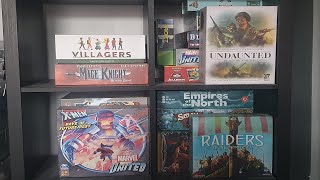
- I absolutely adore Raiders of the North Sea
- Massive Darkness is the best Dungeon Crawler I've got
- the story was pants in all honesty
- I love space Hulk and so that one will always be staying
- Bloodborne the board game is terrible
References (from this video)
- clever, accessible worker-placement with depth
- learnable but with strategic nuance
- may feel tight for very large player counts
- area control with thematic Viking flavor
- Viking raiders conducting expeditions
- tactical, compact worker-placement
- Lords of Waterdeep
- Stone Age
Mechanics (from transcript analysis)
- Area Control — control locations for points
- Variable Powers — cards grant unique abilities and synergies
- worker placement — place a single worker to take actions and gain resources
Video topics + discussion points
Quotes (from this video)
- all the interactions between players are positive
- this list is designed around people just getting into the Hobby
- easy to learn and once some people know the game you can mix them up
- Forbidden Island teaches the basics of cooperative gaming and can be used as a launching point to other games in the Forbidden series
- the Resistance is probably the best of them
- Seven Wonders scales incredibly well from three to seven players
- One worker mechanic is an awful lot of fun
- Memoir 44 is the most accessible of them mostly because it feels like playing with toy soldiers
- Small World looks really dinky and inviting but it's a mercenary and brutal game
References (from this video)
- Accessible entry into worker-placement
- Balanced resource flow and pacing
- Clear Viking theme
- Endgame length can vary with player decisions
- Balance tuning required for expansions
- raiding, resource gathering, crew management
- Nordic Viking-era raids
- emergent, action-driven with light storytelling
- Stone Age
- Water Deep
- Keyflower
- Village
- Pillars of the Earth
- Lewis and Clark
Mechanics (from transcript analysis)
- Contested locations / blocking — Locations can be blocked by opponents' workers, influencing available actions.
- Place and pick — A core cycle where a worker is placed and later picked up for rewards.
- worker placement — Players place workers on locations to take actions and gain resources.
Video topics + discussion points
Quotes (from this video)
- just try something fresh
- staring at stuff until the idea comes out
- you can't please everyone
- the place one pick one mechanism was very much like just a spark of an idea that worked
- you don't own the workers you share them
- it's not just building ... it's engine building with apprentices
References (from this video)

- Interesting worker placement mechanics
- Thematic Viking gameplay
- Strategic decision-making
- Varied player interactions
- Complex resource management
- Requires careful planning
- Potential analysis paralysis
- Viking raiding and exploration
- Viking era
- Worker placement
- Architects of the West Kingdom
- Paladins of the West Kingdom
Mechanics (from transcript analysis)
- Raiding — Send crews to raid villages and fortresses for victory points
- Resource management — Manage silver, provisions, crew members, and resources
- worker placement — Players place and pick up workers to perform actions
Video topics + discussion points
Quotes (from this video)
- Do what you love for a living and you'll never stop working ever
- I've just now learned to live in the burnout
- We're proud of you
References (from this video)
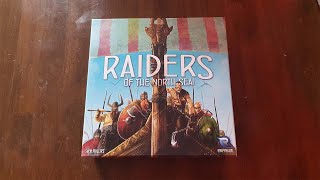
- Deep strategic decision-making with multiple viable raiding paths
- Strong thematic integration of Viking raiding and task variety
- Dynamic AI behavior provides tense pacing and strategic pressure
- Endgame tension is compelling, with scoring opportunities from fortresses and tokens
- Clear, engaging commentary and practical turn-by-turn explanations
- High complexity for new players due to numerous tracks and interactions
- AI blocking can feel punishing or opaque at times
- Provision economy can be tight early, requiring careful planning
- Viking raiding, exploration, and settlement
- Viking-age raiders raid coastal harbours and fortresses
- Narrative-driven, turn-by-turn playthrough with AI opponent and strategic discussion
Mechanics (from transcript analysis)
- action_selection_and_card_draw — Actions often yield cards; gatehouse interaction provides top-card rewards; players manage hand size and card pool.
- blocking_and_ai_interaction — AI blocks spaces by advancing tracks and occupying locations, shaping player routes and tempo.
- combat_and_raiding — Raids target harbours/fortresses using crew strength and provisions; successful raids yield VP and endgame progression.
- endgame_trigger_and_scoring — End conditions involve Valkyrie track depletion or fortress exhaustion; scoring tallies victory points from raids, tokens, and endgame bonuses.
- resource_management — Players track and manage gold, provisions, armor, and crew on multiple adjustable tracks.
- worker_placement — Players place workers on board locations to perform actions and gain resources (gold, provisions) or draw/ acquire cards.
Video topics + discussion points
Quotes (from this video)
- but this is a work placement game
- you can only have a maximum of eight cards in your hand
- end game gets triggered
- very very close match
- the final tally is in
- it's a pretty strong crew
References (from this video)

Mechanics (from transcript analysis)
Video topics + discussion points
Quotes (from this video)
- Twilight Struggle is one of my all-time favorite games.
- Tabletop Simulator is one of the best ways to be able to play a whole bunch of board games on your computer.
- Terraforming Mars is my evening unwind game.
- Slay the Spire is a really clever deck-building dungeon-crawler.
References (from this video)
- tight engine-building, high interaction, and emergent strategies
- great production and thematic content
- varied paths to victory with multiple strategies
- can be brutal and punishing, which may deter some players
- an intense play experience that may not suit casual players
- brutal, competitive area control with resource management
- Viking age raids across a shifting map
- massive player interaction with engines built around raiding and plundering
- Blood Rage
- Lords of Hellas
Mechanics (from transcript analysis)
- area control and high-stakes raiding — each raid can shift control and grant points; death on defeat is brutal
- multi-use cards and event cards — cards provide actions and can trigger new ways to score or disrupt opponents
- worker placement with high interaction — placing raiders to raid regions, gather resources, and push for domination
Video topics + discussion points
Quotes (from this video)
- This is the definitive Game of Thrones game if you want to capture the feeling of the epic battles for the throne.
- The best thing about this game is winning as House Lannister.
- The dice's combat is great and I personally do not like playing with the optional tides of battle cards.
- The art as always with Red Raven Games is stunning.
- Chinatown is deeply rooted in stereotypes of Chinese businesses and families; if you find that offensive, this game won't be for you.
- Circadian's First Light is a busy game with a heck of a lot going on.
References (from this video)
- multi-use cards enable numerous strategic combos
- works well across 1-5 players
- presents a compact yet solid Euro experience with sub-60 minute play time
- solo mode is solid and approachable
- smooth flow from drafting to tableau setup and execution
- high initial complexity; the combination of many resources, cards, and options can be daunting for first-time players
- limited direct interaction can feel solitary or less confrontational for some groups
- requires careful planning and tight optimization; a misstep can feel punishing due to resource scarcity
- the learning curve can be steep for casual gamers seeking lighter titles
- raiding and shipbuilding
- Viking era
- strategic with light thematic storytelling
- Seven Wonders
Mechanics (from transcript analysis)
- card drafting — each round players are dealt a hand of six cards; players draft cards by selecting one and passing the rest until all are drafted
- Multi-use cards — cards can be discarded for resources or played for their action/point value, enabling multiple strategic paths
- Resource management — players gather and manage various resources to fund shipbuilding, crew, and upgrades
- round structure — the game proceeds through a fixed number of rounds (five in the speaker's framing), with drafting followed by simultaneous play each round
- scoring — victory points come from ships, buildings, and other card-based bonuses; points are tallied at the end of the round structure
- tableau building — drafted/played cards go onto a personal tableau, providing ongoing effects and/or resources
Video topics + discussion points
Quotes (from this video)
- Grass Is Always Greener because sometimes you can individually work here and feel like I'm pretty doing pretty good and then look to the other side of the table and somebody has three times more resources
- not all games are for everybody; yes you can buy all the games, but not every game is for you
- the flow of the sea… it flows like a river or sea
- there is no direct interaction… it’s a drafting game but you’re not gonna hate draft; it’s very multiplayer solitary
- multi-use cards; the universe cards almost multi-use cards
- three two one fantastic… fantastically good
References (from this video)
- Elegant, accessible worker-placement with depth
- Some may miss heavier simulation aspects
- Resource management and raiding
- Viking raid
- Iconography-driven, approachable yet deep
Mechanics (from transcript analysis)
- action_selection_and_removal — Some actions depend on removing workers to activate effects.
- worker_placement — Place workers to gain resources/actions; some variability in outcomes.
Video topics + discussion points
Quotes (from this video)
- Harrow County is a very unique game.
- This is Seven Wonders. ... an excellent card drafting game.
- Ticket to Ride is a classic and a staple at many events.
- Root has fans and they are super fans.
References (from this video)
- Elegant, approachable design with depth
- Rule clarity can vary by group
- Resource allocation and strategic placement
- Viking raiding culture
- Accessible yet deep
Mechanics (from transcript analysis)
- actions_removal — Workers from other spots can be removed to unlock different effects.
- worker_placement — Place workers to perform actions and gain resources.
Video topics + discussion points
Quotes (from this video)
- Harrow County is a very unique game.
- This is Seven Wonders. ... an excellent card drafting game.
- Ticket to Ride is a classic and a staple at many events.
- Root has fans and they are super fans.
References (from this video)
- Engaging ebb and flow of raids and chaining actions for points
- Multi-use cards and evolving strategy
- Unique place-and-take worker mechanic
- Beautiful artwork and overall presentation
- Setup can be lengthy due to token placement
- Thematic depiction of Viking looting may be off-putting to some
- Viking raiding, exploration, and resource management
- Viking-age raiding and settlement along the North Sea
- Strategic, light thematic flavor with abstracted actions
- Blood Rage
- Architects of the West Kingdom
Mechanics (from transcript analysis)
- Card management / multi-use cards — Crew cards serve multiple purposes and can be used in several ways.
- End-game condition via fortress raiding — Game ends when all but one fortress spaces have been raided; highest score wins.
- Raid-based scoring and advancement — Raid regions to gain victory points; manage armor, crew, and offerings to increase score.
- Resource management and upgrades — Spend resources to upgrade armor and recruit crew, and to claim offerings.
- worker placement — Place and remove workers to gain actions; you place on a space, claim its benefit, then take an additional action from another space.
Video topics + discussion points
Quotes (from this video)
- Raiders of the North Sea has a unique ebb and flow to it and figuring out how to chain together raids and keep doing actions that gain you points is really rewarding
- easy to learn but having enough depth that skilled players can really go to town
- The best thing about this game is the place s worker take a worker mechanic
- it's a different take on worker placement and it works really well
- While heavily abstracted this is very much a Viking game
- if you want more Viking and more pillaging look at Blood Rage
- Raiders of the North Sea: did you know Vikings a noun and a verb?
- the cards themselves are gorgeous and the mikos art really elevates the game's overall look and feel
References (from this video)
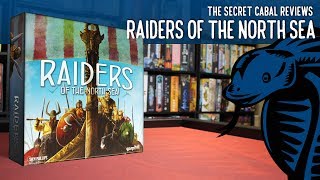
- Beautiful, vibrant components and artwork that draw players in
- Strong core theme that integrates psychology of fun into setup and play
- Innovative take on worker placement with two actions per turn
- Accessible base game with expansions that deepen the experience
- Fits well within its North Sea trilogy for campaign play
- Base game can feel light for players seeking heavier Euros
- Action space availability can create planning constraints and perceived limits
- Dice introduce some luck, though mitigated by crew strength and armor
- Viking raiding, crew building, loot collection
- Viking Age, northern seas raiding campaigns and crew management
- strategic planning with thematic feedback during setup and raid rounds
- Explorers of the North Sea
- Shipwrights
- Explorers in the North Sea
Mechanics (from transcript analysis)
- action_chain — Most actions are available each turn, but the order you take them and the availability of specific spaces creates a strategic flow and potential bottlenecks.
- combat/raid_resolution — Raid outcomes are determined by strength (crew + armor) and dice; even failed raids yield some loot, with higher margins for stronger success.
- expansion_depth — Expansions introduce additional depth, longer playtimes, and new decisions, potentially connecting Raiders to a trilogy of North Sea games.
- resource_management — You collect provisions, silver, gold, and iron, and use these resources to prepare crews, purchase upgrades, and enable raids.
- set_and_unlock_colors — Different colored meeples unlock different spaces and options, adding strategic depth to planning and turn sequencing.
- worker_placement — On your turn you place a meeple on an unoccupied village space to take the associated action; you then take a second action by removing a meeple from an occupied space to gain that action as well.
Video topics + discussion points
Quotes (from this video)
- I adore this game I really adore this game and this is a game that is in a trilogy of three
- Raiders of the North Sea is by far my very favorite
- the psychology of fun it draws you in it pulls you right into that theme
- the base game is a little light but I adore this game
- expansions that you can add to this game that add complexity they add length of the game they add a lot of depth
References (from this video)
- Strong core engine for a compact game
- Two editions with subtle differences; not always required
- economy and action selection with worker placement flavor
- medieval raiding and village management
- elegant but streamlined
- Raider’s of Scythia
- Traditionally similar to North Sea family games
Mechanics (from transcript analysis)
- worker placement — gather resources and perform actions via workers
Video topics + discussion points
Quotes (from this video)
- 2020 was the year that i finally decided i don't like legacy games
- if you like discovering new games and if you like playing a new game every week that's fantastic
- the experience for paradise lost was ... terrible
References (from this video)

- Excellent solo mode with relentless AI
- Well-paced with minimal bookkeeping
- Distinct worker-placement rhythm
- Short playtime (~30 minutes)
- Solo mode is not included in the base game and must be acquired separately
- Raiding, building a Viking band, and progression toward becoming overlord of the western shore
- Viking-era raiding and settlement
- Mythic, board-game-adventure flavor focusing on raiding and improving your crew
- Architects of the West Kingdom
Mechanics (from transcript analysis)
- Area raiding and scoring — Raiding fortress spaces to gain victory points and advance the Valkyrie track.
- Card-driven AI — An AI opponent represented by a deck of chart management cards that execute actions and raids.
- Character cards and special effects — Characters can be played for effects and provide bonuses.
- Resource management (gold & provisions) — Gaining and spending gold and provisions to raid and explore spaces.
- Upgrading armor and offerings — Investing in armor and offerings to improve your position.
- worker placement — Players place workers to gain resources, draw cards, recruit characters, and gain space advantages.
Video topics + discussion points
Quotes (from this video)
- the solo mode is not included in the base game, it has to be acquired separately
- the single best thing about the game is the place of worker take a worker mechanic it makes this game feel like it just has a real natural rhythm
- the AI players relentless and gets out to an early lead
- it's also very well paced game and your actions and the AIS actions don't take much time
References (from this video)
- Engaging tension from blocking and timing
- Strong player interaction without overcomplication
- Can feel punishing if you are blocked too often
- Rich resource collection and combat-driven rewards
- Viking raid/raiding and plunder gathering
- Competitive, direct conflict through action selection
- Agricola
- Everdale
Mechanics (from transcript analysis)
- Tracking/off-board rewards — Rewards appear and accumulate as raids progress; some rewards are consumed/stacked.
- Worker placement with blocking — You place a pawn to deny others access to a space for the round; you also collect a worker later.
Video topics + discussion points
Quotes (from this video)
- I'm Adam Porter I'm a game designer from Wales and I've been fascinated by worker placement games for a decade
- Five criteria immersion interaction tension feedback and decisions
- worker placement is a thematic description... describes a narrative of sending our little in-game avatars out to take actions
- the simple Act of placing such a token denies other players access to that action for the rest of the round
References (from this video)
- Strong classic worker-placement design with solid theme
- Reputable designer pedigree and solid production
- Art and some production choices may feel dated to some players
- Some expansions alter balance
- worker placement with asymmetric roles
- Viking village and raiding
- Lords of Waterdeep
- Voyages of Arcadia
Mechanics (from transcript analysis)
- growth and progression — Upgrade ship, crew, and resources to improve efficiency over rounds.
- worker placement — Place workers to perform actions that fuel raiding and harvesting strategies.
Video topics + discussion points
Quotes (from this video)
- The goodest of morning to you all. I'm Tom Vassel.
- Two body parts. Well, I handed an elbow to take pieces out of the pool.
- This is Duel for Cardia. Simultaneous selection, simultaneous reveal kind of game with that brilliant little fun mechanism.
- It's the top of the bottom. No, top of the bottom is what I said.
- The mind of a genius, I tell you.
References (from this video)
- Excellent composition with striped sail
- Beautiful artwork by artist Mihat Gillo
- Title prominently placed
- Characters are too far away in composition
- Raiding
- Viking
- Epic
Mechanics (from transcript analysis)
- worker placement — Viking raiding game
Video topics + discussion points
Quotes (from this video)
- The box cover makes a promise to the customer
- Every box cover tells me what I'm going to be doing and how I'm going to be feeling
- This artist is one of the best board game artists working in the industry right now
- This is how you do it
- This cover is a mess
- Striking iconic design
- The box cover is not selling the game