How to design a WORKER PLACEMENT board game
Games in This Video
10 games are featured in this video — they unlock as you watch.





Transcript
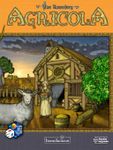
place a farmer in the forest to gather wood use the wood to build fences collect some livestock to fill your pastures cook the livestock to feed your farmer that's the flow of a worker placement game except there's hardly any wood because the other farmer got there first so you can only build a tiny pasture which means you can't fit all the livestock and your farm is going hungry so you end up taking a begging card and oh great now Hans Peter has Nick the start player token yeah that's the true worker placement experience I'm Adam Porter I'm a game designer from Wales and I've been fascinated by worker placement games for a decade it's daunting making a video like this because worker placement is one of the big mechanisms it has a wide appeal and it's adaptable to many different themes and genres worker placement games can be simple or they can be incredibly complex and they're everywhere a lot of Gamers love worker placement games and inevitably I'm gonna miss out a huge number of important titles in the category simply because I haven't played them or I don't have access to a copy but I'm going to plow on regardless and show you a bunch of my favorite worker placement titles I'm going to highlight 10 or so design choices which you might want to consider when designing your own worker placement game even better look at what's been done before find a gap subverter mechanism and create something totally new before we dive deep into the world of worker placement I've got a message I'd like to share with any game designers watching this channel this video is sponsored by
launch tabletop I'm putting together a card game Prototype with the intention of pitching it later this year launch tabletop is a board game manufacturer with a print-on-demand service called launch lab I got great results with my first prototype board game so now I'm exploring the options for printing a deck of cards I've created my artwork using the simple templates and I'm going to try out a range of the different card options so I can show you the results when they arrive in a week or two linen cards thick white core Black core tuck boxes and mint tins so far so good the simple user interface guides you through the process and your game will be posted to you wherever in the world you're located with an incredibly fast turnaround time and judging by my last attempt the quality of a launch lab prototype is indistinguishable from professionally published games if you'd like to create a single copy of your game or anything up to a thousand copies then visit launchtabletop.com and start prototyping use the coupon code Adam in Wales for a 20 discount and we're back to the topic at hand I've got a worker right he's a farmer just like the farmers in Agricola and on my turn I place him in a field that's worker placement right well yes and no upon closer examination some games where you place workers aren't worker placement games and some worker placement games don't feature workers so what gives I think we need a definition worker placement is a
thematic description that's to say it describes a narrative of sending our little in-game avatars out to take actions if you're looking for a more mechanical term we'd generally opt for Action drafting though that description might include games where instead of placing workers players remove components as in Village or select an action tile as in San Juan while the decision space here is similar thematic description worker placement doesn't quite fit the term worker placement appears to have been first used around the release of William attia's Castle Building game calus in 2005 and then retroactively applied to earlier titles with similar rule sets there are two commonly cited candidates for the first worker placement game kedem and bus Richard Brees's keydom was the earliest in 1998. the game was re-released in 2022 under the new title of keydom's dragons in this game players take turns to place workers in different locations but each worker has a different value and they're all placed face down when all have been placed they're revealed and the player with the highest sum total from all of their workers gets to take the action while the other players are excluded earlier titles Silverton Merlin and burp are all listed as worker placement on the board game geek database but like kedum they don't closely resemble worker placement as we know it in 2023 splotter spellon's bus is the other commonly cited candidate for first worker placement game released in 1999 this game is much closer to the
mechanism as we know it today on their turn players place a Pawn on a board location in order to select an action the simple Act of placing such a token denies other players access to that action for the rest of the round now it's hard to pin down an exact definition of worker placement because there's no Authority just an emergent gamer jargon which has evolved at a pace over the last couple of decades Board Game Geek is not the Arbiter of board game terminology but they are a central hub for tabletop Gamers worldwide so their definition is as close to authoritative as we're going to get according to BGG worker placement games involve placement of tokens to trigger an action from a set of actions available to all players generally one at a time and in turn Order each player usually has a limited number of tokens with which to participate in the process although these may increase as the game progresses there's usually a limit on the number of times a single action may be taken for purposes of bgd classification action blocking is a defining element of worker placement so in this video we're going to explore games which fit neatly into this definition and games which stretch it what is it about worker placement games that catches people's imaginations how did they become so popular the darling mechanism of Euro game designers if you've ever watched any of my reviews you'll know that I rate games based on five criteria immersion interaction tension feedback and decisions the
worker placement genre contains some of the most immersive games out there designers sometimes fall into the Trap of thinking that we make games thematically immersive by filling cards with flavor text including elaborate plastic Miniatures and tons of lavish artwork but in reality games are most immersive when they make sense and describe a logical narrative in the Woodland Town building game everdel We Gather resources to build buildings which house a community of Woodland creatures who each specialize in a specific task making it easier to gather further resources or industriously converting one resource into another worker placement games can be as interactive as a designer wishes by definition there's always a degree of blocking preventing other players from accessing the spot which you're utilizing or making it more expensive for them to do so this interaction can really be cranked up you'd be hard-pressed to find a more Cutthroat strategy game than kalis tension is a Hallmark of the genre again there's a lot of scope for designers to calibrate the game for their preferred taste an Agricola is known for being extremely stressful to play with the requirement to feed your workers constantly hanging over you agricular sequel caverna deliberately tones down this tension making it easier to substitute resources and giving the game a different tone worker placement games excel at providing feedback you interact with the board and components just as much as you interact with the other players resources are continuously moved
around the table gathered converted traded and used to improve your engine most worker placement games feature a tableau growing in front of each player a selection of rule-breaking options set collection objectives and point scoring components when playing well each turn feels better than your last there's usually a strong sense of momentum in a worker placement game in the Sci-Fi game asking for troubles players gradually improve their spaceship by adding connections and these increase the rewards for the player every time they visit a specific board location finally worker placement games provide a wealth of options for the players on every turn there are usually many things you'd like to be doing and you're never going to achieve all of them the key decision in a worker placement game is which action do I prioritize and how do I adapt when I discover my preferred option is no longer available under my ladder engagement system a game score zero to three points for each category and each point scored climbs the game one rung up the ladder a score of 10 or above tops the ladder and indicates a really engaging time frankly if a worker placement game is adequately designed it's going to have a hard time not achieving 10 points so let's take a look at a bunch of worker placement games and see how designers have developed the formula to make their product stand out number one scarcity of rewards in a worker placement game you visit a location to receive a reward and the rewards are generally distributed in one of three ways in some games the reward
is unique that is to say that once a player collects that reward it's no longer available for any other player for the rest of the game that's the case with many of the action spaces in Raiders of the North Sea where Vikings raid various locations Gathering plunder from the board but never refilling another example would be the point scoring event tiles in everdale once visited by a worker these spaces are never replenished in most games there are spaces which offer up a consistent reward which is always available no matter how often players visit that location Gathering wheat in Agricola Works in this way as does Gathering space carrots in asking for troubles in some games resources accumulate if an action spot is not taken this feature was used extensively in Agricola it adds a nice push your luck aspect to the game should I take that that would now or wait for a later turn when it could be even more packed with resources the feature was utilized to a lesser extent in the mystical Mayan game zulkin in 2012 with the start player action amassing corn tokens every time it goes unused 2. timing of Rewards in many worker placement games the reward is received as soon as you place your worker in the winemaking game viticulture when you place your worker you immediately draw a card or build a structure or plant a Vine there's no delay the benefit is instant and this is the case in many other worker placement games including Agricola everdel and architects of the West Kingdom from my internet research it appears that Martin Wallace's Way Out West was the first
worker placement game to utilize immediate rewards this wasn't the case in the earliest worker placement games in keydom bus and Kaylas players all take actions in turn order and then the action spaces are resolved in sequence in that sense the games resemble action programming creating a chain of events in advance and then watching the sequence play out you need to plan several turns ahead I'm going to take this action which will get me this reward which will allow me to fulfill the requirements of this other action and these two approaches to collecting rewards creates a very different tone the distinction was highlighted in 2021 with the release of dominant species Marine the original dominant species was a complex worker placement title from 2010 and one of my favorite games the original used the delayed reward system while the Marine sequel utilized immediate rewards in other regards the games were very similar this single change gave Marine a much more immediate tactical feel while the original dominant species felt slower and more strategic of course the challenge for players in action programming games is that other players might resolve their actions in such a way that it disrupts your own plan and makes some of your later actions sub-optimal Kalos has become infamous because of one such Cutthroat mechanism all the action spaces in Kayla sit along a path and after workers are placed the spaces are resolved in sequence from the start of the path heading up towards the castle the Provost is a special token presumably some sort of mayor or
dignitary which sits along the path players can take actions which allow them to move the Provost and because this is a delayed reward worker placement game the Provost movement happens after players have selected their actions if any action spaces are positioned beyond the Provost after it moves then those actions will not be resolved even if a worker has been allocated to them hence the threat of the Provost hangs over players like a cloud and players need to be cautious about placing their workers too far along the path number three climb a track Tolkien makes a heavy use of tracks taking an action and spending resources might allow you to advance on a technology track giving you bonuses when you take certain actions later in the game or on the temple tracks which award resources or points at Key moments throughout the game architects of the West kingdom is another game featuring tracks players Ascend or descend The Virtue track when they take different actions throughout the game using the black market costs you virtue providing Goods to the king's Storehouse or paying off debts gains it back sitting high on The Virtue track limits your access to the more corrupt action locations but sitting low on The Virtue track stops you contributing to the building of the cathedral the cathedral is a second track which players race decline by discarding the indicated resources and a building card and the higher your position at game end the more points you'll score but the cathedral gets narrower as you approach
the top so the sooner you start climbing the more likely you are to find a space in the higher sections in Raiders of the North Sea there are two tracks in addition to the standard scoring track the red track represents armor and your total here is combined with a dice roll and the total of your crew cards to establish your strength on a raid the black Valkyrie track is climbed every time one of your crew dies and this Awards victory points at game end Now tracks are one of my least favorite Staples of the genre I'd always prefer to handle a physical component a resource an animal token or a coin even a cube than climb an abstract track which makes the game resemble a spreadsheet they tend to lift me out of the theme if I'm building a temple or a cathedral I want to see it a more accepting of tracks when they represent something intangible happiness status or virtue turn order is frequently critical in worker placement games if you aren't playing first you may not get to visit your desired location this is particularly vital in games with accumulation spaces like zulkin Agricola offers up a start player action space whereby that player places a worker to claim the start player token meaning that they'll play first in the following round and turn order will continue clockwise around the table from there now this creates a strange Dynamic where you can lock into an early position in turn order perhaps second to play simply
because the player on your right selected the start player action in dominant species players take actions to manipulate turn order on an initiative track so turn order is not dependent on your position around the table the original kalis had players take turns in the order in which they passed in the previous round now that's a fairer more strategic system but players are conditioned to clockwise turn order and it's telling that this rule was simplified to play clockwise from start player in the reimagined calus 1303 number five variable setup worker placement games lend themselves well to a variable setup offering a bit of variety from game to game by providing new options in each session in everdale there are a number of standard action spaces printed on the board one which allows you to gather each of the basic resources but players select additional action spaces randomly drawn from a deck at the start of each game and these will change the availability of different resources for example in one game Pebbles might be extremely abundant while in another game they're in short supply this is a great way of forcing players to adapt their strategy from game to game now a curricular does not feature different action spaces between games but a new action space is made available at the start of each round and the order in which the action spaces appear is variable even if games have consistent action spaces from game to game many provide asymmetric powers for the players and these are variable in zulkin
players select a combination of starting resources in the everdel expansions each player receives a rule-breaking ability and in architects of the West Kingdom players get a mix of both some worker placement games allow players to introduce new action spaces throughout the game widening the available options this is a major part of calus which features construction action spaces which allow you to build increasingly powerful locations which are then positioned along the track for all players to utilize in chaos the basic action spaces slowly become unavailable throughout the game as players turn them into residences and eventually Point scoring monuments this shift from basic actions to more powerful ones gives the game a forward momentum in everdale players can build constructions with worker placement locations in their own personal card display if other players choose to use these spaces the owner of the card earns a point this harks back to Kaylas where players place a marker to indicate that they own the worker placement spot they've built and thereafter gain a kickback whenever another player uses it and likewise it yellows little town players discard resources to construct buildings on a grid marking ownership by placing houses on them when you place a worker all the buildings in the eight surrounding spaces activate in an order of your choosing if you activate any buildings belonging to another player you must first pay them a coin dare I relate this mechanism back to Elizabeth McGee's 1904 landlords game later
rebranded as Monopoly nah let's leave it Cathedral is one of many Kingdom sequels the key series of games frequently feature clever twists on worker placement in Cathedral players positioned tiles to build a landscape at the start of the game each tile is an action space and players strategically place their own Cottages between tiles to give themselves access to the adjacent actions on your turn you select a numbered pawn and then all players select an action space adjacent to their own Cottage of that number these action spaces will each generate resources and players can later build fences to limit their opponent's access to certain action spaces number six specialized and neutral workers key flower is probably the most well known of Richard breece's key series one of the twists in key flower and there are many it's a very unusual game is that the workers do not belong to any specific player and frequently change hands when a work is played on an action space in another player's Village that player keeps the workers at the end of the round and if a work is played on a neutral tile in order to utilize its action that worker will be collected by whichever player purchases the tile to join their own display in Raiders of the North Sea each player starts the game with one worker but that worker doesn't stay with you it shifts between players as the game progresses on your turn you place a worker and then you collect a worker and that simple twist gives the
game its unique identity placing a worker activates a location but so does removing one so on each turn players get to pair up two actions to maximize their rewards pulling off a powerful combo is really satisfying and gen generally not possible with the one action turns utilized in most worker placement games but Raiders gives us a little taste of combo excitement without over complicating things place a worker take a worker might seem like the equivalent of moving your worker from one spot to another similar to the movement of your dragon worker in flamecraft but the difference in Raiders of the North Sea is that workers come in three distinct colors and each is specialized to do certain tasks so the work at which you retrieve at the end of your turn might be quite different to the one you placed on the board if you're visiting the silversmith it's the black worker you're going to want to maximize your award but if you're raiding a fortress you're going to need a white in the OG worker placement game kedem players each had their own pool of workers and each worker had a numeric value which determined its strength when competing with other players for rewards viticulture essential addition introduced a grande worker while generally utilizing the traditional one worker per action space rule in this game each player has one special worker which is allowed to break the standard action blocking rule in everdale all workers are considered equal but the Spire Crest expansion introduces massive creatures which act as upgrades to
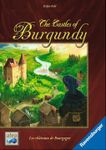
specific workers in your pool allowing them to break the rules in a variety of interesting ways for example when you place honeypore you gain one Berry for each other resource you took from an action space whisper functions like the Grande worker from viticulture accessing occupied action spaces stubble hoof may choose to remain on a location at the end of a round and reactivate it gaining additional resources the most extreme examples of distinct and specialized workers come in dice placement games such as Marco Polo Brew or castles of burgundy where players use dice as their workers generating resources based on a number or icons they've rolled and then placing onto worker placement spaces dice placement games are a genre in their own right so I'm not going to consider these in any depth in this video a topic for another day it's frequently an option in a worker placement game to use an action space to generate an additional worker so sometimes temporary as in snowdonia but most commonly as a permanent addition allowing you to achieve more in future rounds gaining a worker is often a very powerful move and frequently prioritized in the early game because extra workers essentially allow you additional turns compared to other players one tool that designers frequently utilize to mitigate against the overpowered extra worker action is the infamous feed your workers mechanism in Agricola not only do you need to build enough rooms to house your extra workers but when a harvest comes around all your
workers need to be fed and food is hard to come by if your workers go hungry you'll be taking begging cards and these are worth a substantial number of negative points at game end frequently these feeding episodes are spaced out throughout the game occurring when a specific Milestone is reached Sulkin features four such Milestones food days which happen at the end of specific rounds in the game on each of these food days players are forced to feed their workers with corn on two of them players receive resources depending on their positions on the temples and on the other two players receive points in a curricula the Harvest happens after specific rounds spaced out throughout the game and becoming more frequent as you approach game end in addition to feeding your Farmers your animals will multiply it adds momentum to the game and the sense that your farm is actually vital with produce growing and livestock breeding in architects of the West Kingdom the key event which shakes things up is called a black market reset the workers currently at the black market are moved to prison various ability cards activate players with workers in prison lose virtue and the player with most workers in prison takes an unpaid debt card unlike Sulkin and agricola's harvest some food days the black market reset is not entirely predictable the timing of the event is dictated by the choices made by the players specifically the reset happens when the Black Market spaces are filled with workers or when a certain number of
workers have been placed at the Guild Hall allowing the players to collectively determine the timing of a significant event is one way of increasing the number of meaningful choices in a game but it also adds tension because players can never be absolutely sure when the event is going to occur everdale has played over four seasons and at the end of each season players take new cards or activate their existing cards and gain new workers the slightly awkward twist in everdale is that each player can choose when they want to progress from one season to another so one player could be an Autumn while another is in summer or even hanging back in the spring this might even result in some players ending the game before others it's thematically awkward but it does add to the decisions in the game when should I progress to the next season is there more that I need to be achieving or am I getting left behind if action blocking isn't enough to crank up the tension viticulture makes a distinction between summer and winter actions players don't get their workers back until winter is complete so you'll need to make sure that you haven't used all your workers in the summer leaving you without any tokens to carry out winter actions number nine bringing workers home in agricular and dominant species workers are returned to players at the end of each round it's simply part of the sequence of play ensuring every player has their full complement of workers at the start of a new round this is the default approach for handling workers in worker placement games in later worker placement games this
frequently isn't the case regaining workers is an active step something players need to build into their strategy one of the major revisions from 2005's chaos to calus 1303 published in 2019 is the way that workers return to the players kalis used the basic get your workers back at the end of the round approach but the sequel changed that in the later game any worker which has been placed onto the board is returned to a Central Supply and players have to utilize specific action spaces to bring them home architects of the West Kingdom has a particularly intricate and thematic system for returning workers to players each player starts the game with a large number of workers and when they're placed on the action spaces they stay there with the actions becoming more and more powerful as the number of workers increases there is however an action space which a player can utilize to capture groups of other players workers placing them into their own player board by using the guard house action the player can imprison these workers earning silver for doing so and the other players can use the guard house action to free their workers from jail on a later turn in zulkin on your turn you either place your workers or bring them home released in 2012 zulkin is probably the most radically Innovative game in the worker placement genre the action spaces are distributed around several giant cogs and at the start of each round the central Cog is turned and the surrounding cogs rotate with it this
takes any placed worker tokens along for the ride and rewards from action spaces are only collected when a worker is retrieved so the longer the worker remains in position the better rewards they receive asking for troubles goes for something similar but much simpler and more intuitive on your turn you either place a worker or you bring all your workers home however if another player places a worker on an action space which is currently occupied they bump the worker off that space returning it to its owner saving them a job so action spaces are never blocked wait a minute action spaces are never blocked so that means asking for trouble bubbles is not a worker placement game right well that's where things get tricky in every other regard asking for troubles feels exactly like a worker placement game place tokens on action spaces to gather resources and convert them into victory points it's a very familiar formula so perhaps it's the definition that's wrong in asking for troubles you're paying a tax of sorts you're gifting your opponent a free turn by returning their worker to them it's not directly harming your own prospects but helping opponents is certainly to your detriment if you bump one of your own workers off a location then the worker is destroyed so it does squeak into the worker placement family by a whisker number 10 action blocking for purposes of BGG classification action blocking is a defining element of
worker placement so what is action blocking I've saved the most contentious aspect of worker placement games for last in its simplest form action blocking means exactly that when you place a worker on a location neither you nor any other player is able to utilize that same location for the rest of the round or in some cases the rest of the game but this is one of the biggest design spaces in the worker placement genre and it's ripe for Innovation frequently blocking is not so clear-cut flamecraft is a worker placement game where each player only has one Dragon worker Your Dragon can be placed on any of the shops except for the one that you visited last and if you visit a shop which is already occupied there's nothing stopping you you'll just need to pay the other players on the location one resource each in keyflower the first player to activate a location only needs to place a single worker if anybody wants to activate the location for a second time though they'll need to place two workers and the third visit will cost three workers architects of the West Kingdom features several different types of location the Black Market has small Open Circles indicating that only one player composition a worker in that location until it's vacated but most locations feature wide open circles and in these spots any number of workers can be placed and each subsequent worker that you place gains a greater reward because of the presence of other workers of your color on that location despite feeling
very much like worker placement these spaces wouldn't fulfill the definition because of the lack of action blocking dominant species Marine is a game where you can block your own access to action locations you need to think carefully about the order in which you place your pawns after placing a worker you not allowed to place any subsequent worker in a higher position on the board so you need to start towards the top and work your way down this generates tension because the most desirable spots are lower on the chart so you might decide to leave a particularly appealing spot for later and that leaves open the possibility that another player might grab it before you get another chance the game does however feature specialized workers who can break that top-down placement Rule and also they can bump other players off their spots in a similar manner to the spaceships in asking for troubles players gain these special pawns throughout the game by dominating certain elements on the board and the special workers also have access to Unique action spaces which other pawns can't use so when should you as a game designer utilize worker placement mechanisms in your games well I think worker placement is an excellent tool for theme first design you might have a unique Twist on the worker placement system but you're going to want to pin down your setting before you delve too deep into the design action drafting is a versatile tool and the theme will push you down particular paths and inform your decisions about the specifics of the worker placement system so to
summarize here's a few questions to ask yourself if you're dabbling in this genre how many workers do you want one loan worker has small handful or lobes can your players get any extra workers throughout the game and are they permanent or are they temporary is there any downside to this do your workers need feeding are all workers equal or does some of your workers have special abilities unique to them do your players control their own workers or are all workers considered neutral when do workers get their rewards immediately after placement at the end of the round or perhaps they don't get the reward until they're brought back home talking of bringing them home how do players get their workers back automatically at the end of the round or does it take an action to bring them home turn order is hugely impactful in a worker placement game so how are you going to manage this can players claim a start player token and how does the turn sequence go from there clockwise or some other order and what do your action spaces do can players build a personal Tableau can they gather resources other rewards always consistent or can resources accumulate 8. do players climb any tracks what do they do does your game feature absolute action blocking if space is occupied can no other worker access it or could they use the space at a cost are there any further limitations on the use of action spaces and are the action spaces always the same or could you incorporate a variable setup can players introduce new action spaces
throughout the game are there any key events in the game a change of season or harvest and how does this impact on the players and when does it happen predictably at regular intervals or at the time determined by the player's in-game decisions if you're a designer I hope this video has given you an idea of some of the tools available to you when creating games featuring worker placement if you're a game player and a fan of the genre maybe there are one or two games here that weren't on your radar but now you might consider giving a try if you'd like to watch a similar video about totally different mechanisms follow one of the links and I'll see you next time all the best