








Rallyman: DIRT Deep Dive
What the Community Thinks About Rallyman: DIRT
Reviewers see Rallyman: DIRT as a time trial racing game driven by dice, and most agree it stands apart from the usual race where players pass one another on the same track. Grant Lyon of Grant's Game Rex described it as a combined release that brings the 2009 original Rallyman together with its later Dirt expansion, with new artwork and upgraded components. Rolling Dice & Taking Names focused on the planning side of the game, praising the way players map out shifting, coasting, and braking before they commit to a roll. Opinions split once the table starts talking about how the game feels. Alex Radcliffe of BoardGameCo liked the dice but found the racing disconnected from the other players, while the hosts at Going Analog said the rules took some effort to learn. The shared view is that the game rewards careful planning and asks a little patience from new players.
Core Mechanics That Define Rallyman: DIRT
Time Trial Racing With Staggered Starts
The defining structure is the time trial. Grant Lyon explained that players begin at staggered times, so the goal is the fastest lap rather than beating an opponent to the line. Going Analog described the same format, noting that players race one at a time and then compare their times with the next person. Hex tiles form the course, and the rulebook supplies suggested routes for individual stages or full rallies. Because each run is measured against the clock, a strong turn on one stage can matter more than a head to head duel on another.
Dice Rolling and Push-Your-Luck Movement
Each turn centers on rolling dice and deciding how hard to push. Grant Lyon described the core loop as rolling dice and pushing your luck, with jumps and turns that force the racer to slow down. Rolling Dice & Taking Names added that players can choose to roll one die at a time or all of them in bulk, which turns each turn into a small planning puzzle. Going Analog argued that the game is more of a Euro strategy design than a loose dice fest, because the route must be planned before the dice are rolled.
The Rallyman: DIRT Experience
Planning Against the Clock
Reviewers describe a deliberate pace rather than a frantic one. Since players race the clock instead of each other, turns are not interrupted by direct competition. Rolling Dice & Taking Names noted that a turn can take a little longer than average, because players are trying to work out the best way to lay out their speed around the course, and the hosts enjoyed that planning. The feeling is of mapping a route, then testing whether the dice cooperate.
Catching Up on the Track
One Melbourne-based reviewer described the format as very much how rally racing works. Players race themselves at first, and when they catch up they meet the next person on the track. That moment of contact supplies some tension without turning the game into a straight race, and it gives slower drivers a reason to keep pushing.
What Makes Rallyman: DIRT Stand Out
Modular Tracks and Refreshed Components
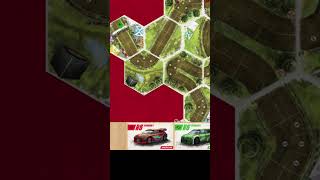
Grant Lyon highlighted the modular board as one of the most appealing parts of the game. Hexagonal tiles let players assemble a different course each session, so the track feels different every time it is set up. Grant Lyon also pointed to the new artwork and upgraded components, which give the combined edition a fresh look compared with the earlier versions of the line.
Strategy Beneath the Dice
Going Analog argued that the dice are only part of the appeal. Players must plan their gear changes and braking in advance, so the decisions feel more like a planning game than a luck contest. That is why the hosts placed Rallyman: DIRT in the strategic end of the racing spectrum, where careful route planning counts for as much as the roll.
Potential Drawbacks
Racing That Feels Disconnected
Alex Radcliffe of BoardGameCo was the most direct critic. Alex Radcliffe said the game was fine and that nothing was wrong with it, but the racing did not feel shared with the table. Players measure themselves against the other players' times, which means the sense of competition can feel solitary. Radcliffe liked the push-your-luck system with its own dice, yet felt the time trial format kept the other racers at arm's length.
A Learning Curve for New Tables
Going Analog said the rules were a little difficult to learn and needed to be taught more than once before they clicked. The hosts noted that the game is not especially hard once understood, but that the early turns require patience. Groups who want a quick, simple racer may find the planning steps a barrier at first, especially when the layout of the route must be decided before a single roll.
If You Enjoy Rallyman: DIRT
Players who enjoy the push-your-luck dice and time trial structure of Rallyman: DIRT will want to look at Rallyman GT, which Rolling Dice & Taking Names suggested as the natural next step for anyone who wants to see a head to head race built on the same dice system. Players who enjoy the careful planning of each turn may also appreciate Heat, which Rolling Dice & Taking Names compared to Rallyman as a racing game that rewards clever management of speed through corners. Together, these games cover the simultaneous, competitive side that the time trial leaves out.
What Reviewers Are Saying
"you're trying to get the fastest time around the course and you are doing that by Rolling Dice and pushing your luck"
— Grant Lyon, Grant's Game Rex
"I like the push-your-luck system as far as your own dice. It just felt very disconnected. You feel disconnected from the other players."
— Alex Radcliffe, BoardGameCo
"once you get it like okay is this actually quite a Euro strategy game rather than like I'm going to roll a bunch of dice and it's all like you know wild and crazy and stuff like that you have to be pretty strategic in this game"
— Going Analog