/pic8077548.png)













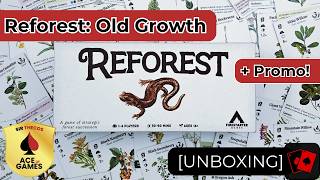





Reforest: Plants of the Pacific Northwest Coast Deep Dive
What the Community Thinks About Reforest: Plants of the Pacific Northwest Coast
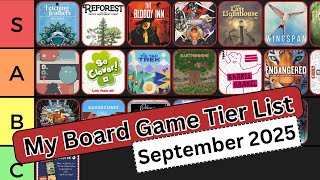
Reforest: Plants of the Pacific Northwest Coast has quietly earned a devoted following among solo board gamers, becoming a favorite for players who crave strategic depth wrapped in a thematic package. Channels like The Board Game Garden and Sir Thecos praise its elegant design and surprisingly intricate puzzle, with Sir Thecos in particular calling it one of his new favorite solo games. The game balances accessibility with meaningful decision-making, making it appealing to both newcomers and seasoned tableau builders seeking a meditative yet engaging experience.
Core Mechanics That Define Reforest: Plants of the Pacific Northwest Coast
Multi-Use Cards and Strategic Tableau Building
At its heart, Reforest: Plants of the Pacific Northwest Coast hinges on a clever multi-use card system that gives players meaningful choices on every turn. Each card can be played for its ability or spent to pay for placement, creating constant tension between using cards now or preserving them for later utility. This duality ensures no card is wasted and forces players to weigh immediate board development against long-term flexibility, a hallmark of designs that reward planning rather than simple card draw.
Forest Succession and Layered Tableau
Players construct a pyramid-shaped forest over the course of the game, starting with three plant cards at the base, two in the middle row, and one at the top. Rather than simply filling rows, you layer cards atop one another, creating a sense of an ecosystem maturing over time. This stacking is more than visual flavor; it directly affects your ability to meet each round's animal objectives and to score efficiently. Every placement matters, because higher cards build on what sits below, and the shape of your forest constrains which cards fit where, turning the tableau into a living, evolving puzzle.
The Reforest: Plants of the Pacific Northwest Coast Experience
Engaging Round-by-Round Objectives
The game unfolds over three rounds, each introducing animal visitors that want something specific from your forest. Several random animals set the objectives, and only some score at the end of each round, so you must prioritize ruthlessly. As the rounds progress, the demands escalate, raising the pressure to build synergistic plant combinations. This steady ratcheting of attention keeps players engaged from the first card to the final scoring, and it prevents any round from feeling like a foregone conclusion.
Meditative Solo Play With Tactical Depth
Solo play in Reforest: Plants of the Pacific Northwest Coast delivers a uniquely satisfying experience. There is no aggressive opponent to outmaneuver; instead, you are solving a self-imposed optimization puzzle. Every decision feels like sculpting your ideal forest rather than fighting hostile forces, which makes the game well suited to contemplative play, whether with morning coffee or as an evening wind-down. Yet beneath the calm exterior lies genuine tactical complexity. Careless moves and poor card sequencing will sabotage your scoring far more effectively than any opponent could.
What Makes Reforest: Plants of the Pacific Northwest Coast Stand Out
Small Box, Strategic Substance
Reforest: Plants of the Pacific Northwest Coast arrives in a compact package that belies the depth inside. The design fits a meaty puzzle into a minimal footprint, making it genuinely portable while keeping the mechanical rigor that appeals to dedicated gamers. There is little filler and no unnecessary subsystem; every element pulls weight toward the core experience of building an optimized forest. That focus is a large part of why solo players return to it so often.
Thematic Integration and Beautiful Presentation
The Pacific Northwest setting is not mere window dressing. Each plant, tree, and animal in the deck reflects the real region, and the card art captures the flora and fauna of the ecosystem. The visual progression from low herbaceous plants to towering trees reinforces an intuitive sense of ecological succession that matches the game's theme. Players are not just arranging symbols; they are nurturing a forest that feels grounded in genuine natural systems, which deepens the meditative pull of the experience.
Potential Drawbacks
Luck in the Animal Objectives
While the puzzle-solving is tight, the random selection of animal objectives can occasionally deal a brutal hand. Some round combinations present genuinely awkward demands given the cards available, and if an objective does not mesh with your forest, you may find it hard to score meaningfully that round. Skilled players can mitigate this through flexible planning, but newer players may hit runs where the objectives feel punishing rather than challenging.
Analysis Paralysis and Long Decision Spaces
The multi-use card system and the layered placement rules create rich decision trees that can slow solo play considerably. Players prone to optimizing every move may deliberate extensively over card order and placement sequence. What can be a brisk solo experience may stretch much longer when chasing a perfect line, particularly on early plays while learning the card synergies and how the animal objectives reward specific forest shapes.
If You Enjoy Reforest: Plants of the Pacific Northwest Coast
Players drawn to Reforest: Plants of the Pacific Northwest Coast should explore Forest Shuffle, a tableau-building card game that shares the meditative puzzle aesthetic and multi-use card play, though it uses a different drafting mechanism. Both reward forward planning and the satisfaction of a placement that quietly solves a puzzle you did not realize you had been working on. For a lighter but equally thoughtful ecosystem builder, Cascadia swaps card layering for tile placement while keeping the calm, nature-focused puzzle feel. And for players who love the solo experience and ecological theme, Wingspan delivers similar natural-world depth, rewarding players who understand habitats and feeding patterns.
What Reviewers Are Saying
"It's a game of strategic forest succession which I really, really enjoyed. It's a very small box, it plays one to four players, and it has some really cool multi-use cards. It kind of reminds me a little bit of Forest Shuffle in a way, but it is still very different."
— The Board Game Garden
"Reforest is one of my new favorite solo games. It's a deeply puzzly, thoughtful game where you build a pyramid representing a natural habitat with trees and plants and optimize each one of your moves. I'm not usually a fan of pure optimization games, but this one completely won me over."
— Sir Thecos
"I absolutely love this. It's one of my most favorite solo games currently, and I have a playthrough on my channel if you want to see how the game plays."
— Sir Thecos