/pic8426382.jpg)






































Ruins Deep Dive
What the Community Thinks About Ruins
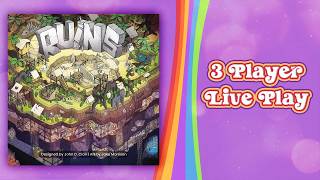
Ruins has captured the attention of board game reviewers across the community as a fresh take on card shedding gameplay. The game's unique card crafting mechanic, where players physically layer transparent upgrades onto cards, has generated significant discussion about both its innovative design and its practical execution. Reviewers consistently praise the core experience while offering thoughtful critiques about the mechanics' long-term impact on gameplay satisfaction.
Core Mechanics That Define Ruins
Ladder Climbing Card Shedding
At its heart, Ruins is a competitive card shedding game where the fundamental objective is straightforward: be the first to empty your hand of all cards. Players play sets of matching numbers, with each subsequent play required to meet or exceed the previous number. This climbing mechanism creates natural tension and forces constant strategic decision-making. The ladder climbing structure means players cannot simply dump any card they want; they must respect the escalating values, creating a satisfying puzzle where hand management becomes paramount. The game ends when someone reaches 9 or 10 victory points by finishing rounds first, making this a game of multiple rounds rather than a single elimination.
Card Crafting Through Transparent Overlays
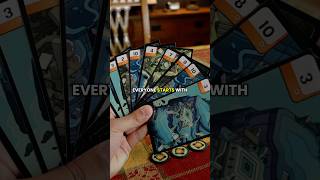
What sets Ruins apart is its innovative card crafting system. During each round, players can purchase transparent upgrade cards using fire tokens, then physically slot these overlays onto their existing cards to modify their values and abilities. A card marked as a five can become a ten if paired with a plus-seven upgrade. Multiple upgrades can stack on the same card, with three different colored overlays (pink, blue, yellow) representing different modification levels. This creates wild, game-altering combinations as the game progresses. Beyond simple value modifications, upgrades can add special abilities like making a card wild, allowing players to draw cards, forcing opponents to draw cards, or refreshing the fire tokens needed to craft. This layering system transforms ordinary cards into powerful engines of disruption and advantage.
The Ruins Experience
The Satisfaction of Strategic Crafting
Reviewers highlight how satisfying it feels to craft cards for specific purposes. Players must balance immediate needs against future flexibility. Do you modify a card to win this round, knowing it might help an opponent later? The crafting marketplace available to all players means everyone sees what upgrades are coming, adding a layer of tactical awareness. This modification system gives players multiple meaningful decisions per turn beyond simply which card to play. The ability to customize cards to suit your hand creates a strong sense of agency and ownership over your strategy.
The Card Claiming Mechanic and Persistent Advantage
Each player can claim up to two cards per game using special claim markers, ensuring those upgraded cards return to their hand if dealt to another player during the reshuffle. This creates an interesting strategic layer where players must decide which carefully crafted cards are worth permanently securing. Claiming the right cards can compound advantages across rounds, as a heavily upgraded card stays tailored to your strategy throughout the game. However, this mechanic also generates some complexity, as cards not claimed get reshuffled and redealt, potentially giving opponents access to your previous upgrades.
What Makes Ruins Stand Out
Physical Tactility and Visible Progression
The transparent overlay system creates a deeply tactile experience. Players can literally see their cards becoming more powerful as overlays accumulate. The physical act of slotting upgrades onto cards and watching combinations emerge provides satisfying feedback that abstract games often lack. The artwork integration with these overlays means building onto locations on the cards creates a visual record of your crafting strategy. This tangible progression makes each upgraded card feel meaningful in a way that simply adjusting numbers could never achieve.
Accessibility and Portability in a Small Box
Ruins comes in a compact square box that punches far above its weight in terms of content and gameplay depth. The base game teaches relatively easily despite the layering system, making it accessible to newcomers while offering depth for experienced players. The small footprint makes it travel-friendly compared to other crafting games. Reviewers appreciated how the game delivers a substantial experience without requiring the space or setup complexity of larger titles, making it ideal for game nights where space is at a premium.
Potential Drawbacks
The Reshuffle Problem and Upgrade Investment
One consistent concern centers on the card redistribution system. After each round, all played cards get reshuffled and redealt to all players. While only two cards per game can be claimed permanently, this means most of your carefully crafted upgrades will eventually go to opponents. This creates psychological friction for some players who find it frustrating to invest effort into building powerful cards, only to watch them benefit enemies in future rounds. While the mechanics work functionally, this reshuffle system can feel at odds with the satisfaction of crafting, as your upgraded creations become temporary advantages rather than lasting achievements.
Physical Maintenance and Component Weight
As cards accumulate upgrades throughout the game, they become noticeably heavier due to the stacked transparent overlays. This physical weight difference creates a practical shuffling problem: experienced players can literally feel which cards have been upgraded during shuffling, potentially undermining the hidden information component. After gameplay concludes, cards must be deconstructed and reset for the next game, with all overlays removed and nighttime-flipped cards returned to their daytime side. This cleanup requirement, while not insurmountable, adds friction compared to games that need no post-game disassembly, particularly for casual play groups.
If You Enjoy Ruins
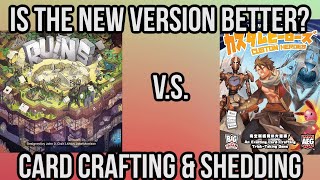
Players drawn to Ruins typically enjoy ladder climbing games like Scout and Panda Spin, where hand management and timing create meaningful decisions. The crafting mechanic suggests interest in games like Mystic Veil and Custom Heroes, both of which pioneered similar transparency-based upgrade systems. Players who appreciate games where physical components add tactile satisfaction and visible progression will find Ruins rewarding. Those seeking games with strong replayability due to variable card combinations and strategic depth should investigate Ruins further.
What Reviewers Are Saying
"The card crafting element really intrigued me when I first heard about this game. I found that idea really interesting where you have cards and as the game goes on, you actually can alter them or change them."
— Board Game Buzzz
"It's a ladder climbing game where you're trying to play sets of cards and try to be the first to go out, but the twist is that you have this currency and you're able to buy these transparencies that allow you to craft cards. They allow you to have special abilities. They allow you to change numbers of the cards that are in your hand."
— TheGameBoyGeek
"The interesting thing is that card crafting aspect in this game because in Ruins there's a marketplace available for everyone and the cards available in this marketplace amplify the cards that you have in your hand. Some of these modifications aren't just amplifying or adding to the number that you have on your card. Some of these can add extra abilities."
— Banter and Boards