/pic7257547.png)



















Seas of Strife Deep Dive
What the Community Thinks About Seas of Strife
Seas of Strife has earned passionate enthusiasm from board game reviewers who appreciate its fresh take on a classic mechanic. The game stands out as a trick-taking card game where the traditional goal of winning tricks gets turned completely upside down. Instead of seeking victory through trick accumulation, players must skillfully avoid taking them. This inversion has made it a favorite among those who love innovative card games that challenge conventional wisdom. Reviewers consistently highlight its engaging gameplay, attractive presentation, and the dynamic tension it creates at the table.
Core Mechanics That Define Seas of Strife
Inverted Trick-Taking Fundamentals
At its heart, Seas of Strife retains the familiar structure of trick-taking games with one critical twist: players actively work to take the fewest tricks possible rather than the most. The game features multiple suits arranged in a spectrum, with cards ranging from lower to higher numbers. Each suit has a diminishing quantity of cards as numbers increase, creating a challenging dynamic where higher-value cards become rarer and more dangerous to hold. Players must carefully manage when to play cards and when to hold back, constantly calculating whether their current hand could force them into unwanted tricks. This creates a fascinating push-and-pull where the player with the lowest count wins, fundamentally reshaping every decision made during play.
Suit Mechanics and Dynamic Suit Changes
One of Seas of Strife's most distinctive mechanics involves how suits can shift unexpectedly during tricks. In traditional trick-taking games, players must follow the suit led, but Seas of Strife adds complexity through suit choice flexibility. When a player cannot follow the led suit and plays a different suit, that new suit becomes available for subsequent players to choose from. This means a single trick can feature multiple suits simultaneously, and whichever suit appears most frequently in the trick becomes the determining factor. The highest card of the majority suit then wins the trick. This mechanic creates surprising reversals and requires players to think multiple moves ahead, considering not just their immediate options but the cascading effects their card choice might have on future plays.
The Seas of Strife Experience
Strategic Depth and Engaging Decision-Making
The gameplay experience of Seas of Strife centers on constant, meaningful decisions that keep players mentally engaged throughout. Each turn presents a genuine dilemma: does a player play a card to avoid taking this particular trick, knowing it might push them to take another later, or do they make a bold play to shift suit possibilities and potentially manipulate others into accepting tricks instead? The tension between wanting to win tricks and desperately wanting to avoid them creates a unique emotional arc. Players must assess their opponents' strategies, read the cards in play, and make judgment calls about which tricks are worth contesting and which should be avoided at all costs. The game rewards both tactical flexibility and strategic planning, making every hand feel fresh and challenging regardless of previous rounds.
Accessible Yet Mechanically Deep Gameplay
Despite its strategic complexity, Seas of Strife remains remarkably accessible for new players. The core concept learns quickly: lower trick counts equal better scores. Once players grasp the basic mechanic, they can immediately start enjoying the game while discovering deeper strategic layers with subsequent plays. The game scales well across different player counts and experience levels, with the inverted win condition actually making it easier for new players to compete since high-card hands that would dominate traditional trick-taking become liabilities here. The pacing remains brisk and engaging, with rounds moving smoothly and player downtime kept minimal. Whether playing casually or competitively, the game maintains an exciting pace that keeps everyone invested in the outcome.
What Makes Seas of Strife Stand Out
Beautiful Artwork and Theme Integration
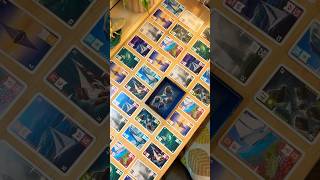
Illustrated by acclaimed artist Beth Sobel, Seas of Strife features stunning visual presentation that captures the drama of maritime adventure. The artwork progresses from serene nautical scenes to increasingly intense imagery as card values rise. Early suits show calm waters and sailing vessels, while higher cards depict worsening conditions including storms, turbulent seas, and eventually an ominous octopus emerging from the depths. This visual escalation reinforces the game's theme and creates a cohesive aesthetic experience. The cards are printed with vibrant colors and clear iconography that make card identification easy during rapid play. The overall production quality and thematic consistency enhance the maritime atmosphere and make each card memorable during play.
Innovation Within Familiarity
Seas of Strife achieves something remarkable: it respects the trick-taking tradition while completely subverting it. Rather than abandoning established mechanics, the game uses player familiarity with trick-taking as a foundation for genuine surprise and innovation. Players who know Spades, Hearts, or Bridge find comfortable footing, yet the inverted scoring creates constantly surprising situations. This balance makes the game approachable for hobbyists while remaining fresh and interesting. The elegance of the design shines through in how few components are needed to achieve such dramatic mechanical shifts. The game proves that innovation does not require complexity, and that sometimes the most memorable gaming experiences come from clever twists on time-tested foundations.
Potential Drawbacks
Thematic Integration Could Be Stronger
While the artwork is beautiful, some reviewers note that the theme could feel more integral to the gameplay experience. The maritime setting and treasure-hunting scenario provide window dressing rather than deeply intertwining with mechanical choices. Players might describe the theme as somewhat disconnected from the card mechanics themselves, where the suit names and card imagery, while attractive, do not necessarily create moments where players think they are navigating treacherous waters. The theme serves the aesthetics effectively but remains largely decorative rather than fully integrated into strategic consideration. For theme-focused players seeking games where narrative and mechanics interweave, Seas of Strife might feel slightly light on thematic depth despite its charming presentation.
Limited Player Count Range
Seas of Strife accommodates three to six players, which while flexible, excludes both two-player purists and larger groups beyond six. The two-player experience would require variants not included in the base game, potentially limiting appeal for couples or pairs seeking trick-taking card games. Conversely, groups of seven or more would need to split into multiple tables, losing the interactive dynamic of watching and responding to other players' decisions. While the three-to-six range covers most casual game night scenarios, players with strong preferences for either end of the spectrum may find the player count restriction restrictive. The game has found its sweet spot, but that sweetness naturally excludes some audiences who might otherwise appreciate it.
If You Enjoy Seas of Strife
Fans of Seas of Strife should explore other trick-taking variants that innovate within the genre. Games like Scout, where cards cannot be moved once played, and other trick-taking titles from traditional game collections offer similar depths of strategic decision-making. Players who appreciate the inverted-victory condition might also enjoy games that subvert expected mechanics in other ways, seeking out titles where conventional wisdom becomes a liability. The broader trick-taking family offers countless variations from around the world, each bringing its own twist to core concepts. For those who love card games featuring elegant mechanics applied to simple components, exploring the full spectrum of trick-taking titles will likely yield many rewarding discoveries.
What Reviewers Are Saying
"Seas of Strife is where it truly shines. I've really enjoyed the mechanics, particularly the strategic decision-making involved in playing cards and managing tricks, with tension between wanting to win tricks and avoiding them creating a dynamic that is both engaging and thought-provoking."
— Board Games With B7
"This is a very interesting trick-taking game. The fun thing about this game is that if someone else plays a different suit that next person can now play any of the suits that have been played before, and then once everyone at the table has played their cards whatever suit has the most played is then going to be the only suit that matters."
— The Board Game Garden
"I freaking love Seas of Strife. This is like I said a trick-taking game it is illustrated by Beth Sobel, and this is a very interesting trick-taking game where you are trying to lose tricks instead of win them and whoever has the least amount of Tricks is going to be the winner."
— The Board Game Garden