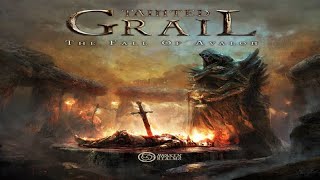
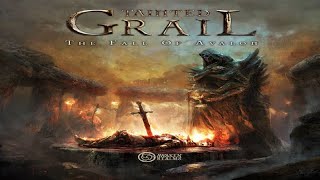
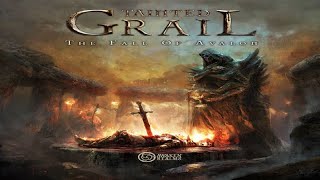
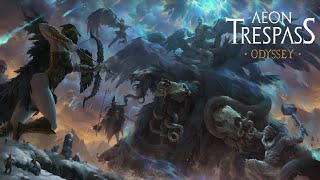
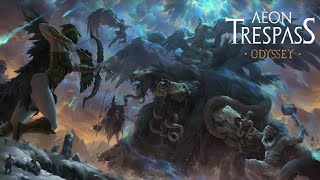
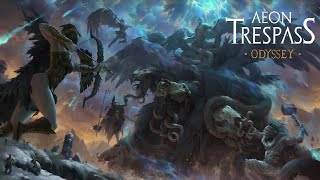
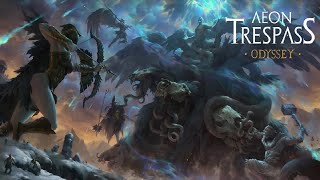
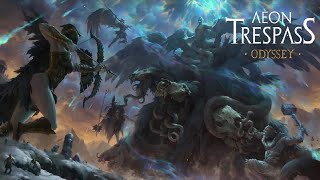
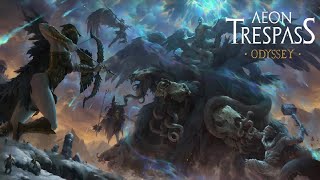
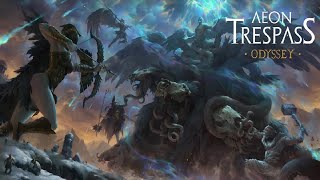
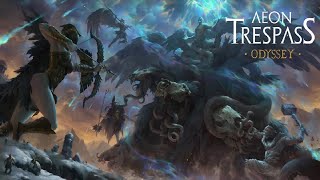
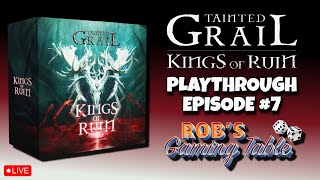
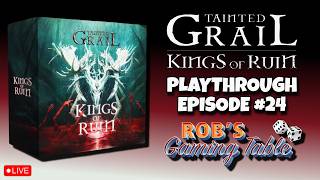
Tainted Grail: Kings of Ruin box art

Tainted Grail: Kings of Ruin

Game ID: GID0313246
Collection Status
Description

Kings of Ruin is a new stand-alone story campaign from the team behind the acclaimed Tainted Grail board game, set in the same universe. Playable with a brand new set of exciting characters, it continues the stories of Fall of Avalon, Last Knight, and Age of Legends while also providing a perfect self-contained entry into the saga for new players.

During your experience with the game you will explore new land (with a totally changed system of traveling through Wyrdness), solve encounters with force or diplomacy with unique puzzle card system, and develop your heroes with new passive skills, cards and powerful items.

Most importantly, you will discover a dark immersive story of abandoned land at the wrong side of Avalon and Kings of Ruin ruling there:
Claudyne, the Unknighted.
Amberqueen Veneda.
Nonus, Bishop of the Deep.

Year Published
2024
Transcript Analysis
Browse transcript mentions, sentiments, pros/cons, mechanics, topics, quotes, and references.
Total mentions: 11
This page: 11
Sentiment: pos 4 · mix 6 · neu 0 · neg 0
Mentions per page
Top
Showing 1–11 of 11
Video JMul-WQxoKc One Stop Co-op Shop playthrough at 5:28 sentiment: positive
video_pk 62653 · mention_pk 155361
One Stop Co-op Shop - Tainted Grail: Kings of Ruin video thumbnail
Click to watch at 5:28 · YouTube ↗
Overall sentiment (raw)

positive
Pros
  • Color wheel introduces dynamic color-based decision-making without overwhelming complexity
  • Huge variety of heroes and enemy types creates rich tactical choices
  • Visible path for deck upgrading and customization through items and unique cards
  • Strong replay potential with multiple bosses, enemies, and difficulty modifiers
Cons
  • Limited card pool per deck leads to repetitiveness across games (nine cards per deck); players may see the same cards frequently
  • Overall variety of items feels somewhat limited compared to Solar Sentinels; some cards/enemies feel less exciting
  • Some early-game cards or archetypes (e.g., animal sense) aren’t particularly compelling
Thematic elements
  • Array
  • Dark fantasy
  • Narrative-driven dungeon-crawl combat with deck-building and escalating boss encounters
Comparison games
  • Solar Sentinels
  • Too Many Bones
  • Etherfields
Mechanics (from transcript analysis)
  • Color Dial / Color Wheel — A rotating color wheel constrains which dice or actions can be used on a given turn; players must align dice to the current color
  • Combat: Dice — Dice of various colors are rolled and applied to enemies; color matching and arrows on enemy cards drive what can be damaged
  • Deck building — Players curate and use a deck of combat cards, with hero-specific and universal cards; cards can be upgraded or swapped for new ones
  • Deck Building / Card play — Players curate and use a deck of combat cards, with hero-specific and universal cards; cards can be upgraded or swapped for new ones
  • dice drafting — A rotating color wheel constrains which dice or actions can be used on a given turn; players must align dice to the current color
  • Dice-based combat — Dice of various colors are rolled and applied to enemies; color matching and arrows on enemy cards drive what can be damaged
  • Endgame progression / Menhir pile — Defeated enemies are placed into a growing Menhir pile; after eight regular enemies, the next fight must be the boss
  • Item and deck upgrade choices — Defeating enemies can yield items or new cards; players can replace or trash cards to refine their deck
  • Resource management — Recovery mechanics restore dice and/or stats after engagements; defeating enemies may grant cards or stat increases
  • Resource management / recovery — Recovery mechanics restore dice and/or stats after engagements; defeating enemies may grant cards or stat increases
  • Strategy / Strike phase and turn structure — Rounds are divided into strike/draw (strategy) phases, then engagement and cleanup, with limits on hand size and compulsory end conditions
  • Variable Phase Order — Rounds are divided into strike/draw (strategy) phases, then engagement and cleanup, with limits on hand size and compulsory end conditions
Video topics + discussion points
No key topics recorded for this video.
Quotes (from this video)
  • the color wheel ... you can only hit enemies, apply dice that match the current color
  • the color wheel ... you can only hit enemies that match the current dial color
  • I would say this one is very close to Solar Sentinels
  • Solar Sentinels has more variety in the enemies you face
  • the combat cards and the limitation of only being able to play certain colors and those colors shifting is really neat
  • This is a great set, too
  • it's going to be a great set too
References (from this video)
No references stored for this video.
Video Ialj7sSIs1Q OneStop Co-op Shop playthrough at 0:33
video_pk 62579 · mention_pk 155298
OneStop Co-op Shop - Tainted Grail: Kings of Ruin video thumbnail
Click to watch at 0:33 · YouTube ↗
Pros
none
Cons
none
Thematic elements
  • Array
  • Fantasy
Comparison games
none
Mechanics (from transcript analysis)
Mechanics unknown.
Video topics + discussion points
No key topics recorded for this video.
Quotes (from this video)
  • I think this is great.
  • I think the whole AB thing is really cool, really fun.
  • I love managing your dice. I love the management of these items and these cards.
  • There are a lot of really creative things in the design.
  • The map cards can also flip.
References (from this video)
No references stored for this video.
Video DWJLBXgB3mU Waker Realms game_review at 2:30 sentiment: mixed
video_pk 60657 · mention_pk 153059
Waker Realms - Tainted Grail: Kings of Ruin video thumbnail
Click to watch at 2:30 · YouTube ↗
Overall sentiment (raw)
mixed
Pros
  • Rich, branching story with meaningful choices
  • Improvements over previous prototype and Fall Of Avalon
  • Excellent minis and aesthetic components
  • New character options and varied playstyles
  • Expanded logbook and encounter systems deepen campaign feel
  • Companions and weird-form cards add variety
Cons
  • Boss fights can be punishing and seem over-tuned for small groups
  • Open-world exploration can cause downtime and analysis overhead
  • Rulebook is bloated; setup may be slow; learning curve remains high
  • Encounter/card management can become overwhelming; organization needed
  • Insanity and some engine tweaks lack flavorful depth and balance
  • Some chapters feel long or repetitive and may dip in quality
Thematic elements
  • Array
  • Dark Fantasy island
  • Branching, logbook-driven narrative with decisions affecting future chapters
Comparison games
  • Fall Of Avalon
Mechanics (from transcript analysis)
  • Area movement — Movement between locations on the island using a map with various locations and chokepoints.
  • Boss Encounters / Combat Cards — Boss fights using specialized cards with flavor text; Book of Secrets adds narrative flavor during fights.
  • Chapter-based Campaign / Branching Paths — Campaign is structured into chapters with branching decisions that affect future chapters.
  • Combat: Deck/Hand — Deck of encounter cards drives events and combat outcomes.
  • Deck building — Players assemble and modify a personal deck of combat and diplomacy cards to resolve encounters and combat.
  • Diplomacy / Companion Systems — Diplomacy cards and companions influence outcomes and alliances.
  • encounter deck — Deck of encounter cards drives events and combat outcomes.
  • Energy / Resource Management — Energy is spent to move and explore; health and Terror are managed to survive and progress.
  • Logbook / Story Pathing — A logbook records choices and triggers pages that alter later game events.
  • Miniatures and modular components — Multiple minis, mounted and unmounted figures, and bespoke boards for combat and play.
  • Modular board — Multiple minis, mounted and unmounted figures, and bespoke boards for combat and play.
  • Narrative choice — A logbook records choices and triggers pages that alter later game events.
  • Open-World Location Movement — Movement between locations on the island using a map with various locations and chokepoints.
  • Resource management — Energy is spent to move and explore; health and Terror are managed to survive and progress.
Video topics + discussion points
No key topics recorded for this video.
Quotes (from this video)
  • the log booklet has some type of pleather outside and let me tell you this is super nice to feel when you're constantly going through the logs again
  • this story continues to be awesome
  • the mechanical Jank is really cleaned up which leaves room for the story
  • I'm mixed on it
  • I would have more fun just reading the log book with maybe some minimal components here and there and that would probably be like a 9 out of 10 experience
References (from this video)
No references stored for this video.
Video 71ombaYqLQs general_discussion at 2:31 sentiment: positive
video_pk 59636 · mention_pk 152175
Tainted Grail: Kings of Ruin video thumbnail
Click to watch at 2:31 · YouTube ↗
Overall sentiment (raw)
positive
Pros
  • strong thematic cohesion and rich world
Cons
  • heavy setup and length may be a barrier
Thematic elements
  • narrative-driven exploration and quests
  • Dark fantasy Arthurian-inspired world
  • storybook/adventure
Comparison games
  • Dominion
  • World Wonders
Mechanics (from transcript analysis)
  • Deck building — use and upgrade cards to influence outcomes
  • deck-building — use and upgrade cards to influence outcomes
  • Narrative choice — narrative prompts and events guide player decisions
  • Story-driven exploration — narrative prompts and events guide player decisions
Video topics + discussion points
No key topics recorded for this video.
Quotes (from this video)
  • I even saw wingspan there translated in Japanese which I really really wanted with all the expansions that was freaking awesome to see
  • I managed to find Scout in multiple places
  • I would definitely have to pick one game from that day and Le Havre would have been it if that managed to fit in my luggage
  • Scythe oh my God in a Japanese how it just looks so cinematic for some reason
  • the brand new Agric 15 Edition… there were so many updated titles
References (from this video)
No references stored for this video.
Video KdzSNZ377C4 Rob's Gaming Table playthrough at 0:00 sentiment: mixed
video_pk 11334 · mention_pk 33334
Rob's Gaming Table - Tainted Grail: Kings of Ruin video thumbnail
Click to watch at 0:00 · YouTube ↗
Overall sentiment (raw)
mixed
Pros
  • Strong theme and story atmosphere
  • Branching paths and replayability
  • Two-player campaign with character objectives
  • Modular map with dual-layer boards
  • Beautiful miniatures and art (painted by Mel)
Cons
  • Rulebook typos and translation issues
  • Rules heavy, with occasional confusion and complexity
  • Potential long sessions and table hogging
  • Production quality concerns (cards, etc.)
  • Pricing and availability considerations
Thematic elements
  • Dark fantasy, exploration, battle and diplomacy in a branching narrative
  • Avalon, a dark fantasy island scarred by weirdness and war
  • Story-driven with multiple branching paths and character-specific goals
Comparison games
  • Tainted Grail: Fall of Avalon
  • Tales from the Red Dragon Inn
  • Lord of the Rings: Journeys in Middle-earth
  • Earthborn Rangers
Mechanics (from transcript analysis)
  • Character abilities and progression — Two-player character pairs with personal story objectives; equipment cards; potential upgrades
  • Combat/diplomacy card system — Card connectors trigger bonuses and sequences; alternating actions between players; unique combat/diplomacy tracks
  • Encounters and quest system — Green/Blue/Purple encounters, secret decks, main/side quests and visions that drive progression
  • exploration — Reading storybook entries, moving around a map, unlocking new locations via waystones; branching paths
  • Open-world/branching structure — Players can pursue multiple paths and storylines with branching endings
  • Resource/character management — Energy, health, terror, food, magic, wealth; end-of-day effects; defend vs. delay
  • Waystones — Activated waystones push back weirdness and reveal new areas; associated with map exploration
Video topics + discussion points
No key topics recorded for this video.
Quotes (from this video)
  • Full disclosure, this is not a review copy.
  • I want to play something, you know, more sunshine and rainbows and lollipops kind of game.
  • It's a dark fantasy. You're meant to be a bunch of rag tag hooligans.
  • The game is not the most streamlined.
  • I like the theme.
  • I love the story and that's going to drive it hopefully.
References (from this video)
No references stored for this video.
Video ubHcbfeB4lM Rob's Gaming Table playthrough at 5:24 sentiment: mixed
video_pk 9863 · mention_pk 29039
Rob's Gaming Table - Tainted Grail: Kings of Ruin video thumbnail
Click to watch at 5:24 · YouTube ↗
Overall sentiment (raw)
mixed
Pros
  • deep, lore-rich world with a strong narrative arc and evocative setting.
  • great potential for player agency through branching leads and multiple pathways.
  • moments of flavor and mystery (e.g., quest leads, purple encounters) that feel fresh and thematic.
  • app-narration and optional side content (like Echoes of Rune) can enhance immersion for some groups.
Cons
  • rules density and rule-book ambiguity can bog down setup and play.
  • combat/diplomacy systems are sometimes underwhelming or punishing in practice.
  • pacing can feel slow or dragging, especially with long prose segments and heavy decision trees.
  • visual token conventions (time tokens, white/gray/black tokens) can be confusing and lead to color-coding disputes or misreads in-app logic.
Thematic elements
  • quest for reclaiming a fractured kingdom, political intrigue within a royal family, dealings with magic and eldritch forces, personal redemption and fate in a cryptic land.
  • Lost kingdom of Loathian and surrounding realms (King's Pass, Straywood, Venidia, Venidia, and the castle ruins). A mythic, war-torn landscape where magic, relics, and political intrigue collide with ancient sentinels and strange events.
  • lore-driven, branching narrative with many lore cards, status markers, and secret quests; heavy reliance on app-like narrative beats and long prose passages.
Comparison games
  • Nemesis (Awaken Realms)
  • Fall of Avalon (Tainted Grail original)
Mechanics (from transcript analysis)
  • campaign chapter progression — The campaign unfolds in chapters with location cards, encounter decks, secrets, and quest/secret cards that push the story forward and constrain or unlock options as you advance.
  • combat and diplomacy encounter design — Encounters can be combat or diplomacy-based, with various modifiers and one-time effects. Guard/guardian encounters add a perilous layer to the see-saw between progressing and losing health/food/tears.
  • encounter deck resolution — Encounters come in blue/green/purple categories (and other special cards) with varying effects, loot, and potential guardians. Resolution depends on card sequencing, bonuses, and timed effects.
  • Resource and risk management — Players manage health, terror, energy, food, wealth, and magic, balancing risk to explore, fight, or trade while facing penalties like terror tracks and energy loss on certain actions.
  • secret and event card manipulation — Secret decks and event decks introduce hidden objectives and random twists. Card order and which cards are shuffled in/out can dramatically affect what options remain available.
  • secret/hidden-object quest rewards — Certain leads unlock unique rewards (special status, wealth, or items) tied to secret cards or specific characters, driving exploration toward particular factions or characters.
  • topography and region gating — Topography/status cards affect access and action resolution. Certain terrain or status conditions gate or enable actions and can alter the pacing of progression.
Video topics + discussion points
No key topics recorded for this video.
Quotes (from this video)
  • This game is not for everyone; it can be punishing and slow if you chase every path.
  • The story is epic and that’s what carries this game for me.
  • Encounters interrupt and can feel like a slog, especially when you’re trying to push the campaign forward.
  • I love being able to pick paths that aren’t obvious, it keeps the playthrough interesting.
  • The app narration is nice, but the prose density can ruin flow if you’re not focused.
  • I’d like more moments that aren’t pure combat—more of those purple encounter vibes.
References (from this video)
No references stored for this video.
Video bHfqdwbOkQQ The Broken Meeple kickstarter_project_roundup at 2:30 sentiment: positive
video_pk 8089 · mention_pk 23778
The Broken Meeple - Tainted Grail: Kings of Ruin video thumbnail
Click to watch at 2:30 · YouTube ↗
Overall sentiment (raw)
positive
Pros
  • Quality of life improvements over original
  • Massive amount of content and expansions available
  • Evolution of original system
  • Eliminates grindiness from original
  • Separate campaign from original - can play standalone
  • Best fantasy-based story-driven campaign game reviewer has played
Cons
  • Original version had some issues and grindiness
  • Some occasional kinks in development
  • Expensive pledges
Thematic elements
  • Story-driven campaign adventure
  • Fantasy world from original Tainted Grail universe
  • Campaign-based with multiple scenarios
Comparison games
  • Oathsworn
  • Original Tainted Grail
Mechanics (from transcript analysis)
  • campaign system — Multiple scenarios forming a campaign
  • Quality of life improvements — Enhanced from original version
Video topics + discussion points
No key topics recorded for this video.
Quotes (from this video)
  • Kickstarter is here to stay whether you like it or not
  • I give my honest opinions regardless of whether someone a hero or not
  • Just because the creator of pandemics on it doesn't make it an instant hit
  • This is the best fantasy based story driven campaign game I've ever played
  • The value you get is obnoxious... it's obscene
  • Put the how to play Early in the campaign all right not miles at the end
  • Board games just aren't worth this kind of money anymore
  • I'm not spending 330 on this thing
  • Money is tighter the world economy has gone to pot
  • Quick turns and simple actions is such a marketing tool line that I can't place any reliance on
References (from this video)
No references stored for this video.
Video xbZk-pI9oRo Broken Meeple top_10_list at 15:50 sentiment: positive
video_pk 7834 · mention_pk 23129
Broken Meeple - Tainted Grail: Kings of Ruin video thumbnail
Click to watch at 15:50 · YouTube ↗
Overall sentiment (raw)
positive
Pros
  • Novelization-level writing
  • Excellent immersive world building
  • Multiple story paths create replayability
  • Beautiful dark artwork
  • App integration with voice narration enhances immersion
  • Tainted Grail universe is engaging
Cons
  • Very long campaign game
  • Requires significant time commitment
Thematic elements
  • Quest for the Holy Grail with grimdark elements
  • Dark medieval fantasy world
  • Novelization-level writing with voice narration option
Comparison games
  • ISS Vanguard
Mechanics (from transcript analysis)
  • campaign system — Long narrative campaign with multiple story paths
  • Combat System — Combat with psychological elements and PTSD mechanics
  • Variable story routes — Order of quests affects game progression and outcomes
Video topics + discussion points
No key topics recorded for this video.
Quotes (from this video)
  • 2024 was not my favorite year ever not just in board gaming but kind of just in life in general
  • it's nice that there's actually a game that says no how about we stop War for a change
  • you want to stick Miyazaki from studio Ghibli and shove it into a board game it's just like that
  • silky smooth silky smooth like the river itself
  • I suspect this list is going to be very different to a few of yours
  • this is the ultimate balance like you need a balance of complexity versus depth
References (from this video)
No references stored for this video.
Video jP4czYO420g Rob's Gaming Table playthrough at 3:43 sentiment: mixed
video_pk 4212 · mention_pk 12315
Rob's Gaming Table - Tainted Grail: Kings of Ruin video thumbnail
Click to watch at 3:43 · YouTube ↗
Overall sentiment (raw)
mixed
Pros
  • High replayability due to branching campaign paths and diverse character builds.
  • Rich thematic integration between narrative framing and game mechanics.
  • Deep deck-building options with multiple synergy directions.
Cons
  • High complexity and dense rule set can be intimidating for new players.
  • End-of-turn cards can introduce unpredictable randomness that may slow play.
  • Setup and ongoing tracking of resources/time/terror can be demanding.
Thematic elements
  • Relic-hunting, kingdom-building, ritual decisions, diplomacy, and survival in a cursed land.
  • Dark fantasy, post-apocalyptic/mystical realm centered on Castle Loathian and surrounding regions (Lotheian/Lothian saga).
  • Campaign-driven with branching arcs, companion events, and evolving character trajectories.
Comparison games
  • Forbidden Stars
  • War of the Ring
  • Star Wars Rebellion
  • The Lord of the Rings: The Card Game
Mechanics (from transcript analysis)
  • Blood price — A cost in health to perform certain healing or resource-generating actions, creating tension between survival and progress.
  • Book of Secrets / Verses — Narrative events triggered by verses or secrets that alter board state or grant special bonuses.
  • Card-driven progression and xp — Characters improve by spending XP to acquire new cards, skills, and attributes, enabling varied build paths.
  • Companions and diplomacy — Non-player companions grant unique abilities and alter diplomacy outcomes during encounters.
  • Encounters (green/blue/purple/red) — Encounter cards drive choices with varied rewards/penalties, shaping deckbuilding and strategy.
  • Guardians and boss-style encounters — Guardian entities move through the map, offering peril and requiring cooperation or tactical planning.
  • Time and terror track — A time/terror economy that affects encounters, card resolution, and the ability to endure or endure longer in fights.
  • Way stones — Location-based travel/resource mechanic; activating a way stone yields healing/magic benefits and advances movement between sites.
Video topics + discussion points
No key topics recorded for this video.
Quotes (from this video)
  • The fox god took an interest in you and will return later.
  • There are so many options to build different characters there.
  • This is the best game I've played all year.
References (from this video)
No references stored for this video.
Video VurUDOYz7ys Rob's Gaming Table general_discussion at 0:00 sentiment: mixed
video_pk 3235 · mention_pk 9500
Rob's Gaming Table - Tainted Grail: Kings of Ruin video thumbnail
Click to watch at 0:00 · YouTube ↗
Overall sentiment (raw)
mixed
Pros
  • ambitious, narrative-driven campaign concept
Cons
  • unclear about delivery timing and upfront commitments
Thematic elements
  • story-driven exploration and long-form campaigns
  • dark fantasy world with epic campaign arcs
  • campaign-narrative with evolving story
Comparison games
none
Mechanics (from transcript analysis)
Mechanics unknown.
Video topics + discussion points
No key topics recorded for this video.
Quotes (from this video)
  • the heart and soul of your channel. And don't attempt to change it.
  • I'm not excited or intrigued at all.
  • boring, boring, playing it safe.
  • That's why I don't do top 10 lists on my channel anymore really. It's not a passion.
References (from this video)
No references stored for this video.
Video sRp4SUa-CVs Rob's Gaming Table playthrough at 0:00 sentiment: mixed
video_pk 573 · mention_pk 1703
Rob's Gaming Table - Tainted Grail: Kings of Ruin video thumbnail
Click to watch at 0:00 · YouTube ↗
Overall sentiment (raw)
mixed
Pros
  • Rich, branching narrative framework with multiple exploration options
  • Deep, evolving boss mechanics and encounter variety
  • Two-player campaign pacing that scales with decisions and resource management
Cons
  • Rule ambiguities and misprints leading to confusion during play
  • Long, RNG-heavy combats that can feel grindy and protracted
  • Steep learning curve for new players and two-player balance concerns
Thematic elements
  • Survival, exploration, and narrative-driven questing in a grim, curse-laden world
  • Dark fantasy realm in decline, with relics, ruins, and creeping mysticism
  • Branching, verse-driven Book of Secrets with dynamic encounters and location-based storytelling
Comparison games
  • Dark Souls
  • Demon's Souls
  • Eldritch Horror
  • The Witcher (board game)
Mechanics (from transcript analysis)
  • Book of Secrets verses — Verse entries trigger narrative events that direct quest progression and offer divergent paths.
  • Encounter decks (combat and diplomacy) — Players draw and resolve combat or diplomacy cards during encounters, with bonuses and penalties that shape outcomes.
  • Guardian and Claudian mechanics with time tokens — Guardians and Claudine the United introduce delayed abilities and required timing; time tokens regulate multi-step effects.
  • Two-player party progression and campaign structure — Two-player pairing advances in chapters with evolving challenges, balancing combat and diplomacy, and managing encounter RNG.
  • Waystones, fortifications, and resource management — Players interact with waystones to heal, fortify locations, and manage resources like energy, wealth, magic, and health.
Video topics + discussion points
No key topics recorded for this video.
Quotes (from this video)
  • This game is crazy.
  • The Dark Souls 101, right? Demon Souls 101.
  • I feel like we're stronger in combat than we are in diplomacy.
  • This is the learning opportunity we get from misreads and rule questions.
References (from this video)
No references stored for this video.
Transcript Navigation
Top
Showing 1–11 of 11
View on BoardGameGeek