
Tamashii is a cyberpunk adventure board game with a post-apocalyptic vibe. Players will struggle to survive and pursue their agendas in two worlds at the same time - the physical one, filled with deadly machines and merciless human survivors, and the virtual one, prowled by tracking software and vicious viruses.
Players will try to achieve their goals on a modular city map. They will find new locations, fight against strong enemies and search for important information and files needed to win the game.
The second part of the game takes action on a virtual map. Here you will try to hack your opponents, unlock special bonuses or get one-time bonuses for completing the sequences.
The game may be played in different scenarios. You might have to cooperate with other players, play against them or even make an alliances with your enemies. But watch every step you take; every conflict, cooperation or alliance might be a double-edged sword.
—description from the publisher


Images



- Really cool cyberpunk themed game
- Cool mechanic with the grid of tiles
- Beautiful production
- Really, really cool game
- Cyberpunk exploration and combat
Mechanics (from transcript analysis)
- action selection — it's all based on your action grid and how you're accomplishing that.
- Grid Movement — you have this grid of tiles that you're building up and then you're you're kind of moving these tiles around
- Tile Placement — you have this grid of tiles that you're building up
- Variable player powers — these different bodies have different abilities like really cool stuff.
Video topics + discussion points
Quotes (from this video)
- Shadows Over Camelot. Now, I used to say that this is probably one of the most thematic games that I've ever played.
- In the Hall of the Mountain King. Now, this was 97 last year and 76 the year before. So, it's hanging on.
- Warhammer Underworlds. I probably have close to 10 to 12 different war bands that you can play with this game, but I think I probably have only I don't think I've put together like four of them.
- Terracotta Army. Terracotta Army was my 96 last year and my 67 the year before.
- Jackal and Hyde versus Scotland Yard. Another Vincent Dut Trade artwork game. Uh but really it's the mechanisms um that really made this one fun for me.
- Comic Hunters is a really cool game where you are drafting all different kind of comic book covers.
- Cities. It's really an interesting thing. And one of the cool things about it is that the game does come with a a good number of different cities.
- Decorum. This is from Charlie and Harry Mlin and Drew Tennbomb and Floodgate Games. I really like Decorum.
- Fury of Dracula. Now, I specifically have the uh third edition, but I think the fourth edition is the same.
- Nar. Um, what makes Nar such a fantastic game is that it really is a race. Everything that you're doing in this is speed of getting to the 40 points and being done.
- Criminally low. That's all I'm going to say. [referring to Nár's rank]
References (from this video)

- Gorgeous miniatures.
- Interesting hacking theme.
- Potentially more approachable than typical Awaken Realms games.
- The miniatures are not a personal draw for one reviewer.
- The 'slide puzzle' mechanic might be a deterrent for some.
- Hacking
- Cyberpunk/Futuristic
- Into Deep
- Awaken Realms games
Mechanics (from transcript analysis)
- Hacking — Players 'hack into brains' and 'control two different ones' or 'hack into anybody, any avatar'.
- Pattern Building — Arranging gems to make patterns.
- slide puzzle — Features a mechanic where players arrange colored gems on a checkerboard player board.
Video topics + discussion points
Quotes (from this video)
- So, all of the wood components in this game are being locally sourced from Hokkaido where the publisher, not Mighty Boards to be clear, the original publisher and the designers of the game are based.
- This is the first real-time two-way pet translator.
- My thoughts are dark. I would I have never wanted to hack into something more in my life.
- I'm going to say 3,612 are Twitch streamers, right? Oh, I agree 100%. This is This ain't going IN THIS AIN'T GOING in your your foyer, right?
- I look, I I can't imagine this has any actual science Did you ever see The Far Side where the guy invents He goes, 'I can finally find out what dogs are saying.'
References (from this video)
- Tamashii is a very cool game.
- Tamashii is a very solid game.
- The art style and color palette look absolutely amazing.
- The world building is incredible.
- Campaign-based in nature; requires ongoing commitment.
Mechanics (from transcript analysis)
Video topics + discussion points
Quotes (from this video)
- Tamashii is a very solid game though.
- Tamashii is a very cool game.
- 20 Strong is a great game system.
- Scoundrels excites me as much as it frustrates me.
- Stalker is an incredible game.
- The table presence is going to be top-notch.
- Deluxe-ification and bling is still 100% worth it.
- The world of Nemesis does feel like a perfect fit for an RPG.
- Concordia is a great game.
- Agricola, I don't have an opinion there because Agricola is a game that I'm not quite as convinced that I need to get it just because Awaken Realms did it.
References (from this video)
- Really enjoy it
- Enjoy the puzzle aspect
- Nice miniatures
- Could have more cooperation
- Miniatures are nice, might keep this version for variety
Mechanics (from transcript analysis)
- campaign/scenario play — Features a campaign structure where players play single scenarios, with flexibility in choice.
- Puzzle Element — A strong puzzle aspect is present and enjoyed by the reviewer.
Video topics + discussion points
Quotes (from this video)
- As soon as I finish playing Ark Nova, I'm thinking about Ark Nova again.
- This is the game that made me want to try and figure out how to play card drafting games, how to play action selection games.
- It's a classic engine builder, and it still holds up today.
- The scale of the game is huge and it feels like you're really accomplishing something.
- Each faction plays completely differently, offering huge replayability.
- It's a challenging game with a lot of moving parts.
References (from this video)
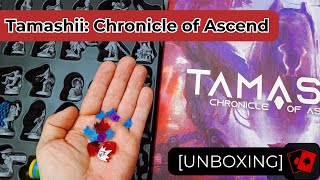
- Unique and cool art style with vivid colors.
- Puzzly and adventure-like gameplay.
- Post-apocalyptic neon cyberpunk theme is appealing.
- Welcome letters add a personal touch.
- Setup and overview sheets are helpful.
- Unlockable components add to replayability.
- Cool miniatures with good detail.
- Asymmetric player dashboards.
- Nice insert design.
- Double-layered components.
- Token tray is convenient.
- Double-sided scenario cards with lore and setup information.
- Scenarios are well-presented.
- Good number of scenarios included.
- Crowdfunding edition offers extra value.
- Double-layered boards and tokens are high quality.
- The insert is loose and components may fall out if stored vertically.
- Miniatures can be a bit flimsy.
- Some components might be duplicated (miniatures and standees).
- Cards have minimal artwork, mainly text.
- Some enemy names are repetitive or overdone.
- Small cards are similar to regular cards but in a smaller format.
- post-apocalyptic neon cyberpunk
- Black Angel
- Deckers
- Bullet
Mechanics (from transcript analysis)
- Character progression/customization — Players inhabit different bodies during the scenario, suggesting a form of character progression or customization where the 'character is like you as a player'.
- Dice — Eight-sided dice with a nice design are present.
- miniatures — The game includes miniatures, which the host finds cool and well-designed.
- Modular Board — The game is played on a 'modular city map'.
- scenario-based play — The game features different scenarios, and the host mentions scenario cards, setup, and a scenario generator.
- solo mode — The game is noted to play well solo and the host primarily got the game to play it solo.
- standees — Standees are included, potentially as an alternative to miniatures or for specific components.
- token management — The game utilizes cardboard tokens and a token tray, with some mention of pushing tokens around to make patterns.
Video topics + discussion points
Quotes (from this video)
- This is like um a very puzzly like adventure game, so to speak, that has like a post-apocalyptic vibe.
- Looks really cool like this dark, edgy cyberpunk kind of theme with like this Asian Asian vibe, like really like vivid colors.
- I find mechanism much more fitting.
- This could be like a sleeper hit for me.
- Awaken Realms knows how to do miniatures. And then here, and they also know how to do inserts and oh, all of that stuff.
References (from this video)

- immersive campaign-style games
- minis
- strong narrative elements
Mechanics (from transcript analysis)
Video topics + discussion points
Quotes (from this video)
- "layered systems"
- "very very minimal luck"
- "strategy-first experience"
- "direct competition"
- "tactical decision-making and a strong visual presence."
- "immersive campaign-style games with miniatures and strong narrative elements."
- "cooperative experience likely best for families or groups that enjoy teamwork-focused gameplay."
References (from this video)
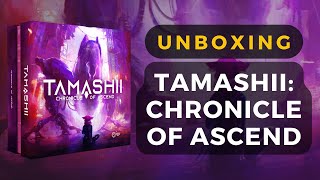
- Beautiful, vibrant artwork
- High-quality, colorful components
- Solo mode included
- Cute cat-themed drawstring bags
- Interesting variety of components and scenario setup
- Rulebook described as thick with small lettering
- Card content not shown to avoid spoiling
- Complex setup may be time-consuming
- Cooperative exploration and boss-centric challenges in a dark, stylized world
- Futuristic city with towering threats and robots; a narrative-driven scenario-based adventure
- Story-driven with scenarios and boss encounters
- ISS Vanguard
Mechanics (from transcript analysis)
- Cooperative Game — Players work together to complete scenarios and defeat bosses.
- cooperative play — Players work together to complete scenarios and defeat bosses.
- Scenario-based progression — Campaign-like progression through different scenarios or bosses.
- solo mode — Rules included for playing against a bot with one player.
- Tracker components — Tokens and trackers to manage time, scenario progress, corrupted data.
- variable setup components — Different colored boards, trackers, and components for each player.
Video topics + discussion points
Quotes (from this video)
- it's really really beautiful
- this art is kind of like right up my alley
- oh wow that is so adorable I'm a cat person so I love that
- I do plan on doing a solo playthrough
References (from this video)

- engaging cyberpunk theme with mind-uploading and body-swapping
- solo mode designed via the Jordan bot makes a full experience approachable
- clear, step-by-step rules conveyed through the prologue and live teaching
- robust upgrade and pattern system adds tactical depth and long-term planning
- thematic flavor and visual storytelling amplify the experience
- setup and bookkeeping can be dense and intimidating for new players
- heavy reliance on token management and rule interactions may slow beginners
- the prologue intentionally withholds some elements, which may feel incomplete without the full game
- player aids and reference materials are essential to avoid misplaying patterns
- mind uploading, body-swapping, AI threat
- Neo-noir cyberpunk city where minds can be uploaded into the cloud and inhabited in synthetic bodies
- scenario-driven tutorial with in-game flavor and personal storytelling
Mechanics (from transcript analysis)
- Body swapping and advanced bodies — shelter allows inhabiting powerful bodies; multiple bodies can be swapped to optimize patterns and abilities
- Combat dice and hacks — combat uses purple attack dice, with basic and advanced attacks; hacks convert data into damage or evasion effects
- Combat: Dice — combat uses purple attack dice, with basic and advanced attacks; hacks convert data into damage or evasion effects
- Jordan bot autonomous helper — a card-based companion that moves on the map, collecting tokens and enabling special actions when activated
- Launcher programming — arranging data tokens into patterns on a Walker launcher to gain assets and enable attacks
- Learning protocols and augments — draw and equip augment decks; learning protocols provide ongoing goals and rewards, sometimes requiring memory or tokens
- Scenario-based progression — prologue teaches core rules; scenarios unlock new tiles, enemies, and rules as you progress
- Token Pairing — colors (blue, green, red, yellow) correspond to core data, memory, shields, and upgrades; matching patterns grant assets and upgrades
- Token-based asset system — colors (blue, green, red, yellow) correspond to core data, memory, shields, and upgrades; matching patterns grant assets and upgrades
- Trace track and movement — movement through districts increases Trace; proximity to unexplored districts triggers events and new needs
Video topics + discussion points
Quotes (from this video)
- it's extremely easy to operate and I'll explain it all once we get started
- the prologue book tells you exactly how to set up the map which tiles to use which exploration tokens to include
- you could play two-handed with two different characters it' be twice as much slide puzzle goodness
- this is a Cooperative scenario based game
References (from this video)

Mechanics (from transcript analysis)
Video topics + discussion points
Quotes (from this video)
- Cooperative campaign-based fantasy RPG board game
- I'm excited to see if he can capture maybe a little bit of that pandemic Magic
- this appears to be an engine building game
- oh the art the art in this looks incredible
- I'm a huge fan of sleeping gods and so a standalone sequel set in the same world
References (from this video)

- Noted for innovation and high appeal
- Again, not widely discussed yet
Mechanics (from transcript analysis)
Video topics + discussion points
Quotes (from this video)
- I still absolutely love this design
- the AI system is so smart
- it's on the totally table Todo list
- Frost Punk is incredible
- I absolutely plan to get to the table this year
- the slide puzzle mechanism I love
- Weather Machine remains one of my favorites
- Sleeping Gods no reason to believe that I won't love this one as well
References (from this video)
Mechanics (from transcript analysis)
Video topics + discussion points
Quotes (from this video)
- Cascadia is a wonderful family tile-laying game that's cozy, puzzly, and endlessly replayable.
- This is just my personal ranking. Your list will almost certainly look different.
- A brilliant little solo game that I happily recommend.