/pic4109518.png)
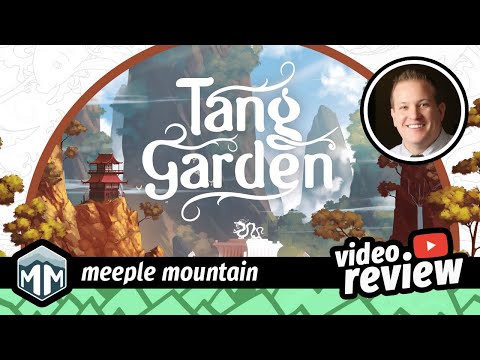

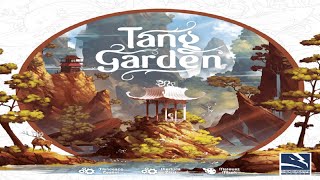


























Tang Garden Deep Dive
What the Community Thinks About Tang Garden
Tang Garden has earned genuine respect from board game reviewers for delivering both aesthetic beauty and meaningful gameplay. Reviewers appreciate that the game successfully embeds its theme into mechanics rather than relying on art alone. The consensus is clear: this is a game where gorgeous presentation and solid game design work in concert, not at odds with each other. Reviewers note that while Tang Garden clearly prioritizes visual appeal, the underlying design is strategic and rewarding, making it a game worth playing regardless of how it looks.
Core Mechanics That Define Tang Garden
Tile Placement and Garden Expansion
At its heart, Tang Garden is a tile placement game where players progressively build a shared garden by adding landscape tiles and decorative elements. Players must constantly make decisions about which tiles to place, as placement determines the available space for decorations and character positioning. The expansion of the garden is not passive; it requires intentional planning because adding tiles strategically unlocks future options. Reviewers highlight how this core mechanic creates satisfying puzzle-like moments where players ask themselves how to arrange the board to maximize their own scoring opportunities while considering what options remain for opponents.
Set Collection and Decoration Cards
Players collect decoration cards representing different types of garden elements: trees, water features, birds, and other natural components. These decorations score points when collected in specific combinations as determined by the character visitors. The set collection creates an engaging secondary layer where players balance immediate needs against future potential. Reviewers note that this mechanic feels thematic; you are genuinely building a cohesive garden where combinations of elements create beauty that appeals to your visiting nobles.
The Tang Garden Experience
Serene Beauty Meets Strategic Tension
What makes Tang Garden unusual is its tonal range. The game can feel peaceful and contemplative as players craft a visual masterpiece, with some reviewer groups adding music and playing in a relaxed manner. However, the same game can become surprisingly cutthroat, as players position tiles to block opponents' access to needed spaces or to deny them valuable garden areas. This duality means Tang Garden works for different table contexts. Whether played competitively or casually, the game remains engaging because the strategic tension never overshadows the joy of building something beautiful.
Gorgeous Production and Tactile Engagement
The physical components elevate the entire experience. Reviewers consistently praise the three-dimensional trees, the panoramic backgrounds, and the transformation from blank canvas to complete garden. One reviewer notes they rarely felt compelled to photograph games, but Tang Garden's final state was so visually striking they took multiple photos. The game includes character miniatures with distinct designs, and players enjoy positioning these nobles to view the garden features they favor. The act of placement itself feels purposeful and aesthetically rewarding, not just mechanically necessary.
What Makes Tang Garden Stand Out
Character Line of Sight Mechanics
Tang Garden introduces a unique wrinkle: character placement matters not just for scoring but for direction and sightlines. When you place a noble in the garden, you must consider what they can see based on where you have positioned them. Specific characters have preferences; the Sword Dancer wants to see waterfall icons on the landscape, while the Poet seeks water terrain features. This creates memorable moments of spatial puzzle-solving. Some characters, like the Empress, penalize you if they see certain other nobles in their line of sight, adding another layer of consideration during placement. This mechanic forces players to think both about the garden as a whole and about individual character satisfaction.
Meaningful Theme Integration
Where Tang Garden distinguishes itself from other garden or nature-themed games is how thoroughly its theme informs gameplay decisions. Reviewers compare it favorably to games like Everdell and Suburbia, noting that Tang Garden's mechanics feel more integrated with the theme. When you choose a tile to place, you are not just optimizing points; you are genuinely deciding what the garden needs next. When you invite a visitor, their preferences shape your decoration choices. Even the influence track that governs new visitor arrivals has thematic weight; you invite more people by expanding and beautifying the garden. This coherence between theme and mechanics is what reviewers identify as setting Tang Garden apart from other beautiful games that can feel mechanically shallow.
Potential Drawbacks
Setup and Component Management
Several reviewers note that Tang Garden can require substantial setup time, particularly when played solo. The game involves many small pieces to organize, and the three-dimensional nature of trees and panoramic backdrops means the game takes up considerable table space. One reviewer mentions being the designated setup person in their household and confirms that solo play involves a significant commitment to assembly and takedown. This is not a pick-up-and-play game; it demands a dedicated gaming space and time investment beyond actual play duration.
Accessibility and Complexity for New Players
While reviewers praise Tang Garden's mechanics, some note that explaining the game to new players requires patience. The combination of tile placement, set collection, influence tracks, and character line-of-sight preferences can feel overwhelming on a first play. The game is not heavy in the traditional sense, but it has more moving parts than its serene aesthetic might suggest. Additionally, some find that the first play feels more about experiencing the beauty of building a garden, while strategic depth emerges only after multiple plays when players understand how to manipulate tile placement for tactical advantage.
If You Enjoy Tang Garden
Players who love Tang Garden often appreciate games that combine strong theme with attractive components and meaningful decisions. Suburbia offers deeper theme integration with city-building mechanics. Everdell provides comparable beauty with different mechanics in a woodland setting. Cascadia delivers another nature-themed tile placement experience with elegant scoring. Meadow, with its gorgeous watercolor artwork and resource management, appeals to the same sensibilities. Earth, a tableau building game with nature themes and strong engine-building elements, offers similar satisfaction in creating ecosystems.
What Reviewers Are Saying
"Tang Garden is a stunning game, and whether I win or lose I kind of don't care because it is just that gorgeous. Also something to know, I only have the base game but there are plenty of expansions."
— Our Family Plays Games
"When you're doing it you're like okay I'm doing this because I want to satisfy the empress or you know whatever it is. The way that things connect makes a lot of sense."
— Board Game Dad
"This is beautiful. That is a hundred percent the case but I really like the gameplay. I think even if it wasn't as pretty I would still enjoy it quite a bit."
— Allies or Enemies