/pic2566394.jpg)
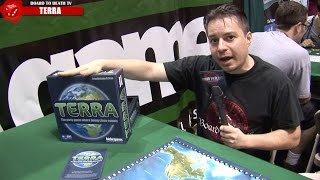
Game description from the publisher:
How long is the Golden Gate Bridge?
Where has “evidence" of the Yeti been found?
How many sculptures are on Easter Island?
It‘s likely that you don‘t know any of these facts. But you might have a rough idea, and that‘s good enough because Terra is the party game where being close counts. And if you have absolutely no idea what the answer is? Take advantage of your friends who do know!
Terra is a redesign of Friedemann’s 2009 SDJ-nominated FAUNA, which had similar mechanics, but was specific to animals. Terra changes the subject matter to general geographic information, includes a brand new Imperial measurements map side (retaining the Metric map side for gamers outside the U.S.), has 300 topics (with three categories of questions) on oversized cards, and simplifies the scoring. Terra plays in 45 minutes for 2-6 players.
(End of publisher's description.)
Terra is a trivia game with cards that ask three related questions, such as "where was the Woodstock music festival?", "what year did it take place?" and "how many people attended it?" A card is selected, and players take turns guessing the answers to the questions by putting tokens on the board in different areas, such as on a map of the world, a time line, or a number line indicating the number of people (as in the example). Points are scored for correct answers, but some points are also scored for close answers. Whoever has the most points after a predetermined number of rounds wins the game.

Look Back - 9/24/25

Altera Play Through | The Game Haus

Altera Live Play
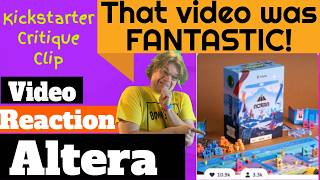
- It's a simultaneous play worker placement game.
- Starts with asymmetric factions.
- Features fun comboing actions.
- High replayability due to changing artifact and guild cards.
- Excellent value with free add-ons in the base pledge.
- Considered peak industry standard in its crowdfunding presentation.
- Publisher shows passion and authentic enthusiasm for the game.
- Viticulture
Mechanics (from transcript analysis)
- Action combos — It has this really fun comboing thing where you might, you know, place a worker, it activates an artifact, which activates your special ability on your card, and then you're just getting a million things.
- Asymmetric Player Powers — Every player is going to start with an asymmetric choice depending on which faction you choose.
- Card Drafting — There's 20 of the artifact cards. You're only playing with six of those types every round. And then there's tons of these guild cards, and you only see seven of those at a round.
- Dice Placement — I'm going to take dice behind the screen, place where I want to go on my villa board.
- Worker Placement — It's not just a worker placement game, it's also a simultaneous play worker placement game.
Video topics + discussion points
Quotes (from this video)
- I cannot believe we have made 16 with you.
- This makes my heart so happy. This is like the peak of industry standard.
- After the video, do I want it? Yes. Can you do it? Yes. How much is it? Yes. They have answered all three of the questions in that video.
References (from this video)
- Players tend to like it.
- Easy to teach.
- Stickers are available that reportedly make a big difference.
- Some players questioned if it's worth the price because it's quite expensive.
- The reviewer wasn't present to play it extensively.
Mechanics (from transcript analysis)
- area enclosure — Players aim to circle their entire city to double points.
- Sticker application — Stickers are available for the game which are said to make a big difference.
- tile laying — Players lay tiles to build their city.
Video topics + discussion points
Quotes (from this video)
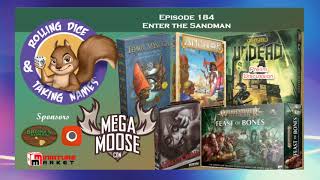
- Since H of sigmar came out you've had a problem because there's a faction that you wanted to play that you struggled getting an army together.
- The Army's beast carburetors by the way if you're familiar with ages Sigma and this is an army with an extremely low model count on the table and extremely limited unit choice.
- So they have these four grand allegiances now order chaos death and destruction.
- The other faction is brand-new like these models let this beast of bones box is your first chance to get a hold of these models and what are they they are called the Aussie arc bone Reapers.
- Doug has gotten Kapow - white wizard gaming that means it's gonna be able to get a lot more distribution
- So in that same theme same mechanic but instead of cards that you're using dice so I think it's a great arrangement relationship between those two entities
- The model starting at the bottom will go all the way through the top and can be used all the way the big game it's really smart this model that Games Workshop has put together.
References (from this video)
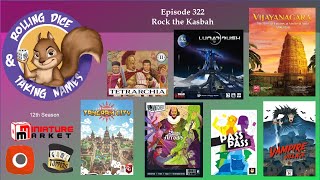
- Feels similar to Pandemic but with added combat.
- Quick setup and playtime.
- Strategic depth in managing actions and threats.
- Scalable difficulty with multiple setups.
- Good addition to a cooperative game collection.
- Adds a combat element missing from Pandemic.
- The first game might feel too easy, requiring a move to harder setups.
- Potential for rapid escalation of problems if not managed well.
- Cooperatively defending Rome from barbarian invasions.
- Rome during its decline.
- Pandemic
- Espa
Mechanics (from transcript analysis)
- Action Point Allowance — Players have a set number of action points (six) to spend on various actions each turn.
- Area Control — Securing provinces and borders against invaders is crucial.
- Combat — Players can attack barbarians, with bonuses from adjacent garrisons and penalties if the barbarians have adjacent revolt lines.
- cooperative play — All players work together to achieve victory conditions.
- Dice Rolling — Dice rolls determine the spread of unrest and the outcome of combat.
- Movement — Players move their Emperor and ships around the board to address threats.
- threat management — Players manage revolt and unrest tokens, which can escalate to riots and barbarian invasions.
Video topics + discussion points
Quotes (from this video)
- If you like this sort of thing let us know go to our Discord channel that you can find over at R iak names.com make sure to subscribe or join and if it's like oh wow you guys got a lot of stuff in I like this as opposed to listen you guys talk for 20 minutes about medical conditions and things that go on when you get old and jump straight into games instead.
- This is one of those games that will stay on my shelf for the again for the link the play and ease to explain the rules it I think it's just a really really good solid filler game.
- It's a fun stock market game hidden as a pickup and delivery game.
- Each of these are extremely unique.
- So far as of May 24 this is one of the best games I've played so far this year.
- This was definitely in May of 2024 you'll be on Tony's you know best games of the year list.
- Simple rules but cooperatively there's a lot of strategy and stuff going on as you play.
- Opening a pack of cards is like smelling a rainbow.
References (from this video)
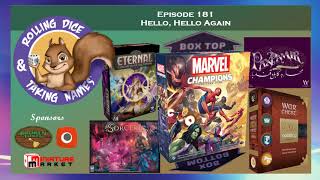
- Fast-paced gameplay due to immediate combat.
- Warp tokens allow for immediate unit deployment.
- Available as a digital app on multiple platforms.
- Lighter fantasy art style is appealing.
- Felt very similar to Star Realms.
- The immediate attack mechanic might not appeal to all players.
- Deck building with fantasy combat
- Fantasy
- Deck building with immediate combat
- Star Realms
- Shards of Infinity
- Hero Realms
Mechanics (from transcript analysis)
- Combat — Players attack each other directly or block incoming attacks.
- Deck Building — Players purchase cards from a central row to add to their deck.
- Resource Management — Warp tokens allow immediate deployment of purchased cards.
- Variable player powers — Cards have different colors and abilities that trigger effects.
Video topics + discussion points
Quotes (from this video)
- so we fancy flying inserts in the flying wing now we've gone to this holy cow oh and there's still a proof of purchase that even after decades we don't know what the proof of purchase does
- so I'm gonna compare this game against the other two Fantasy Flight coop LCG's I've played both they're from some of the same designer so I thought it'd be good to compare against those two I'm also going to ignore IP doesn't even come into play I'm just looking strictly at game mechanics and how I enjoy playing the game coming in third is the Lord of the Rings LCG it's starting to show its age even though it's still a very a game a lot of tweaks have been made over the past couple C G's to kind of fix some of the issues that I had with that game however I do like the Lord of the Rings IP the most of all so that's why I said early on I'm not gonna worry about the theme of the game just mechanics coming in second is actually Marvel champions which means coming in first is Arkham hara LCG I just absolutely love that game
- but the crux you're setting up minions you're fighting for battlefields the first person to claim two wins
- I just love one a sorcerer I just think the dark greedy art and that one is really good the eternal is good too but it has more of a lighter brighter feel the other one's just a really dark style of image which tells me which one is family-friendly
References (from this video)

- Good deck building game.
- Technically plays for, but perfect for two.
- Wouldn't play it with more than two personally.
Mechanics (from transcript analysis)
- Deck Building — It's a deck building game.
Video topics + discussion points
Quotes (from this video)
- Dual Powers is my number one it was dual powers like we live stream that back in 2008 we were in South Carolina and it released in February of 2019 to retail it delivered in 2018 to backers at the back end of 2018 but I checked with Keith and it's a 2019 release and Lizzie has never she's not stopped talking about this game like since we live straight dick
- School Kahlo is my number one for the year and it's I love the meatballs in school Kahlo and like the different guardians
- Blitzkrieg from PSC games Blitzkrieg is a two-player tug of war world war two in 20 minutes really great game honestly
- Cloud spire there's another one that I just we didn't get to the table and I really think it would have been potentially on the list had we been able to get at the table because it's a gorgeous game
- Oh eternal which is a deck building game from renegade and direwolf which is an app but that's a good building game technically plays for but it's perfect a to wouldn't play it with anymore personally
- Dual Powers is just the area of history I love areas in history that don't get enough attention that's for sure good enough love and the Bolshevik Revolution is one of those
- I love history more than Derek I'm gonna go on and say it's true
References (from this video)

- love it
- abstract strategy
Mechanics (from transcript analysis)
- abstract strategy game — abstract strategy game
Video topics + discussion points
Quotes (from this video)
- Settlers of Catan has probably brought more people into this hobby than anything else and for that I'm truly truly thankful I really am.
- Playing a solo game helps clear my mind... I find it quite a good form of meditation, a good way to get into that very important state of flow in my brain.
- The more intense it gets, often the more I can relax whilst I'm doing it.
- Hunting down gems like this, I know a gems and have to convince other people to play.
- It's the thrill of the hunt. It's the hunter and just like the hunter-gatherer in me going out and finding the rare exotic board, bringing it back, plucking its feathers, it's great.
- If you've got any board game adjacent hobbies, what do you do on your time away from the board? Let me know down below.
- There's enough people on this planet for more than one person to be interested in everything.
References (from this video)
- handmade wooden box and colorful, cohesive components
- short playtime suitable for two players
- promotes spatial reasoning and working memory
- multiple pattern orientations increase accessibility for kids
- two-player only limits group play
- some luck due to dice randomness
- can slow down if players take long turns or think deeply
- pattern matching and dice manipulation
- tabletop puzzle for two players; handheld wooden box with dice pieces
- abstract puzzle-focused with tactile components
- Yoho You Only Hang Once
Mechanics (from transcript analysis)
- Dice Rolling — roll blank dice to reveal patterns and attempt to match cards
- Hand Management — draw and discard cards to manage your pattern-hunting hand
- pattern matching — place and rotate dice to form patterns that match cards in your hand
- swapping dice — swap the positions of two dice to adjust the board layout
- Take-that interaction — opponent's actions can disrupt your plans by altering dice layouts
- turning dice — flip/turn individual dice to align with adjacent dice's color/pattern
Video topics + discussion points
Quotes (from this video)
- this is a neat little puzzly game
- the components are well done and the box is nice
- versa is a puzzle that changes every turn
- thanks so much to saberwolf for sending this little puzzle
- we had fun playing Versa
References (from this video)
- nice looking components
- cards with a whole bunch of text
- intrigued by the potential depth and theme
- potentially heavier with more rules than the author wants to teach
- Roman gens prestige; influence in the city; conquest of provinces; seven hills of Rome
- Ancient Rome
- ancient card game with area majority, hand management and worker placement
- Brass
- Steam Power
Mechanics (from transcript analysis)
- area_majority — players aim to have the most influence in key city areas.
- hand_management — players manage cards and resources to outperform opponents.
- worker_placement — players place family members to take actions.
Video topics + discussion points
Quotes (from this video)
- 24 games that I'm going to be talking about I'm going to go through them in alphabetical order
- my heart skipped a beat when I saw this on the list
- time will have to tell on that one
References (from this video)

- Martin Wallace game
- Interested in the theme
- Don't know much outside of the designer and theme
- A Roman family trying to increase your prestige through different eras.
- Roman era
Mechanics (from transcript analysis)
Video topics + discussion points
Quotes (from this video)
- we love unmatched we're planning still planning on doing it's it's coming I promise all the tournaments are coming
- I am obsessed with space I'm obsessed with the scientific like creation of the universe and how that all happened
- it's a cozy board game celebrating the introverted book lover in all of us
- you're going through nine circles of hell trying to like bring back souls and that sort of thing and that theming has always been really cool to me I love this the concept of Hades and like that whole lore the river sticks all of that stuff
- I love any witchy theme I love potion themes
- it's Everell but for two players
- again talk about Publishers that nail it for me every time uh Capstone is one of them
- please if you see us stop us say hello unfortunately we don't have time to play games with everyone our schedules are usually very busy at these conventions but we will always have time to stop and say hello and to chat with you for a little bit
References (from this video)
- Works almost identically to Coloretto but with a different scoring system
- Hidden wolves expansion adds interesting elements
- Always goes down well
- Going over three tiles in a set starts incurring negative points.
- Animals
- Coloretto
Mechanics (from transcript analysis)
- Push Your Luck — The scoring system encourages careful pacing to avoid negative points.
- Set Collection — Players try to create sets of three animals, which score points until they go over three, then become negative.
- tile drafting — Players draw tiles and place them in rows.
Video topics + discussion points
Quotes (from this video)
- this is where I talk about all of the games that I have played over the last couple of weeks
- Lorenzo and I think this was the first time I've ever played the game at four players I think three is the sweet spot if I'm honest
- this is still one of the best engine builders out there I love this game I think it is terrific and it is still a top 10 for me
- I think my strategy was mainly based on the buildings here so I got quite a few buildings down and I manag to push right to the top of the building track
- for me this is one of the kind of modern Euro greates because it's just so well refined and so well polished and every time I play it I'm just left impressed
- this one I always say is probably one of the cleanest examples of having a lot of things going on in such a streamlined system
- it really is an efficiency puzzle because there's only like two rounds and there's very little slack and very little kind of room for or you know to make mistakes or you know not be efficient
- I would say maybe the longevity isn't quite there
- this one I'm definitely encourage you pick up if you want to try something a bit different I'm definitely being overlooked and underrated because it's a very well-designed game
- this one I always compare to the famous coloretto works almost identically to be honest except the scoring system is different
- it feels like a a clean Evergreen and if you want a simple easily easily approachable card game in your collect that pretty much anybody can play actually it's it's super simple but still engaging
- splitter a game I've not played a lot recently actually but I always Advocate this little roll and white
- it's really good fun extremely punishing actually if you make a mistake
- Rat Jack a game I speak quite highly of when I when I first played it and reviewed it I still really like this game
- if you like those kind of pushy luck black Jack style games but with a lot more interaction and some take that then rat Jack is a good one to look at
- I have to admit I was very I would even say lukewarm I was quite cold in it to be honest I didn't get a lot of enjoyment from it
- I did I still did not enjoy this one I think it's a little bit too fussy and a bit too fiddly
- I'm not a big fan of this build a poah hand system and based on these cards because you don't know what's going to come out next and you don't really know what to you know to work towards
- I find the um the symbology very tiny and it's not the most comfortable to look at
- I find it a a little bit too swingy and too luck dependent
- it kind of just feels like the game is playing you
References (from this video)
- Tight gameplay
- Interesting interactions
- Classical Euro feel
- Variability in card availability with more players
- Makes players feel clever
- Engaging planning phase for actions
- Can be punishing and mean
- The unrest track adds pressure
- Mistakes on the unrest track can be severely detrimental
- Not a game for those who prefer to mostly do their own thing
- countryside theme
- BRS
Mechanics (from transcript analysis)
- Area Majority — Players try to get majority in different hills to gain points and bonuses, but being too dominant can lead to revolt.
- Card Drafting — Players start by drafting cards, which lays the base for their possibilities in the round. This includes a mix of building cards and war cards.
- Hand Management — Playing cards is a key action, and managing resources and card synergies is important for executing strategies.
- Resource Management — Players need to manage resources like coins, grain, and stones to play cards, build, and avoid penalties.
- Set Collection — The game includes elements of set collection as a way to score points.
- Worker Placement — Players place workers on the board to build buildings or gain majority in different hills for bonuses. The availability of workers is described as super tight.
Video topics + discussion points
Quotes (from this video)
- This is a new game from Martin Wallace.
- This is a review copy sent to us from ARS Games.
- It's such a seen nothing like it before. It's a very new thing here on YouTube. Board Game YouTube. Never seen before.
- This game is super tight. It is like brainmeltingly tight. So much tighter than I imagined.
- The best part of this game is this track
- Because balancing this makes the game as tight as it is.
- This feels like Stefan Fel signed it.
- For me, what makes this good? It's very good with three. I wasn't sure if it was going to be good with four. I would say for me it was even better with four.
- It's a really fun game.
- I'm going to land on this to a 7.5.
- I can feel really clever with some of my moves in this game. I can be like, "Haha, I did a cool thing." and then you can do a thing. I'm just like, "Oh, I was so stupid. Why didn't I see this coming?"
References (from this video)

- amazing card shapes
- collection / set collection
- Set collection with fancy cards
- unknown
Mechanics (from transcript analysis)
- Set Collection — Players collect cards to complete card sets
Video topics + discussion points
Quotes (from this video)
- it's time to log these all into BGG, and we will see you next time.
- the trump changes based off of the phases of the moon
- Has English rules, but it's in Japanese.
- I won that by pulling a duck out of a hat.
References (from this video)
Mechanics (from transcript analysis)
Video topics + discussion points
Quotes (from this video)
- Tureaki was awesome.
- I love Aleif. He's like my favorite Euro designer.
- Darwin's Journey. I actually love this game.
- It's definitely the best pandemic ever, and it is definitely extremely thematic.
- I hardly ever play old games.
- Boop, love it.
- it's not going to hit the table anymore.
References (from this video)
- Cool mech-building concept and visual appeal
- Prototype complexity; organization of campaign mechanics unclear in prototype
- mech building and equipment customization
- giant mech battle
Mechanics (from transcript analysis)
- enemy/level-up progression — campaign-style progression with enemies leveling up and players leveling up
- Engine Building — build and outfit mechs with different items
- mech-building and equipment customization — build and outfit mechs with different items
Video topics + discussion points
Quotes (from this video)
- I love the variety in the modules.
- This is one of their great ones where you have tons of different factions to try out.
- Santorini with the Riddle of the Sphinx expansion.
- The big negative here is that Santorini by itself you got to buy; then you also have to buy the expansion and it is getting a bit expensive.
- I still really like Veil of Eternity, but it didn't fit with my game groups.
- Earthborne Rangers has some things that puts it above Arkham and some things that puts it below for my taste.
References (from this video)
- art style is appealing
- bag-building + worker placement is a compelling combination
- unclear how gameplay will actually land
- bag-building, worker placement
- world of 10
Mechanics (from transcript analysis)
- Bag Building — bag-building combined with worker-placement in a Euro-style design
- bag building + worker placement — bag-building combined with worker-placement in a Euro-style design
Video topics + discussion points
Quotes (from this video)
- I'm not an RPG person.
- It's DC, Justice League, all those things are great.
- I like Mindbug. I like Mindbug a lot.
- The unique theme, the presentation designed by Danny Garcia, it definitely has me interested.
- Alterra from IV Studios. Set in the world of 10.
- I am very interested. Again, I have no idea whether this game will land for me or not.
References (from this video)

- Visually beautiful
- Extremely light and easy to play
- Cleanses the palate and reduces stress
- Could use a bit more 'funkiness'
- pagoda garden
Mechanics (from transcript analysis)
- action selection — Taking a tool that gives a special action or allows taking pieces.
- Set Collection — Collecting different types of garden elements.
- Tile Placement — Placing pieces on a personal board to create a garden.
Video topics + discussion points
Quotes (from this video)
- And after the last few lists, videos, podcasts, and particularly the last review for Deepon, which uh I'm still dealing with the ramifications of that from the uh various people on the internet, but I feel like it's time we go to something a little bit more mellow, little bit softer.
- So, these are games when I'm playing them I feel like you know that you can almost just it's a bit like having a nice massage.
- And yeah, all of these are just nice games.
- generally a relaxing game is going to be a lightweight game.
- It's just so light and fluffy. How can this not be on the list?
References (from this video)

- It is a pretty in your face game.
- It's fun.
- Was pretty good at this game.
- It's a good one.
- Was on the edge about keeping it.
- Not enjoyable if on the receiving end of the meanness.
- Leaving the collection.
Mechanics (from transcript analysis)
- Area Control — Players place workers in areas, and going to an unpopular area can result in negative points.
- Worker Placement — Players place workers to take actions.
Video topics + discussion points
Quotes (from this video)
- It's a good one. Next up is another good one called Formosa Tea.
- It's a flip and cube placing game.
- This is the one that I wanted us to get.
- This is the way that doesn't spill.
- It is a longer game. I would have liked to play it but there is too many games so we're not playing it.
- He played it when it arrived. We never did.
- it's supposed to be fun, but there are so many fun games.
- this made it into the top 10 from last year.
- I love the worker placement like bidding that you bid with work.
- But I like so much about it. I just don't like how long it is.
- So even though I love and adore it, I don't think I will play it again.
- my number one game from last year was galactic cruise. Galaxy Cruise.
- And those are 20 more games leaving the shelf for different reasons.
- And if you have too many games, take a hard look on yourself and see if there's something that you don't really need to have there because I promise you it feels good.
References (from this video)

- Set in the beautiful world of Tended.
- Gameplay reminiscent of Honor's End.
- Involves engaging bag building and worker placement.
- Games from Ivy Studios can sometimes follow similar themes and mechanics.
- Reviewer is still mixed on the base game, Tend, but loves its world.
- Set in the world of Tended, similar to Honor's End.
- World of Tended
- Honor's End
- Tend
- Mythic Mischief
Mechanics (from transcript analysis)
- Bag Building — Features bag building mechanics.
- Deck Building — Features deck building mechanics.
- Worker Placement — Involves worker placement.
Video topics + discussion points
Quotes (from this video)
- My number one in this video, meaning the one I am most excited about, is the impetus for this video.
- I like Legacy games as an experience.
- It's one of those things that I managed to get a sense of seeing the way things chain and interact with each other. But, I don't fully get a sense of it until it's on my table and I'm making those decisions and thinking through the actions.
- I've been pulled in more by games that are easier to table than games that are more complicated and possibly more rewarding.
- Single session does not a review make.
- This is my most anticipated Awaken Realms game, not even a question.
References (from this video)

- paralysis for more than two players, but I think it would be better at a higher player count
Mechanics (from transcript analysis)
Video topics + discussion points
Quotes (from this video)
- I almost hugged him. Yeah, he was right there.
- We funded. Yeah. Thank you, friends, we hit our funding goal, went over it actually, and you're going to get a full season of Commander Party, the full freaky season coming up real soon.
- The bar is so low.
- This is why we need to pay attention to chat. This is why the community is so important, okay?
- I was trying to be cool. I can't be cool on this show.
- Rado literally does this ranking of all his games as a collection every couple of years. So he has his top 100 right now, but he's like so precise. Yeah.
- This is the cats of New Orleans from Grey Box Games.
- It's a wonderful abstract puzzle game that's actually a one v one shoot-'em-up game
- My goodness, I think this might be perfect.
- So, we're going to end phase. Nice shot, Bonds.
- I tried to help.
- I really enjoyed this type of shooter game because it's more puzzly than the usual shooter game.
References (from this video)

- Bag building
- Dice are preferred over cards
- Worker placement spaces change each round
- Great track interaction
- Not for you if you're looking for a thematic experience
- gaining influence for the high council seat
- Alterra, the festival
Mechanics (from transcript analysis)
- Bag Building — All dice you buy go into your bag and each turn you will draw from it and roll them.
- Dice Placement — secretly placing dice to place your workers to get points.
- Track Advancement — Rewards let you move up a lot of different tracks.
- Worker Placement — send those emissaries to the board getting rewards.
Video topics + discussion points
Quotes (from this video)
- These are the best board games we played this month, but how good are they?
- At the end, we're going to rank each of them in either my collection if you love them or other collection if it's not for us.
- And at the very end, we're going to tell you which game deserves the game of the month title.
- This board game promises to replace D&D.
- This game might not be for you if you're looking for something complex, rules heavy. It's not. It's actually a light experience that I loved.
- This game might not be for you if you're looking for a thematic experience. It is not. It's an abstract yet gorgeous game that I would be always willing to play.
- It's super cozy because you cannot lose the game. It's just your story.
- Yeah, I'd say it's 10 out of 10.
- When you know this game is not for you, if you look at the cover and are like, "Eh, what is this?" Then this game is not for you. How it looks is how it plays. And it plays very well for me.
- The best part for me is the ease of play.
- While this game might not be for you, it's not a very deep experience, but it doesn't matter. It's a quick game to pull out and play with your friends whenever they come around.
- This is a two to four player, 30-minute game, light game about catching Pokémon. And it's generally Splendor, just Pokémon pasted on top of it. Yet, it's very unique in that.
- The bad thing, this is only available in South Korea.
- If you love Pokémon, then this is a must-have. If you don't love Pokémon, well, what's wrong with you?
- I got this because I love the TV series, and those were full of intrigue and politics, but this really isn't.
- This game is not for you if you want, well, a board game. This is an experience, an epic experience, which I freaking love
- Why this might not be for you is because it's just maybe too simple rules-wise and a lot of luck of the draw, but other than that, it's great and it scratches that card building tableau itch.
- We have to pick one game of these to place as the game of the month.
- All right, Lands of Evershade, the game of the month. Try it out. At least check it out.
References (from this video)
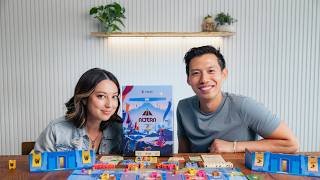
- The game has good strategic depth through dice placement and resource management.
- Dice upgrading and artifact cards add replayability and interesting choices.
- The two-player variant with the ghost provides good interaction.
- Ties are handled in a friendly manner where both players gain rewards.
- The catch-up mechanism in guild clashes helps keep the game balanced.
- A slight mistake was made regarding the cost of a tablet, requiring a correction.
- The value of low-tier dice (level zero and one) becomes questionable in the late game.
- Securing a spot in the High Council by earning reputation.
Mechanics (from transcript analysis)
- Area Majority — Guild clashes involve competing for the highest token in specific areas to gain rewards.
- Card Drafting — Artifact cards are acquired by spending shards, providing unique abilities.
- Dice Improvement — Players can spend influence or other resources to recruit better dice over the course of the game.
- Dice Rolling — Players draw and roll five dice from a bag at the start of their turn.
- Push Your Luck — Players might decide whether to reroll dice or use limited resources to improve their outcomes.
- Set Collection — Players collect various resources like coins, shards, and influence to achieve goals or upgrade dice.
- Variable player powers — Each player starts with a unique faction ability.
- Worker Placement — Players place their worker figures on specific board spaces corresponding to their dice rolls.
Video topics + discussion points
Quotes (from this video)
- The white ones are the worst ones. So, you could technically trash those those ones to get better dice later on.
- We have to compete the ghost of our past.
- I just realized that me saying ketchup mechanic like it sounds like ketchup.
- This is a very close game.
References (from this video)
- Changes the way you hear everything
- Follow your own path
- Wonderful colorful post-war world
- Wearing shoes on hands is part of it?
- Ascension Festival, vying for position
- Post-war world
Mechanics (from transcript analysis)
- dice worker placement — You are going to be doing dice worker placement to take actions with various guilds ascending up those tracks, getting better dice, upgrading things, managing your resources, getting awesome artifacts.
- Track Advancement — Ascending up those tracks, getting better dice, upgrading things.
Video topics + discussion points
Quotes (from this video)
- This is our mid-year Oscars.
- This is really like the pre-Gen Con the pre-convention season list.
- So, number 10 is going to be a game that I didn't uh know anything about until I saw it pop up on Board Game Arena.
- Cascadia: Alpine Lakes. This should be delivering very very soon.
- This is a standalone version of Cascadia, where not only are you building out, you're now also building up.
- I really enjoyed the 3D aspect of it. But then you still have that kind of Cascadia goodness.
- This is Lord of the Rings: The Two Towers trick-taking game.
- This is probably truly my favorite.
- It's a cooperative trick-taking game uh that is set in the Lord of the Rings story.
- In this one there's three storylines going.
- simple polyomino game.
- cozy game for the moment for us.
- It messes with my head in a good way that I really like where it's still super super simple, super easy.
- Trismegistus second edition, baby.
- This game is really, really heavy in general. Like it's just It's one of their heavier games.
- your head will be thumping after this one.
- And now it's all reinforcing stuff. So I can I'm like oh, I know how this works. This is all this is all intuitive and makes sense.
- I think it's awesome. Like I'm so glad this was like I did never expect them to do a redo of this.
- So it's our favorite of the year so far.
- Our July is jam-packed. It's ridiculous. Absolutely jam-packed with playthroughs many of which are going to be games that are releasing at Gen Con.
- Get your favorite picks in the comments below for what you've enjoyed this year so far.
References (from this video)
- Highly enjoyable gameplay
- Aligns with designer's philosophy
- Most Euro-style game from the publisher
- High player interaction
- Smooth to teach
- Streamlined, no-bloat design
- High production quality
- Theme may not be very prominent
- Faction Alliances
Mechanics (from transcript analysis)
- Bag Building — Upgrading dice and getting better versions, diversifying colors or going hard into one color.
- dice worker placement — Rolling dice and using symbols or colors to go to different worker placement spots.
- Track Advancement — Moving up tracks to meet goals, get benefits, and score points.
Video topics + discussion points
Quotes (from this video)
- I like the idea of building out the dungeon and trying to make it all work, you know, within your pattern goal, but then also having the corridors and stuff line up, you know, so where you can make your way through the dungeon to make other goals.
- There was nothing about this that I I couldn't think of anything positive to say.
- This looks great, right?
- It manages to feel like it will be strategic and engaging and cozy.
- This is This is a bag builder where you're like you're making your own your own bag where you're upgrading dice. You're getting better sewing.
- It's the most euro, I think, of any IV Studio game.
- I like the look. I like the sort of 80s action movie post-apocalyptic thing.
- This stupid super early bird thing. You are upsetting everybody outside of a hundred people.
- That is bull.
- You've alienated all these other people because as interested as I am in this, there's no way I'm buying it right now for $100 when I know people in this very project got it for 60.
References (from this video)

- Enjoyable puzzle, even if long
- Unique unrest mechanic adds tension and replayability
- Beautiful production and iconography
- Straightforward rules and player aids
- Good variability with card drafting and randomly placed buildings
- Enjoyed the engine-building aspect
- Can run long, especially with four players
- Stone was a difficult resource to obtain
- Money could be scarce at times
- The unrest mechanic can be stressful
- Players may hoard objective cards for a big swing at the end
- Expansion and unrest in Roman provinces
- Roman era Italy
- Brass
- Empire's End
- Agricola
- Caverna
Mechanics (from transcript analysis)
- Area Control — Players compete for influence over different provinces (hills) on the board.
- Doom tokens — Tokens received for high unrest, resulting in significant negative victory points.
- Drafting — Players draft cards at the beginning of each round.
- Resource Management — Players manage resources like money, stone, wheat, and citizens to perform actions and build.
- Set Collection — Collecting different types of cards for victory points.
- unrest track — A track on the board that increases as players take certain actions, leading to negative consequences and potential elimination.
- Worker Placement — Players use citizens (workers) to take actions, influence hills, and construct buildings.
Video topics + discussion points
Quotes (from this video)
- If you've never played, honestly, this is a really good place to start.
- It's like, 'Oh man, I just need one gold. Where do I get the gold?'
- The thing about the doom tokens is is the way the unrest track is set up.
- The funness is the unique factions.
- You sank my battleship!
References (from this video)
- Satisfying design integration.
- Strategic depth with dice management and objective cards.
- Can be overwhelming for new players due to the number of options.
- Ascension festival
- Post-war world
Mechanics (from transcript analysis)
- dice bag building — Players draw dice from their bag to take actions. [20.88]
- Dice Drafting — Players acquire new dice throughout the game to add to their bag. [729.28]
- Hand Management — Players manage their dice pool and acquired cards. [915.60]
- Set Collection — Players collect cards that represent objectives, which are endgame scoring conditions. [772.72]
- Track Advancement — Players move up tracks to impress guilds and gain prestige (victory points). [110.96]
- Worker Placement — Players place dice on a central board which then determines where workers are placed. [20.88]
Video topics + discussion points
Quotes (from this video)
- I was thinking red would be like violence and and anger, but no, it's art.
- And so, we're going to be doing our very best by moving up these tracks, which is obviously how you impress a guild.
- So, for the people at home, we have these boards here.
- Once you pop, you can't stop.
- Read the rules. Read the council.
- I don't think that's right. I refuse. I refuse.
- The dream ended for me right here.
- Mike, I I'm sorry. I'm like so trying to keep track of everything.
- This is a coin. This is anything I want.
- And then we're going to spend some money and it is Mike first and [clears throat]
- We are playing a game. All the spaces are worth two.
- I want to remind myself that I have that because I forgot I had it.
- It's all about it.
- I'm sorry, guys. I forgot we were playing a game and didn't slot a die, which I should probably do.
- I'm sorry. I'm like so trying to keep track of everything.
- It's super close. It was very close.
- You're number 15 on 20. So, you do you choose first. But if that informs your decision at all, know that I've got four steps.
- He might just tie you because he can go up four times if he uh if he does it that way.
- I cannot compute what just happened.
- We are at the UN meets uh the Olympics.
- It's a friendly chaos.
- Read the council.
- Culling your bag.
- Trash is its own reward.
- The artwork on the cards match the board.
References (from this video)

- Balances strategy with excitement and 'what ifs'
- Plays relatively quickly (around 90 minutes)
- Players upgrade dice and buy cards/tokens for special abilities
Mechanics (from transcript analysis)
- Bag Building — Players start with weak dice in their bag and throughout the game buy better dice to add to their bag.
- Dice Rolling — Each round, players draw dice from their bag, roll them behind a privacy screen, and use them for actions.
- Set Collection — Players buy cards and tokens for their special abilities to upgrade in various ways.
- Track Advancement — Workers assigned to spots on the board help players move up tracks.
- Worker Placement — Dice rolls are used to assign workers to various spots on the board to gain resources, benefits, and move up tracks.
Video topics + discussion points
Quotes (from this video)
- To me, the best board games have a lot of strategy, but they also have bursts of excitement and what ifs.
- Oh, I love a strategy game that still plays pretty quickly.
References (from this video)

- Has strategic oomph compared to Quacks or Cubitos
- Great replayability with variable setups
- Asymmetric player powers
- Immaculately produced
- Plays slick
- Competing for prestige and a spot at the High Council
- Quacks
- Cubitos
Mechanics (from transcript analysis)
- Area Control — Vie for control over various guilds.
- Dice Drafting — Collecting and curating your pool of dice to both take actions on the board and to acquire resources to power your engine.
- Engine Building — Acquire resources to power your engine.
- Set Collection — Placing emissaries to accrue influence.
Video topics + discussion points
Quotes (from this video)
- Hi, I'm Alex and I get to preview board games before they even come out so that you can decide whether you want it or not.
- follow me for more board game recommendations.
References (from this video)
- Offers a sense of progression through dice and artifact upgrades.
- Provides meaningful choices for players.
- Has engaging player interaction through guild clashes and competition.
- The game's progression feels impactful and rewarding.
- Tight resource management is a key element.
- Vying for a seat on the high council by currying favor with guilds
- Post-war society
Mechanics (from transcript analysis)
- action selection — Players simultaneously choose a die and an action space, then reveal and resolve their actions.
- Bag Building — Players start with a bag of dice and can recruit or upgrade dice, adding them to their discard pile to be shuffled back into the bag.
- Dice Placement — Dice are rolled and then placed onto action spaces on the board or guild cards to activate actions.
- End-game scoring — Completed objectives at the end of seven rounds grant bonus prestige.
- Set Collection — Collecting artifacts and potentially sets of dice or objectives contributes to scoring.
- Track Advancement — Players move their markers up various guild tracks and the high council track to gain benefits and prestige.
Video topics + discussion points
Quotes (from this video)
- I'M ABOUT TO ALTER YOU A NEW ONE.
- We're looking up the best donut shop in town and going to find out if it's really the the best.
- Donut brain, dude. He got donuts for brains.
- This is your brain on donuts.
References (from this video)
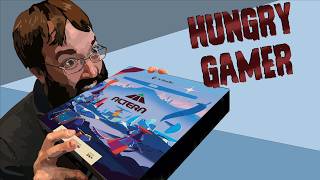
- Love bag building, dice bag building, unique dice, and dice worker placement.
- Cool how emissaries are placed behind a screen.
- Leftover dice do other things.
- Relatively low conflict.
- Factions play slightly differently.
- Gaining objective cards changes up play.
- Guild clashes are fun with the track reset.
- Bonuses on tracks are less expensive the higher up you are.
- Worker placement spots change each round.
- Unique crystal shard components.
- Beautiful prototype production.
- Quick, snappy, satisfying gameplay.
- Cleverly made Euro game.
- Replayability due to changing spaces each round.
- Pretty much multiplayer solitaire.
- A lot of icons to learn.
- Least thematic of the IV Games played; feels mechanics-first.
Mechanics (from transcript analysis)
- Area Majority — The guild clashes involve players going up tracks, and the player at the top gets a reward, suggesting an area majority element on those tracks.
- dice bag building — The game is a dice bag building game where players draw and chuck dice from their bag.
- Dice Drafting — Players draw dice from their bag and then chuck them, implying an element of dice drafting.
- Modular Board — The worker placement spots change out each round, providing variability.
- player powers — Factions provide different starting stuff and a once-per-round power.
- Set Collection — Objectives require specific combinations of resources like coins and crystals to gain prestige, indicating set collection.
- Simultaneous Play — The game utilizes simultaneous play for drawing and deploying workers.
- Variable player powers — Each faction's unique powers and starting resources make them play slightly differently.
- Worker Placement — It's a worker placement game where players deploy emissaries to spots on the board.
Video topics + discussion points
Quotes (from this video)
- This might be their best game yet. I really dig this game.
- I am bumfuzzled by how much I enjoy this.
- It's quick, it's snappy, it's satisfying.
References (from this video)
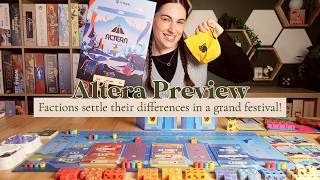
- The shards are very pretty acrylic crystals.
- There are 20 different artifacts that can be used, with only six chosen per game, adding variety.
- There are 12 different factions to choose from, offering asymmetric gameplay.
- The game has a clear win condition: having the most prestige.
- The objective cards provide an additional way to score prestige.
- The round structure with six phases is well-defined.
- The game offers tactical depth with dice mitigation and re-rolling options.
- The benefactor tokens offer powerful ongoing abilities.
- The prototype components are subject to change.
- The Ascension Festival, a festival where great factions gather to resolve rivalries, negotiate power, and shape the future of the world.
- The city of Alterra, a mountain city
- Tend
Mechanics (from transcript analysis)
- dice bag building — Players build a pool of dice by drawing from a bag and replenishing it from a discard pile, akin to deck building.
- Set Collection — Players aim to collect sets of dice or achieve objectives for victory points.
- Simultaneous action selection — Many phases are played secretly and simultaneously by players, followed by a reveal.
- Track Advancement — Players advance on various guild and council tracks, which grant rewards and influence.
- Variable player powers — Each player chooses an asymmetric faction with unique abilities.
- Worker Placement — Players assign emissaries (workers) to action spots on the main board or guild cards, with requirements based on dice.
Video topics + discussion points
Quotes (from this video)
- Alterra is a dice bag building game with some worker placement.
- The Ascension Festival is basically a festival where great factions gather to resolve rivalries, negotiate power, and shape the future of the world.
- these shards are probably the prettiest components that I've seen in a game in a really long time.
- This is a simultaneous game, so pretty much every single phase during a round is going to be played simultaneously and secretly behind your shield.
References (from this video)
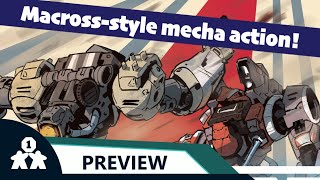
- Card play is really neat
- Unique robots are great
- Enemy pilots leveling up seems epic
- Fun time playing
- Giant mech combat
- Space
- Arkham Horror Third Edition
Mechanics (from transcript analysis)
- Action Point Allowance System — Players activate jackets using energy by playing cards, with actions limited by available energy.
- Bag Building — Players draw tokens from a bag which can activate drones, enemy jackets, or trigger other events.
- Campaign play — The game is described as a campaign giant mech combat game with different scenarios called sorties.
- Component Damage — Enemy mechs have multiple components that can be damaged and destroyed individually.
- Countermeasures — Different colored countermeasures can be spent for various effects, including defense and offense.
- Damage Tracks — Jackets have three damage tracks, and are not destroyed until all are gone.
- Deck Building — Players use unique decks of cards which they play from and add to over the course of the campaign.
- Enemy AI/Behavior Deck — Enemy activations are controlled by behavior decks, which determine their actions.
- Modular Board — The maps are made of three foldout books that can be configured in different ways.
- pilot progression — Pilots level up throughout the campaign, and enemy pilots also level up and gain new abilities.
- Scrapping Cards — Some powerful cards are trashed to a scrap pile after use and can only be retrieved through specific effects.
- Status tokens — Various tokens (accuracy, targeting, energy, malice) are used to track effects and abilities.
- Terrain effects — Different terrain types (difficult, blocking, concealing) affect movement and line of sight.
- Variable player powers — Each jacket has unique starting cards, a special mode, and different damage tracks. Pilots also have unique art and abilities.
Video topics + discussion points
Quotes (from this video)
- I just want to help you make an informed decision.
- This is very much a prototype. Uh the rules are prototype. I'm not an expert on the gameplay, so I might make some mistakes.
- The way that the enemy pilots level up seems like it's going to be pretty epic.
- But I had a fun time playing.
References (from this video)

- Unique art style ('pre-Colombian sci-fi').
- High strategic depth with variable elements.
- Asymmetry provides significant replayability.
- Satisfying engine building with dice.
- No metal dice included in the standard edition.
- Ascension Festival, factions competing for a seat on the High Council.
- New world
- Unique IP with 'pre-Colombian sci-fi' aesthetic.
Mechanics (from transcript analysis)
- asymmetric factions — 12 asymmetric factions with unique starting abilities.
- Bag Building — Mentioned as a mechanic in the game.
- Blocking — Worker placement spots can be blocked once occupied.
- Dice mitigation — Players can change the color or face of dice to strategize.
- Dice Placement — Players use dice as workers and place them on action spots.
- Hidden Information — Implied by the nature of dice games and player strategy.
- Worker Placement — Variable worker placement spots change each round.
Video topics + discussion points
Quotes (from this video)
- I think that the worst thing that we could possibly do is bore you.
- We're going to make a game that a lot of people don't like and that is totally fine.
- It's all about the tracks. Just like it's all about the cones. It's all about the tracks.
- I think that anyone can be a game designer. And so a lot of times they're flexing those muscles that they don't know they have by telling you how to fix your game.
- I love fusing two things that aren't aren't usually together. That's where you find new.
- The skill ceiling is pretty high, which is kind of interesting given that it is a dice game and you'd think like, wow, the the variability in the dice rolling uh would make it super variable, but no, like Toby's just better at this game and he's going to beat me pretty often.
- I want to be like thinking about something the whole time, you know? I want to be doing something.
- He never wants somebody to mess to mess with his plans. In your games, people mess with plans, which I love.
- We're really proud of where that ended up.
- So, it's like, 'Oh, I can't spend I can't spend my coins anymore because that's points. I got to hold on to those.'
- It's my favorite of our designs. I love it. I'm so happy that it is delivering.
- I don't want to be that guy [the quarterback]. But I can't stop myself.
- The fun part is is we don't lose the collaboration because there's literally a phase at the top of everything.
- It solved another issue for me too, which is I am recognize this myself. I am a quarterback co-op player and I hate that about myself.
- The breakthrough in that project was how do we make it not feel just like we we pasted this over top of Moonrakers.
- So, there's there's a resource that literally is you can change the color or you can change the face of any of your dice and and that is a huge strategy and a huge part of winning is manipulating your dice at the right time and saving them for the right moments.
- The skill ceiling is pretty high, which is kind of interesting given that it is a dice game...
References (from this video)
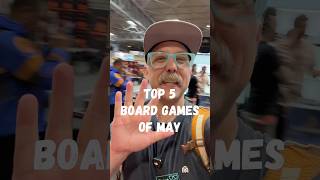
- has bag building, dice, worker placement, and going up tracks smooshed into one game
Mechanics (from transcript analysis)
- Bag Building — The reviewer explicitly states 'I love bag building'.
- Dice — The reviewer explicitly states 'I love dice'.
- Going up tracks — The reviewer explicitly states 'I love going up tracks'.
- Worker Placement — The reviewer explicitly states 'I love worker placement'.
Video topics + discussion points
Quotes (from this video)
- Here are my top five board games of May.
- I love finding unique games, and Tatsumi is very unique.
- I love bag building. I love dice. I love worker placement. I love going up tracks. Alterra has all of those things smooshed into one game.
- I'm going to put out a full video on it in the next few days, but man, I love this game.
References (from this video)
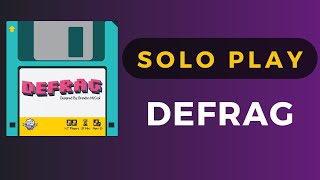
- engaging and tight puzzle that rewards careful tile/icon management
- short playtime with a clear, satisfying loop
- thematic production and presentation evoke a floppy-disk aesthetic that fits the theme well
- network and save mechanics add interesting twists without overcomplicating the core loop
- clear, on-theme rules and a wipe-off score area help the game feel thoughtful and polished
- the video demonstrates a single round, which may not fully convey long-term strategy or replayability
- the abstract scoring system can be a bit opaque until you play through a few rounds
- Array
- Tech-themed puzzle world
- instructional demonstration
Mechanics (from transcript analysis)
- End-of-round/Defrag Scoring — When the deck runs out, the active player chooses a file type to score, ensuring only one stack of that type remains and counting the active icons of that type.
- Icon Pattern Matching — Scoring and stacking are driven by matching icons across edges of adjacent cards; when icons match, cards can stack.
- rotation/flip — When placing a tile, the player can rotate or flip it to change which icons are active, enabling new matching opportunities.
- Special Action: Network — A network action allows moving a card from anywhere in the grid to any position in the row or column where the new card is played, facilitating rearrangement.
- Special Action: Save — The save action lets a player remove one card from a row or column and place it in a safe area, effectively adding a 'third card in hand' later in the round.
- Tile Placement — Players place tiles/cards on a grid adjacent to existing cards, with orientation that can be rotated to align icons for potential scoring.
Video topics + discussion points
Quotes (from this video)
- this is basically a tile placement game
- i'm really enjoying the puzzle of it
- it literally looks like a floppy disc
- deck Runs Out you must choose one of the file types to score
- Network you may move one card from anywhere in the grid to any position in the row or column where you play this card
References (from this video)

- rich artwork and production
- deep mechanics with high strategic upside
- strong integration of theme and mechanics
- very heavy and lengthy learning curve
- high-stakes political and territorial negotiation
- epic, city-building within a strategic empire framework
- lore-rich and strategic with deep inter-player interaction
- The Old King's Crown
- Fate of the Fellowship
Mechanics (from transcript analysis)
- Area Majority — control key regions to score and shape the game
- Card Drafting — players draft cards to influence actions and timing
- Engine Building — developing your empire with interconnected actions
- Worker Placement — workers allocate to accomplish strategic goals
Video topics + discussion points
Quotes (from this video)
- it's a stunning achievement in its breadth and depth
- Molly House was such an interesting experience for us and it was so unique in how it transported us to the world it was evoking
- the overall package that Battle of Hoth offers is fantastic
- Tag Team is fantastic and we can't wait to see more of it
- Eterna could have been in best art. It could have been in best reimplementation, but it is also a phenomenal intermediate level game
References (from this video)
Mechanics (from transcript analysis)
Video topics + discussion points
Quotes (from this video)
- Seven Wonders to finally open up that
- Can't wait to share them with you.
References (from this video)

- Solid card play and engine-building feel
- Interesting region control and building interaction
- Three ages provide a clear progression
- Area majority, card-driven era progression
- Three ages with regional control and city-building vibes
Mechanics (from transcript analysis)
- area majority / region control — Control regions to gain victory points via buildings and influence.
- Card Drafting — Draft cards at the beginning of each age to gain resources and abilities.
- Set Collection — Collect seven colored cards, with white cards representing special people that require actions.
- set collection / color importance — Collect seven colored cards, with white cards representing special people that require actions.
Video topics + discussion points
Quotes (from this video)
- Please pick it up if you love cozy solo gaming.
- I am absolutely obsessed with this game.
- The art is fantastic. Probably my favorite art in a game thus far this year.
- Remember Our Trip is a drafting polyomino tile placement game in a way.
- I ended up really enjoying Eeky. It's a very unique game in a few different ways.
- Oak is a very fun game. Very underrated.
References (from this video)
- ambitious design
- strong thematic scope
- complex rules for new players
- god- and empire-building
- mythic empire with divine influence
- epic strategy
- Brass Birmingham
- Lancashire
Mechanics (from transcript analysis)
- Auction / Bidding — players bid for actions and influence in a rotating god system.
- auction/bidding — players bid for actions and influence in a rotating god system.
- Variable Map — actions and maps shift to keep gameplay fresh.
- variable_map_and_actions — actions and maps shift to keep gameplay fresh.
Video topics + discussion points
Quotes (from this video)
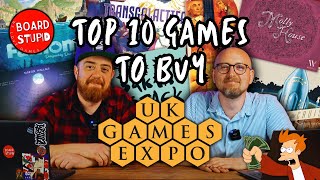
- This is our top 10 games to maybe go and buy at UK GE.
- We've tried to have something for everyone on this list.
- Spend your money responsibly.
- We love UKG. We love you guys.
- If you see Deep Regrets, please leave it for Matt. He'll be very sad. Otherwise, I will have deep regrets.
References (from this video)

- high tension and interaction
- deep strategic weight
- requires careful planning and can induce analysis paralysis
- interleaved microgames and tension-building mechanics
- tension-filled, strategic euro with evolving threats
- crunchy, tense
- Galactic Cruise
- Set
Mechanics (from transcript analysis)
- Compound Scoring — engages players in escalating decisions with high interaction
- multi-layer scoring / tension build — engages players in escalating decisions with high interaction
Video topics + discussion points
Quotes (from this video)
- it's our monthly roundup
- this is more viby
- the game is an experience
- we're going to go to Birmingham very soon
- it's the best artwork that I've seen
- the art in this made me a little bit emotional
References (from this video)
- exciting new title from a respected designer
- strong economic/trade tension in theme
- limited public data available (new title)
- merchant trading and market manipulation
- ancient trade in a late empire context (4th century Rome) with merchant activity
- historical-theme with economic mechanisms
- Ground Floor
- Wooden ground-floor vibes (Roma-themed economic games)
Mechanics (from transcript analysis)
- Market Pricing/Manipulation — players manage goods and prices to optimize profit and position
- price setting and market interaction — players manage goods and prices to optimize profit and position
Video topics + discussion points
Quotes (from this video)
- We funded and we exceeded even a few stretch goals.
- That's fraught with danger.
- The coolest name ever.
- the following mechanism is really neat.
References (from this video)
- Balanced risk/reward; tight decisions
- Expansion adds meaningful tension without breaking the core pacing
- Wolves expansion may be too punishing for some players
- set collection with risk/reward
- Animal token collection with wolves expansion
- light, approachable filler
- Coloretto
Mechanics (from transcript analysis)
- Drafting — players select animal tokens strategically to hit the trifecta without overdoing it
- drafting/selection — players select animal tokens strategically to hit the trifecta without overdoing it
- risk-reward expansion — wolves expansion adds face-down wolves that increase risk; cannot discard them
- Set Collection — collect exactly three of each animal type to maximize points; going over yields negative points
Video topics + discussion points
Quotes (from this video)
- this one is a lovely game by Stephan Dora, a great design in his own right.
- you are trying to collect exactly three of these animal tokens of each type to get the maximum amount of points
- a real brain burner but so simple and elegant to play as well
- Lost Cities a joy to get that one back to the table
- it's far too long I think it took us nearly two hours to play this which is obscene for the weight of the game
- Katarena one of the best abstract strategy games out there
- this is a bit of a whitewash of a game
References (from this video)
- Fresh, old-school style hold with modern polish
- Delightful components and potential depth
- Rules and balance could be refined; not fully known yet
- Disguise your color as much as possible while building a scattered tower
- Ancient/medieval-ish tower-building with color strategy
- Throwback with modern design cues
Mechanics (from transcript analysis)
- board edge scoring — Blocks/tiles move around the board; scoring by visibility from outside
- color masking — Hide your color as much as possible; corners score by quarter-board view
Video topics + discussion points
Quotes (from this video)
- Evergreen is actually I suppose a spiritual successor to the famous photosynthesis board game.
- this one has more focus on the light points and the way you actually take your actions is different as well because it does use this drafting system
- this game was like gold dust for a long long time
- the production of these games is absolutely stellar
- these Magi 7 dice are absolutely gorgeous
References (from this video)

- Solid game
- Same good mechanics as Fauna
- Not quite as good as Fauna
- Guessing facts about the world
- World trivia
- Trivia
- Fauna
Mechanics (from transcript analysis)
- Trivia — Need to be close to correct answer, not exact
Video topics + discussion points
Quotes (from this video)
- This is a series where I take a look at reviews I did last year, 5 years ago, 10 years ago, and 20 years ago
- I know it's hard to believe people were arguing about board games
- Seven Wonders Duel came out and changed gaming - now we have dual games everywhere
- This game's thematic because it feels like the Joker's making you play this at gunpoint
- No Thanks keeps getting better for me the more I play it
- Undaunted - such a fantastic game and series - I love it
References (from this video)
- Fast-paced and approachable for newcomers
- Educational value about real-world geography and cinematic history
- Encourages discussion and collaborative reasoning between players
- Accessible play experience even for participants with limited geography knowledge
- Some questions rely on obscure or outdated film data, which can be opaque for casual players
- Lack of a fixed, universal map can cause initial confusion or ambiguity
- Balance may hinge on players’ prior exposure to film locations, potentially favoring knowledge-rich players
- Geography meets film history with a lighthearted competitive angle
- Global cities depicted in cinema; a geographic and cinematic exploration of where cities are located and how they are represented on film
- Question-driven guessing with spatial placement and competitive deduction
Mechanics (from transcript analysis)
- Exact vs. adjacent scoring — Exactly correct guesses earn higher points, while being adjacent to the correct answer yields smaller points, encouraging strategic risk-taking and reasoning.
- Knowledge-based deduction — Each card asks about attributes of a city (e.g., most filmed city, first film date, number of times destroyed on film), requiring players to combine geography with film history intuition.
- Resource management with risk — Players allocate (and potentially lose) cubes when confident or when wrong, adding a strategic layer of risk vs. reward throughout the round.
- spatial placement — Players place cubes on a map-like surface to indicate the guessed city location relative to other players' guesses, enabling spatial deduction and proximity scoring.
- turn-order manipulation — The group identifies the 'smartest' player who then goes last, introducing a deliberate disadvantage and a social dynamic that influences play.
Video topics + discussion points
Quotes (from this video)
- it's a Party game about locations and geography but it's party game for people who may not know that much about locations and geography
- you don't have to be either knowledgeable or smart to have fun
- if you have a friend that's knowledgeable and smart you play with them you can actually leech points off of them and do better than them
- it's fast it's fun
- it's important that you learn stuff
- you can actually leech points off of them and do better than them
References (from this video)

- structured, classic Martin Wallace flavor
- punishing yet controllable consequences
- punishing mechanics require careful planning
- urban development under pressure and political control
- Historical Roman era city management and revolt dynamics
- structured, classical Europe-era feel
- Covenant
Mechanics (from transcript analysis)
- Area influence / tension between rival cities — manage influence, erect buildings, and suppress revolts
- Limited but impactful choices — strategic options are precise and consequential
Video topics + discussion points
Quotes (from this video)
- This is the kind of game you play when you want to feel smart.
- Everything feels like a good decision.
- The card play in this game is absolutely stellar.
- A lot of little things come together to feel cohesive and satisfying.
- You reap what you sew, you know, you need to be strategic and methodical about it.
References (from this video)
- Flowing, approachable filler with meaningful decisions
- Expansion potential and engaging risk-reward pacing
- Short play time may limit depth for some players
- animal tokens and scoring with an all-or-nothing dynamic
- set-collection, push-your-luck style
- analytic, risk-reward oriented
Mechanics (from transcript analysis)
- Set collection and push-your-luck — Collect animal tokens; scoring depends on reaching exact counts.
- Tile Placement — Choosing rows/tiles affects opponents and future scoring.
- Tile placement/row/column scoring — Choosing rows/tiles affects opponents and future scoring.
Video topics + discussion points
Quotes (from this video)
- I think out of all of these videos that I've done this is probably the highest quality list that I've done in terms of game recommendations
- gorgeous production I mean the pieces here are absolutely lovely on the table
- one of my favorite deduction games of all time if not my favorite game
- I like how pure and simple it is
- it's criminally underrated
- this one is an absolute absolute belter
- I could not recommend it enough
References (from this video)
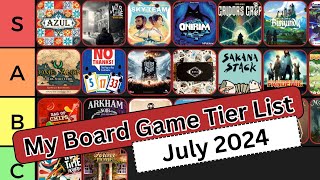
- Really good game
- Nice components
- Similar to coloretto but nicer
- Cool theme
- Could become S with expansion
- Color collection
- Card drafting
- Coloretto
Mechanics (from transcript analysis)
- Card Drafting — Draft cards in small form
Video topics + discussion points
Quotes (from this video)
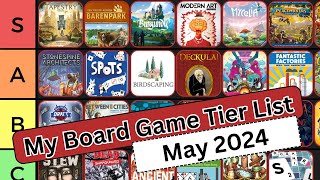
- I rank like games pretty much like how I feel right now about them right it's possible that next month I will rank the games way differently
- Stonespine Architects definitely an a rank game for me um really amazing
- I just absolutely love this one of my most favorite puzzly polyomino games
- Château Burgundy is still in my top three games has been for a few years
- I do not like auction games but I absolutely love Modern Art this is amazing
- My City is like an amazing entry level deck builder but you can also play with people who like to play games a lot
- Slay the Spire could be one of my games of the year wow this game is amazing
- Fallout is really messed up by its winning condition
- Pop-Up Pirate it's funny but is it a good game no it's not really a game right
- I like vegetable themed games it sounds very specific but that's the way it is
References (from this video)
- clever trick-taking design
Mechanics (from transcript analysis)
Video topics + discussion points
Quotes (from this video)
- it's a really, really good game
- I absolutely love this game
- it's an amazing game
- this is one of my most favorite solo games