/pic5429837.jpg)
The King's Dilemma is an interactive narrative experience with legacy elements, featuring several branching storylines leading to many possible finales and an evolving deck of event cards at its core. Players represent the various houses leading the government of the Kingdom of Ankist.
You will draw one card from the "Dilemma deck" each round and experience the game story as it unfolds. Each card poses a problem that the Council has to resolve on the King's behalf. As members of the King's inner circle, your decisions determine how the story proceeds and the fate of the kingdom. Each event happens only once: You discuss and bargain with the other players, then finally you make a choice, determining the outcome, progressing the game story, and possibly unlocking more events.
You have to keep the kingdom going, while also seeking an advantage for your own house; this power struggle may lead the kingdom into war, famine, or riot, or it could generate wealth and well-being. This will depend on your choices! The thing is, each decision has consequences, and what is good for the kingdom as a whole may be bad for your family...
Will you act for the greater good, or will you think only of yourself?

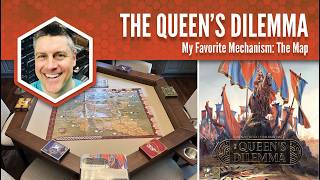
- Map is a fantastic addition, providing something beautiful to look at and plot over.
- Central focus on the map is a clever addition.
- Tug of war track is more subdued with fewer tracks, shifting focus to the map.
- Players have influence and control over regions, leading to more personal investment in decisions.
- Ability to improve income or change the shape of the kingdom by putting stickers on the map.
- Game remembers how votes went over the course of each individual session.
- Appreciates the options when passing during voting.
- Adding extra layers to passing can add time and complexity.
- Significantly longer playtime compared to The King's Dilemma.
- First session took 3 hours for one game out of 17.
- Unlikely to complete 17 sessions if games are this long.
- Extensive checklist of things to do at the end and beginning of the game.
- voting on decisions for a kingdom
- The King's Dilemma
Mechanics (from transcript analysis)
- area influence — Players have influence and control over specific regions on the map, which affects their income and care about events in those regions.
- Deck building (implied) — Cards are added to the deck that players pull decisions from, changing the shape of the kingdom and the types of decisions available later in the campaign.
- legacy — A new legacy game, a sequel to The King's Dilemma, where decisions impact the kingdom and its future.
- Passing actions — Players have the option to pass during voting, with different choices like claiming a moderator token, a share of power, or using a special bonus action.
- sticker placement — Stickers can be placed on the map to represent improvements or changes to regions based on in-game events.
- token placement — Tokens are used to mark the outcome of votes on the tug-of-war tracks.
- Track progression — A tug-of-war track with multiple tracks (e.g., tradition vs. progress, force vs. diplomacy, order vs. liberty) that shift based on votes.
- Voting — Players vote on different decisions that lead the kingdom.
Video topics + discussion points
Quotes (from this video)
- And that is my favorite thing about the King's Dilemma, how simplified and streamlined that was, and how impactful our decisions were on the shape of the kingdom.
- The Queen's Dilemma retains that, but it adds this map, and I think it's delightful.
- So, I am really hoping that that was just a learning game and that subsequent sessions will be I I know they won't be 45 minutes.
References (from this video)
- Highly player interactive
- Features negotiations and backstabbing
- Scheduling can be difficult with more players
- Navigating the Queen's court and influencing its progress or tradition.
- Branching personal narratives driven by dilemma cards and voting.
- The King's Dilemma
Mechanics (from transcript analysis)
- legacy — Players add stickers and make choices that permanently alter the game.
- Set Collection — Players collect cards based on attributes.
- Voting — Players vote on dilemma cards to influence the narrative.
- Worker Placement — Implied by using power chips to influence outcomes.
Video topics + discussion points
Quotes (from this video)
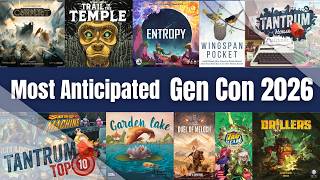
- All right. Number four, we've got Cano from Mad to Go for two to four players. Takes about 30 minutes to play. I like games about art and this one has that creating Japanese painted scrolls in the game.
- but the art is what sort of really drew me in.
- you're trying to make patterns when you put them on your board to lay tiles. It did look interesting.
- I have Night at the Zoo. This is another tiling game. I love laying tiles.
- really interesting it's designed The designer is the same person who did Sagrada and Aquatica, which are heavy Euro games, but this is a lighter tiling game.
- I thought it was a fun theme.
- So, I'm anticipating Pulitzer from 25th Century Games, and this is an investigative journalist themed game. I was a journalism major in college, so I'm always interested in these themed games.
- With strings that you're I don't know exactly how it all it but it just looks really cool and interesting being able to put your strings from the different pieces of evidence you've found. tactile
- So, if nothing else, the theme and the components have definitely made me interested in this game.
- We've got Lord of the Rings: Circle of Conflict. I should say right off the start, it says this is an Essen release, but I believe they might have a limited copies available at Gen Con, so I'm going to call this a pre-Gen Con pre-release at Gen Con.
- My understanding is you're playing against your two neighbors, the players to your left and right. So, each person has a shadow troops and the free peoples army. And so, your shadow troops are playing against your neighbors free people, and your free people is playing against your other neighbors shadow troops.
- I believe this is a dice allocation game. So, rolling dice and then using them to do actions and powers and things like that.
- Lord of the Rings theme, which is a theme that we really enjoy.
References (from this video)
Mechanics (from transcript analysis)
- Storytelling — Described as a storytelling legacy game with political dimension.
- storytelling/legacy — Described as a storytelling legacy game with political dimension.
Video topics + discussion points
Quotes (from this video)
- it's really good
- public service announcement to do your due diligence
- the biggest news of the whole convention season
References (from this video)

Mechanics (from transcript analysis)
Video topics + discussion points
Quotes (from this video)
- I've decided to donate my ad revenue that comes in through Google because well I am a privileged white man who has a successful YouTube channel and I make a decent amount of money from those ads
References (from this video)

Mechanics (from transcript analysis)
Video topics + discussion points
Quotes (from this video)
- Downforce is now available to play as a beta
- I almost had it... but it just couldn't quite make it happen
- Fair Dinkum time
- test test test test everything
References (from this video)
Mechanics (from transcript analysis)
Video topics + discussion points
Quotes (from this video)
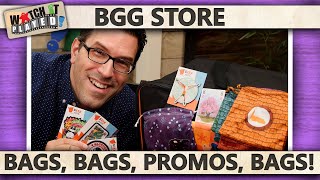
- well all right i wasn't expecting that
- bag of wonders would have been a good name so we'll call it that for this video
- well what do you know the bag of wonders contains some bags go figure
- don't be deceived by the beautiful artwork because the world the tree growing is cutthroat at least that's what i've learned from playing the game
- such a great brutal little game i really love it
- well the bag is empty so that means there's only one thing left to talk about the bag itself
- oh and it's made out of a waterproof material also
References (from this video)

- campaign-style decision-making and legacy
- medieval kingdom governance
- story-driven
Mechanics (from transcript analysis)
- Campaign-style narrative / worker participation — Players influence the kingdom's fate through decisions across multiple sessions.
Video topics + discussion points
Quotes (from this video)
- these are the ten absolute ones that we would, if we saw it out, run to that table and play it because we were that much intrigued by these games for whatever reason
- color me intrigued
- it's a two-player game
- I personally am not putting any of those on there because they all seemed exciting to me
References (from this video)
- follows up a beloved campaign experience
- interactive narrative and map-based management
- interactive narrative with legacy elements on a big map
- kingdom politics (sequel to King's Dilemma)
Mechanics (from transcript analysis)
- influence and voting interplay — political voting and narrative arc across a map-driven setup
Video topics + discussion points
Quotes (from this video)
- the quickest meanest knife fight for veteran and 18xx style players
- it's supposed to be a 90 to 120 minute game
- adorable
- i'm going to be playing this game tonight
- i actually purchased a copy of this about 30 minutes ago
- this expansion adds in a few new things which seemed like they would slot in quite well
- this just sounds so cool
References (from this video)
Mechanics (from transcript analysis)
Video topics + discussion points
Quotes (from this video)
- i understand a lot of people really enjoy solo games but um generally they're they're not really for me
- it's essentially a fun thing that we like to do and we have to make sure that it doesn't turn into work
- thousands of games come out every year and i feel like every couple of months i bump into something that i'm just like whoa that's totally new
- i personally think patchwork is engine building because you're just kind of building up an income engine
- sprinkles on the icing on the cake
References (from this video)
- great group-based roleplay and debates
- deep decisions across a campaign
- campaign endings can be hard to culminate in a satisfying moment
Mechanics (from transcript analysis)
Video topics + discussion points
Quotes (from this video)
References (from this video)
- Sequel to The King's Dilemma
- Interactive narrative legacy gameplay
- Focus on difficult decisions
- Kingdom management elements
- An interactive narrative legacy game with difficult decisions, managing regions, gathering resources, trading, constructing buildings, and personal improvements.
- The kingdom of Ankist.
- Interactive legacy game using a dilemma card system.
- The King's Dilemma
Mechanics (from transcript analysis)
- Area Control — Players take control of different regions on a map.
- Dilemma Cards — Uses a dilemma card system for players to vote on difficult decisions.
- legacy — An interactive narrative legacy game with outcomes affecting the legacy of the game.
- Resource Management — There are resources to gather, trade, and exchange.
Video topics + discussion points
Quotes (from this video)
- this whole theme which i for one think is pretty unique just speaks to me
- i really am excited to see big box uve farming games leave the german countryside explore something fresh
- this new exciting marvel cinematic universe legendary expansion features characters from the first and second guardians of the galaxy movies featuring images pulled straight from both guardians of galaxy films recapturing the adventure
- terra nova is just that a more streamlined and accessible version of terra mystica
- Cosmos games also announced a brand new second expansion to Targi just like that out of the blue another expansion to one of my all-time favorite games
- this thing's going to go up against charizard a carves and lacquered box metal dragon and phoenix pieces stone textured resin tiles embroidered bags fabric game boards it's a sight to behold with a price tag that's also a sight to behold 350 dollars but for a luxury item to cherish for a lifetime i think this is a pretty amazing project
- i love the base game and this is a no-brainer to me
- the original king's dilemma was a blast so i'm really interested to see how this one unfolds
- that bit does sound different and exciting
- which i have to admit is a pretty cool theme for a game it sounds like the type of anime i like
References (from this video)
Mechanics (from transcript analysis)
Video topics + discussion points
Quotes (from this video)
References (from this video)
- engaging legacy-style voting mechanics
- high replayability with group investment
- Queen's Dilemma
Mechanics (from transcript analysis)
- story-driven legacy voting — narrative-driven decisions with lasting board state implications
Video topics + discussion points
Quotes (from this video)
- Splender duel is a super super solid two player game
- it's so good
- I love this game and I can't wait to play it with you guys at some higher player accounts more often
- this is one of the best negotiation games that I've ever played
- it's a great deck building race game
References (from this video)
- promised sequel potential
- fits well with the King's Dilemma structure
- King's Dilemma
Mechanics (from transcript analysis)
- legacy/decision-driven gameplay — story progression and ongoing choices affecting board and players
Video topics + discussion points
Quotes (from this video)
- Splender duel is a super super solid two player game
- it's so good
- I love this game and I can't wait to play it with you guys at some higher player accounts more often
- this is one of the best negotiation games that I've ever played
- it's a great deck building race game
References (from this video)
- highly consequential decisions
- compelling and engaging narrative
- tense and unpredictable gameplay
- unique legacy experience
- can be emotionally taxing due to difficult choices
- political intrigue
- kingdom
- legacy
Mechanics (from transcript analysis)
- legacy — The game permanently changes based on player decisions.
- Negotiation — Players vote on the outcomes of dilemmas.
- Storytelling — Players make choices that drive a branching narrative.
Video topics + discussion points
Quotes (from this video)
- The rulebook for this is so bad. It's so bad.
- I was so wrong about this game.
- It's so cool when you get to the end of the game and you see all your little foxes lined up.
- You're building out this industrial empire. You're moving goods. You're investing in cities.
- It's a really satisfying feeling when your engine finally starts to hum.
- It's a really atmospheric game.
- You're scavenging through the ruins of a flooded world.
- It's like a city-building simulation.
- There's a lot going on. You really have to plan ahead.
- It's a game about shifting alliances and political intrigue.
- You never know who to trust.
- This game really nails the feeling of high-speed racing.
- It's so much fun, and it's surprisingly easy to get into.
References (from this video)
- not enthusiastic about the title at the moment
- ethics and governance under pressure
- Space-themed political intrigue
- story-driven
Mechanics (from transcript analysis)
Video topics + discussion points
Quotes (from this video)
- Top three games with stickers. Right now, I am loving Cozy Sticker Ville. It's so good.
- We are listening, and we're trying to improve, and it's our goal to get everything looking and sounding as good as possible.
- Sounds good.
References (from this video)
Mechanics (from transcript analysis)
Video topics + discussion points
Quotes (from this video)
- Damn kids, get off my lawn.
- This is our most anticipated board game of the year
- Be sure to subscribe if you enjoy this kind of content, having a little fun with your friends while playing some ball games.
References (from this video)
- One of my favorite games of all time
- engaging stories and governance
- Diplomacy, political intrigue
- Monarchy, governance
- King's Dilemma
Mechanics (from transcript analysis)
- council voting on problems — Players vote on problems affecting the realm.
- envelope reveals — Envelope-based storytelling reveals details and consequences.
- region control / governance — Control and manage regions as part of the political landscape.
Video topics + discussion points
Quotes (from this video)
- Damn kids, get off my lawn.
- This is our most anticipated board game of the year
- Be sure to subscribe if you enjoy this kind of content, having a little fun with your friends while playing some ball games.
References (from this video)
- King's Dilemma
Mechanics (from transcript analysis)
Video topics + discussion points
Quotes (from this video)
- Smarter than checkers, more fun than chess.
- Just one more game, everyone.
- Flip Seven's the greatest card game of all time.
- Oh, no, more anatomy. Now it's cats.
- I see inside the cat.
- Oh, this is going to make somebody happy.
- He dresses so stylish.
- Cool.
- All right, this one is packaged well.
- I mean has corners on it.
- Almost looks like it's a prototype of Swords, but I doubt it is.
- Has corners on it to protect it, which I'm not going to complain about cuz better that you protect something.
- I can't show you this yet.
- You didn't see enough to know what it is. But it's going to be cool. Go ahead and start guessing.
- Looks like a small game.
- Huh.
- It's not particularly heavy.
- So, we can hope it's good stuff.
- Ooh.
- I doubt that will be as cool as Catan on the road, but who knows?
- And we have a package here that I got to somehow rip open.
- I guess I have to slice it open on the side and hope I don't cut anything.
- I did a good job.
- Doesn't say much more than that.
- All right.
- Uh let's continue on here.
- Ba da bum bum bum ba.
- Zee's going to be happy with that.
- This is a big one here, a heavy one. At least I shouldn't say big.
- What could it be?
- It's a box in a box, my favorite kind of box to get.
- Let's try box number two.
- Lemme lemme lemme lemme.
- It has taken them a long time to get this one out.
- Well,
- All righty then, that's it for another most boring unboxing on the planet Earth.
- Look at all this boring stuff we're putting in here.
- Anyway, thanks for watching, everybody.
- Until next time, I'm Tom Vasel and you've been watching The Dice Tower.
- Hey folks, I'm Tom Vasel.
- Check out our channel. We have a lot of videos on our channel.
- We have live videos that go up each week from live Q&A's to videos where we take a look at the newest stuff on Kickstarter crowd surfing to top 10 lists and more.
- There's lots of stuff on this channel.
- We encourage you to explore it.
- You can find out more at our website dicetower.com.
- I'm Tom Vasel. Thanks for watching another video on The Dice Tower.
References (from this video)
- Narrative campaign for 3-6 players.
- Council members make decisions to run the kingdom.
- Voting-based core with new strategic imperatives.
- Branching personal narrative alongside kingdom narrative.
- Kingdom grows as the game unfolds.
- Dilemmas explore ideologies in morally intriguing ways.
- Features 75 envelopes, big decks of agendas and chronicles, and mystery boxes.
- Managing a kingdom and making difficult decisions.
- A kingdom where the Queen is away at war.
- A series of dilemmas presented to players who vote on outcomes, changing the kingdom's ideology and player fortunes.
- The King's Dilemma
Mechanics (from transcript analysis)
- Dilemma Resolution — The game is a series of dilemmas put before the players who must decide on an outcome.
- legacy elements — The kingdom grows as the game unfolds, with features added with every decision, and story lines that conclude after a set number of dilemmas.
- Resource Management — Players bid their 'power' to vote.
- Secret objectives — Players have 'backstories and secret objectives'.
- Voting — Players vote on outcomes of dilemmas using their power.
Video topics + discussion points
Quotes (from this video)
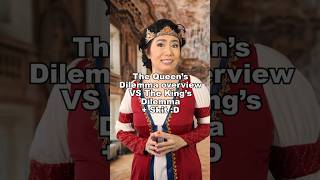
- I, Queen Serena, hold power.
- The Queen's Dilemma is a narrative campaign for three to six players in which council members make decisions to run my kingdom.
- The result of the vote changes everything.
- The Queen's Dilemma is a follow-up to The King's Dilemma in the same universe but stand-alone.
- With 75 envelopes, big decks of agendas and chronicles, and mystery boxes, there's nothing quite like The Queen's Dilemma, the best fun you can have in a committee.
References (from this video)
- Host hopes to play through the whole thing.
- Host is less certain about getting to play this game.
Mechanics (from transcript analysis)
Video topics + discussion points
Quotes (from this video)
- I didn't have anything particularly interesting as far as the various news sources that I try to uh keep up with.
- people are allowed to not like a game.
- It is okay for people not to like the game you like.
- Although good conversation is important, but sometimes people pop up into groups and they're like, "I didn't like super popular thing." And then people really just don't react the best way in a way that's really super welcoming.
- It's just always helpful if we do so in a way that actually fosters relevant, meaningful, helpful conversation as opposed to just simply, you know, dunking on people for not liking the thing that you like.
- I like it probably about as much as I like Things in Rings.
- I just prefer Vindication and they're a little too similar. I don't feel the need to own both.
- Orléans is one of those very very classic games that's just so smooth and elegant and well done.
- I'm sorry there wasn't a lot of news this week. Although sometimes that can be a good thing.
- it doesn't seem to be a COVID thing to be afraid of. Like this is not COVID 2.0.
- Hantavirus it requires significantly more work for it to spread.
- it's not COVID-level big deal. It's a big deal for a smaller group of people, and the level of contagion is not nearly what we're talking with COVID.
References (from this video)
- Follow-up campaign to The King's Dilemma
- Sessions are fast (30-40 minutes)
- Requires the same group of players for 15 sessions
- Player moved away, preventing the current group from playing
- Campaign
- The King's Dilemma
Mechanics (from transcript analysis)
- legacy — A campaign game where sessions are meant to be played with the same group over multiple sessions.
Video topics + discussion points
Quotes (from this video)
- Nearly 10 years to the to the day since I was last in Ireland and I'm so jealous of your trip. Did you rent a vehicle or utilize public transportation to get around?
- Ah, this just isn't enough This isn't complex enough for me.
- Have a great day, and I will see you next week or Geekway if you'll be there.
References (from this video)

- Rich narrative campaign experience
- Player decisions have significant impact
- Focus on personal objectives alongside kingdom-wide decisions
- Offers around 30 hours of gameplay
- Single playthrough game (though scenarios can be replayed)
- Requires a significant time commitment
- Political intrigue, decision making
- Kingdom
- Branching narrative
- The King's Dilemma
Mechanics (from transcript analysis)
- Campaign — Played over a series of linked sessions, forming a continuous story.
- Hidden Information — Players have personal objectives and storylines that may not be fully known to others.
- legacy — The game permanently changes over multiple plays with stickers, new content, and narrative branching.
- Negotiation — Players engage in discussion and make deals to sway votes.
- Storytelling — Player decisions drive a branching narrative.
- Voting — Players use voting tokens to decide on presented dilemmas, influencing the game's direction.
Video topics + discussion points
Quotes (from this video)
- this is a horror comedy game because you are in a world where sheep are mutating at night and turning into horrible things that will attack you.
- it's pretty silly, but also kind of scary at the same time.
- you will get these little shape pieces. They're just these little abstract pieces and they'll stick to your magnetic board which is kind of satisfying, right?
- it is not easy. uh it is it is difficult to indicate what you want to indicate with these little uh with these little wooden pieces.
- Excalibur is full of trash talkinging. It's full of social, memorable moments.
- it is chaotic, but it's fun and memorable.
- now the retail version is much more affordable and it's still the same sort of social gameplay. You just don't have these metal swords that you can clink together and stuff.
- this is a lighter weight card game but a strategy game. This is not a party game. This is a strategy card game.
- there can be these sort of cascading triggers like boom boom boom, you know, sort of thing.
- It's a clever little game of sort of planning and cascading uh your cards.
References (from this video)

Mechanics (from transcript analysis)
Video topics + discussion points
Quotes (from this video)
- And the fact that there's usually one a week is a problem unto itself.
- It's sad whenever someone like stops doing something cool, but it's also sad because it always makes me wonder like, 'Okay, were the board games not profitable enough?'
- It's easy to just get into the They have lots of games in development. It's easy to see photos, send them on, and not really analyze each one, although I but guarantee you they will be looking more closely in the future.
- BoardGameGeek fires veteran advertising manager for rejecting campaign due to first-hand experiences of demonic possession.
- You can never make everyone happy in life. And the problem is you always have a mob of pitchforks of people on all sides who are unhappy with the way you are tackling a situation.
- I do think he should have been fired by the way. That's like I I I think that the extent of of the decisions he made show such poor judgment that while I feel bad that he is fired, I think that is a correct reaction on the half of Board Game Geek.
- I wish I had more time in the day. Every day. I wish I had more time in the week, more time in the year. I There's so many things that are worth doing in life, and there's not enough time to do them all.
References (from this video)
- excellent legacy game
- amazing how just immersive it is
- good experience
- a lot of uncomfortable topics in there
- vying for different policies to pass
Mechanics (from transcript analysis)
- legacy — an excellent legacy game
Video topics + discussion points
Quotes (from this video)
- And that is what I reviewed this week.
- Hey everybody, I'm Tom Vasel and welcome to week in review.
- Here's what I reviewed last week.
- This one loses the charm of the original one being in an incredibly tiny box and there being a very interesting game in there.
- The game is peak Zombicide with a lot of streamlined rules, a lot of interesting captivating choices for the players.
- And if you like DC and I don't think you should play this if you actively dislike DC, then I think you're going to have a fantastic time with this one.
- It is extremely thematic to that experience without I don't with I don't think being like bothersome thematically, but that's up to you.
- there are a lot of uncomfortable topics in there, but it's it is amazing how just immersive it is because of that discomfort.
- If you don't want to feel that, don't get the game.
- This week was deceased uh Gotham City outbreak.
- This is a small retail version of the larger deceased that's coming out with little standees.
- So first up we have Overparked from designer Daryl Chow.
- This is a really cool game with a very wacky theme of an alternate reality South Korea where you are a presidential candidate.
- We played Star Wars Queen's Gambit.
- we reviewed Queen's Dilemma.
- Man, I wanted to like this game so much.
- it's way way way way way way way way too long and way way way way way too fiddly for the amount of fun it gives.
References (from this video)
- wonderful
- very much into the campaign
- really enjoy it
- like it better than King's Legacy
- a lot of uncomfortable topics in there
- vying for different policies to pass
- King's Gambit
- King's Legacy
Mechanics (from transcript analysis)
- legacy — the legacy game.
Video topics + discussion points
Quotes (from this video)
- And that is what I reviewed this week.
- Hey everybody, I'm Tom Vasel and welcome to week in review.
- Here's what I reviewed last week.
- This one loses the charm of the original one being in an incredibly tiny box and there being a very interesting game in there.
- The game is peak Zombicide with a lot of streamlined rules, a lot of interesting captivating choices for the players.
- And if you like DC and I don't think you should play this if you actively dislike DC, then I think you're going to have a fantastic time with this one.
- It is extremely thematic to that experience without I don't with I don't think being like bothersome thematically, but that's up to you.
- there are a lot of uncomfortable topics in there, but it's it is amazing how just immersive it is because of that discomfort.
- If you don't want to feel that, don't get the game.
- This week was deceased uh Gotham City outbreak.
- This is a small retail version of the larger deceased that's coming out with little standees.
- So first up we have Overparked from designer Daryl Chow.
- This is a really cool game with a very wacky theme of an alternate reality South Korea where you are a presidential candidate.
- We played Star Wars Queen's Gambit.
- we reviewed Queen's Dilemma.
- Man, I wanted to like this game so much.
- it's way way way way way way way way too long and way way way way way too fiddly for the amount of fun it gives.
References (from this video)
- Cool legacy game where choices matter.
- Engaging moral dilemmas with personal interests.
- Funny due to dark humor about horrific events.
- Fantastic right out the gate.
- Can be played without playing the previous game (King's Dilemma).
- Kingdom succession and moral choices
- King's Dilemma
Mechanics (from transcript analysis)
- legacy — A game where choices made have lasting consequences on the game's progression and outcome.
- Set Collection — Players collect points through tradition tracks, indicating a set collection element.
- Voting — Players vote on dilemmas, with options to drop out of votes to gain more power for future rounds or take tiebreaker tokens.
Video topics + discussion points
Quotes (from this video)
- I really want to push up this uh, you know, the tradition track because that'll help me score big. And they bring up this moral dilemma and you go, oof, I am not very personally on the side of tradition here, but I want the points. So, we're going to go that way anyway.
- Quadropolis. Quadropolis did it first. #justice for Quadropolis.
- This is an auction game where you have infinite dollars, infinite money that to spend on on everything.
- Brilliant. So simple, so straightforward. You know, I'm surprised that hasn't been stolen yet by any other deck building game.
- Specifically saying plus commodities.
- No. Without commodities, QE would not have been my number one.
- It adds something for second place for lack of better.
- Quest for El Dorado is my number one.
- It's almost cozy at this point. You know what I mean?
References (from this video)
- Epic experience
- Focus on personal agendas
- High stakes decisions with consequences
- Sticker placement that impacts the game
- Not for you if you want a traditional board game
- ruling families pushing the country towards their interests
- Kingdom of Ankist
- story-driven with consequences
Mechanics (from transcript analysis)
- Campaign — play 17 games of this, all full of story and resolutions for these stories.
- Dilemma Resolution — Whenever an important topic comes up, you will try to push the country towards your interests. And the game goes like this. There is a very important topic. I say yes. I say no. I say bigger yes. I go home, and you read the consequences.
- sticker placement — these resolutions will let you place some stickers on the board, making you or the country better or worse.
Video topics + discussion points
Quotes (from this video)
- These are the best board games we played this month, but how good are they?
- At the end, we're going to rank each of them in either my collection if you love them or other collection if it's not for us.
- And at the very end, we're going to tell you which game deserves the game of the month title.
- This board game promises to replace D&D.
- This game might not be for you if you're looking for something complex, rules heavy. It's not. It's actually a light experience that I loved.
- This game might not be for you if you're looking for a thematic experience. It is not. It's an abstract yet gorgeous game that I would be always willing to play.
- It's super cozy because you cannot lose the game. It's just your story.
- Yeah, I'd say it's 10 out of 10.
- When you know this game is not for you, if you look at the cover and are like, "Eh, what is this?" Then this game is not for you. How it looks is how it plays. And it plays very well for me.
- The best part for me is the ease of play.
- While this game might not be for you, it's not a very deep experience, but it doesn't matter. It's a quick game to pull out and play with your friends whenever they come around.
- This is a two to four player, 30-minute game, light game about catching Pokémon. And it's generally Splendor, just Pokémon pasted on top of it. Yet, it's very unique in that.
- The bad thing, this is only available in South Korea.
- If you love Pokémon, then this is a must-have. If you don't love Pokémon, well, what's wrong with you?
- I got this because I love the TV series, and those were full of intrigue and politics, but this really isn't.
- This game is not for you if you want, well, a board game. This is an experience, an epic experience, which I freaking love
- Why this might not be for you is because it's just maybe too simple rules-wise and a lot of luck of the draw, but other than that, it's great and it scratches that card building tableau itch.
- We have to pick one game of these to place as the game of the month.
- All right, Lands of Evershade, the game of the month. Try it out. At least check it out.
References (from this video)
- The legacy format elevates the game, creating a history rather than just a voting game.
- The negotiating table is constantly being pulled in different directions.
- It's a commitment, 15 sessions with the same group.
- Not suitable for a group that can't reliably get together.
- Noble houses voting on dilemmas facing a kingdom, shaping a shared story.
- A kingdom council
- Legacy
Mechanics (from transcript analysis)
- legacy — The game changes based on player decisions over multiple sessions.
- Negotiation — Players negotiate coins, future votes, and promise cards before voting.
- Resource Management — The kingdom has five resource tracks that are shifted by dilemma votes.
- Voting — Players vote on dilemmas using power tokens; the bigger side wins.
Video topics + discussion points
Quotes (from this video)
- The best move you make in a trading game isn't on the board. It's the face you make when someone slides an offer across the table.
- A trading game lives or dies on the moment the table goes quiet.
- It's not about rolling dice or placing tiles, it's about reading people.
- Because that moment is the game. Everything else is just the box it comes in.
References (from this video)
- Incredible.
- Has been great.
- Most fun playing a legacy game in a while.
- Love the full player count.
- Consistent meetings.
- Fantastic people involved.
- Juicy content.
- One host is still worried about the game.
- One host feels like it's a game they wouldn't normally play.
- King's Dilemma
Mechanics (from transcript analysis)
- Legacy Game — This is a legacy game that has had nine sessions played.
Video topics + discussion points
Quotes (from this video)
- I think Castle Combo has been a game this year in particular. off castle.
- It's a simple draft game where you have to spend resources to play cards and you're building a nine card tableau. Super easy, super simple.
- I think it's definitely on the lighter side when it comes to hobby games as well.
- I feel like every time we play that game, you see people's faces light up and we want to come back to it again and again.
- What cult of the old game, so like 10 years old, have you discovered just this year?
- Last Will.
- Oh, it's so good.
- But the last will is hilarious because your whole goal is you got to spend money and you got to spend all of it
- Oracles of Delelfie.
- I played this game I think two or three years ago at a convention and I loved every minute of it and I have just not been able to find it.
- I'm really intrigued because I love Sweetland so much. I want to try Rosalie.
- I will shout out another store uh local to us called Pomemetto Games run by the owner of David. He is a phenomenal human being.
- A shout out I have is a Instagram creator named Dana from Better Mood Board Games.
- Dana is one of the most talented creators out there.
- What is your personal favorite piece of content we've created this year?
- Most recently, I think the UKG video we did, the tend to demo, tend to buy.
- I think my favorite video I like the one we did in the park.
- That'd be a long video.
- What game right now can you teach from heart? Setup and everything. You just take out the box, you teach the game.
References (from this video)
Mechanics (from transcript analysis)
Video topics + discussion points
Quotes (from this video)
- Let me know in the comments which ones you're interested.
- Let me know in the comments which one you want us to talk about next.
References (from this video)
- Had a good first game.
- Looking forward to the next game.
- Expect the next game to be smoother.
- Learning the game from scratch with six players made the first game less smooth.
Mechanics (from transcript analysis)
Video topics + discussion points
Quotes (from this video)
- When it's something is just like drag and drop something new into something you already know, it's like, oh, Kismet, perfect. I already know what to do. That's awesome.
- And everyone knows you're the mole, so it's it's not that deep.
- When this ends and I'm not trying to be negative, they all end eventually, it could be in a week, it could be in 5 years. When it ends, I don't want to feel the loss of having made this a second home and now it's over and now I have to take stuff out of here. I didn't want to feel that loss. I just wanted to keep it a work space where I wouldn't feel the loss if something if this just went away.
- First of all, the game is beautiful. Would you agree Jamie like when you see it on the table?
- It's social. Um, it's competitive and it can be really it can be super competitive at the same time though there's something very warm and fun about it.
- When you're making a product, you're not just creating a product. You have to have an infrastructure and an ecosystem for that product.
- Kickstarter as a business. Which I think a lot of creators still overlook that. They view it as okay, I designed this game, of course I'll just put it on Kickstarter. But if you opt into that, which you can do, you are opting into starting a business. And that is a very different thing I think than designing a game.
- There's so much more to creating a great product than just creating a great product. There has to be an infrastructure.
- I'm hoping at some point let's say I'm at Gen Con. And you don't have to do this by seeing for seeing this video it just if it happens naturally that's great. If someone sees me at Gen Con and points to me and goes oh my god I know you you're the King of Stonemaier.
- It's so funny how uncomfortable my calling myself-proclaimed king, I'm the self-proclaimed king of Stonemaier.
References (from this video)

- Experience is strong.
- Game play is fine with back and forth.
- Solid experience.
- The sequel is better.
- The game itself is just fine, not exceptional.
- Political intrigue
- Kingdom
- Branching narrative
- Queen's Dilemma
Mechanics (from transcript analysis)
- Branching Narrative — This one has pald because this is one of the few legacy games where the sequel is better.
- legacy elements — This is one of the few times though where the experience is stronger than the game.
- Voting on dilemmas — You're voting on these dilemmas for this king who apparently needs you to decide.
Video topics + discussion points
Quotes (from this video)
- If you like Reesside, I think this is better.
- If there's a legacy game that has brought me more joy than almost any other legacy game, this might win for that.
- This is the best family legacy game, I think.
- It's a straight Euro style game where you're rolling dice and using resources and kind of building out this area.
- This game is just blowing me away.
- Think drugs or slavery or things like that.
- This is basically trigger warning the board game.
- This is the game that put Legacy on the map.
- The pressure of not letting a city outbreak in this game is still so tangible to me.
- This is my number three and your number my number five.
- Pandemic Legacy season zero. It's funny because this is where we agree.
- This is my favorite of the Pandemic Legacies. It's just amazing.
- Then our my number one, which Chris has not played, is Clank Legacy.
- This one just hit for me.
References (from this video)
- Blowing me away
- Stories are so interesting
- Fascinating narrative
- Very well done and well written story
- Beats out a lot of other games
- Not for families
- Very adult situations
- Can be dark if you get too caught up in it
- Game itself is fine, not super strong
- Adult situations such as drugs or slavery.
- Branching pathways and decision-driven story.
- Rise of Queensdale
Mechanics (from transcript analysis)
- Choice-driven narrative — Player choices directly impact the story and its progression.
- Resource Management — Involves resource management, though the story elements are stronger.
- Voting — Players influence the city's sway through their decisions.
Video topics + discussion points
Quotes (from this video)
- If you like Reesside, I think this is better.
- If there's a legacy game that has brought me more joy than almost any other legacy game, this might win for that.
- This is the best family legacy game, I think.
- It's a straight Euro style game where you're rolling dice and using resources and kind of building out this area.
- This game is just blowing me away.
- Think drugs or slavery or things like that.
- This is basically trigger warning the board game.
- This is the game that put Legacy on the map.
- The pressure of not letting a city outbreak in this game is still so tangible to me.
- This is my number three and your number my number five.
- Pandemic Legacy season zero. It's funny because this is where we agree.
- This is my favorite of the Pandemic Legacies. It's just amazing.
- Then our my number one, which Chris has not played, is Clank Legacy.
- This one just hit for me.
References (from this video)
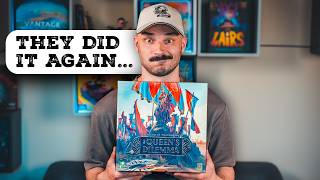
- Highly engaging and makes you feel invested in the country's direction
- Strong emphasis on personal story and individual agendas
- Unique moral dilemmas and tricky card situations
- Simple core mechanics with significant impact
- Creates strong emotional reactions (anger, happiness)
- High replayability due to branching story lines and varied outcomes
- Great for players who enjoy discussion, diplomacy, and intrigue
- Unique and unlike other games
- Component quality (especially the map) can be flimsy/cheap in the base version
- Content can be too gory, violent, or edgy at times, potentially ruining immersion
- Best experienced with 6 players, which can be hard to organize
- In certain situations, players can feel like they can't impact the game
- Not all cards have significant impact, leading to wasted decisions/resources
- Player group dependency: requires players who like to talk, discuss, and potentially bend morals for the game's sake
- Political and highly diplomatic campaigns, personal agendas influencing the kingdom's direction
- A kingdom
- Event cards, personal diaries, secret envelopes, and choices that change the story lines
- Zoo (Zooloretto)
Mechanics (from transcript analysis)
- Auction / Bidding — Players can bribe others or invest resources to influence votes.
- bidding/influence — Players can bribe others or invest resources to influence votes.
- Card Drafting — Event cards are drawn and read aloud, driving gameplay.
- Card drafting/drawing — Event cards are drawn and read aloud, driving gameplay.
- legacy/campaign — Choices lead to opening envelopes, adding stickers, and permanently changing aspects of the game over seven main story lines.
- Resource Management — Resources are used to upgrade factions or bribe other players.
- Set Collection — Players have personal agendas and secret goals to pursue.
- Set Collection/Agenda Fulfillment — Players have personal agendas and secret goals to pursue.
- Voting — Players use power tokens to vote on event cards, influencing the outcome.
- Worker Placement — Placing family stickers on the map to take control of regions.
- Worker placement (implied) — Placing family stickers on the map to take control of regions.
Video topics + discussion points
Quotes (from this video)
- I just freaking love Queen's Lama.
- Because there is nothing and I mean nothing like this. It's very unique at its own.
- The moral compass that always gets, you know, forgotten once you play this game.
- This board game is more of a experience. It depends on the players more than on the mechanisms.
References (from this video)
- mechanisms are much better than King's Dilemma
- it is a much better game [than King's Dilemma]
- story is first and mechanisms are second
- King's Dilemma
Mechanics (from transcript analysis)
Video topics + discussion points
Quotes (from this video)
- A legacy game is a game where things change permanently throughout the game, and that definitely happens here.
References (from this video)
- Mechanisms are much better than The King's Dilemma.
- It is a much better game than The King's Dilemma.
- More is better, especially with 5 or 6 players.
- The two different end-game trajectories are a nice way to overcome feeling on your own.
- The game is straightforward and engaging.
- The round structure is brilliant, with the game never stopping.
- Each game lasts the right amount of time.
- Always interested in starting another game right away.
- The decision-making comes back to haunt you, which is fun.
- The map provides a visual reminder that makes events more salient.
- The Queen is a character with positives and flaws.
- Players have their own storylines and agendas.
- The writing is good and underplayed, making characters and decisions resonate.
- The voting mechanism is well done and doesn't overstay its welcome.
- Pass actions are engaging.
- Resources are tight but manageable.
- The game doesn't have a lot of upkeep after playing.
- It's easy to put away with individual boxes.
- It's a permanent game with no resetting.
- The game is very fun and interesting.
- It's a 9 out of 10 for the reviewer.
- It's one of the coolest legacy game experiences.
- The game serves the experience well.
- The hard topics are appreciated by one reviewer.
- It's an amazing experience.
- The resource management is the weakest spot, feeling like it's there to stop hoarding.
- Sometimes a game isn't particularly resourceful, and players don't finish anything, which is less cool when others are doing cool stuff.
- Not everyone will see everything due to the legacy nature.
- The themes can be very heavy, with potentially triggering sensitive topics.
- Some players might not enjoy the game if they are sensitive to certain topics.
- Advisors to the Queen, each with their own agenda
- A couple hundred years after The King's Dilemma
- The King's Dilemma
- Game of Thrones
- Robinson Crusoe
- Kingsburg
- Cozy Sticker Ville
Mechanics (from transcript analysis)
- Agenda Fulfillment — Players have agendas they try to accomplish by spending resources, which can lead to opening boxes or gaining rewards.
- Area Control — Players take control of regions on a board, which can become hotspots and influence gameplay.
- legacy — A game where things change permanently throughout the game.
- Player Agendas — Each player has their own book detailing their character, fate, and relationship to the queen, with personal agendas to follow.
- Resource Management — Players manage resources, which are taxed at the end of a round, potentially stopping players from hoarding and sometimes leading to unresourceful games.
- Set Collection — Players collect keyword stickers and skill stickers to add special powers or keywords.
- Voting — Players vote on event cards using power tokens, with a leader token determining the order and intensity of votes.
Video topics + discussion points
Quotes (from this video)
- Queen's Dilemma is a game where story is first and mechanisms are second.
- Almost nothing in this game is is light-hearted by any means.
- You are going to occasionally vote yes on something that in real life you would say, I would never, that is too vile.
- The map does psychologically help me remember from game to game, especially if you have a session kind of far apart from each other.
- 'Hear me out' is probably one of the most common things we've said in this game.
- This is a 9 out of 10 for me. This is one of the coolest legacy game experiences.
References (from this video)
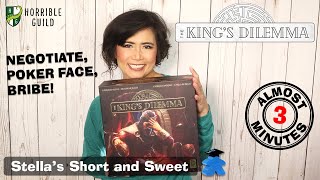
- political intrigue, factions, and decision-making under pressure
- kingdom
- narrative-based with envelopes revealing a story each session
Mechanics (from transcript analysis)
- campaign-based (legacy) play — The game is played over multiple sessions with a campaign objective and a hidden end condition.
- End condition and scoring — The game ends when a certain number of cards are revealed; scoring based on money, power targets, and resources.
- envelopes with story outcomes — Each envelope opened reveals a story that influences the kingdom and its storyline.
- Hidden Roles — Players have secret agendas that guide their resource goals and decisions.
- Negotiation — Power tokens can be used to strengthen cases; negotiations, bribes, and influence actions are allowed.
- Negotiation and alliances — Players negotiate with others to influence outcomes; alliances and betrayals are possible.
- power tokens and negotiation — Power tokens can be used to strengthen cases; negotiations, bribes, and influence actions are allowed.
- resource track and allocation — Resources are tracked and located on a track that affects card outcomes and planning.
- Secret objectives — Players have secret agendas that guide their resource goals and decisions.
Video topics + discussion points
Quotes (from this video)
- the game is narrative based
- if you like Game of Thrones the series you'll probably feel you are in the movie full of intrigues alliances and conflicts
- you never know who your allies and your enemies are
- agenda that must be fulfilled mostly
References (from this video)

- rich narrative and negotiation around the table
- strong group discussion and voting dynamics
- narrative topics can be adult in nature and may require group awareness
Mechanics (from transcript analysis)
Video topics + discussion points
Quotes (from this video)
- it's just such a satisfying game for me to play
- the scoring is so low it makes every point matter so much
- this is a voting game that you are going after you're interested in manipulating tokens on the board
- Mission Deep Sea is the Pinnacle version of the crew
- Ghost Stories is fantastic cooperative game
- Cascadia is such a great game
- Kingdom Builder ... it goes up to five to six players
- KeyForge unlike anything else I've played out there
References (from this video)
- strong integration of story and mechanics
- high tension and dynamic negotiations
- excellent replayability through campaign structure and multiple endings
- can be heavy and lengthy for casual players
- bidding can feel opaque to newcomers without proper onboarding
- dilemma, governance, bribery
- fantasy medieval court politics
- campaign-driven branching narrative with evolving history
- Railroad Inc
- Pax Pamir (Second Edition)
- The King is Dead
Mechanics (from transcript analysis)
- Auction / Bidding — rounds feature a bidding mechanism to allocate political influence and resources to chosen paths
- bid/auction — rounds feature a bidding mechanism to allocate political influence and resources to chosen paths
- Negotiation — players persuade, threaten, and ally with others to support their agenda
- region/control influence via followers — followers and regions determine who wields power and who crowns the king
- Resource Management — five resources shift between positive and negative states via dilemma outcomes
- story cards / campaign progression — each round reveals a narrative card that reshapes the political landscape and end goals
Video topics + discussion points
Quotes (from this video)
- it's a tapestry, a history of your kingdom
- the king's dilemma is a transformative experience and the power of its transformation is that it takes you to the bad place
- you'll know you've arrived there together
- three different games in the box
References (from this video)
- robust legacy and branching-story design
- high replayability through shifting alliances
- complex governance dynamic can be hard to balance for new players
- interactive narrative with legacy elements and branching finales
- kingdom of Ankus; governance and intrigue
- collaborative storytelling with power struggles
Mechanics (from transcript analysis)
- evolving narrative with house politics — decisions affect the kingdom and factions across rounds
- lemmas deck and council decisions — randomized events push the council to resolve issues
Video topics + discussion points
Quotes (from this video)
- this game is not competitive
- communication among the team is going to be essential
- unlocking some achievements and claiming some bonuses in sanctum
- I had a copy of this in my hand at BGG Khan last November
- don't live a life of gaming regret
- subscribe and turn on notifications
References (from this video)
- deeply thematic decision space that shapes the kingdom
- strong social interaction and collaborative storytelling
- diplomacy, policy decisions, and societal impact
- kingdom governance and crisis management
- campaign-like with ongoing moral choices
Mechanics (from transcript analysis)
- Voting and negotiation — players vote on decisions, making promises and bribing allies, influencing a tug-of-war track
Video topics + discussion points
Quotes (from this video)
- I think this is a really neat thing about games where it is okay to make decisions based on what feels right to you at that moment.
- The Vantage is almost entirely based on this idea of making decisions based on what feels right to you personally or thematically.
- Even if you make a decision in Creature Caravan based on the theme, you are almost always getting something good as a result anyway.
References (from this video)
- rich narrative and ethical dilemmas
- strong player engagement through shared governance
- requires commitment across sessions
- potential for decision fatigue in long campaigns
- narrative-driven legacy and branching consequences
- kingdom of Uncas with a council guiding the monarch
- interactive storytelling with evolving family dynamics
- Ambition: A Kingpin's War
- Just Desserts: The King’s Dilemma
Mechanics (from transcript analysis)
- cooperative storytelling with branching decisions — group choices shape the kingdom's future and personal outcomes
- legacy-style progression — campaign changes and consequences carry across sessions
- Narrative Choice — group choices shape the kingdom's future and personal outcomes
Video topics + discussion points
Quotes (from this video)
- I've been Chaz Marlar from Pair of Dice Paradise.
- This expansion funded in 20 minutes and raised 23 times the amount of its funding goal.
- the King's dilemma by a horrible guilt in this interactive narrative and legacy experience
- gaining a hundred and thirty-six spots to crown this month's biggest climber
References (from this video)

- deep political intrigue and evolving story
- high replayability with branches
- negotiation and voting with legacy elements
- medieval kingdom governance
- interactive, branching endings
Mechanics (from transcript analysis)
- legacy/deck evolution — evolving event deck and story progression
- Negotiation — houses lobby for influence and outcomes
- Voting — vote on events and policies
Video topics + discussion points
Quotes (from this video)
- Kurios is a game of worker placement deduction and bluffing and it's simple and quick.
- Don't Get Got sounds like a game that I am definitely going to be subjecting a lot of my friends to frequently.
- Horrified includes high-quality sculpted miniatures of Frankenstein, the Bride of Frankenstein, the Wolfman and more.
References (from this video)
- Deep negotiation and role-playing opportunities
- Rich, replayable political dynamics
- Expensive and large-scale
- Requires a dedicated group and time
- Political intrigue, bribery, and hard choices
- A fantasy kingdom with rival houses vying for power
- Dynamic, envelope-driven storytelling with player-driven outcomes
- Game of Thrones: The Board Game
Mechanics (from transcript analysis)
- bribery and auction-style voting — Players can leverage resources to sway decisions
- hidden agendas and voting tokens — Players secretly pursue agendas and vote to influence outcomes
Video topics + discussion points
Quotes (from this video)
- rip up cards
- story everywhere
- it's a super corrupt auction style of voting
- two things – one legacy games are very ritualistic
- heads into the unknown together
References (from this video)
- Elegant, immersive storytelling with minimal rules
- Rich strategic depth and alliance dynamics
- Long campaign footprint; heavy commitment
- Learning curve and potential for complex interactions
- Legacy politics, house rivalries, and long-term governance
- A medieval-like kingdom governed by a King's Council
- Campaign-style storytelling with evolving politics
- Game of Thrones-themey storytelling games
Mechanics (from transcript analysis)
- dynamic alliances and bribery — Shifting coalitions affect outcomes and long-term succession plans
- permanent board state — Decisions leave lasting marks that affect future plays
- Player Board | Main Board — Decisions leave lasting marks that affect future plays
- Voting — Players vote on decisions, influencing the kingdom's tracks and future fortunes
- voting with power/resources — Players vote on decisions, influencing the kingdom's tracks and future fortunes
Video topics + discussion points
Quotes (from this video)
- Babylonia pulls you between the competition over cities and ziggurats
- Deep Blue is an incredible game
- Ishtar is a tile laying game in which you're growing gardens in the desert
- Pret-a-Porter is not a game for the light hearted or like-minded
- I am in love with how well Kings dilemma tells its story
- Letter Jam is a cooperative word building game from the makers of Code Names
- City Skyline is based on the popular video game and SimCity
- Valley of the Vikings is my top pick for a kids game at Essen this year
References (from this video)
- Strong, multi-path storytelling with six main story paths and compelling subplots.
- Engaging opportunities for roleplay and debate during voting and discussion.
- Envelope-driven expansion elements add narrative variety and leverage for story development.
- Feels more like DM storytelling with heavy busy-work mechanics rather than a traditional game.
- No solo mode; limited to 3–5 players; may restrict solo players or groups outside that range.
- Poor replayability and disposable components; legacy elements feel wasteful and hard to salvage.
- political intrigue, governance, moral compromise, public policy and its consequences
- A medieval kingdom with noble houses vying for influence and governance under a king.
- branching, ensemble-driven storytelling driven by event cards and envelope-based expansions
- The Quiet Year
- Sherlock Holmes Consulting Detective
- Ticket to Ride Legacy
- Pandemic Legacy
Mechanics (from transcript analysis)
- Abstain and gabble resources — Abstaining yields coins or gabble (a tiebreaker); being council leader ends voting in a specific way.
- Event cards and envelopes — Events trigger consequences; envelopes provide additional cards and scenarios when opened.
- hidden scoring cards — Each player privately pursues personal scoring goals, which determine end-game prestige or crave.
- Public tracks — Tracks for military might, wealth, morale, health, and scholarship move based on voting outcomes.
- Voting and influence management — Players allocate influence tokens to support or oppose actions, shaping kingdom tracks.
Video topics + discussion points
Quotes (from this video)
- it's not really a game it's kind of like a DM storytelling game but one that's you know heavily on Rails
- there's nothing here worth keeping
- zero replayability
- this is a giant waste
- I would rather play something a bit simpler
- the story was the really good part
References (from this video)
- deep narrative potential
- rich for discussion and group play
- legacy commitment may deter casual players
- rule complexity can be challenging
Mechanics (from transcript analysis)
- legacy / decision-impact — Players influence a dynasty with long-term consequences via choices that persist across sessions.
Video topics + discussion points
Quotes (from this video)
- I am color blind and sometimes we just have to wing it
- it's not at the Forefront of why I enjoy gaming
- life is generally a bit busier for me now
- I would rather play someone else's game that I don't have or I've not played before
- I find his games a little bit too loose
- the expo is normally a good day out, I enjoy it, it’s a shopping day
References (from this video)

- Story-driven experience
- Unique legacy game
- Generates emotional responses from players
- Players must roleplay motivations
- Once-in-a-lifetime experience
- Creates strong memories with gaming group
- Quality depends heavily on who you play with
- Only playable once
- Political decision making
- Medieval kingdom
- Story-driven legacy
Mechanics (from transcript analysis)
- legacy — Story changes based on player decisions across games
- Legacy Game — Story changes based on player decisions across games
- role play — Players roleplay their character interests
- Storytelling — Narrative-driven gameplay
- Voting — Players vote on kingdom decisions
Video topics + discussion points
Quotes (from this video)
- if ever somebody says that he has the top 10 games of all time never trust them it's in their opinion
- if i could give a game 11 out of 10 clank legacy would be it
- this is the reason why i fell in love with board games in general
- it's my favorite solo game for sure the more i play it the more i want to play it
- to be honest right now probably next year it will be different maybe tomorrow it will be different
- the unknowing like what's gonna happen what's his agenda it's just an amazing experience
- if you like deck building then i think you definitely like clank legacy like a lot
References (from this video)

- deep storytelling
- weighty decisions with consequences
- heavy setup
- long commitment
- political ethics, governance, legacy decisions
- medieval realm and governing council
- dramatic, human-centered
- A Game of Thrones: The Board Game
- Chronicles of Crime and Detective
Mechanics (from transcript analysis)
- legacy / campaign — yes/no decisions shaping a nation across multiple sessions
- Voting — players bid and leverage power to influence outcomes
- voting / influence — players bid and leverage power to influence outcomes
Video topics + discussion points
Quotes (from this video)
- Sushi Roll is a dice game about eating sushi with such a perfect name that you can't help but feel the makers of 2014's sushi dice should all retire in shame
- I love gambling on trying to collect the best set because if you do it feels like pulling off a full house in poker
- it's not going to appeal to gamers who want strategic depth but if you want a light-hearted social game with big moments age of dirt is one-of-a-kind
- Deep Blue is the year's big family game
- this is the best storytelling board game I've ever played and it's not even close