/pic66668.jpg)

/pic66668.jpg)






















Ticket to Ride: Europe Deep Dive
What the Community Thinks About Ticket to Ride: Europe
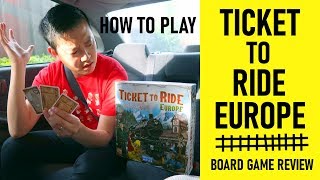
Ticket to Ride: Europe holds a special place in the board gaming community as a beloved gateway game that introduces players to core mechanics like set collection, route building, and hand management. Reviewers consistently praise the game for its accessibility to newcomers while maintaining enough strategic depth to keep experienced gamers engaged. The Europe version specifically stands out as an improvement over the original, with a tighter map design and additional mechanics that enhance gameplay without adding unnecessary complexity.
Core Mechanics That Define Ticket to Ride: Europe
Set Collection and Card Drafting
The foundation of Ticket to Ride: Europe rests on elegant set collection mechanics. Players gather colored train cards from a central display, either by drawing face-up cards or blindly from the deck. If a player takes a wild locomotive card from the display, it counts as both their card draws for that turn, creating a meaningful decision point. This drafting system forces players to balance immediate needs with long-term planning, as revealing new cards refreshes the available options for all players.
Route Building and Network Construction
Players claim routes across the European map by playing matching sets of colored cards. Each route displays its required card cost and point value, with longer routes offering greater rewards but requiring more resources. The act of placing physical train pieces on the board creates satisfying visual progression, while the competitive nature of route claiming generates meaningful player interaction. Some routes can only be claimed by a single player, forcing difficult decisions about which connections to prioritize and which to let opponents develop.
The Ticket to Ride: Europe Experience
Accessibility and Gateway Appeal
Ticket to Ride: Europe excels at welcoming new players while respecting the preferences of experienced gamers. The rules teach quickly, and meaningful decisions emerge naturally from the simple turn structure. New players can grasp the core concepts within minutes and immediately feel engaged with the strategic landscape. The game's elegant design means that veterans and newcomers can play together without the experienced players needing to hold back, as the random card distribution and dynamic board state keep every game fresh.
Relaxed Yet Engaging Gameplay
The game creates a breezy, low-pressure atmosphere that encourages casual conversation while maintaining enough strategic tension to keep players invested. Players can kick back, plan their next moves, and enjoy the rhythmic flow of card drawing and route claiming. The playtime of 30-60 minutes prevents the game from outstaying its welcome, while the familiar European setting provides pleasant thematic grounding. Communities describe bringing this game to cabins and casual game nights precisely because it scratches the itch for meaningful gameplay without demanding intense concentration.
What Makes Ticket to Ride: Europe Stand Out
Advanced Mechanics: Tunnels and Ferries
The Europe version distinguishes itself from the original through two special route types. Tunnels introduce an element of risk and uncertainty: when claiming a tunnel route, players flip three cards from the draw pile, and for each matching card revealed, they must play an additional card of that color or forfeit their claim. This mechanic creates tense moments and rewards careful hand management. Ferries require locomotives to be part of the card set, adding another layer of strategic consideration to route selection. These mechanics deepen the game without overwhelming newcomers.
Stations as Strategic Flexibility Tools
The station mechanic represents a cornerstone of Europe's superiority over the original game. Players can place up to three stations on the map, each allowing them to use an opponent's adjacent route to complete their own tickets. This feature prevents dead ends and creates opportunities for clever play. Stations cost train cards to deploy, and any remaining at game's end score bonus points, creating tension between using them for strategic advantage and banking them for final scoring. This mechanic encourages players to think about cooperation while competing, as blocking others too harshly might prevent their own routes from connecting.
Potential Drawbacks
Card Luck and Route Denial
The game's reliance on card draws can create frustrating moments where players fail to draw needed colors at critical junctures. Similarly, experienced players quickly learn to deny opponents key routes, and a single well-placed block can swing a player's score from 21 points to a negative 21-point swing if they fail to complete a valuable ticket. While this tension creates engaging decision spaces for some, it can feel punishing to casual players who sense their carefully planned route has been blocked and will never complete.
Risk in Ticket Taking
The ticket system creates a risk-reward dynamic that some players find stressful. Drawing new destination cards forces difficult decisions about whether to commit to ambitious long routes or play it safe. Failed tickets subtract significantly from final scores, and the pressure of incomplete tickets can overshadow the joy of achievement for players who dislike high-consequence decisions.
If You Enjoy Ticket to Ride: Europe
Players who appreciate Ticket to Ride: Europe often gravitate toward games with similar sensibilities: elegant mechanics that reward planning, accessible rule sets, and beautiful map-based components. Games like Catan offer similar resource negotiation and territorial play, while Great Western Trail and Maglev Metro explore route-building in different ways. For those seeking lighter tile-placement alternatives, King Domino provides puzzle satisfaction with lower stakes. The game appeals to players who want meaningful decisions without overwhelming complexity, making it ideal as a foundation for deeper hobby engagement.
What Reviewers Are Saying
Europe is like an advanced mode of the original Ticket to Ride, adding in ferries, tunnels, and having a more complex map. It is a little bit more challenging, and while there is a long debate about which game is better, I personally see Europe as the better pick because it does have a more interesting map. And while tunnels are frustrating, they are interesting.
— 3 Minute Board Games
It is one of the first games that really got me into the hobby, and I just really truly do love coming back to it. It is very simple, and while completing your route is rewarding, there is that element where if you just miss out on completing your route, you go from scoring 21 points to negative 21 points.
— All You Can Board
Ticket to Ride is a modern classic and a great gateway game to introduce people to a bunch of different mechanics. It has set collection, route building, and contract fulfillment. If you understand those mechanics, it will open up a whole new world of different board games for you.
— Might I Suggest A Game